Newsletters


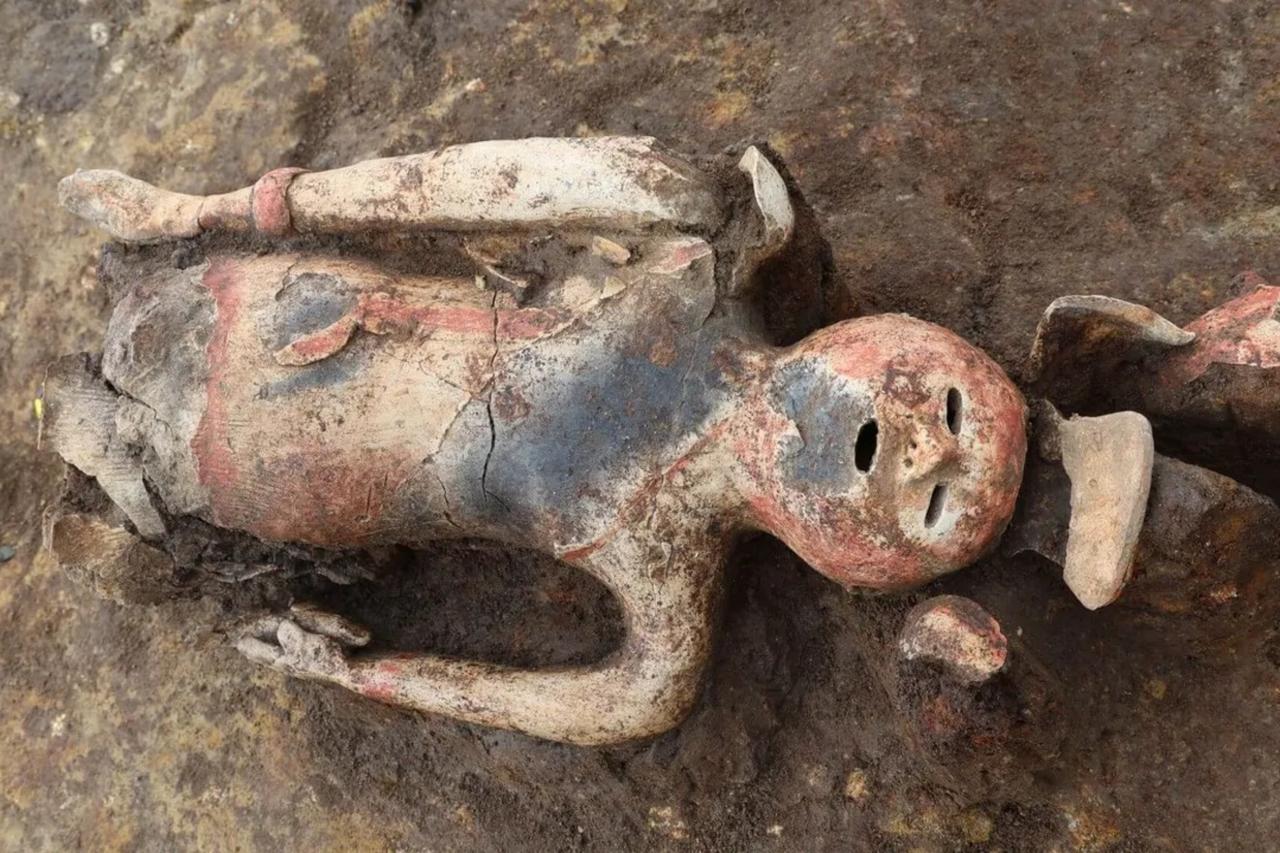


Archaeologists in Japan’s Gunma Prefecture have recovered a 1,500-year-old clay figure of a female shaman from the moat of a fifth-century burial mound, the Gunma prefectural government said in a statement.
The figure is a “haniwa”, a hollow clay sculpture placed in tombs during Japan’s Kofun period. It represents a “miko”, or shrine maiden. Only the head and torso survive. The piece measures about 40 centimeters (16 inches) tall but was originally larger.
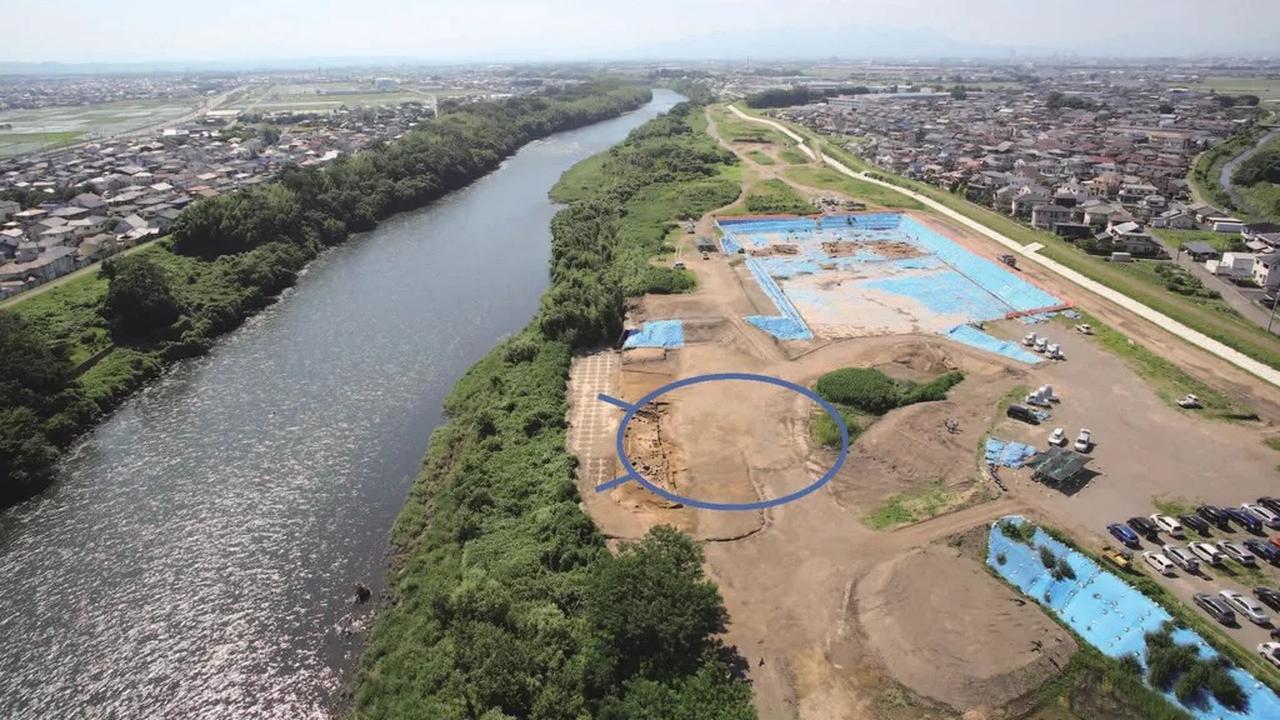
Researchers from the Gunma Archaeological Research Foundation found the figure this year while excavating the main burial mound at the Nishikaminomiya archaeological site, northwest of Tokyo.
The team has worked at the site since 2020. The site is in the city of Isesaki in the Kanto region, where excavations began as part of a river improvement project along the Tone River.
The mound is about 45 meters (148 feet) in diameter. The site contains nearly a dozen “kofun”, or burial mounds, from the fifth and sixth centuries.
The team believes the figure originally stood near a boat-shaped sarcophagus in the mound and, over time, slid down the slope into the moat.

The figure wears a “shimada” topknot hairstyle, which the statement says identifies it as a miko. Clay bracelets with red pigment sit on both wrists, and a red sash is painted across the torso.
The left hand holds a rod-like ritual object. The fingers are carefully molded, and the nose is prominent.
The prefectural government said considerable care went into making the figure, including features that would not be visible from a distance. The detail points to skilled craftsmanship.
Haniwa were placed in tombs as offerings for the dead and were often thought to hold the souls of the deceased. The word means “circle of clay”, and the exact function of the figures remains unclear.
The earliest examples, from the late third century, were simple cylinders, with human figures appearing later.
In Shinto, miko bridge the human and spiritual worlds. During the Kofun period, which ran from about 300 to 710, they likely performed funeral rituals and offered spiritual guidance.
The Kofun period takes its name from the burial mounds of powerful leaders, many of them keyhole-shaped and surrounded by moats.
Haniwa took many forms, including warriors, animals and houses, and the number placed around a single tomb ranged from a few dozen to a few thousand.
The Nishikaminomiya figure is described in other reports as one of the earliest known human-shaped haniwa from Gunma Prefecture.
Gunma Prefecture holds about 2,000 ancient burial mounds with accompanying haniwa. Roughly one-third of nationally designated haniwa artifacts were excavated there.


 Set as preferred source
 Set as preferred source



 3 min read