Newsletters


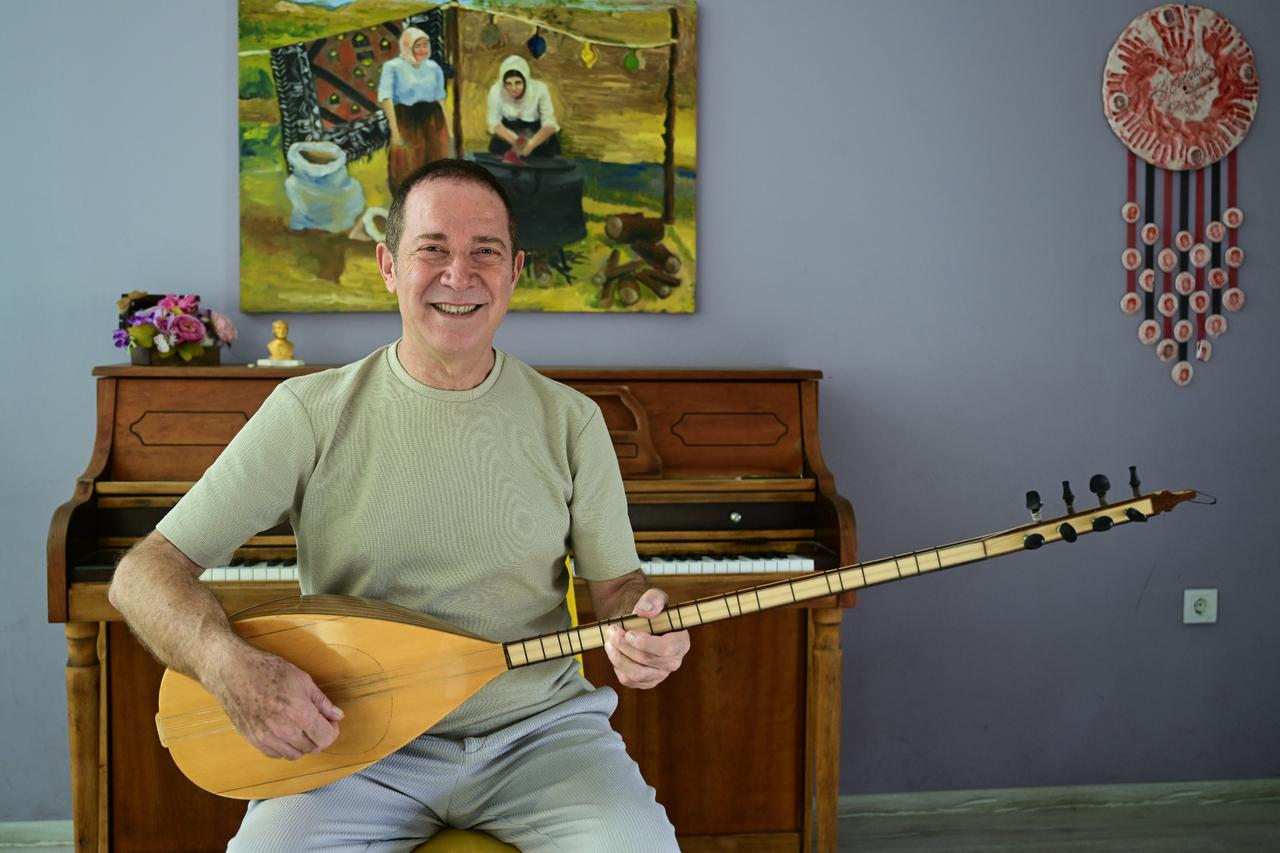


Folk music artist Sumer Ezgu will take Türkiye to the Asia-Pacific Broadcasting Union (ABU) Music Festival in Colombo, Sri Lanka, on Nov. 2, where he will perform “Anadolu’dan Geldik” ("We Came from Anatolia") and play a 66-year-old cura, a small stringed instrument related to the saz.
The ABU is a media association that promotes cooperation among broadcasters in the Asia-Pacific region. Colombo is the largest city of Sri Lanka.
The festival, organized by the ABU, of which TRT is also a member, will bring together the musical cultures of different countries in the Asia-Pacific region. TRT is Türkiye’s public broadcaster.
Ezgu, who started his music career at a young age, turned to music with the instruments his teacher-father bought him. He received music and notation training in Komotini, Greece, where he lived for two years because of his father’s job.
After returning to Türkiye, Ezgu continued his musical work and, after passing the radio exam, served as a staff artist at TRT. After working at TRT for 15 years, the artist turned to broadcasting and prepared television programs such as “Ankara Ruzgari,” “Nazar Degmesin” and “Halkali Seker.”
The artist has introduced Anatolia’s musical culture with the program “Sumer Ezgu ile Anadolu’dan Geldik,” broadcast on TRT Muzik in recent years, and has prepared 53 episodes so far. Anatolia is the peninsula that makes up most of Türkiye’s territory.
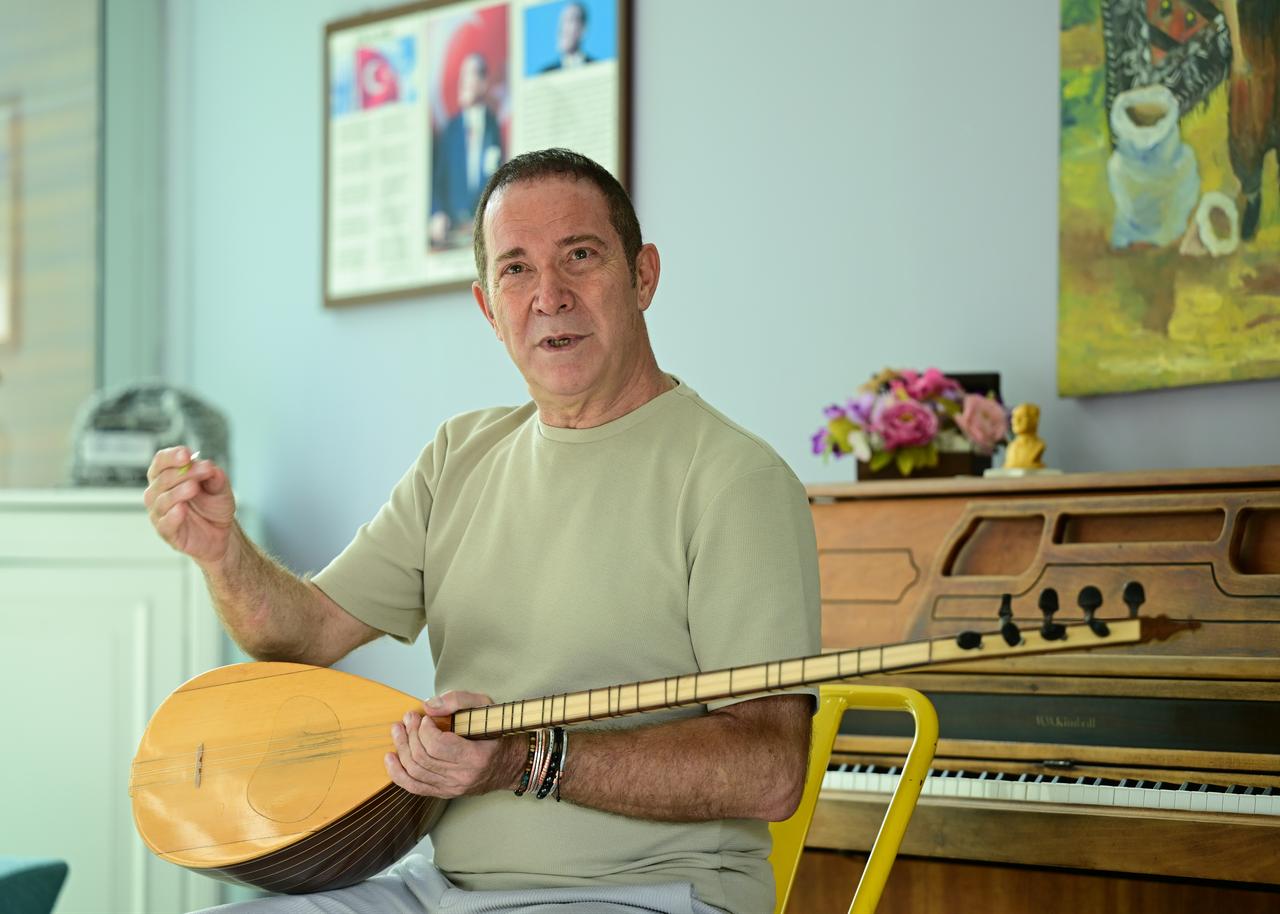

Sumer Ezgu said that they travel to different regions of Anatolia to record local music and instruments, and that folk culture holds an important place for him.
Saying he grew up with the sounds of the davul, zurna and baglama from childhood, Ezgu said he has taken part in folk dance and music festivals in different countries. The davul is a large double-headed drum, the zurna is a loud woodwind instrument, and the baglama is a long-necked stringed instrument.
Explaining that they filmed in Mersin and Gaziantep as part of the program, Ezgu said they recorded Silifke’s local dances, Gaziantep’s barak tunes and the region’s distinctive instruments. Barak tunes are a style of folk melody from southeastern Türkiye.
Stressing that they do this work to pass cultural heritage on to future generations, Ezgu said: “We are documenting Anatolia’s endless colors as we travel around it. In a way, we are doing compilation work.”
He added: “In fact, we are filming a record of today and leaving a file for the future.”
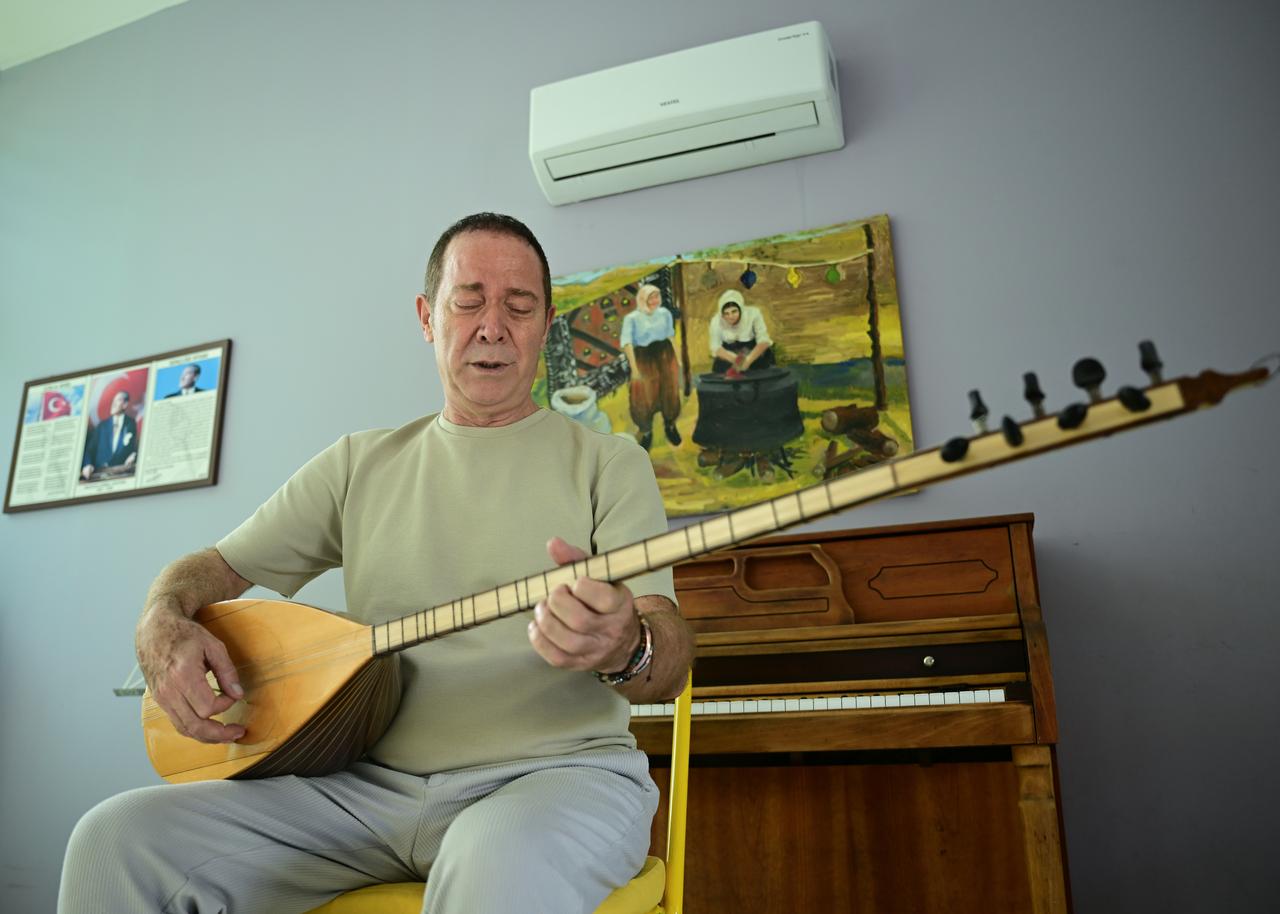
Saying he is happy to represent Türkiye at the festival in Sri Lanka, Ezgu said the event will bring different cultures together through music.
Noting that he will perform “Anadolu’dan Geldik” at the festival, Ezgu said: “Taking part in this festival, and presenting Türkiye there as a color of Asia-Pacific, especially with the piece ‘Anadolu’dan Geldik,’ made me very happy. We have completed the preparations.”
Ezgu said he has the 66-year-old cura of the late folk artist Ramazan Gungor from Fethiye, a district in Türkiye’s southwest: “I have the 66-year-old cura of the late folk artist Ramazan Gungor from Fethiye. I will play that three-stringed instrument at the festival too.”
He continued: “Ramazan Gungor used to call it a ‘kopuz.’ I will take an instrument from Anatolia to the geography it came from and play it there. This will also be a cultural fusion.”
Ezgu said he will continue to make every effort to promote cultural heritage.


 Set as preferred source
 Set as preferred source


 3 min read