Newsletters




Three works by British street artist Banksy have cost U.K. public institutions close to £150,000 ($203,000) in cleanup, security, and related expenses, according to figures obtained by the BBC through Freedom of Information requests. Officials expect the total to increase further as work on one of the pieces continues.
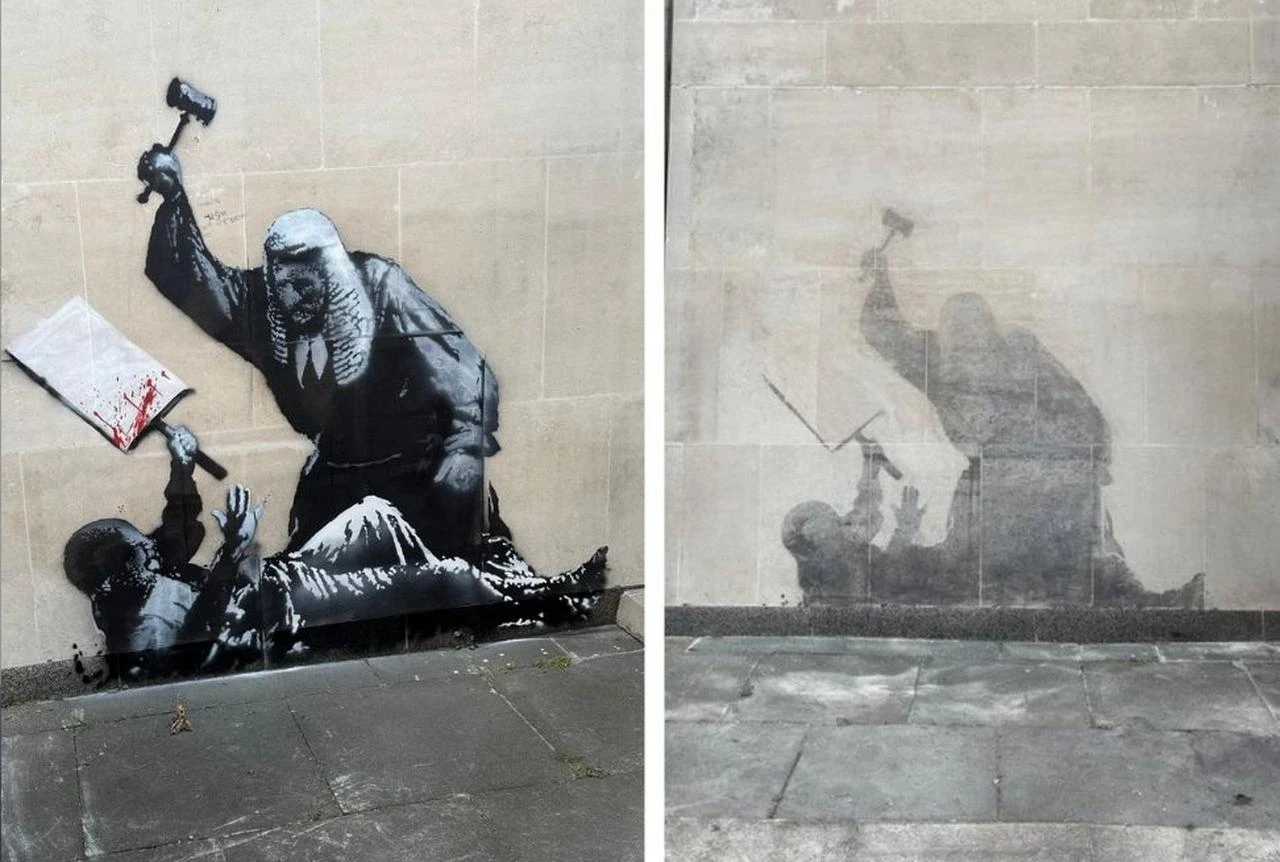
The largest single expense stems from a mural Banksy painted in September 2025 on the wall of the Royal Courts of Justice, a Grade II*-listed building on Carey Street in central London. The artwork depicted a wigged judge striking a protester with a gavel. Banksy confirmed the piece was his own by posting images of it on his website and Instagram account.
The U.K. Ministry of Justice said £50,000 has been spent trying to remove the paint from the building's wall. An additional £35,300 went toward overtime and security costs while the site was secured.
His Majesty's Courts and Tribunals Service said preserving the listed building's original character is a legal obligation. Initial attempts to remove the mural using conventional methods were unsuccessful, prompting contractors to turn to laser technology.
Westminster City Council said it will inspect the wall and may apply a different removal method if the laser treatment proves insufficient; as a last resort, the affected stone section could be removed and replaced entirely.
A separate application has been filed to install railings along the wall where the mural appeared. The cost of that installation, if approved, has not yet been disclosed.

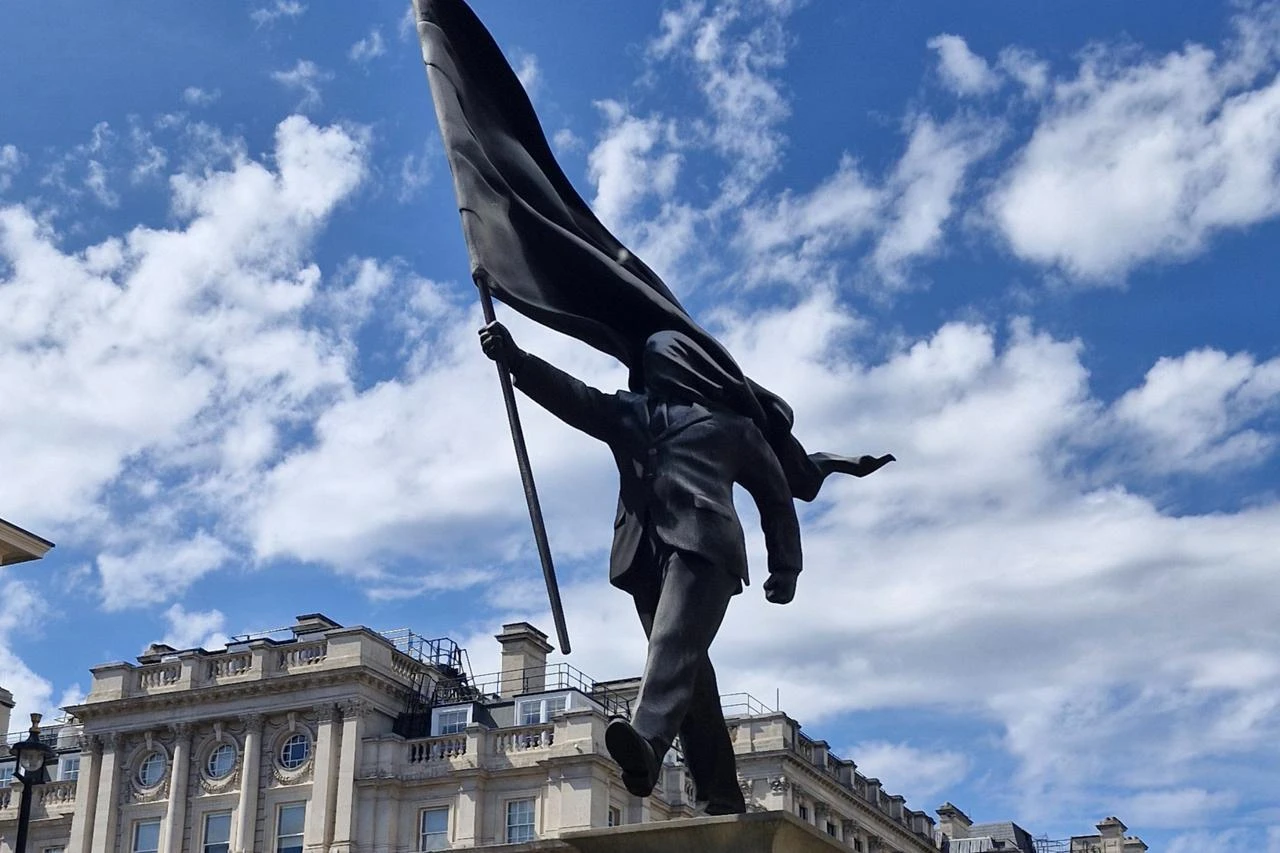
A Banksy sculpture installed in April at Waterloo Place, near Trafalgar Square in central London, has cost Westminster City Council roughly £60,000.
The work depicts a man carrying a flag that obscures his face, appearing to step off its plinth as though about to fall. Banksy claimed the piece by posting a video on Instagram showing it being installed overnight.
The council said it had no advance knowledge of the sculpture's installation. It spent the sum on security barriers, administrative processing, and hiring a guard to monitor the piece.
Responding to the BBC's Freedom of Information request, the council said ownership of the sculpture now rests with the local authority as the landowner and that it has informed the artist's representative it is weighing short-, medium- and long-term options for the work. The BBC sought further clarification but had not received a response at the time of its report.
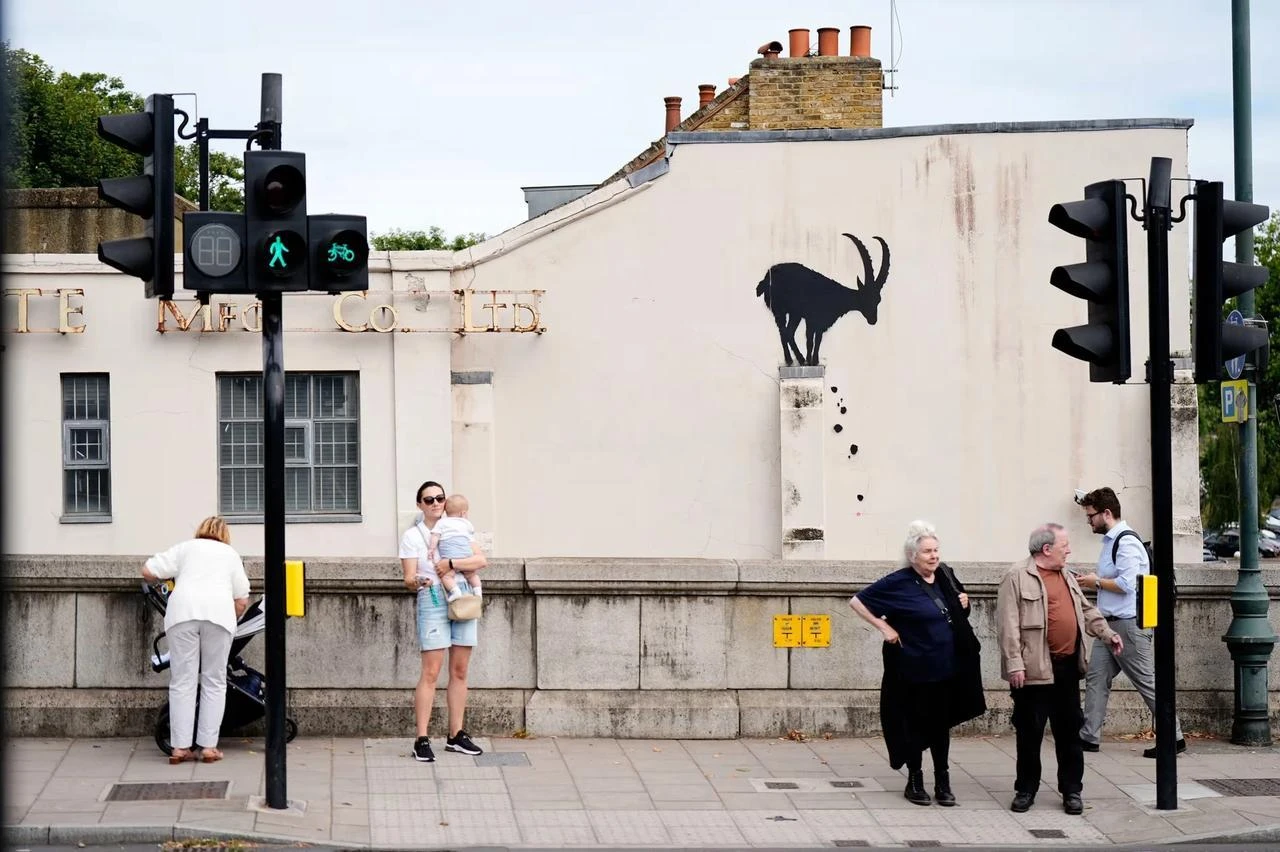
A third work, painted in August 2024, targeted a City of London Police sentry box featuring a piranha design. The booth had been installed in the 1990s as part of security measures introduced after IRA attacks on London's financial district. Following Banksy's intervention, the booth was removed at a cost of £2,200 and was not reinstalled. It is now in storage and is expected to go on display at the London Museum when it reopens in November.
 2 min read

The disclosed costs have reignited debate over whether Banksy's public works constitute art or vandalism. Conservative politician Nick Timothy said it was unacceptable for taxpayer money to fund the cleanup, arguing courts are national symbols of justice and the rule of law and that Banksy should bear the costs himself.
Art critic Estelle Lovatt defended the artist's work, pointing to its contribution to tourism and its accessibility compared with gallery admission fees.
Banksy emerged from Bristol's graffiti scene in the 1990s, a city in southwest England, and has since become one of the world's most recognized street artists. His works have sold at auction for more than £18 million.


 Set as preferred source
 Set as preferred source



 1 min read