Newsletters


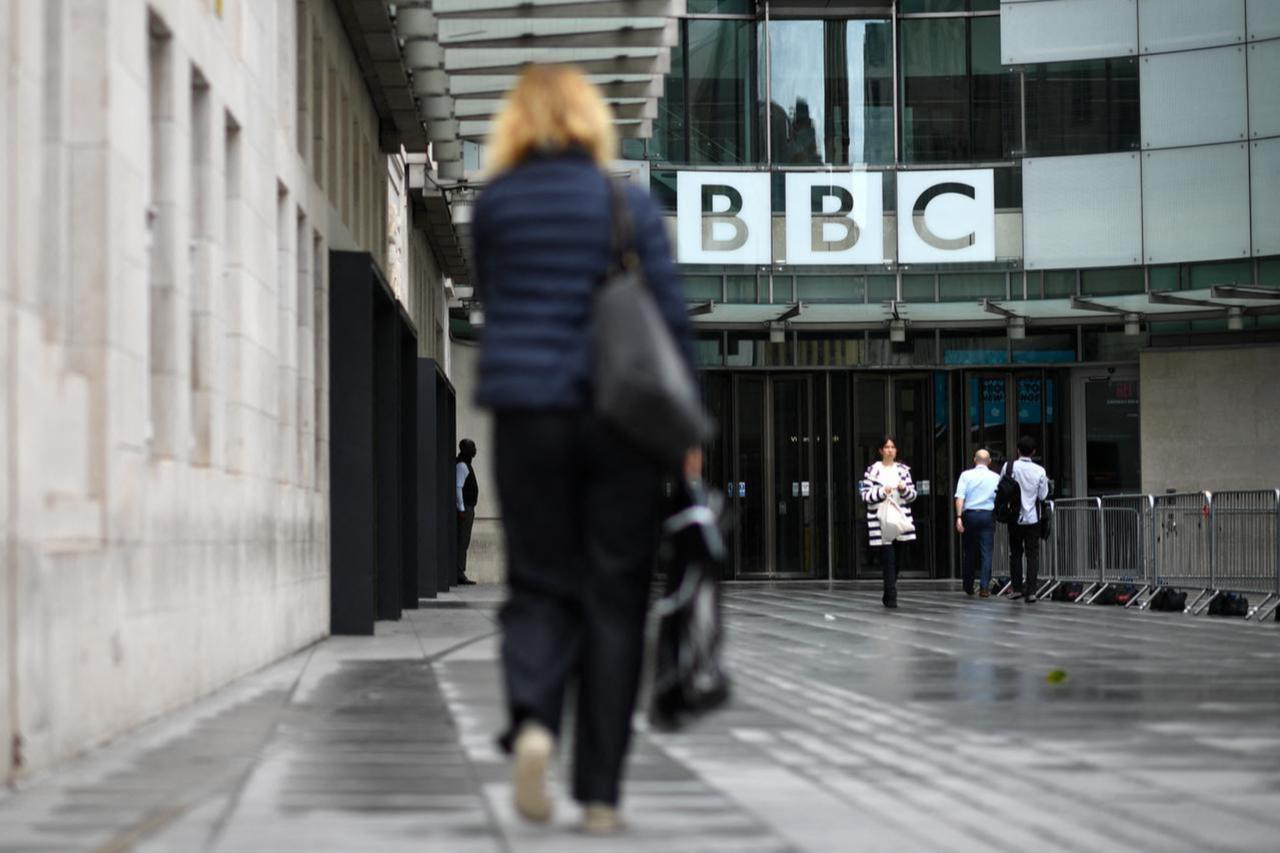


The British Broadcasting Corporation (BBC) breached its own editorial standards by broadcasting a highly offensive racial slur during the 2026 BAFTA Film Awards on Feb. 22.
An internal investigation by the Executive Complaints Unit confirmed the breach on Wednesday and labeled the network's delayed response a serious mistake.
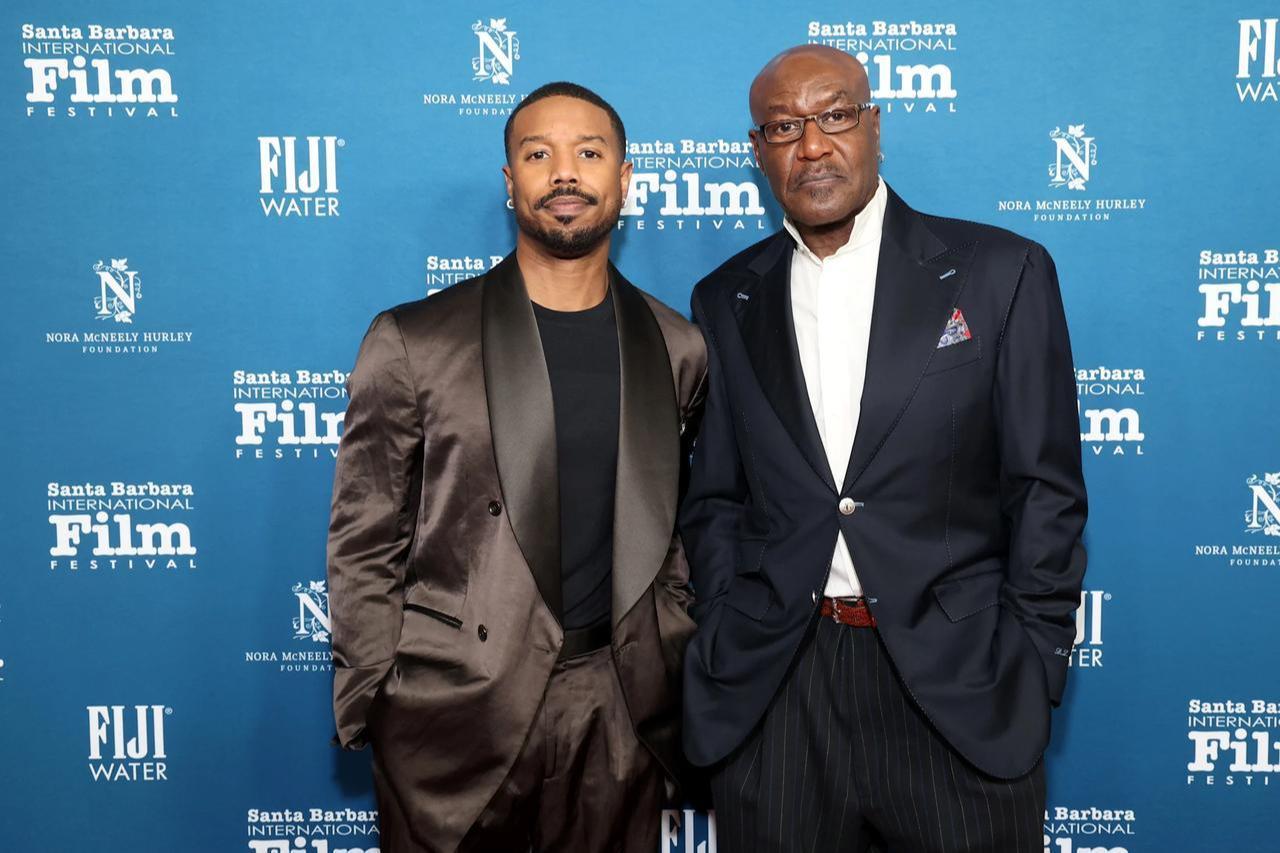
John Davidson shouted the N-word from the audience during an award presentation by actors Michael B. Jordan and Delroy Lindo. Davidson serves as an executive producer for the BAFTA-nominated film "I Swear" and actively campaigns for Tourette syndrome awareness.
He later released a statement to the PA news agency to address the outburst and attributed the slur to an involuntary tic.
"I am, and always have been, deeply mortified if anyone considers my involuntary tics to be intentional or to carry any meaning," Davidson said.
The British Academy of Film and Television Arts took full responsibility for the disruption and issued a formal apology to Jordan, Lindo, and all impacted individuals.
"We take full responsibility for putting our guests in a very difficult situation, and we apologise to all," BAFTA stated.

The BBC broadcast the ceremony on a two-hour time delay but still failed to edit the slur from the initial television transmission.
The investigation report highlighted staff confusion regarding the audibility of the word. Production workers successfully recognized and removed a second occurrence of the slur 10 minutes later. The report concluded that the team applied editorial protocols in one instance but ignored them in the first.
The broadcaster then waited until approximately 9:30 a.m. the following day to pull the recording from its streaming service.
"This delay was a serious mistake, because there could be no certainty that the word would be inaudible to all viewers," the ECU report stated.
The BBC chief content officer sent apology letters to Lindo, Jordan, and Davidson. Outgoing BBC Director-General Tim Davie ordered the fast-tracked investigation and stated the network profoundly regrets the mistake.
Davidson spoke to Variety magazine following the ceremony to express his disappointment and noted his expectation that the BBC would physically control the sound.

This incident represents merely the latest operational failure in a growing pattern of selective editorial control at the BBC.
In March 2024, the broadcaster's director of editorial policy, David Jordan, admitted to lawmakers that the network made a mistake in its coverage of the genocide case against Israel at the International Court of Justice.
The BBC aired the entire Israeli defense live in the U.K., but only showed portions of the arguments presented by South Africa.
"It was genuinely a difficult editorial decision about which hearing they went with," Jordan explained, further noting that the news team recognized the need for potential adjustments, stating, "News have said that if they thought about it again, they might have done it differently."
The network previously removed the phrase "free Palestine" from the BAFTA acceptance speech of Outstanding Debut winner Akinola Davies Jr. The complaints unit claimed editors cut the speech solely to fit the two-hour transmission slot and argued the removal did not hinge on impartiality considerations.
In another incident, staff failed to terminate a livestream during the 2025 Glastonbury Festival after the frontman of punk-rap duo Bob Vylan led the crowd in an anti-Israel chant. The BBC quickly apologized for that broadcast and stopped live-broadcasting musical performances it considered high risk.
These censorship controversies follow major leadership changes at the organization. Tim Davie resigned in November 2025 over the deceptive editing of a documentary about US President Donald Trump and officially left the BBC last week.
Trump filed a $10 billion defamation lawsuit against the broadcaster. The lawsuit alleges the "Panorama" program manipulated his Jan. 6, 2021, speech to make it appear he explicitly urged supporters to attack the Capitol.


 Set as preferred source
 Set as preferred source



 3 min read