Newsletters


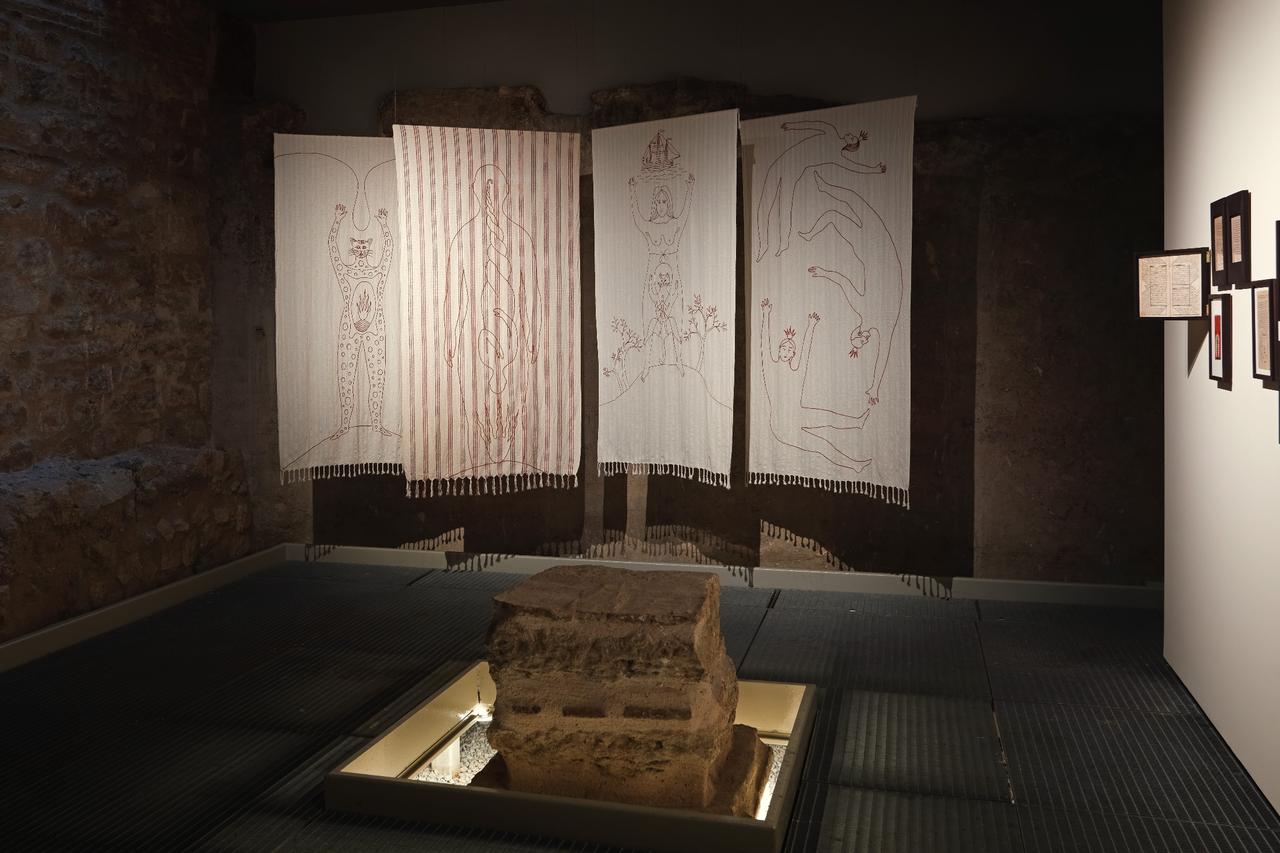


Brazilian artist Alex Cerveny has opened his first solo exhibition in Türkiye at the Byzantine Cistern of Zeyrek Cinili Hamam in Istanbul, bringing together more than 30 works that explore connections between astronomy, cities, architecture and the human body.
Curated by Anlam de Coster, "Atlas of Encounters" combines new works developed through Cerveny's research in Istanbul with previously unseen pieces produced during his first visit to Türkiye. The exhibition will remain open until Jan. 31, 2027.
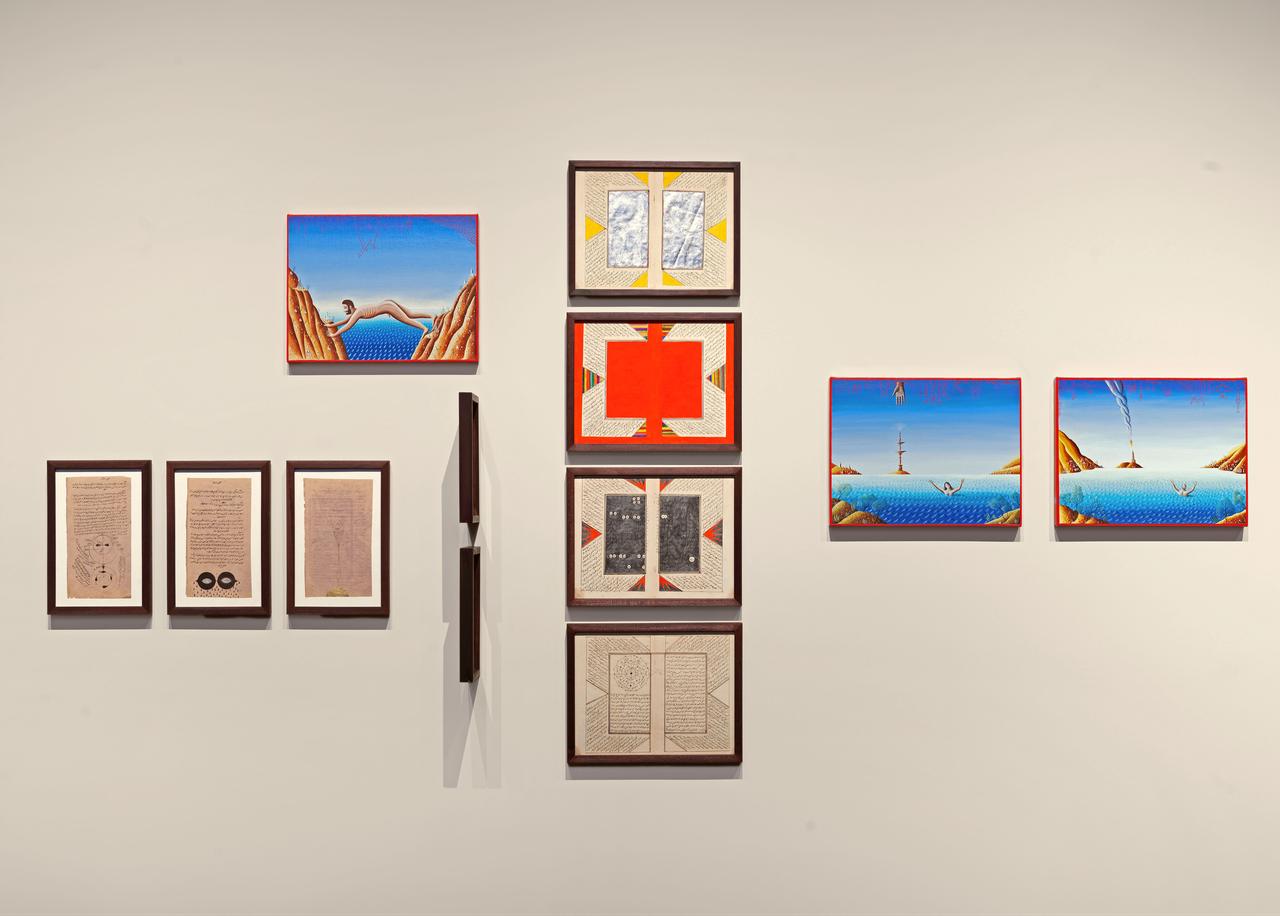
The selection ranges from paintings on canvas and a parchment sculpture to interventions on historical astronomy treatises and engravings of Istanbul, as well as installations using embroidered peshtemals, the traditional lightweight towels commonly associated with Turkish baths.
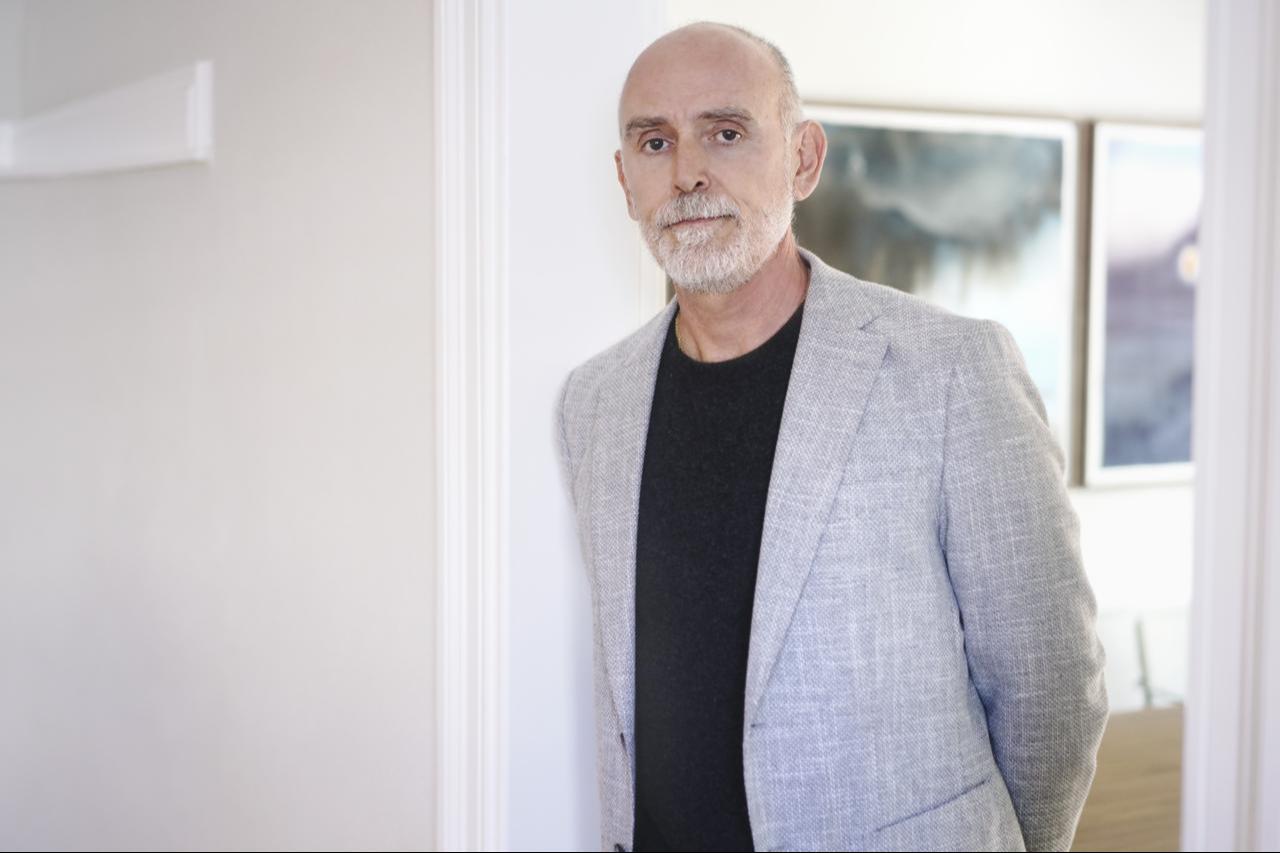

Cerveny said the exhibition grew out of an invitation from Zeyrek Cinili Hamam and took shape through the research he carried out during his stay in Istanbul.
"Atlas of Encounters consists of new works that emerged during the time I spent here. This is my first trip to Türkiye. I am extremely happy to have the opportunity to exhibit works inspired by this place that have never been shown before," he said.
He explained that works in different styles and formats had been placed throughout the historic cistern almost like pages opening up across a book, describing the venue as an ideal setting for bringing together his ideas.
Among the new pieces are drawings and paintings inspired by the Bosphorus, the waterway running through Istanbul and separating the city's European and Asian sides.
Cerveny also worked on facsimiles from his private collection of two Istanbul engravings included in Dutch painter and traveler Cornelis de Bruyn's "Voyage Au Levant," adding new drawings that reflect his engagement with the city.
The exhibition additionally features three new oil paintings centered on the Bosphorus and incorporating symbols and calligraphic elements that Cerveny described as characteristic of his work.
Anlam de Coster, artistic director of Cinili Hamam and curator of the exhibition, said the venue hosts international artists who have not previously held exhibitions in Türkiye twice a year, with Cerveny selected for its autumn program.
According to de Coster, Cerveny's work forms a natural connection with the traces of the hamam and the Byzantine artistic world, while Istanbul's changing faces across different periods merge with the artist's autobiographical imagery.
She said Cerveny approaches historical documents not as fixed containers of information but as open structures capable of holding different systems of knowledge at the same time.
Astronomical diagrams, manuscripts and urban records are consequently brought together in compositions where scientific knowledge overlaps with personal memory and imagination, while the exhibition's focus on astronomy and the sea also ties into the history of Zeyrek Cinili Hamam.


 Set as preferred source
 Set as preferred source


 1 min read