Newsletters


Ahmed Cununi Dede, the Mesnevihan (a specialist who recites and interprets Rumi’s Masnavi) of the Baghdad Mevlevi lodge, is said to have headed back from Baghdad to Rum after 1610, wanting to spend his old age in his homeland and in the places where he first studied, Konya and Karaman. His return story later gets tied to Bursa, even though he was living in Konya when the decisive conversation took place.
Cununi Dede is remembered as having brought back not only belongings, but also a dream he had seen in Baghdad. In the dream, a rose is placed in his hand, yet he cannot smell it, until a voice tells him: “Bu gul-i sadab-i gulbin-i behcetin semmesi sana Burusa’da resa olur.” The meaning is given plainly: The rose’s fragrance would be granted to him in Bursa.
Years later, while Cununi was still based in Konya, a discussion with Ebubekir Celebi turns the dream into a practical idea. Ebubekir Celebi brings up the need to put up a Mevlevihane (a Mevlevi dervish lodge) in Bursa and suggests Cununi could take it on, but Cununi initially tries to get out of it by pointing to his age.
When Cununi pays a farewell visit before leaving for Larende (Karaman), he hears a sharper line: That it seems odd for a place known as “burc-i evliya” (a phrase used for a city associated with saints) to have no Mevlevihane. With that reminder, and with the old dream coming back to him, Cununi accepts the task.
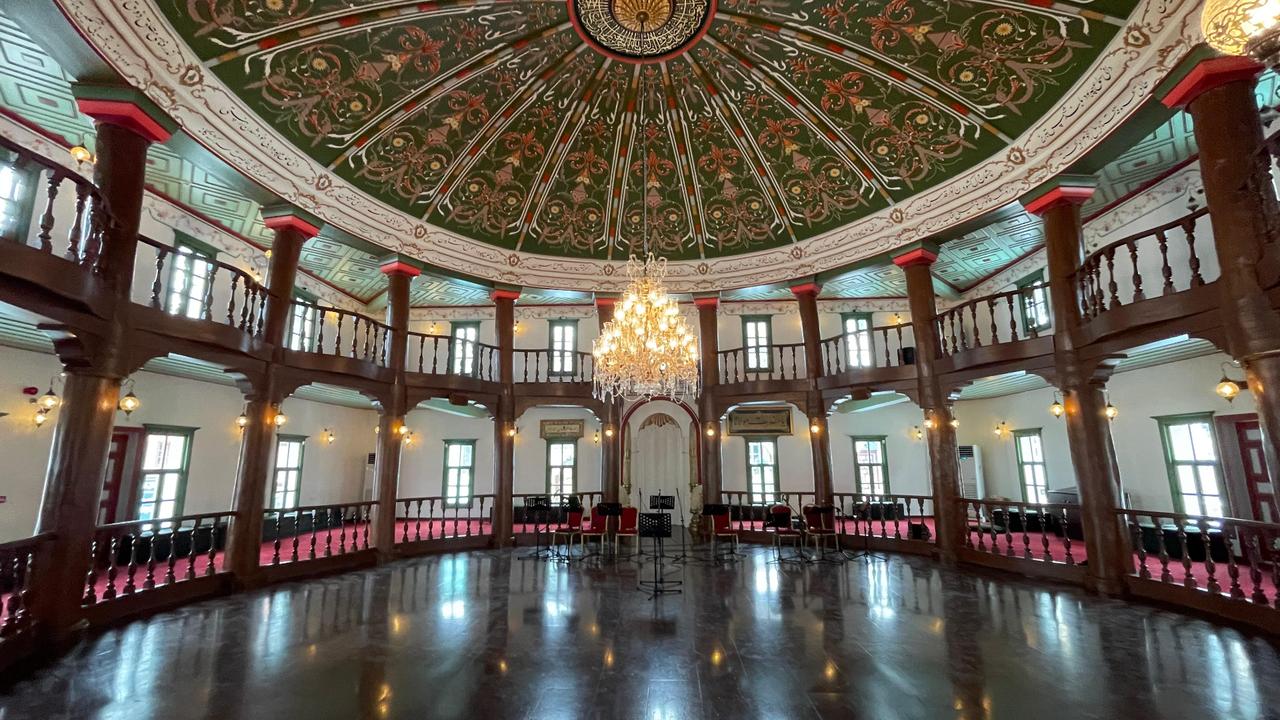
According to historical sources, Edirne Mevlevihane is presented as the first Ottoman Mevlevihane (1439), linked to a dream attributed to Sultan Murad II. As for Bursa, one line of reasoning suggests there may have been no Mevlevihane before the early 17th century, yet the sources also flags uncertainty, citing archival-based claims that an earlier Mevlevi lodge was founded near the baths area in 1514 and later expanded by Divane Mehmed Celebi.
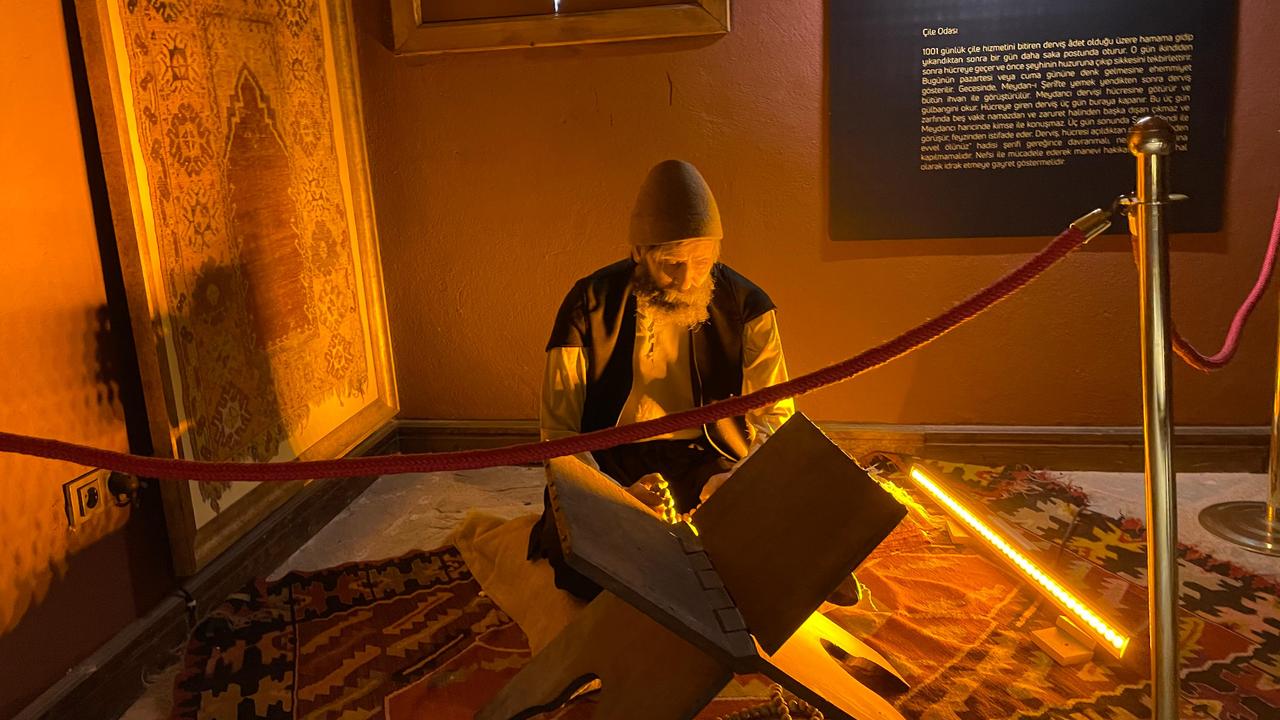
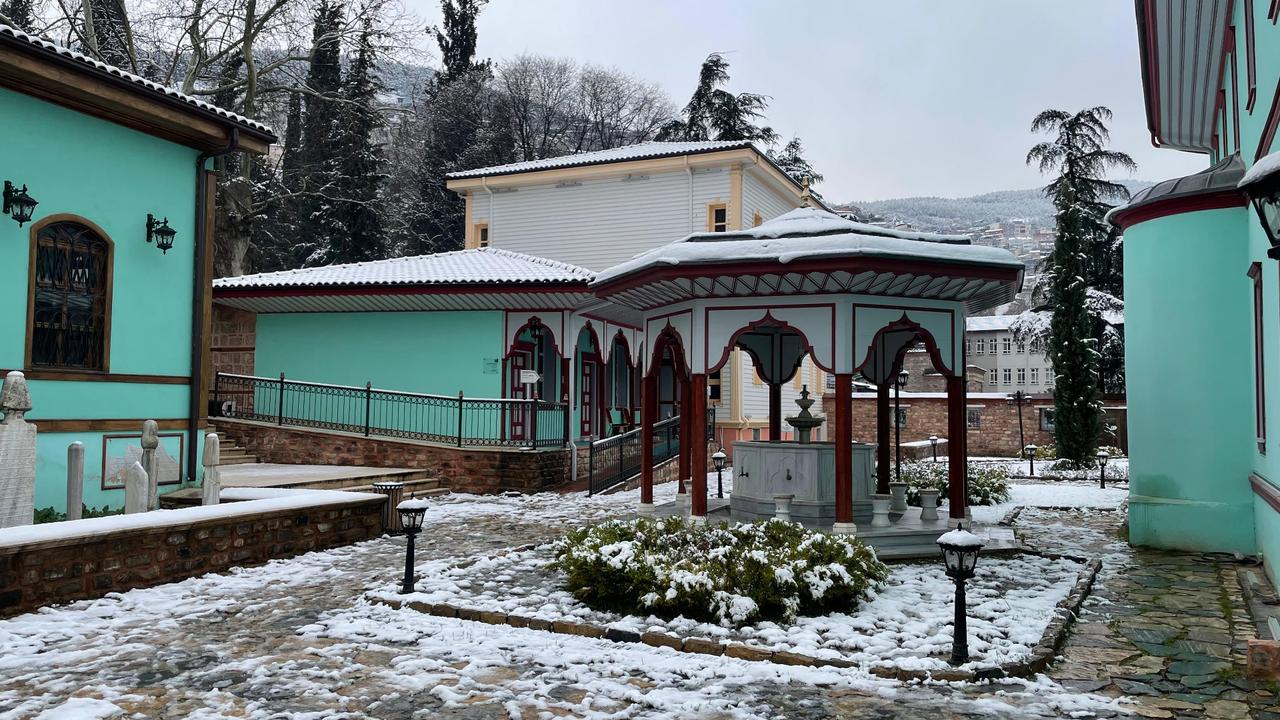
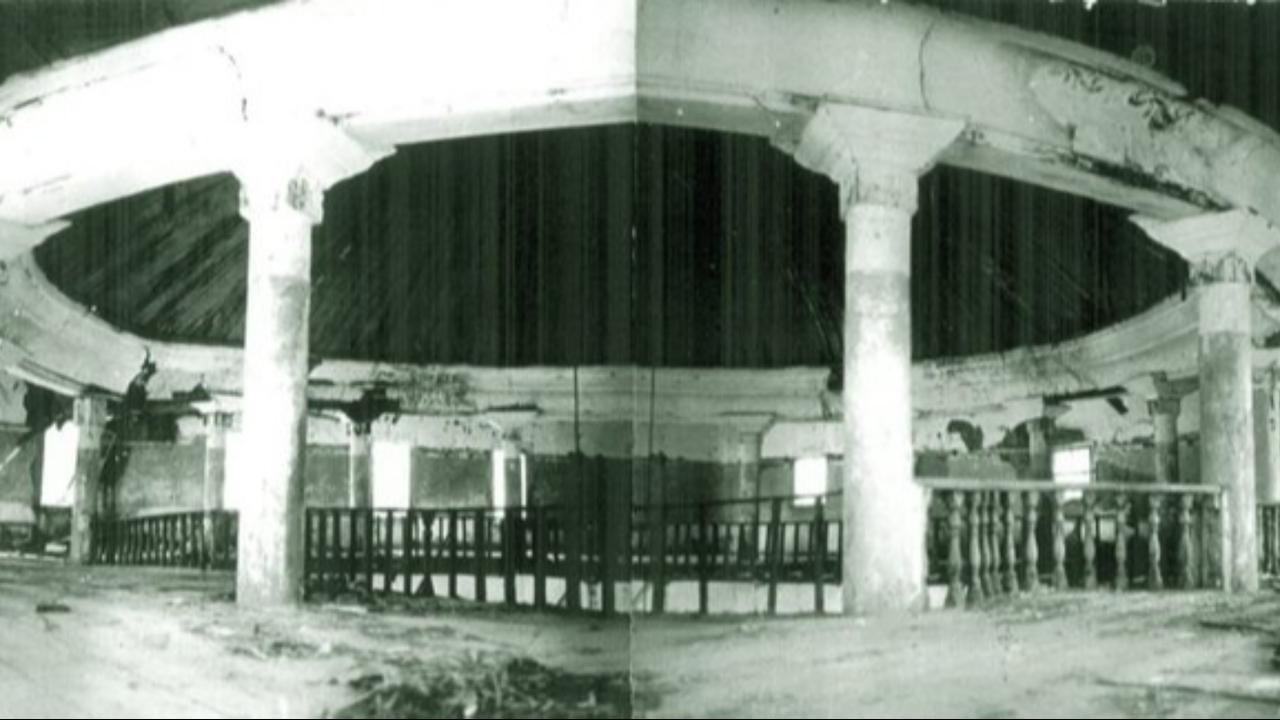
Cununi Dede’s Bursa project is described as different in scale and purpose: large enough for dervishes to go through the traditional 1001-day seclusion discipline while living with the dedegan (the senior dervish cadre). The complex is laid out in detail, with tombs and kitchen to one side, dervish rooms and the sheikh’s and harem quarters to the other, a relatively large semahane (the hall for the sema ceremony), plus rooms such as a meydan room, and a hunkar suite later associated with Sultan Abdulmecid’s rest.
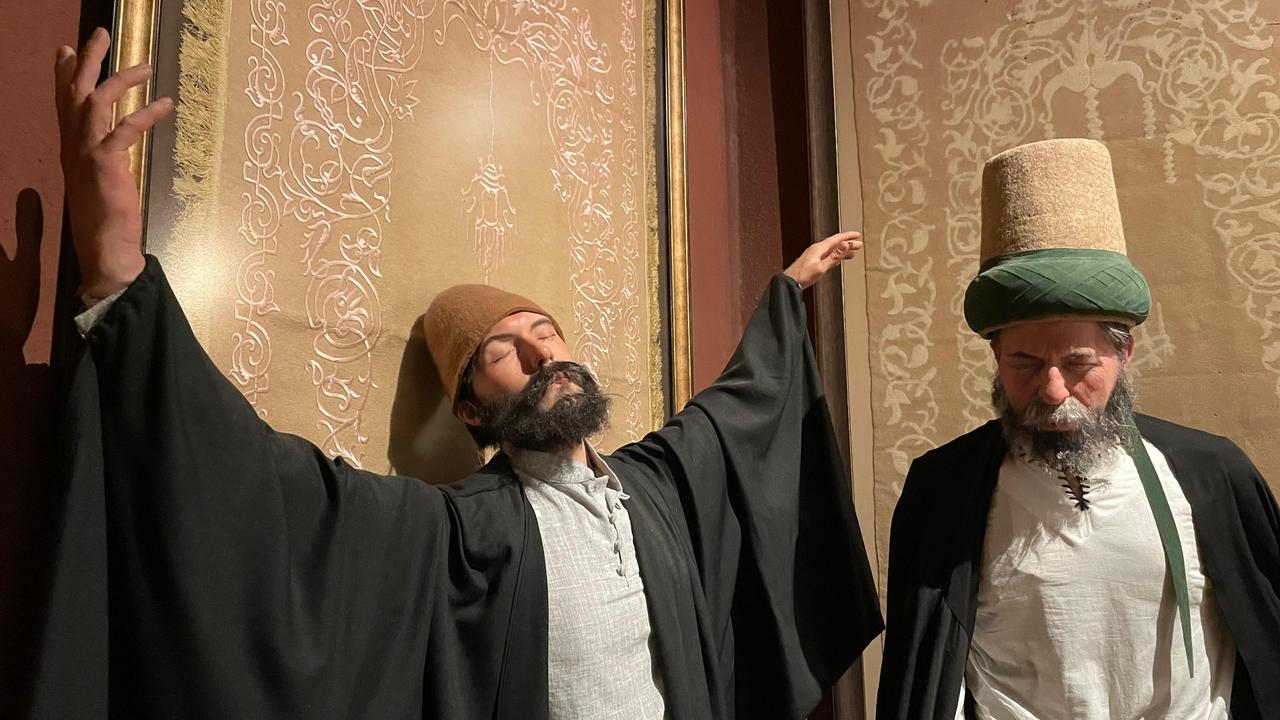
Sakib Dede records that when Cununi first came to Bursa he stayed at an old Mevlevi zaviye (a smaller Sufi lodge) near the Great Mosque area, before moving on to the Sheikh Yakup Efendi lodge in Setbasi. Court registers are then cited for a key step: In 1611, Sultan Ahmed I ordered that a Mevlevihane be built using 100,000 akce from Bursa revenues, and the dervishes moved into the completed lodge in 1615, at a site described as adjacent to Yerkapi, near Pinarbasi.
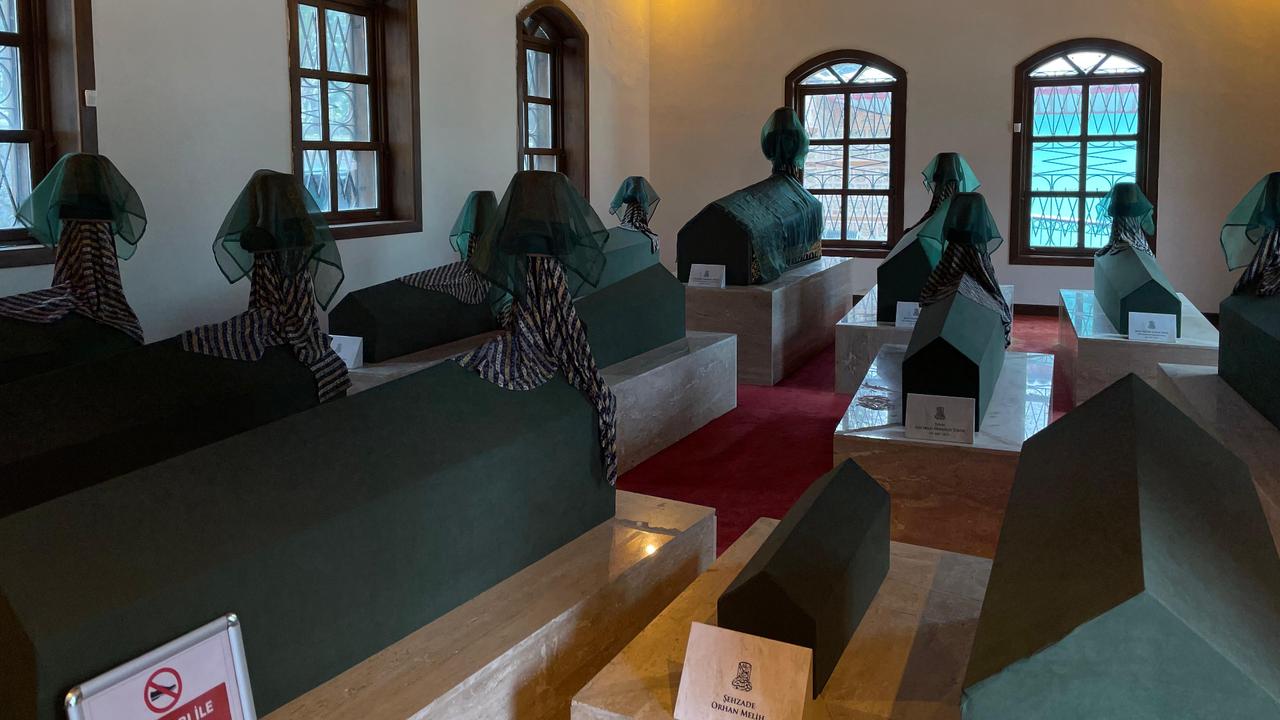
Sakib Dede is also used to explain Cununi’s pen name, tying it to “junun,” a term glossed as a state associated with losing one’s rational control and, in Sufi usage, with the early stage of dervishhood and the final stage of ecstatic “sekr.” Cununi Dede died in 1620 and was buried in the lodge’s tomb area with later postnishins (resident sheikhs), except for the final postnishin, Mehmed Shemseddin Dede, who was buried elsewhere after the 1925 closure of tekkes and zaviyes; his grave was later reported looted in 2023.
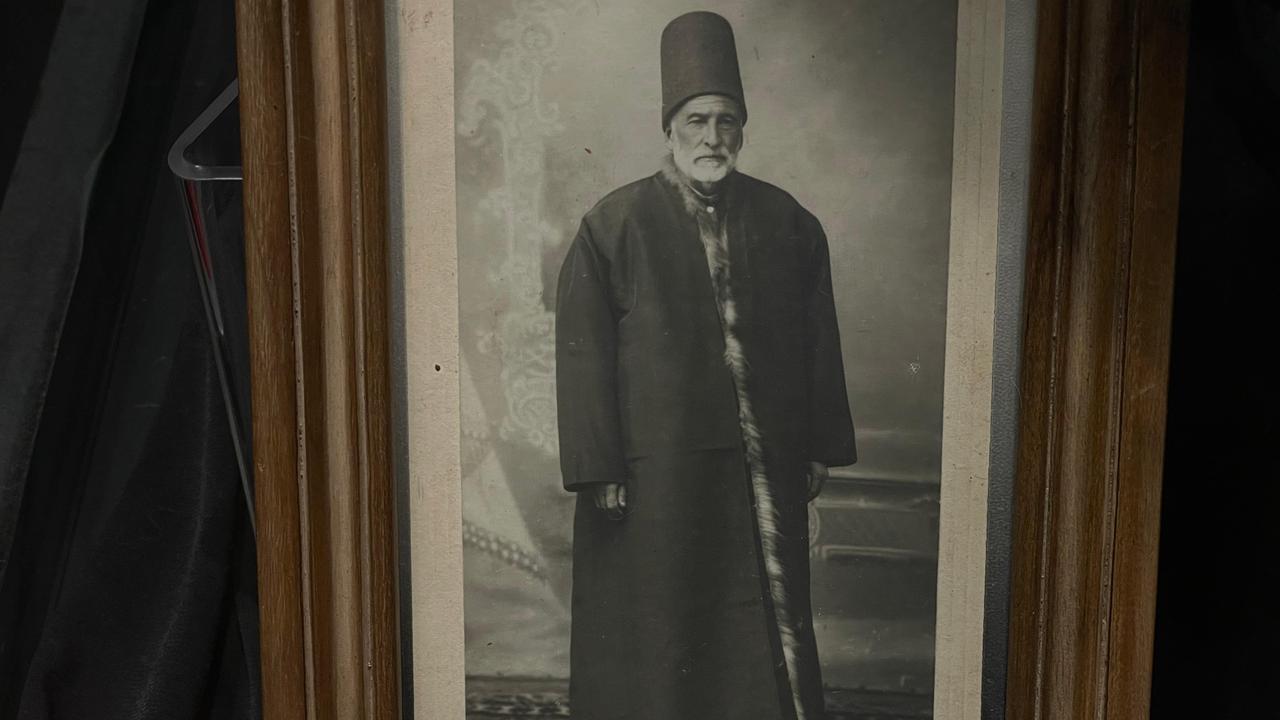
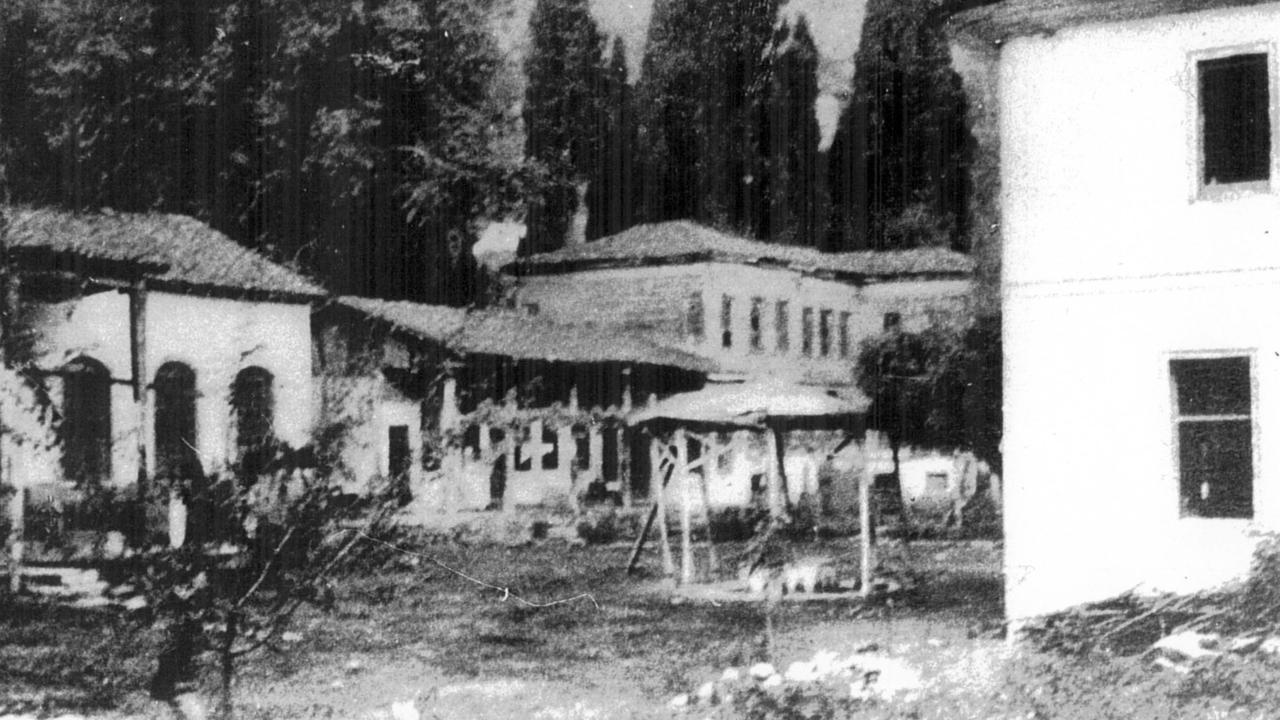
The lodge’s later history is presented through a sequence of uses and damage, including Albert Gabriel’s note, made 330 years after Cununi’s death, that it served as lodging for migrants, and the municipality’s demolition of remaining buildings in 1953, before a major reconstruction in the last decade based on old photos and plans.
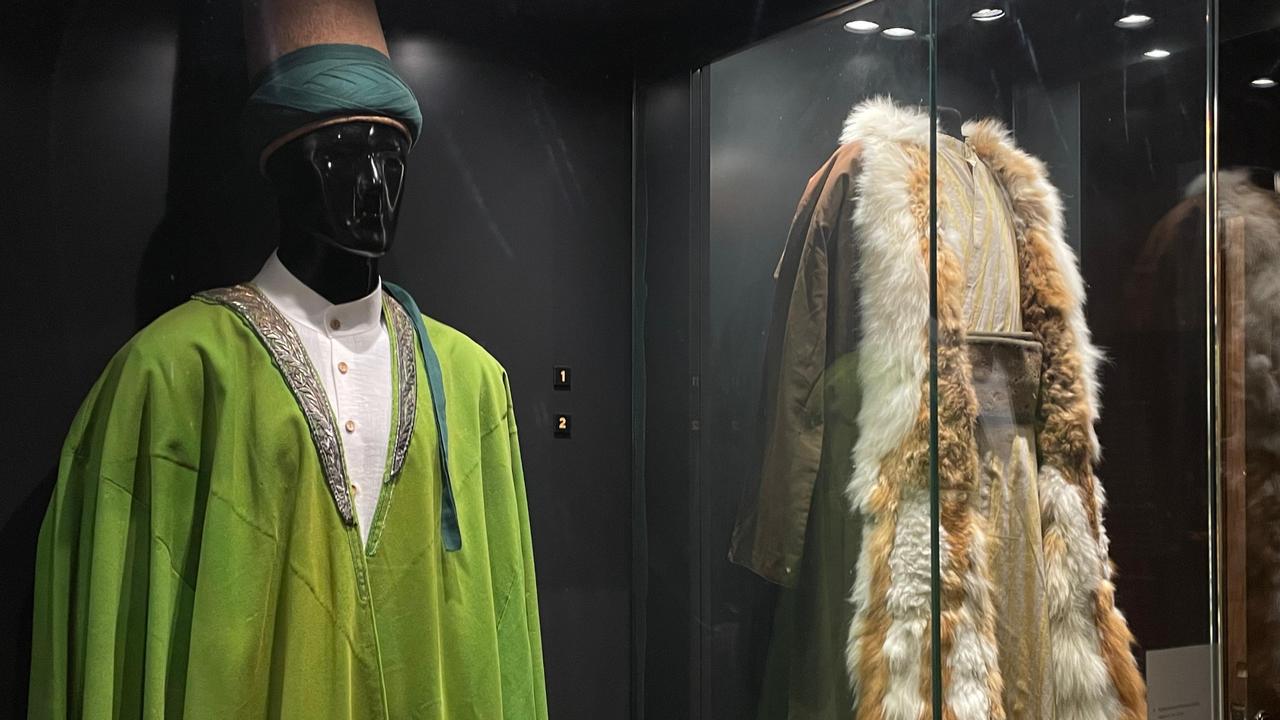
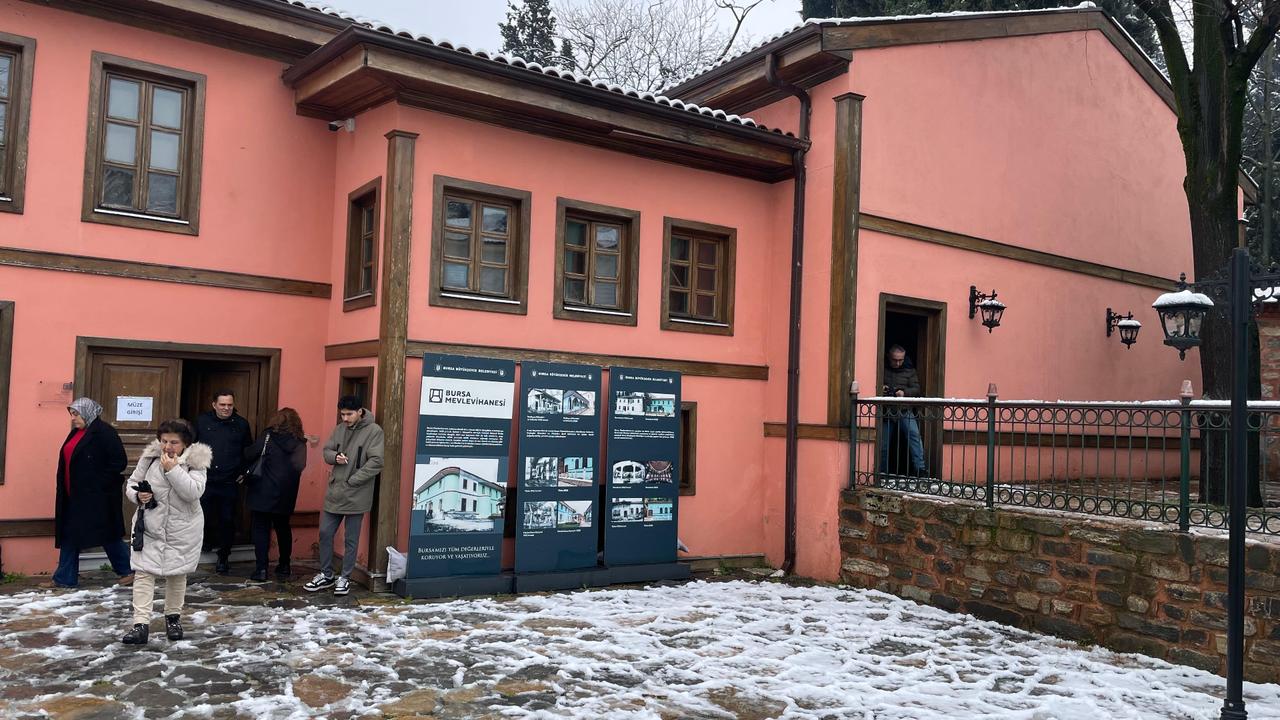
Founded in 1615 by Cununi Ahmed Dede under the order of Ottoman Sultan Ahmed I, the Bursa Mevlevi Lodge, closed by law in 1925 and later abandoned, with much of it falling into ruin , has been restored to its original grandeur by the Bursa Metropolitan Municipality and reopened as both a museum and a Mevlevi lodge following a comprehensive restoration completed in 2023.

 1 min read
 1 min read
 3 min read


 Set as preferred source