

 Newsletters


Turkiye's Culture and Tourism Ministry has completed new lighting projects at four sites in Cappadocia, making the region's characteristic rock formations visible after dark for the first time under a coordinated system.
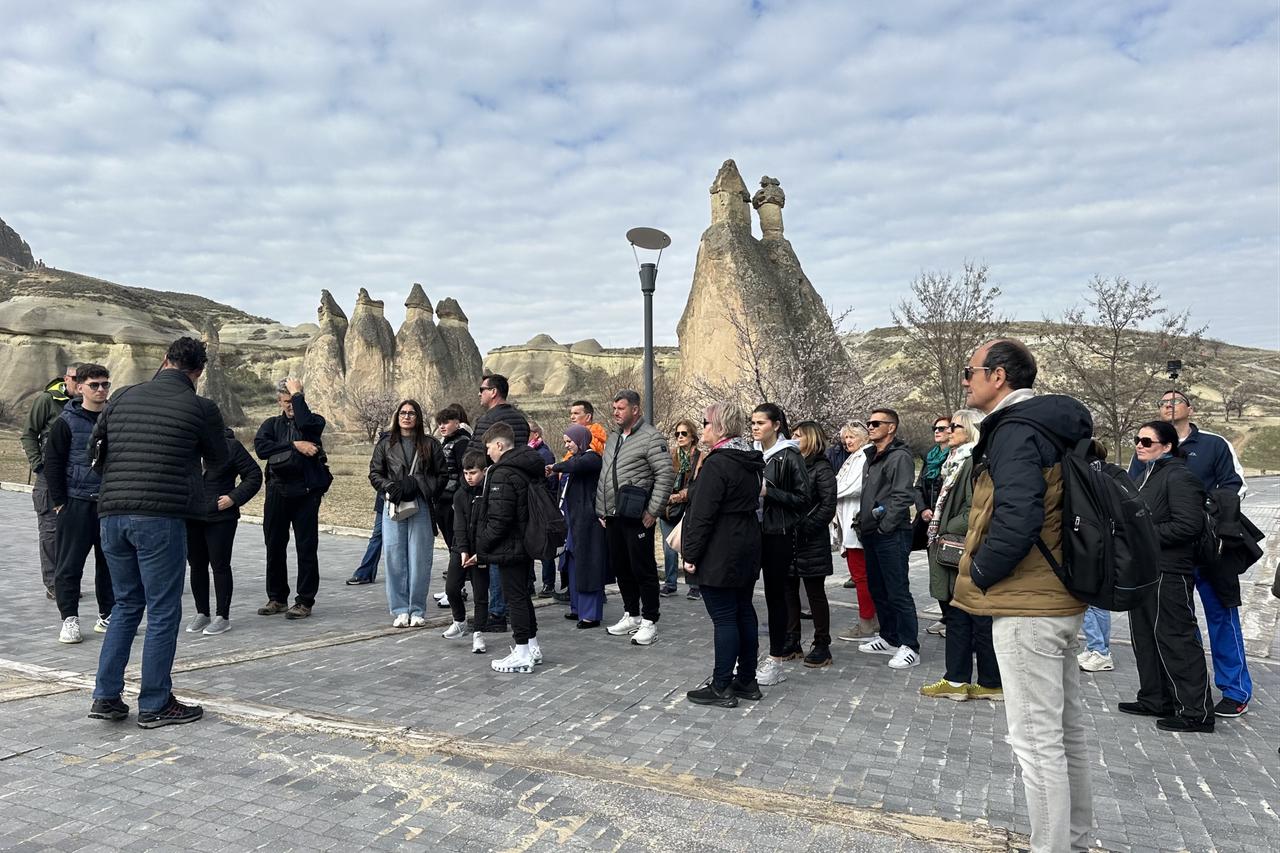
The projects cover the Goreme Open Air Museum, Pasabaglari Historical Site, Zelve Open Air Museum and Erdemli Valley, according to Culture and Tourism Minister Mehmet Nuri Ersoy.
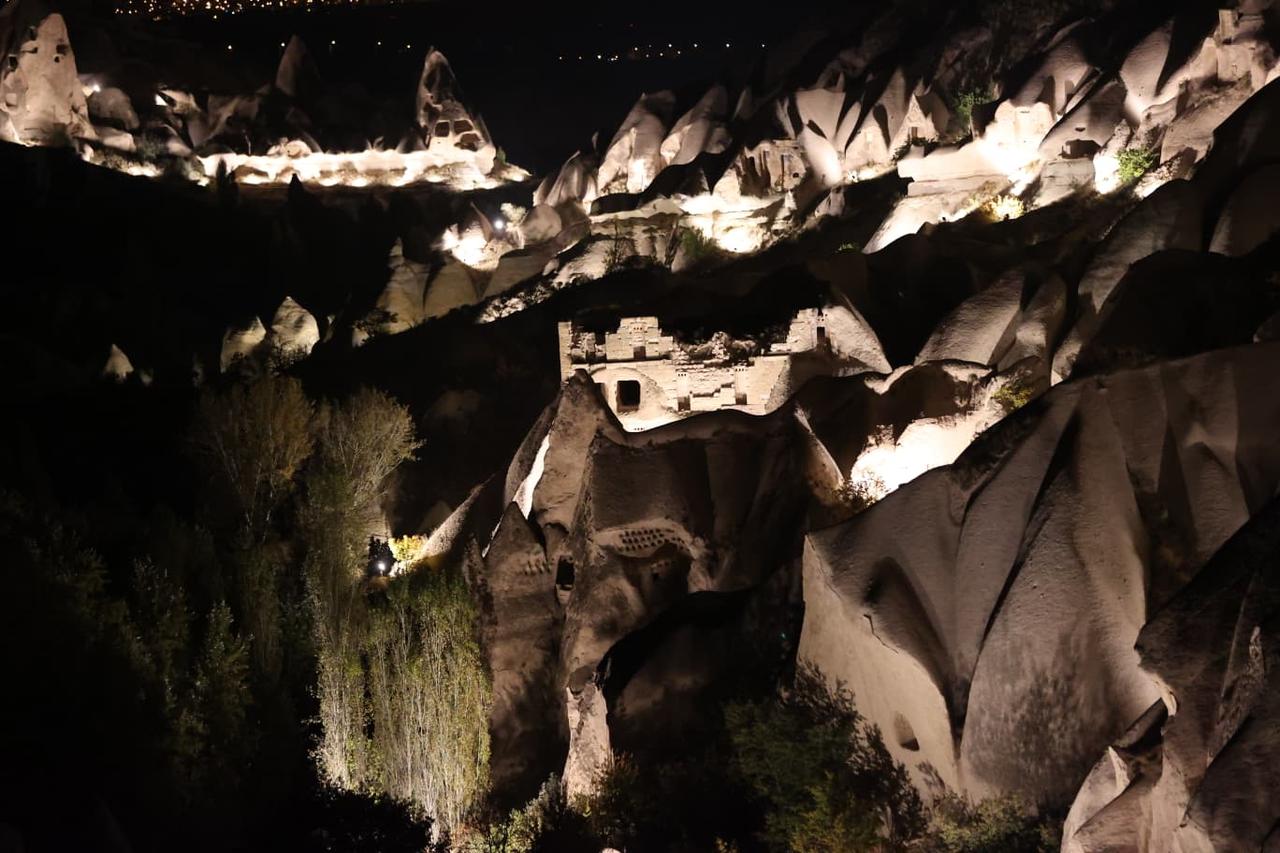

"We are bringing Cappadocia's unique natural and cultural heritage together with our visitors during nighttime hours as well," Ersoy said in a social media post announcing the initiative.
The ministry said a total of 692 lighting fixtures were installed across the four locations: 214 at Goreme Open Air Museum, 238 at Pasabaglari, 135 at Zelve Open Air Museum and 105 at Erdemli Valley. The Cappadocia Area Directorate carried out the work, which began at the Goreme site and later expanded to the other three locations.
A separate light and image projection system was also installed at the sites, presenting Cappadocia's historical and natural heritage through a new visual format for visitors.
Officials said the projects were designed around energy efficiency, environmental sustainability, reduced light pollution and preservation of the sites' natural rock textures and cultural identity. The ministry described the work as part of a broader night-museum strategy it has pursued in recent years, aimed at making Cappadocia safely and comfortably accessible after sunset.
 1 min read
The lighting initiative comes as Cappadocia's tourism sector continues to expand. The region's museums and archaeological sites welcomed 4,523,275 visitors in 2025, up from 4,374,019 in 2024, according to Nevsehir Governor Ali Fidan and data from the Culture and Tourism Ministry.
The Goreme Open Air Museum was the most visited site in the region, drawing 1,186,332 visitors, followed by Pasabaglari with 907,345, Kaymakli Underground City with 688,417 and Derinkuyu Underground City with 547,417.
Cappadocia's 883 accommodation establishments, offering 15,688 rooms and 32,037 beds, hosted 2,020,619 guests in 2025. The largest shares of international visitors came from China, Spain, the United States, South Korea, Italy, Japan, Taiwan, Russia, Germany and Brazil.
Fidan said the region's tourism sites recorded 178,948 visitors in January 2026 alone, pointing to continued growth momentum into the new year.


 Set as preferred source
 Set as preferred source


 1 min read


