Newsletters




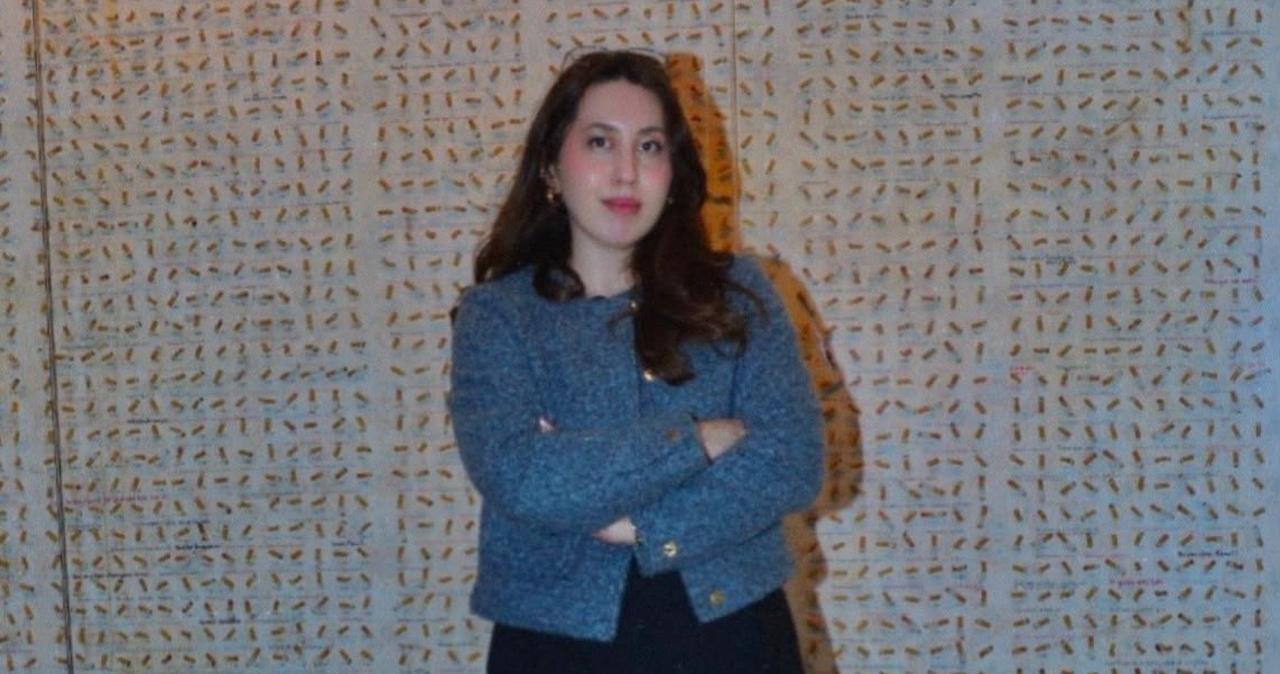
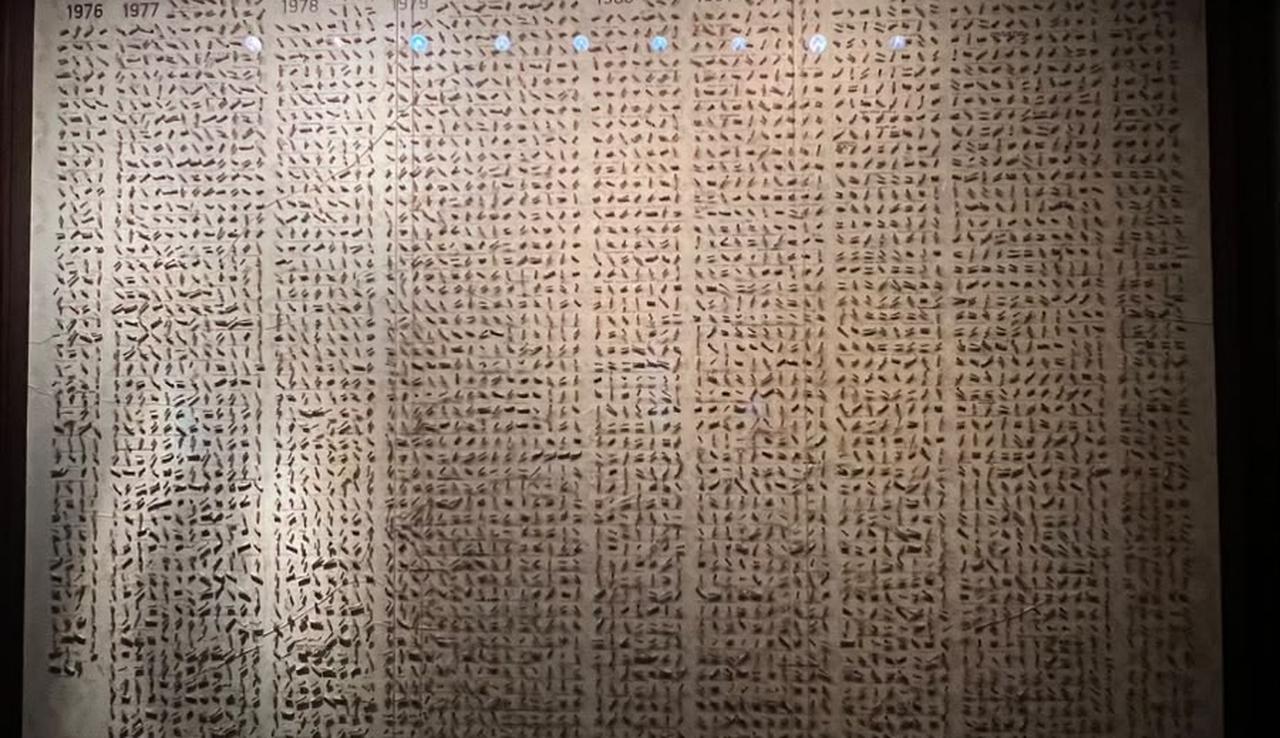
Behind glass near the entrance of Istanbul's Museum of Innocence are 4,213 cigarette butts. In Orhan Pamuk's novel, they were smoked by Fusun and collected by Kemal, the man who spends years unable to let her go. Some carry traces of lipstick. Handwritten notes attach moments and emotions to something normally crushed into an ashtray and forgotten.
On my second visit, the display was again the place where people stopped. Nearly every visitor I interviewed mentioned the cigarettes. But farther inside, where the house feels like a fantasy and a step back in time, it was not only Fusun's imagined life that felt familiar. Tea glasses, bottles, photographs, and advertisements produced the strange sensation that I had seen them somewhere before: in old films, in other people's homes, perhaps in some Istanbul I knew without having lived through it.
Cigdem, a Turkish visitor, described a similar experience. She had wanted to visit the museum since watching the Netflix adaptation of Pamuk’s titular novel about a year earlier.
"I remembered my childhood when I walked into the museum," she said, pointing to simit, bottles of liquor, and tea glasses that reminded her of home.
The people behind the glass are fictional. The recognition is not.
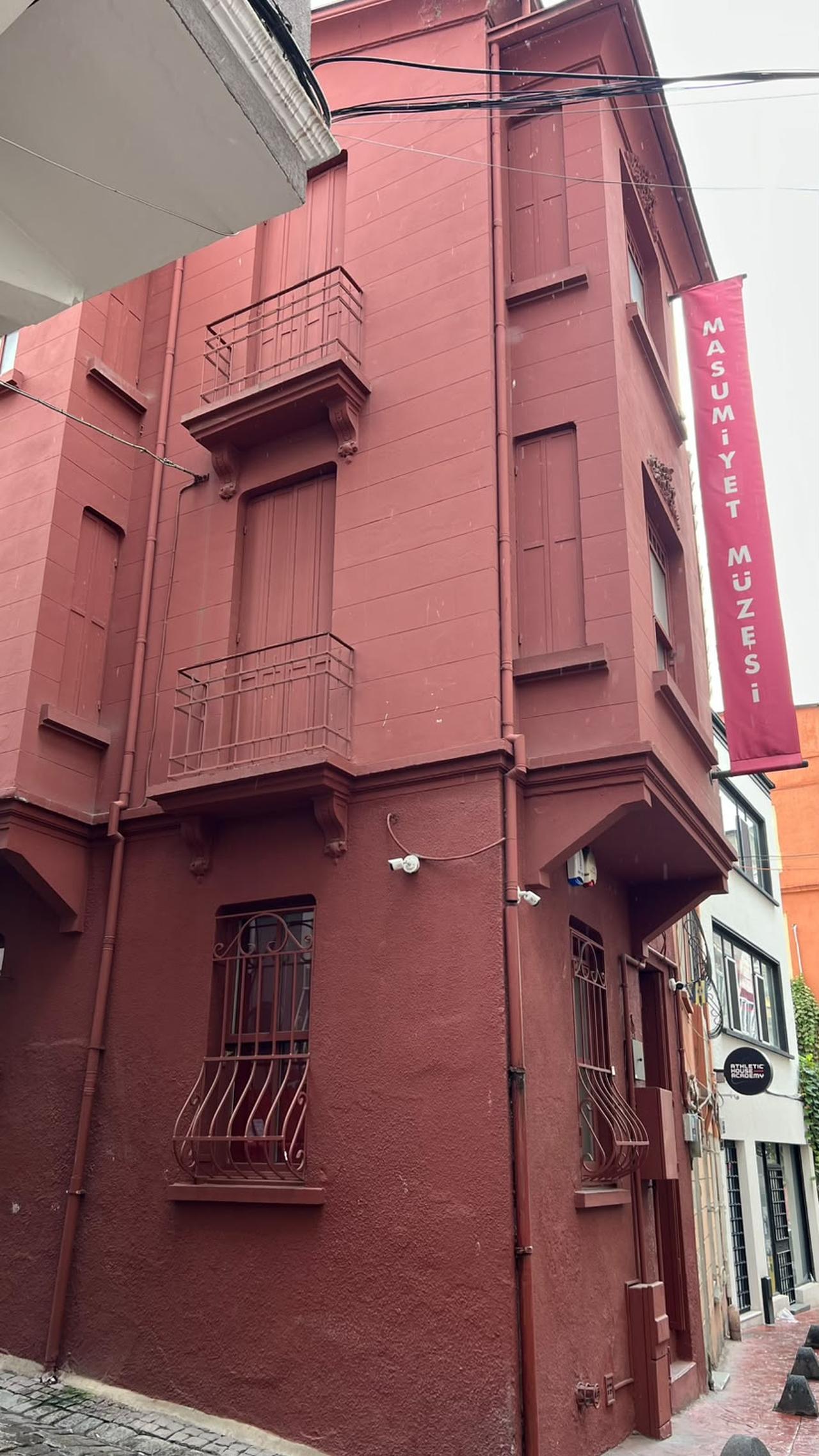

In the novel, Kemal, from a wealthy Istanbul family and engaged to Sibel, begins an affair with Fusun, a younger, poorer distant relative. His love becomes an obsession, and ordinary objects (earrings, clothes, hair clips, and cigarette butts) become ways of holding on to her.
Pamuk conceived the novel and the museum together in the 1990s, collecting objects while he wrote. The novel was published in 2008, and the museum opened in Cukurcuma neighborhood of Beyoglu in 2012.
Museum manager Gizem Dundar told me Pamuk personally collected most of what is displayed, much of it from antique shops around Istanbul. Some pieces came from his family and others through smaller donations.
"They are not only objects from the world of the novel," she said, "but also things that reflect everyday life in Istanbul at the time."
Dundar's favorite is Box 43. Inside are two ordinary objects: a shutter and a gas lamp.
"Sometimes two very ordinary objects can create a much bigger story in a visitor's imagination," she said.
For Clarisa, the museum began with a person who never managed to see it.
Before her first trip to Türkiye, her mother asked her to send her regards to Orhan Pamuk. Clarisa, an Argentine now living in Antalya, did not know who he was. She searched his name and discovered that her mother and aunt had read and loved his books, including “The Museum of Innocence.”
"I had no idea what I was going to find. I had no idea about Istanbul," she said.
She remembers the cigarette wall, photographs, newspaper clippings, and the small details of everyday life. "I almost cried," she said. "Happiness, love, suffering."
Clarisa bought the novel there and returned with it on a later visit. She is still reading it in Turkish and English. Her mother became ill and died without ever visiting Istanbul. Clarisa later brought her aunt to the museum and now returns to it whenever she visits the city.
She is far less sentimental about Kemal.
"I believe Kemal was an ugly and egotistical man," she said.
Her reaction complicates the romance at the center of the collection. What Kemal considers devotion can look, from outside the glass, like possession.
Other visitors find themselves in the objects without needing Kemal at all. Elaine Woods, an English teacher who has lived in Istanbul for 15 years, remembers an old soft-drink bottle. A collector of antiques and vintage objects herself, she was struck by how closely the physical museum resembled the world she had imagined while reading. Her verdict: "near damn perfect."
Dundar sees the same recognition among people who have never read the book. The museum itself says reading the novel is not necessary to experience the collection.
"They might see something and say, 'We had something like this at home,' or 'My grandmother had one of these,'" she said.
She has watched visitors cry. Others become so convinced by the physical world around them that they ask whether Kemal really lived there or whether Pamuk once occupied the house.
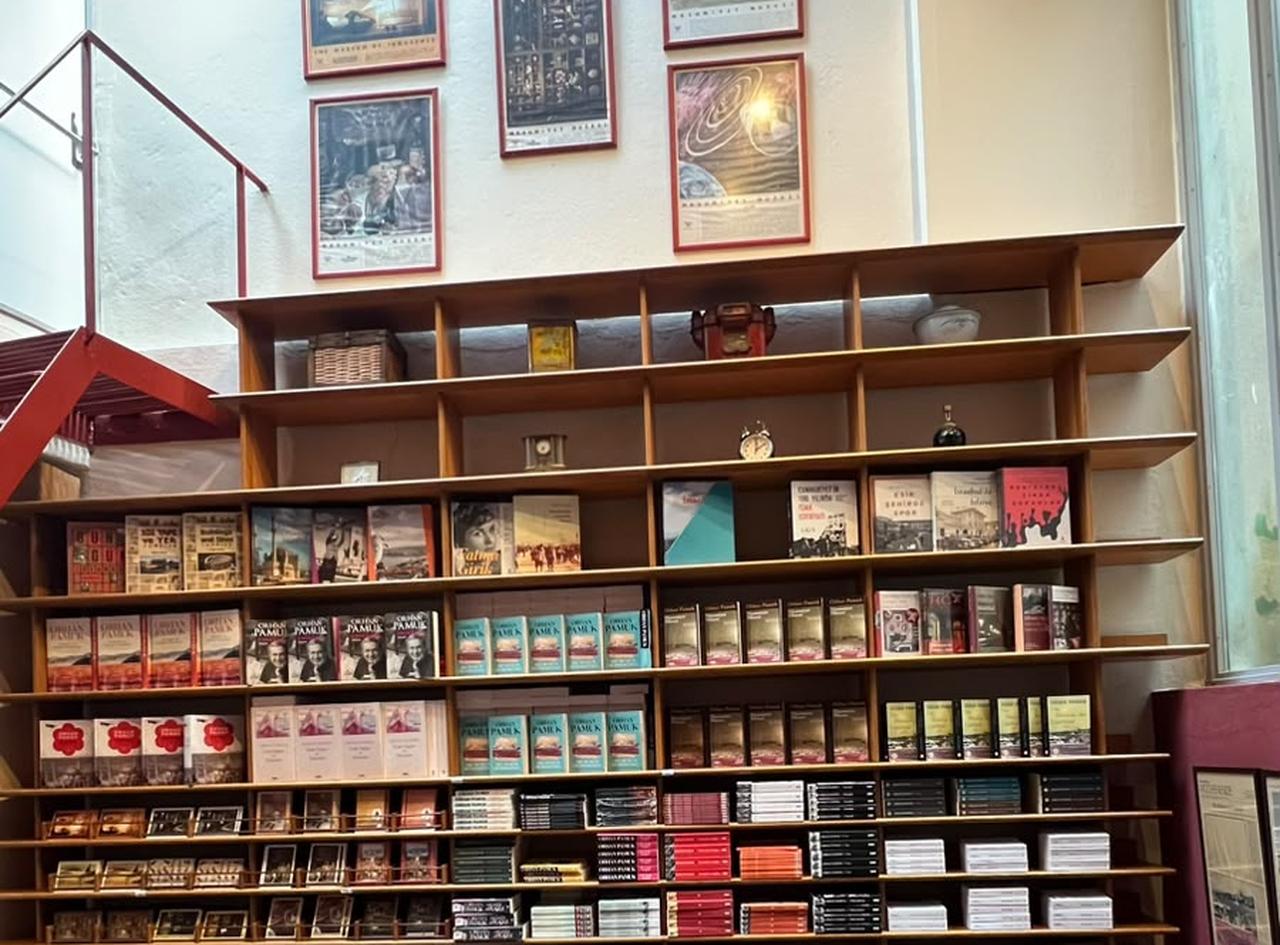
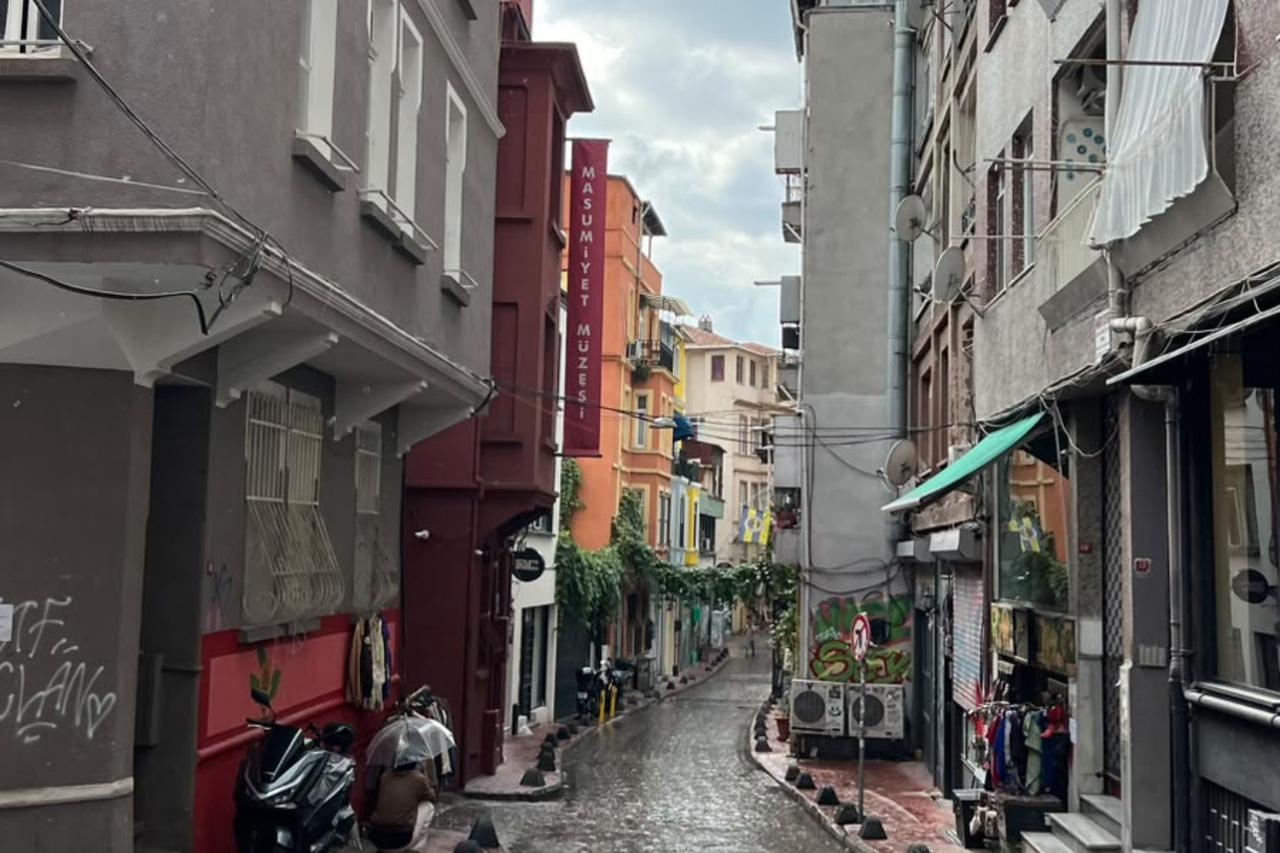
Across from the museum, Tugce Uyku lives in a Cukurcuma that no display case could preserve.
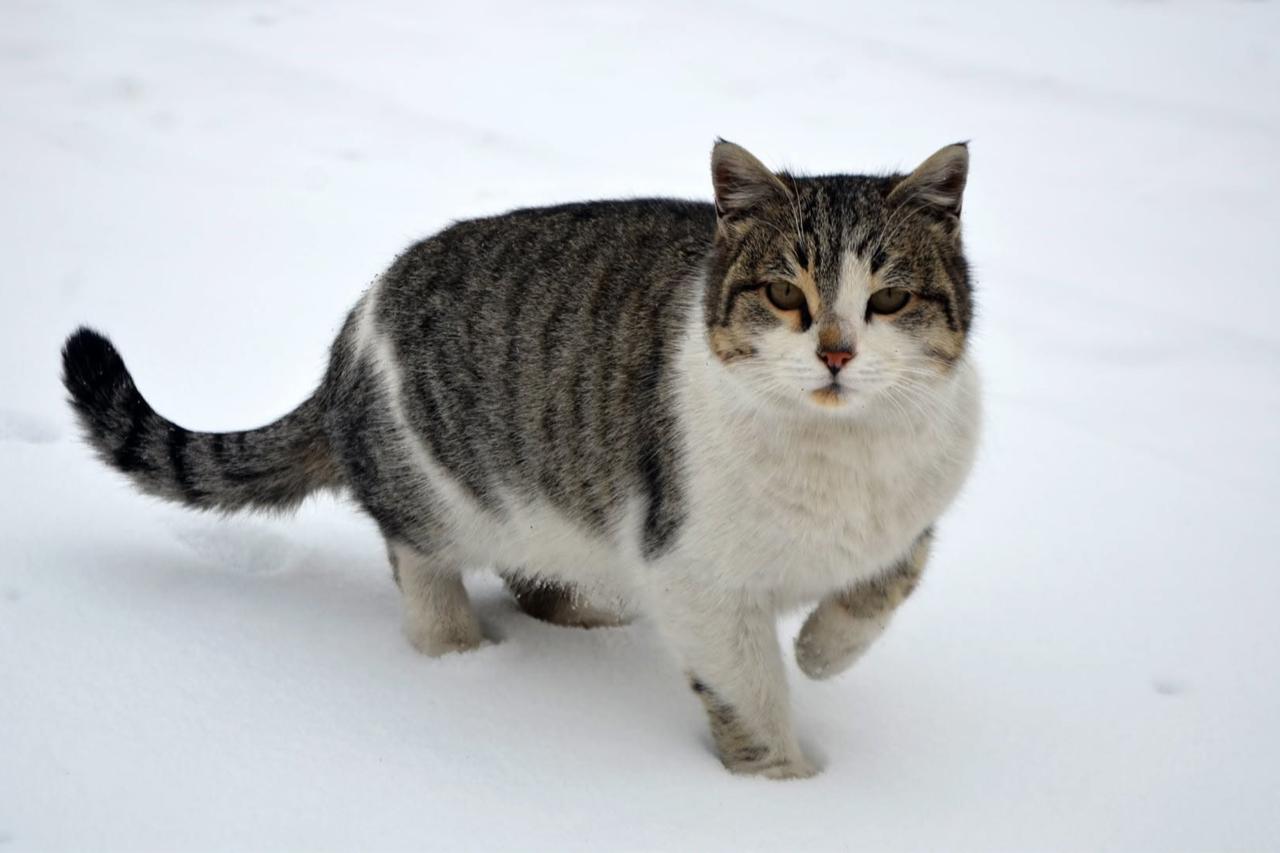
Her mornings begin with her dog, the neighborhood cats, and an eccentric woman opposite the museum who finds the dog endlessly amusing. Before the antique dealers raise their shutters, their shops already announce themselves.
"The sharp, musty smell of old things is already drifting out from the shops," Uyku said. "That's Cukurcuma in the morning."
She has lived opposite the museum for about a year and a half and works on the same street. She has read the novel and watched its Netflix adaptation. She has never entered the museum.
"I sometimes joke that my own home is the real Museum of Innocence," she said. "The museum is fiction. The loves that happen in my apartment are real."
Around her, antique shops are crowded with lamps, furniture, photographs, and possessions separated from the people who once owned them. Businesses open and close, residents change, and tourists arrive. The neighborhood has not remained suspended in Pamuk's period.
"The Istanbul Pamuk writes about feels like it belongs to the past in some ways," Uyku said, "but the feeling of the city, the emotional texture of it, that hasn't changed at all. At least not for me."
Dundar describes Cukurcuma as "almost an extension of the museum."
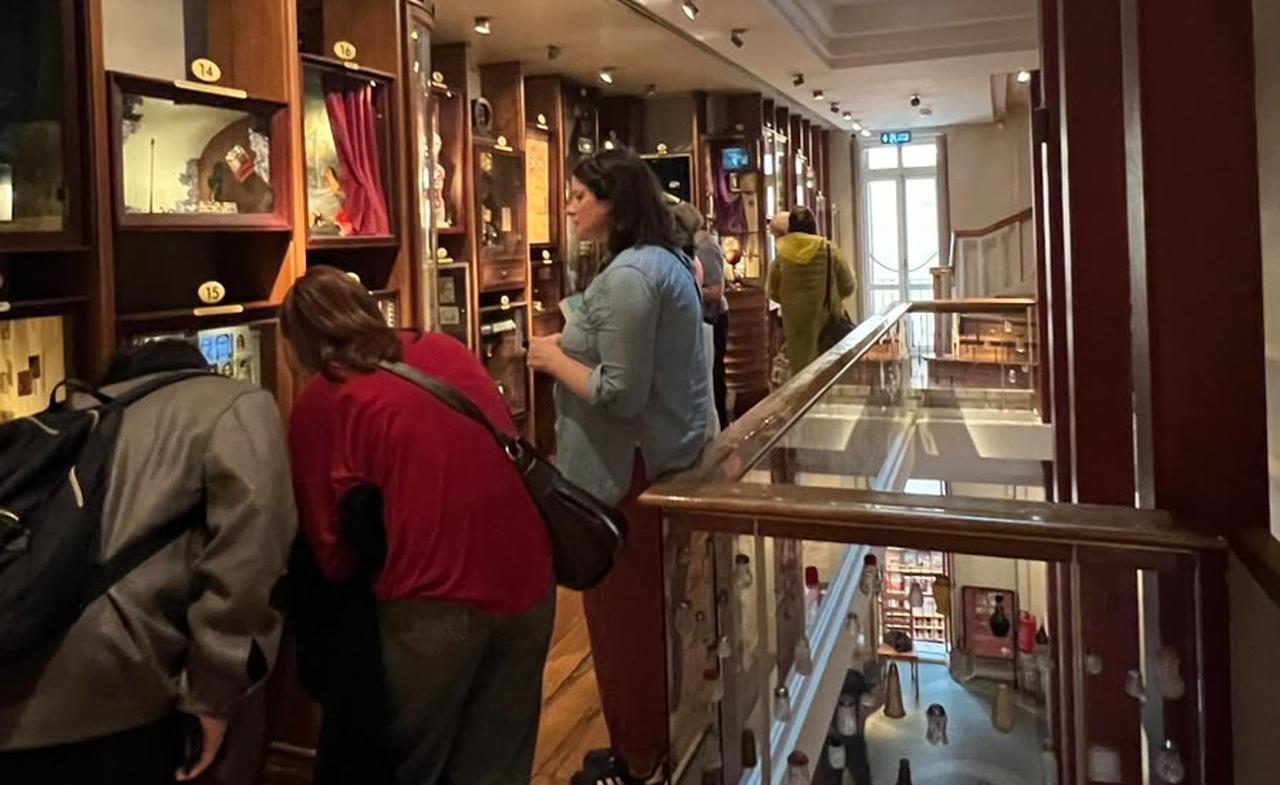
The street has recently acquired another audience. Netflix released its nine-episode adaptation of “The Museum of Innocence” globally on Feb. 13, 2026. Dundar said visitor numbers rose sharply after its release before settling at around 150 a day.
Uyku noticed without entering the building.
"In the beginning it was incredibly crowded," she said. "I'd struggle just to get home."
While I was inside, I met visitors who had arrived by several routes. Alaa, from Jordan, set aside a day for the museum after watching the series. Milena, visiting from South America, was still watching it, while her older companion, Mirda, had read several Pamuk novels. A Chinese couple told me a viral video on Chinese social media had brought them there.
A novel, a television series, a social media video, a mother's recommendation: different routes now end on the same Cukurcuma street in Istanbul.
Uyku hopes visitors remember to look at it.
"The neighborhood is a whole living thing," she said, "not just a backdrop for the museum. The cats, the dogs, the people, the smells, the sounds, everything exists together."
There is one literal passage from Pamuk's fiction into the museum. The ticket printed in the closing pages of the novel can be stamped at the museum entrance and exchanged for an invitation.
But something also travels in the opposite direction.
Beneath some of the display cases are drawers where visitors have begun leaving personal objects, Dundar told me: cigarettes, earrings, notes, pieces of paper, and small belongings whose stories may be known only to the people who left them.
"Visitors also become part of the museum by leaving their own memories behind," she said.
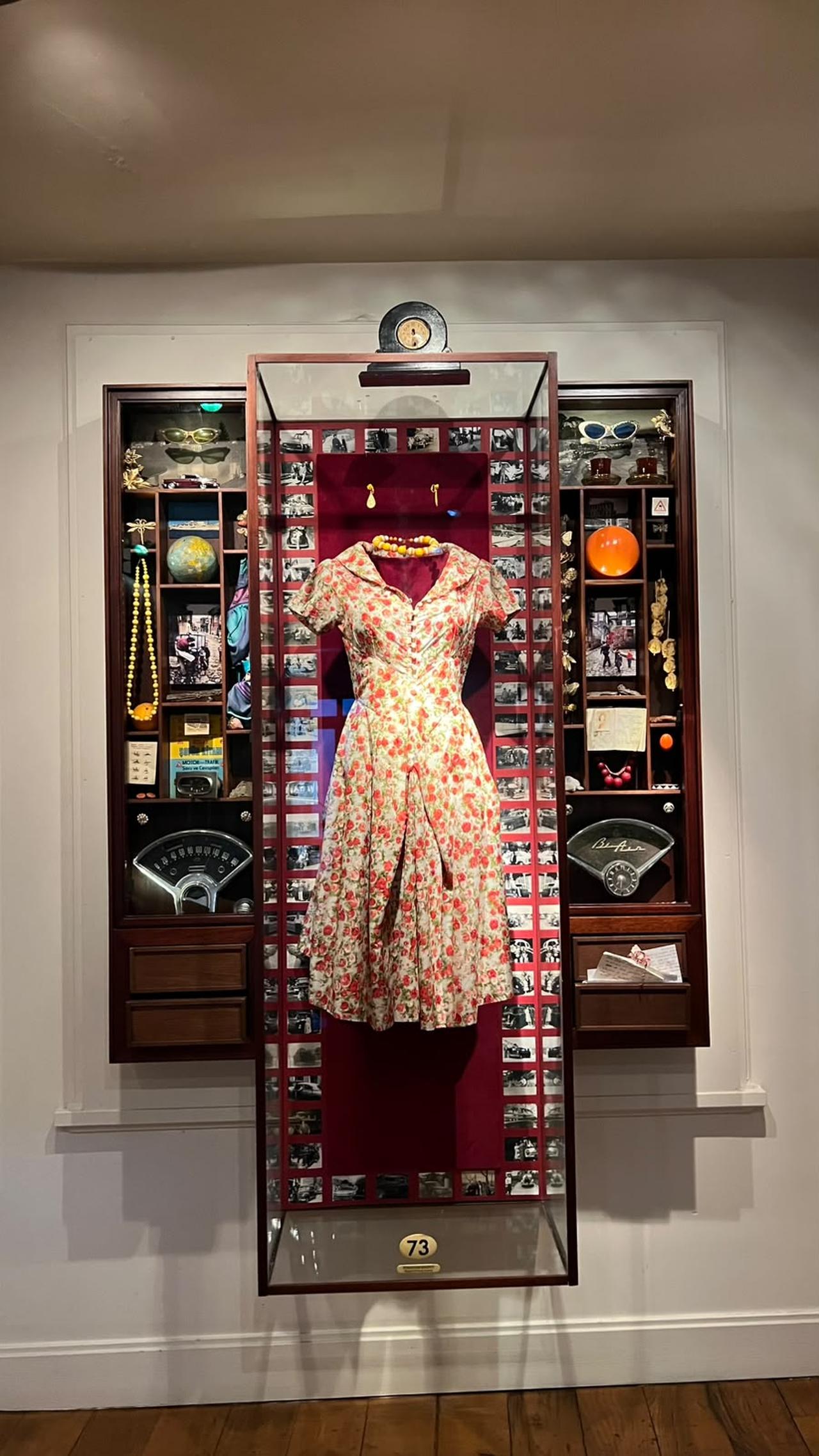
On my visits, I felt that some objects belonged to a past I somehow recognized: a bottle from a film, a glass from another household, something familiar without a memory attached to it. Other visitors found their childhoods, their grandmothers, or people they had lost.
Then someone opened a drawer and left something behind.
At the entrance, 4,213 cigarette butts preserve the traces of Fusun, a woman who never existed. Elsewhere in the building, earrings, cigarettes, and folded pieces of paper are accumulating from people who do.
The fictional collection is complete. The real one is still growing.


 Set as preferred source
 Set as preferred source


 1 min read