Newsletters


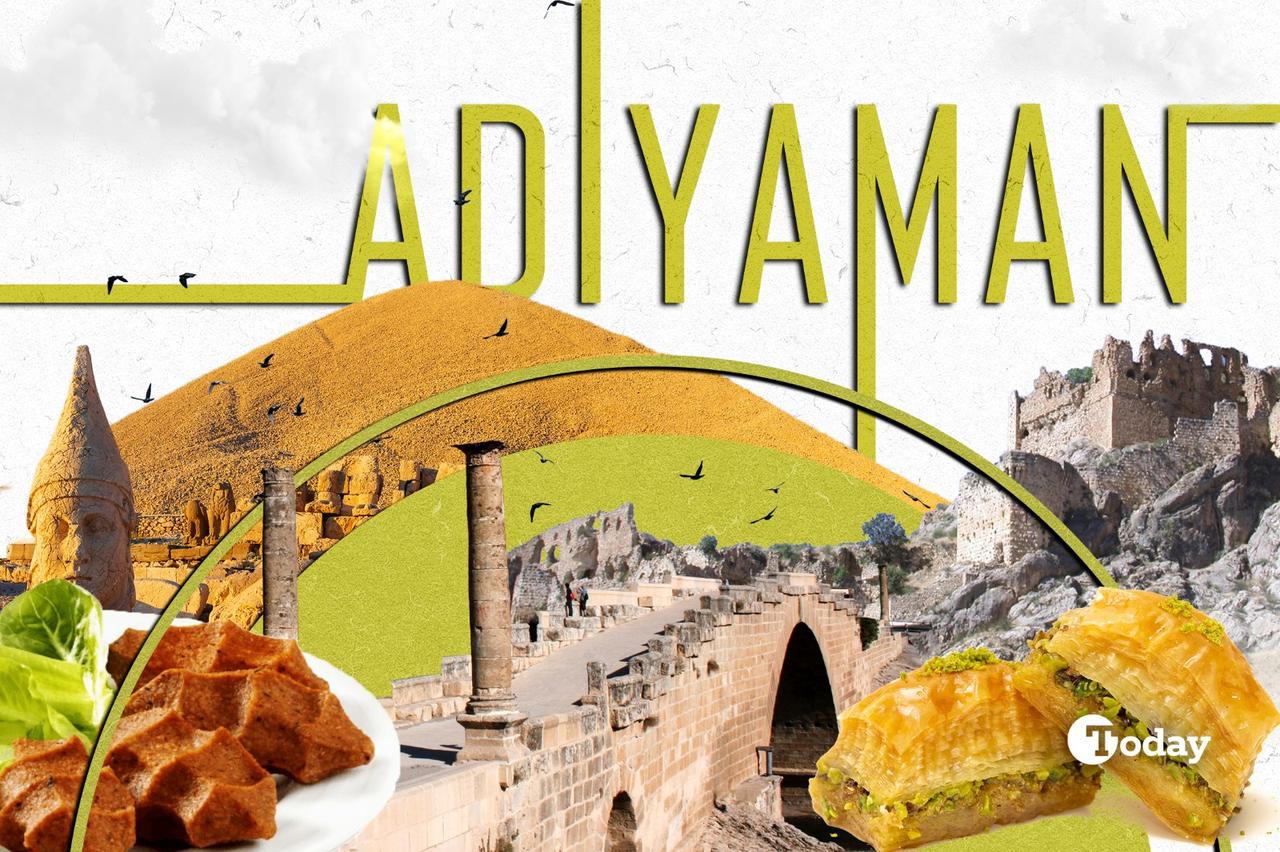
Think Adiyaman, and your mind might first wander to Nemrut’s sunrise. But beyond the awe-inspiring statues and ancient tombs lies a city of timeless stories.
One moment you’re tracing the royal inscriptions at Karakus Tumulus; the next, you’re exploring the ancient streets of Perrhe or gazing over the heights from Gerger Castle.
From the timeless arches of Cendere Bridge to the peaceful grounds of Mor Petrus and Mor Paulus Church, Adiyaman offers more than sights to see. It’s a place where history feels close and stories linger long after you’ve moved on.

Adiyaman’s see-and-explore routes: From Ancient Cities to natural wonders
Located in southeastern Türkiye, Adiyaman offers visitors a unique journey through history and nature. The giant statues and sunrise views of Mount Nemrut, the ancient Karakus Tumulus, ancient city of Perre, and Gerger Castle reveal the city’s rich past. In addition, cultural landmarks like Mor Petrus and Mor Paulus Church and Cendere Bridge provide a fascinating glimpse into the region’s heritage, making Adiyaman a destination where history, culture, and nature come together.
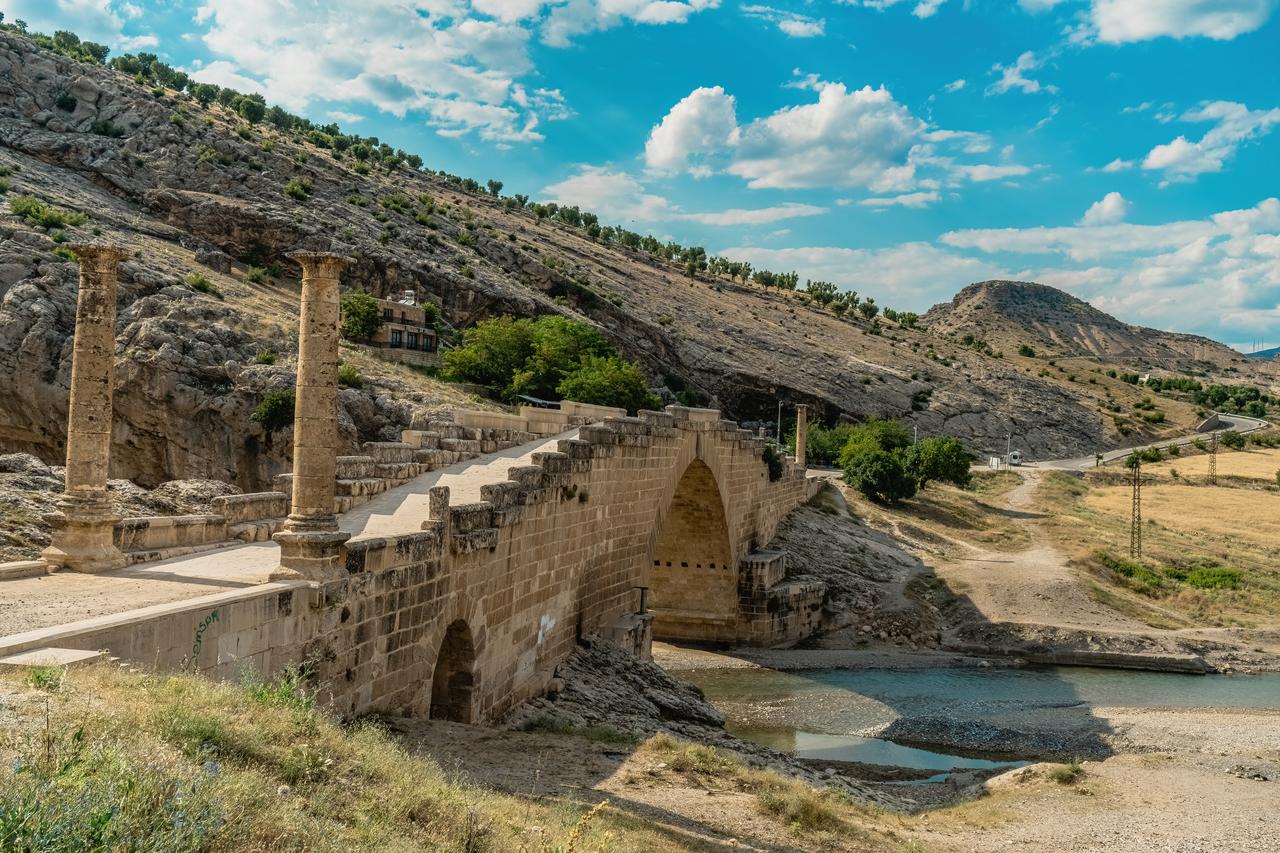
Cendere Bridge
Cendere Bridge is an ancient Roman bridge located near Adiyaman, Türkiye. It was built in the 2nd century during the Roman Empire and is one of the few surviving Roman bridges in the region.
The bridge spans the Cendere River and was originally constructed to facilitate trade and military movement. It is notable for its well-preserved stone arches, inscriptions, and engineering excellence, reflecting the advanced construction techniques of the Romans.
Today, Cendere Bridge stands as an important historical landmark, attracting visitors interested in Roman architecture, archaeology, and the ancient history of southeastern Türkiye.
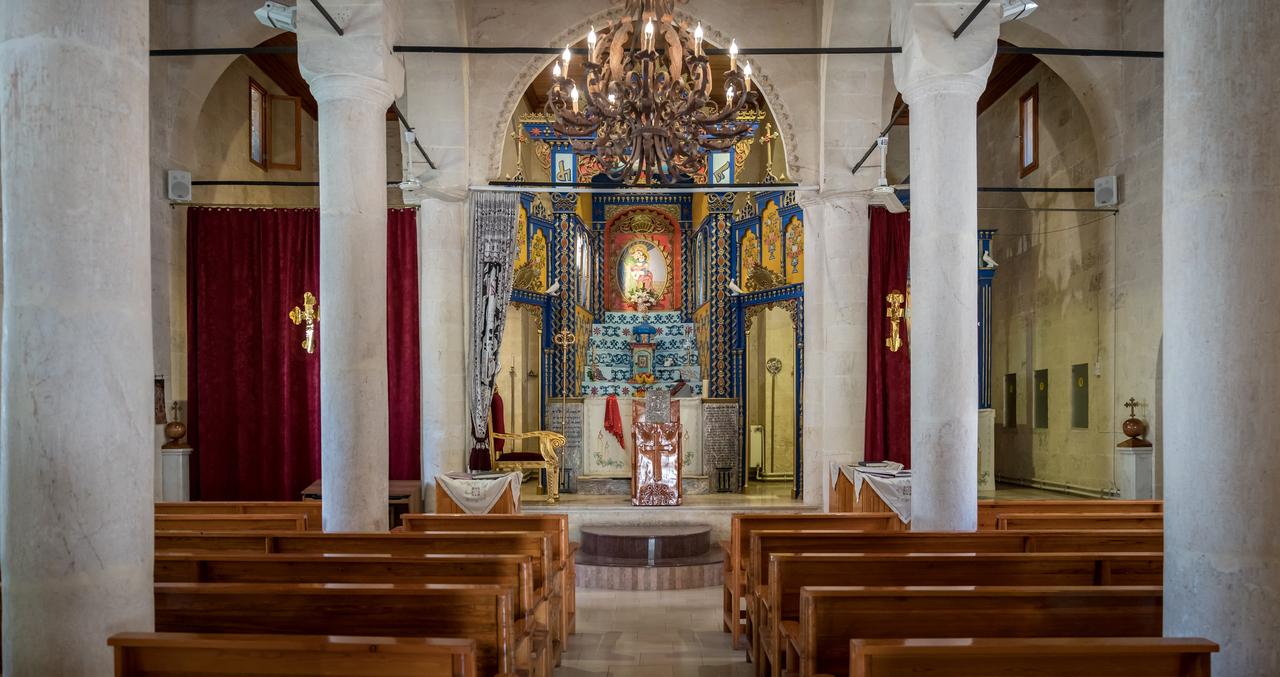
Mor Petrus and Mor Paulus Church
Mor Petrus and Mor Paulus Church is a 19th-century Syriac Orthodox church located in Adiyaman, Türkiye. It is one of the historical religious structures reflecting the multicultural past of the region.
The church is dedicated to Saint Peter (Mor Petrus) and Saint Paul (Mor Paulus) and was built using traditional stone construction techniques common in the area. Its architectural style is simple and functional. In addition to its religious use, the building has historically been a gathering place for the local Syriac community.
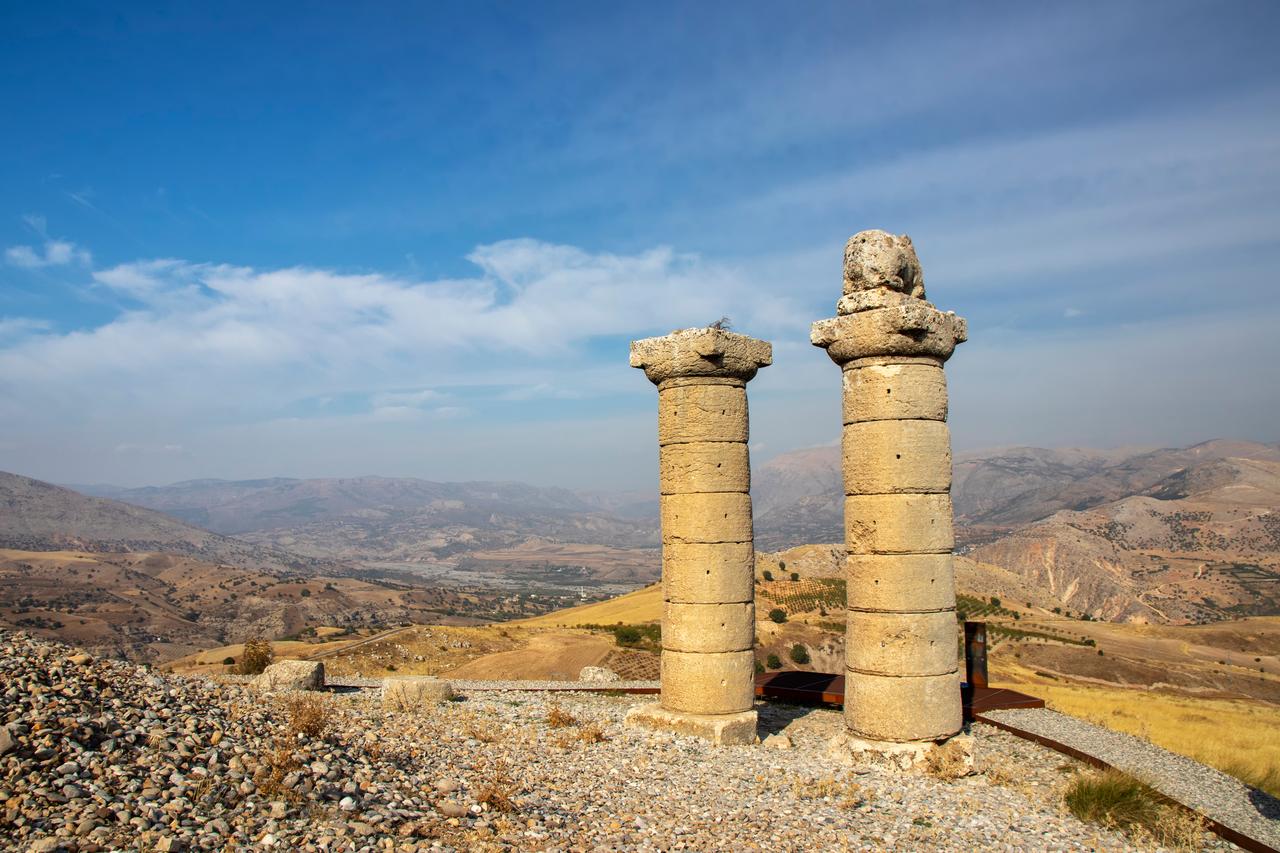
Karakus Tumulus
Karakus Tumulus is an ancient burial mound located near Kahta in Adiyaman, Türkiye, built in the 1st century B.C. for the royal women of the Commagene Kingdom. The site is best known for its tall stone columns, some of which are topped with statues of lions and eagles, symbolizing strength, power, and protection.
The tumulus is an important example of Commagene funerary architecture, reflecting a unique blend of Persian and Hellenistic cultural influences. Archaeological studies show that the monument not only served as a royal tomb but also as a display of the kingdom’s wealth, artistry, and political power.
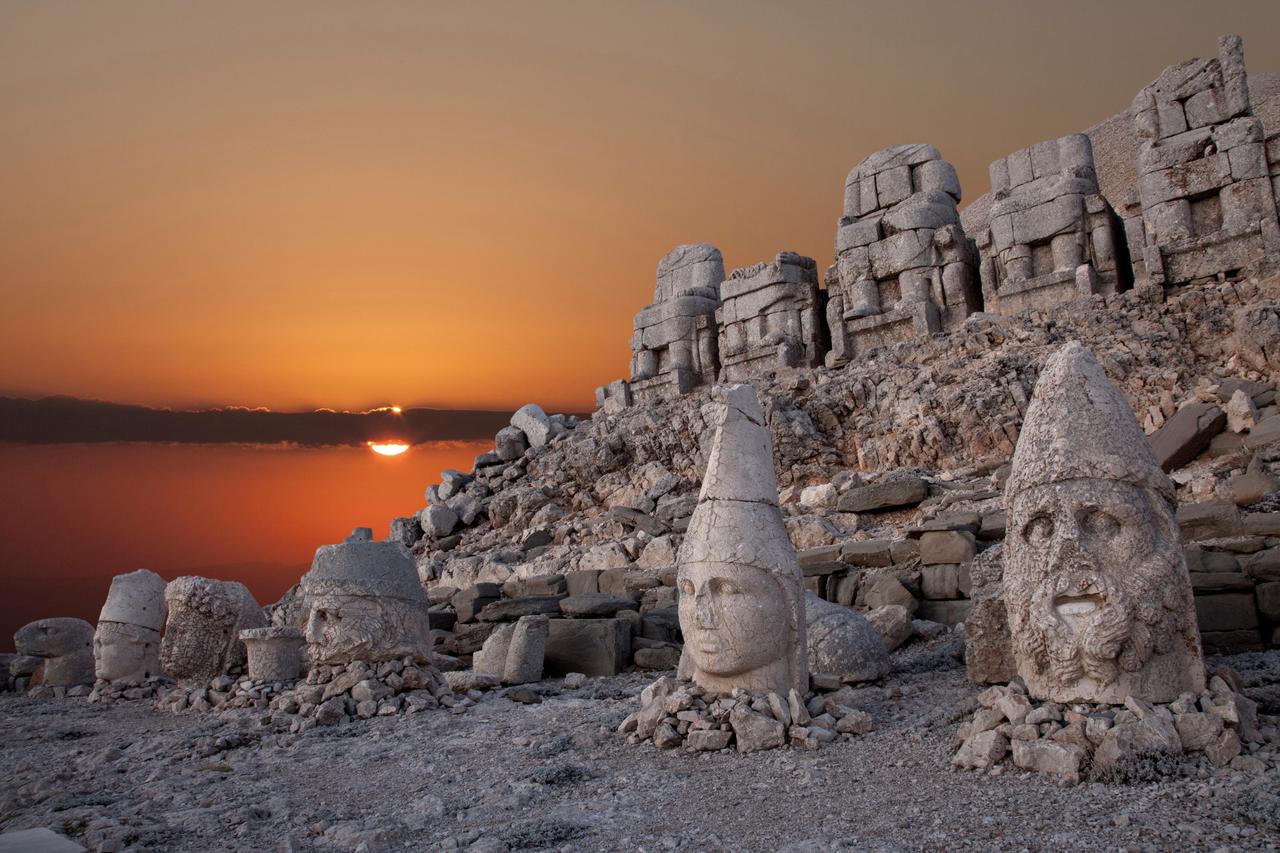
Mount Nemrut
Mount Nemrut is a historic mountain near Kahta in Adiyaman, Türkiye, standing at about 2,150 meters. Its summit features giant statues and a burial mound built for King Antiochos I of Commagene, depicting gods, the king, and animals with Persian and Hellenistic artistic influences.
The site is a UNESCO World Heritage location and is especially famous for its breathtaking views at sunrise and sunset, making it one of Türkiye’s most impressive destinations for both history enthusiasts and nature lovers.
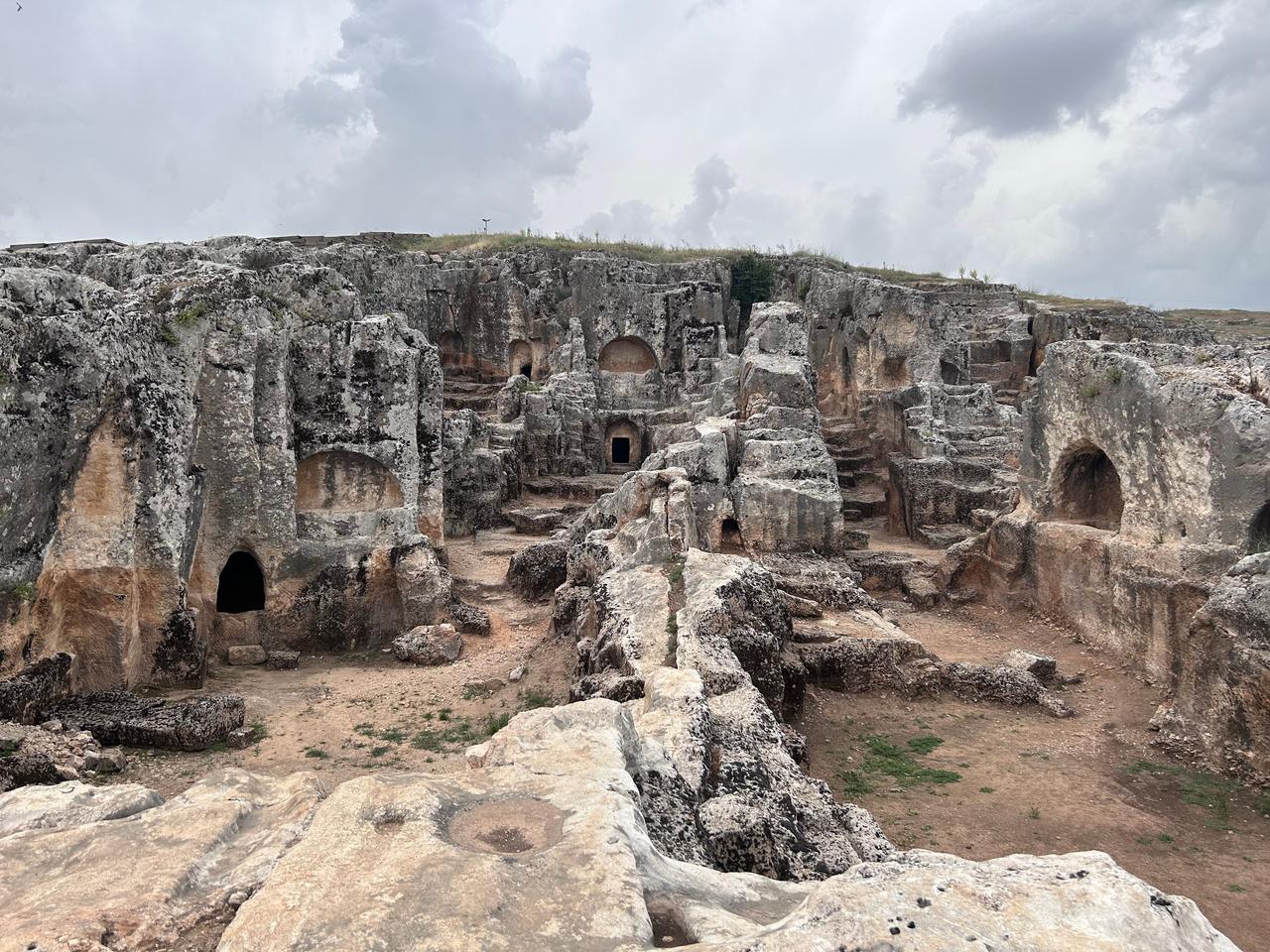
Ancient city of Perre
Ancient city of Perre is an important archaeological site located near modern-day Adiyaman in southeastern Türkiye. It was one of the major cities of the ancient Kingdom of Osroene and later became part of the Roman Empire.
The city is particularly famous for its rock-cut tombs, necropolis areas, and ancient city walls, which reveal a long history of settlement from the Hellenistic period through the Roman and Byzantine eras. Archaeological findings suggest that Perre was a strategic city, serving as a cultural and trade hub in the region.

Adiyaman cuisine: City of traditional flavors
Adiyaman stands out not only for its history and natural wonders but also for its distinctive local cuisine. The city’s famous Adiyaman tava delights with tender, spiced meat cooked slowly to perfection, while cigkofte offers a zesty and traditional flavor that reflects the region’s heritage. Sweet treats like peynirli helva and olive oil baklava complete the culinary experience, allowing visitors to savor the rich tastes and unique traditions of Adiyaman in every bite. This diverse gastronomic culture makes the city a must-visit destination for food lovers seeking authentic flavors.
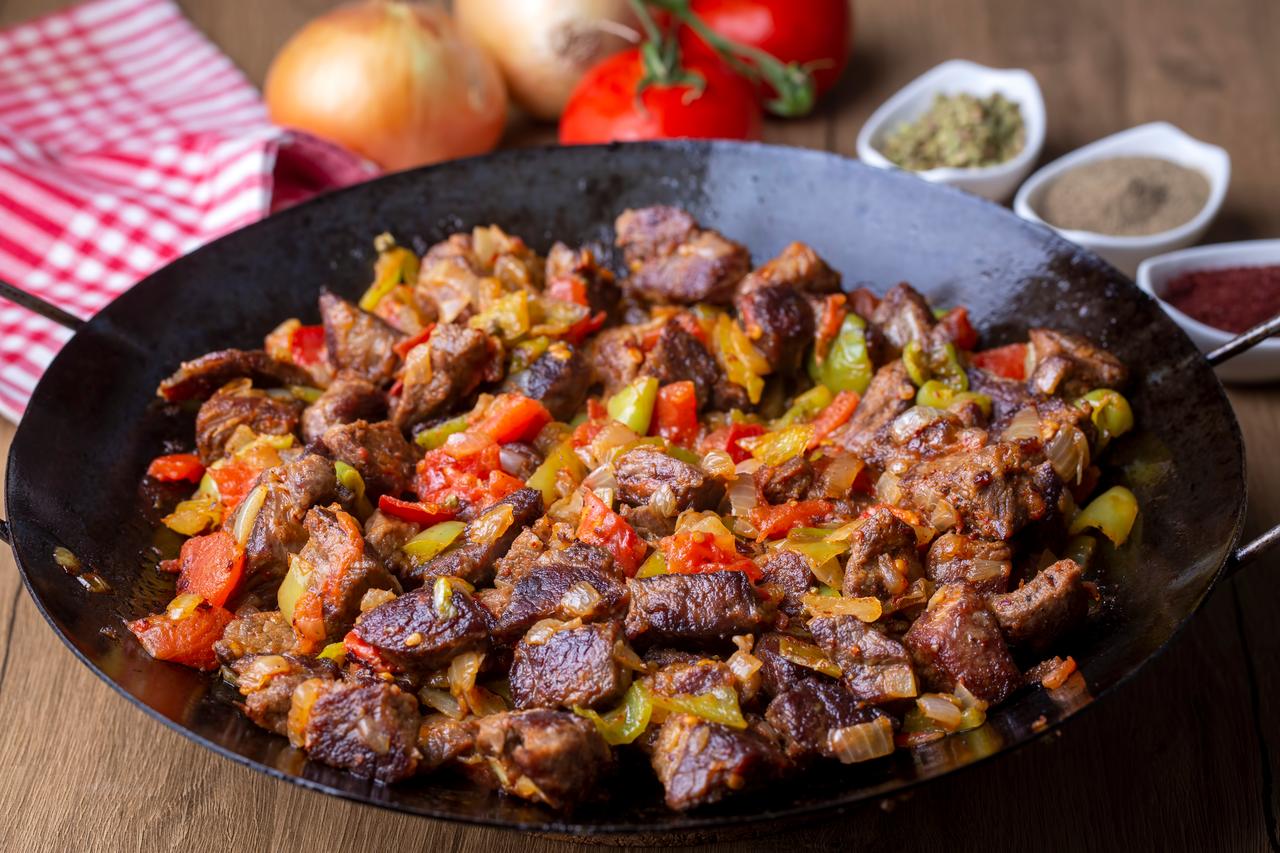
Adiyaman tava (Adiyaman-style pan-cooked meat)
Adiyaman tava is one of the most famous and beloved dishes of Adiyaman cuisine. It is typically made with lamb or beef, cooked slowly with onions, tomatoes, and peppers in a special pan. The meat’s natural juices blend with the spices, creating a rich and aromatic flavor unique to this dish.
Served hot, often alongside rice and salad, Adiyaman Tava is a classic main course that reflects the region’s rich culinary heritage. It is a must-try for anyone looking to experience authentic local flavors and hearty, traditional meals.
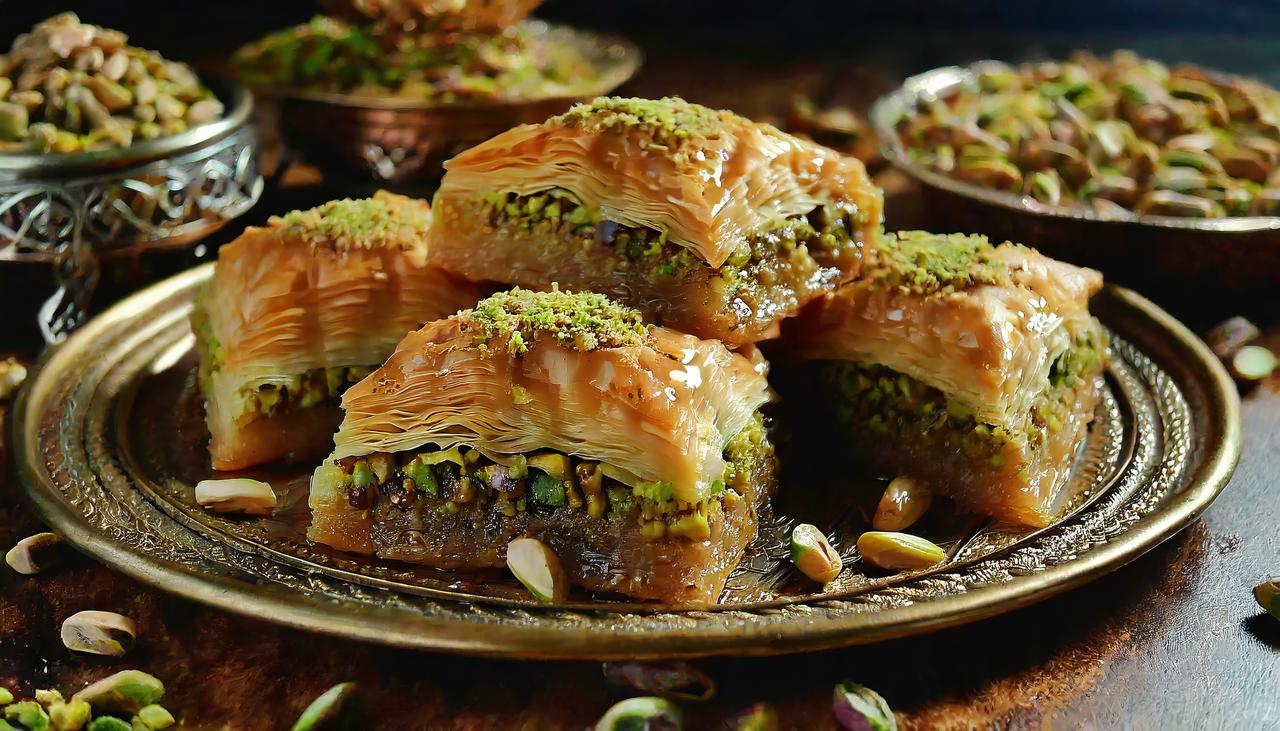
Olive-oil baklava
Adiyaman olive-oil baklava is a light and aromatic version of the region’s traditional dessert. Thin layers of pastry are filled with walnuts or pistachios and baked using olive oil instead of butter. When soaked in syrup, it offers a crispy texture and delicate flavor that leaves a lasting impression.
Typically served with tea or coffee, this baklava reflects the richness and unique culinary traditions of Adiyaman cuisine, making it a must-try for visitors seeking authentic local flavors.
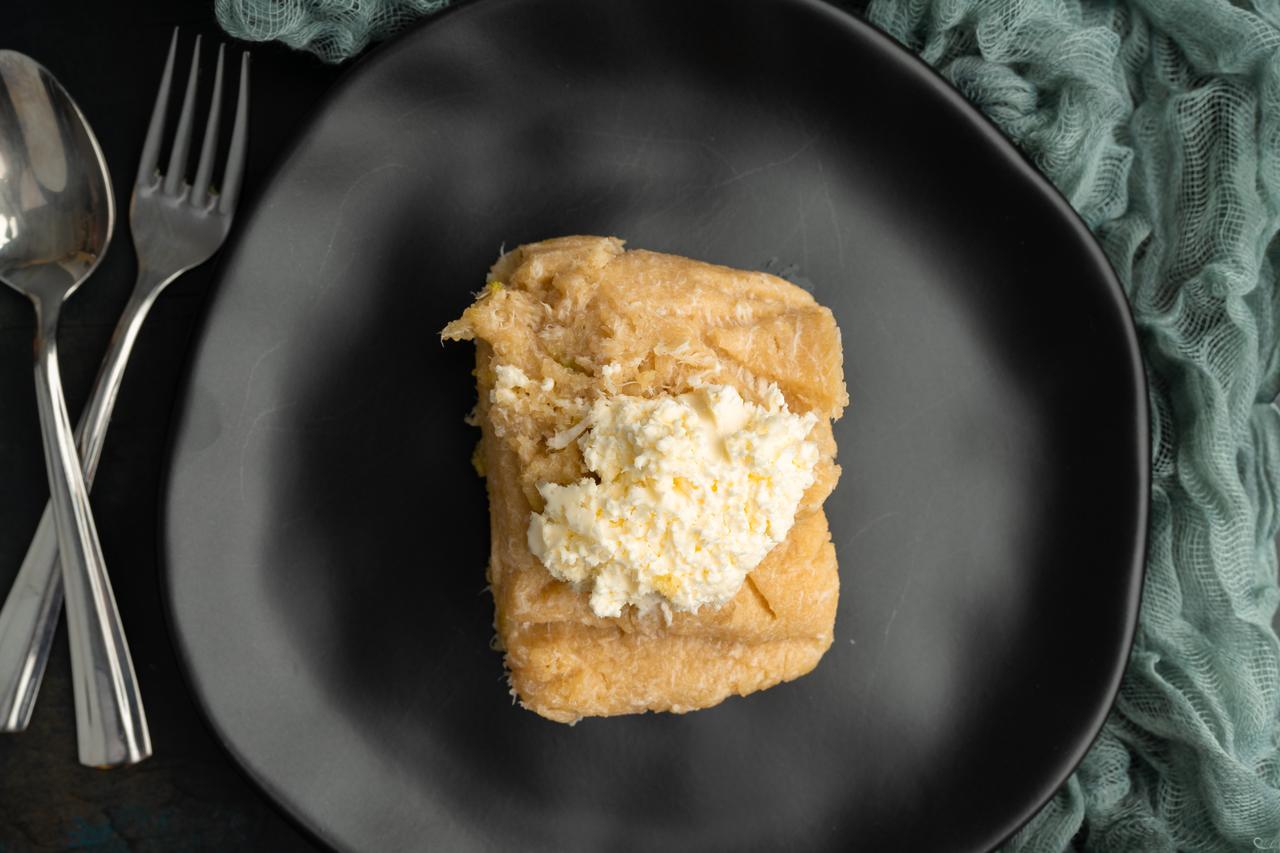
Peynirli helva (Cheese halva)
Peynirli helva is a traditional dessert unique to Adiyaman and its surrounding region. It is made with fresh unsalted (or lightly salted) cheese, flour or semolina, and sugar. When cooked, the cheese gives the dessert a distinctive, elastic texture and a rich, satisfying flavor.
Usually served warm, peynirli helva is especially popular during festivals, special occasions, and as a treat for guests. This dessert reflects the rich culinary heritage and local flavors of Adiyaman, making it a must-try for visitors seeking an authentic taste of the region.

Cigkofte
Adiyaman cigkofte is one of the city’s most famous and beloved traditional dishes. Made by kneading fine bulgur with spices, isot pepper, and onions, it is a staple of Adiyaman cuisine and can be served either with or without meat.
Typically enjoyed wrapped in lettuce or flatbread, and often accompanied by fresh lemon and pomegranate molasses, Adiyaman cigkofte is more than just a meal—it’s a taste of the city’s hospitality and cultural heritage.

Discover ancient treasures: Arsameia & Yeni Kale
Explore the ancient ruins, rock-cut tombs, and historic walls of Arsameia and Yeni Kale while enjoying scenic walks, panoramic views, and photography opportunities. Both sites offer a perfect blend of history, culture, and nature, making them must-visit destinations for adventurous travelers in Adiyaman.
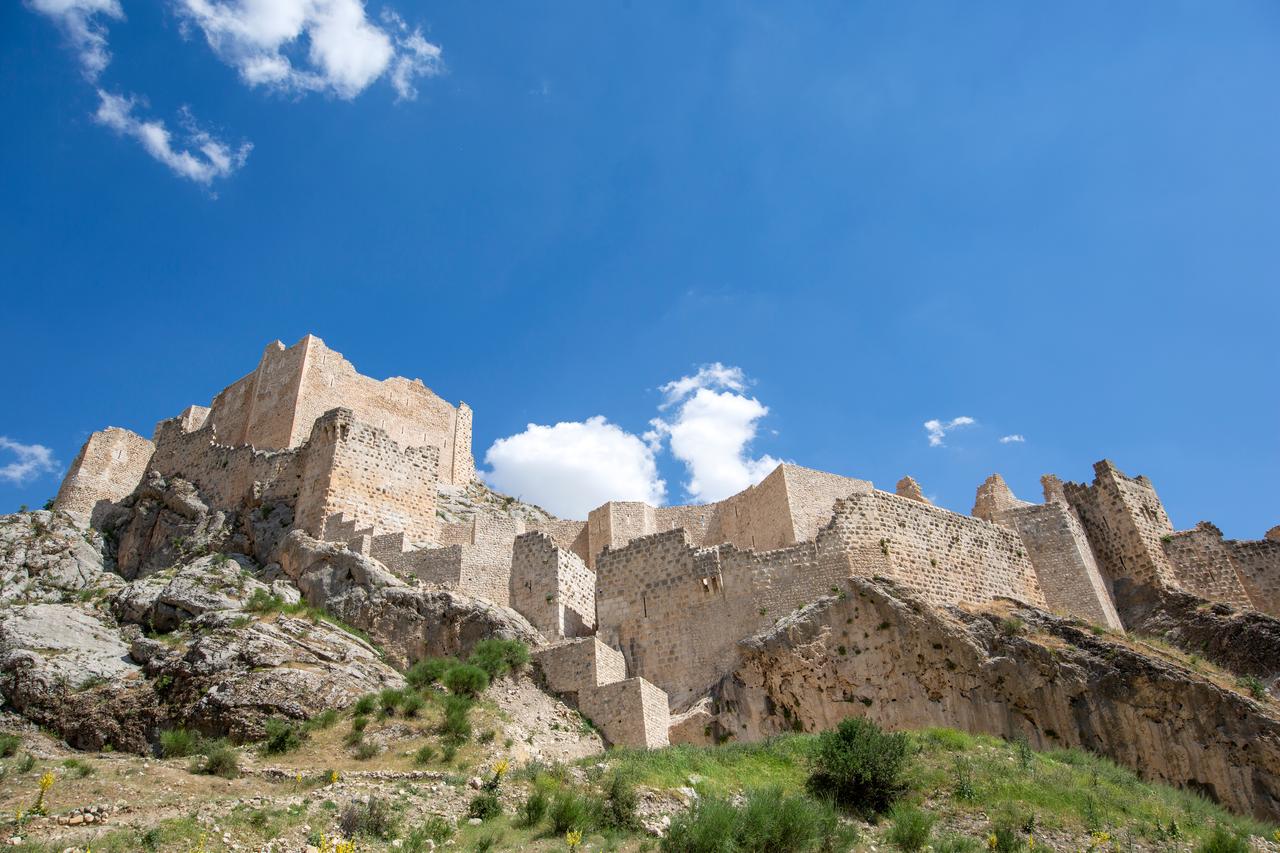
Yeni Kale (New Castle)
Yeni Kale in Adiyaman is an ideal destination for those looking to combine history and nature. Visitors can explore the castle, examine its ancient walls and stonework, and enjoy short hikes or photography around the surrounding natural areas.
The panoramic views from the castle, especially at sunrise and sunset, offer an unforgettable experience. Perfect for history enthusiasts and nature lovers alike, Yeni Kale provides a unique mix of exploration and relaxation, making it one of Adiyaman’s must-visit sites.
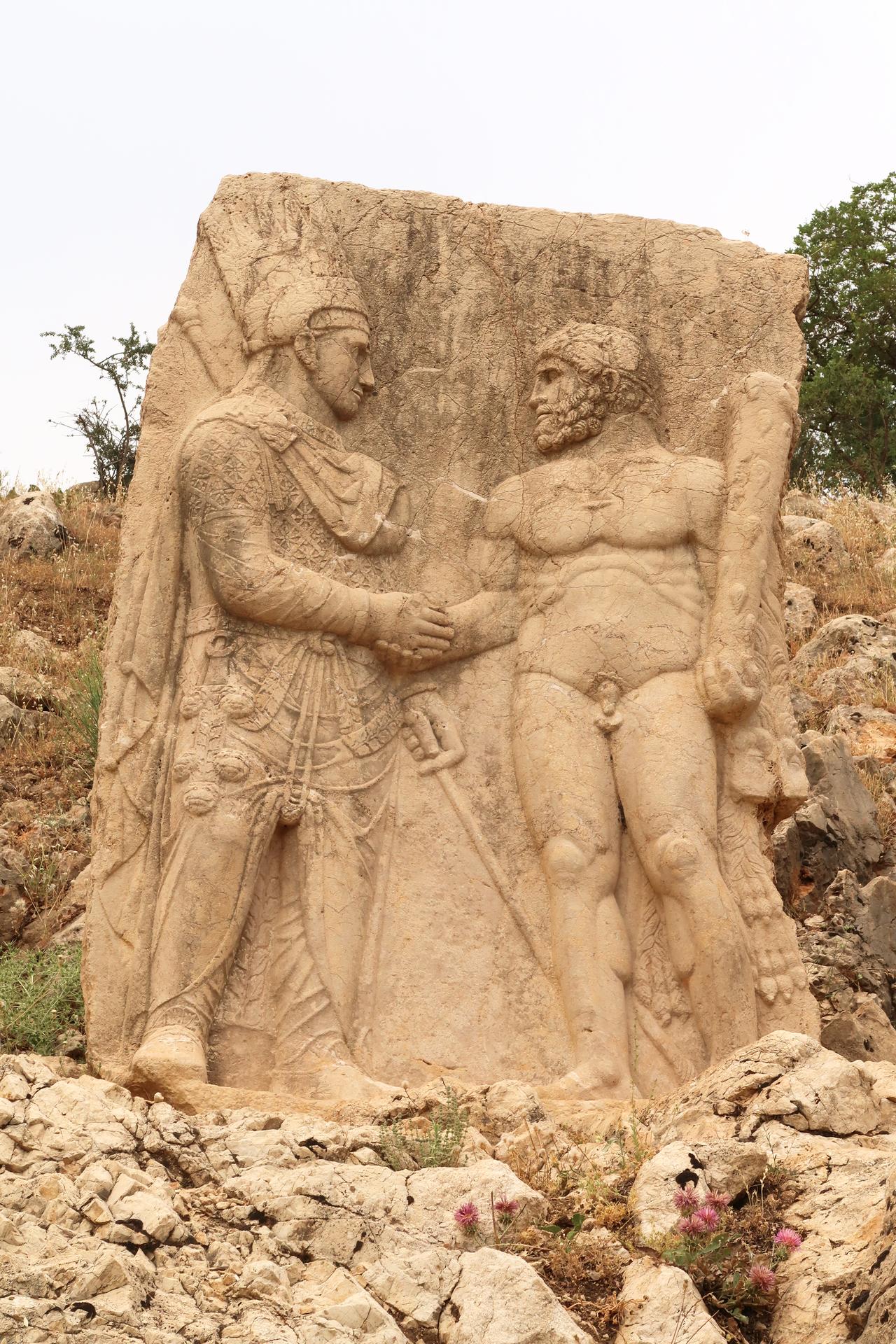
Arsameia Archaeological Site
Arsameia, located near Kahta in Adiyaman, was one of the important centers of the Commagene Kingdom. Visitors can explore ancient ruins and rock-cut tombs, and examine the stone inscriptions that reveal the history of the region. Ideal for both history enthusiasts and nature lovers, Arsameia also offers scenic walking paths and panoramic viewpoints for an unforgettable experience.
Its proximity to other landmarks such as Mount Nemrut and Karakus Tumulus allows travelers to combine visits, discovering the region’s cultural and natural treasures all in one journey.


 Set as preferred source


 2 min read