Newsletters


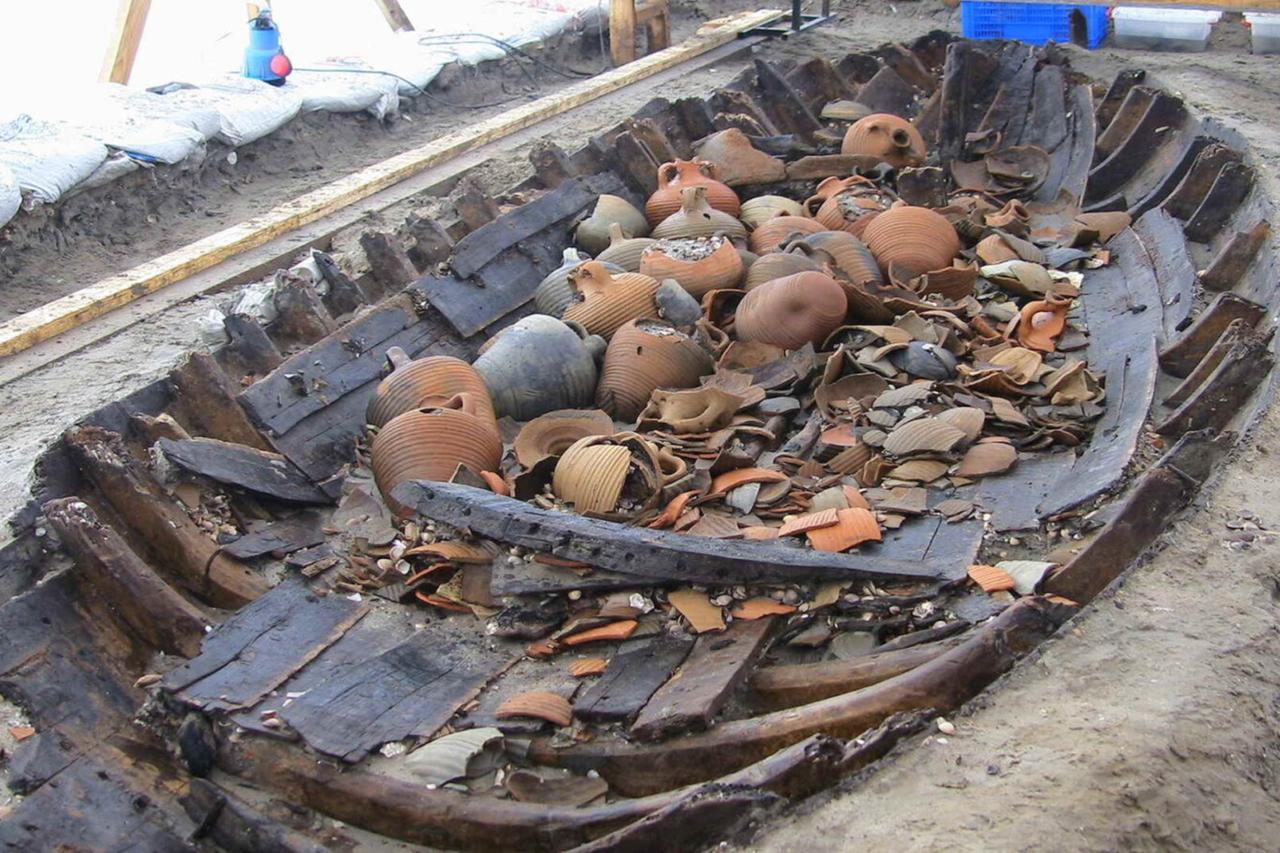


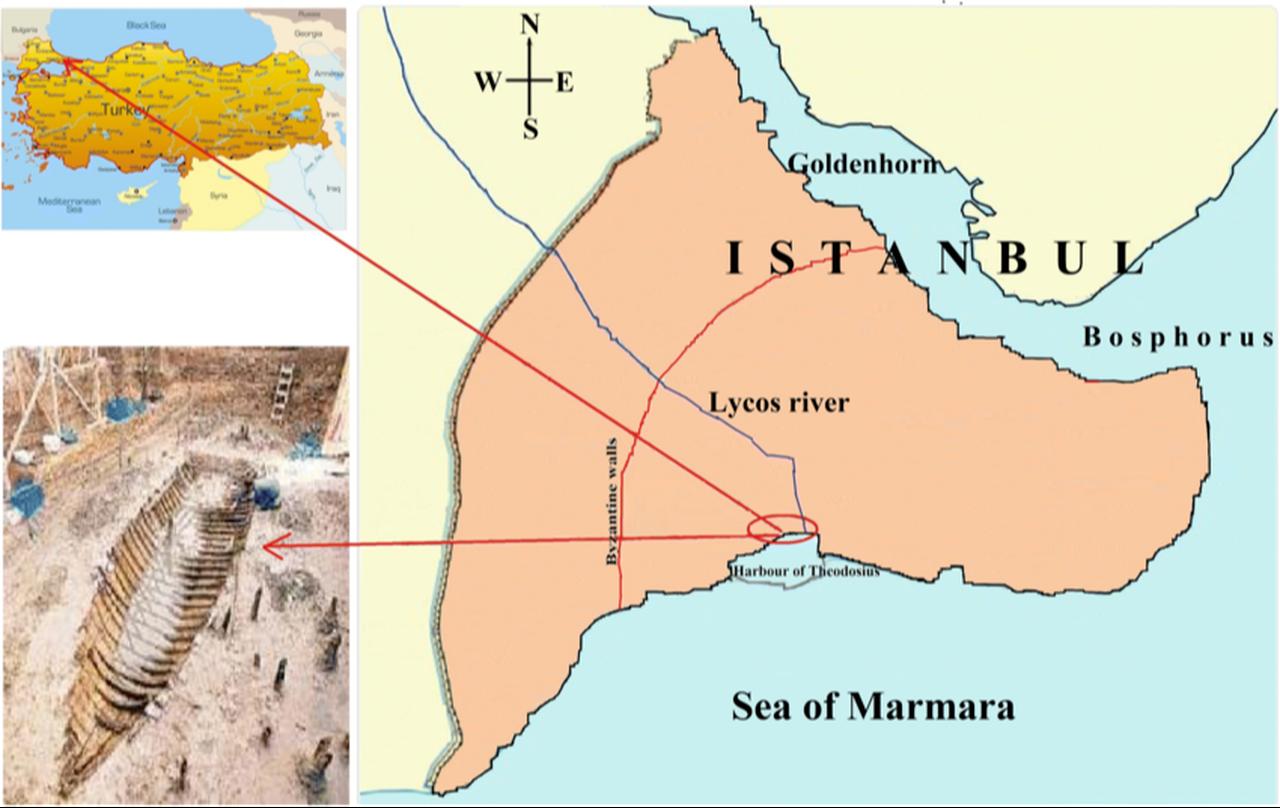
One of Istanbul’s most significant archaeological discoveries, uncovered during the Yenikapi Metro and Marmaray rail projects, has long been the subject of public debate and speculation. The significant find was the unearthing of the Late Roman (Byzantine) period harbor, known as Theodosius Harbor. After years of uncertainty surrounding the fate of dozens of ancient shipwrecks and tens of thousands of artifacts, officials from the Ministry of Culture and Tourism have now clarified where the finds are being kept and how they will eventually be displayed.
Between 2004 and 2013, rescue excavations carried out at Yenikapi revealed remains that reshaped the historical timeline of Istanbul, pushing it back roughly 8,500 years.
Among the most striking discoveries were 37 shipwrecks from the Byzantine era, widely described by experts as one of the largest shipwreck assemblages ever found in a single location worldwide. These finds placed Yenikapi at the center of global maritime archaeology discussions and raised expectations for a dedicated museum.
Travel writer and licensed tour guide Serif Yenen recently drew attention to the prolonged silence surrounding the planned museum project. In a public statement, he underlined that asking what happened to the artifacts and why the museum has not yet opened is a legitimate public concern.
He framed the issue as one that goes beyond politics, pointing out that the Yenikapi shipwrecks form part of humanity’s shared cultural heritage and require transparent stewardship.

In response to growing questions, the Ministry of Culture and Tourism provided detailed information to Türkiye daily through journalist Murat Oztekin.
According to Birol Incecikoz, Director General for Cultural Heritage and Museums, the artifacts uncovered at Yenikapi are currently preserved under the Istanbul Archaeological Museums. A large portion is kept in controlled storage facilities at the museum’s main complex and at affiliated depots located at Ataturk Airport, while selected items are already on display in the museum’s permanent exhibitions.
The Byzantine-era shipwrecks, which form the most sensitive and complex group of finds, are still undergoing conservation.
Incecikoz explained that restoration work is continuing at laboratories run jointly by Istanbul University and the Institute of Nautical Archaeology in Bodrum, a globally respected center for underwater archaeology.
Looking ahead, officials confirmed that many of the Yenikapi artifacts will be showcased in a new underwater archaeology museum planned inside the restored Haydarpasa Train Station, one of Istanbul’s most iconic landmarks.
The museum will be built around the concept “Four Seas – One Museum,” referring to the Aegean, Mediterranean, Black Sea, and Marmara regions that have shaped Türkiye’s maritime history.
The museum is expected to feature artifacts selected from major ancient port cities, illustrating maritime trade, cultural exchange, and daily life across different periods. Among the highlights will be objects from the Yenikapi 12 shipwreck, including Crimean amphorae, storage jars, and everyday ceramics.
Prehistoric items that document early burial customs, along with finds from Greek, Roman, and Byzantine periods such as coins, jewelry, figurines, and archaeological remains, will also form part of the exhibition. Some of these artifacts are expected to go on public view for the first time.


 Set as preferred source
 Set as preferred source


 3 min read