Newsletters


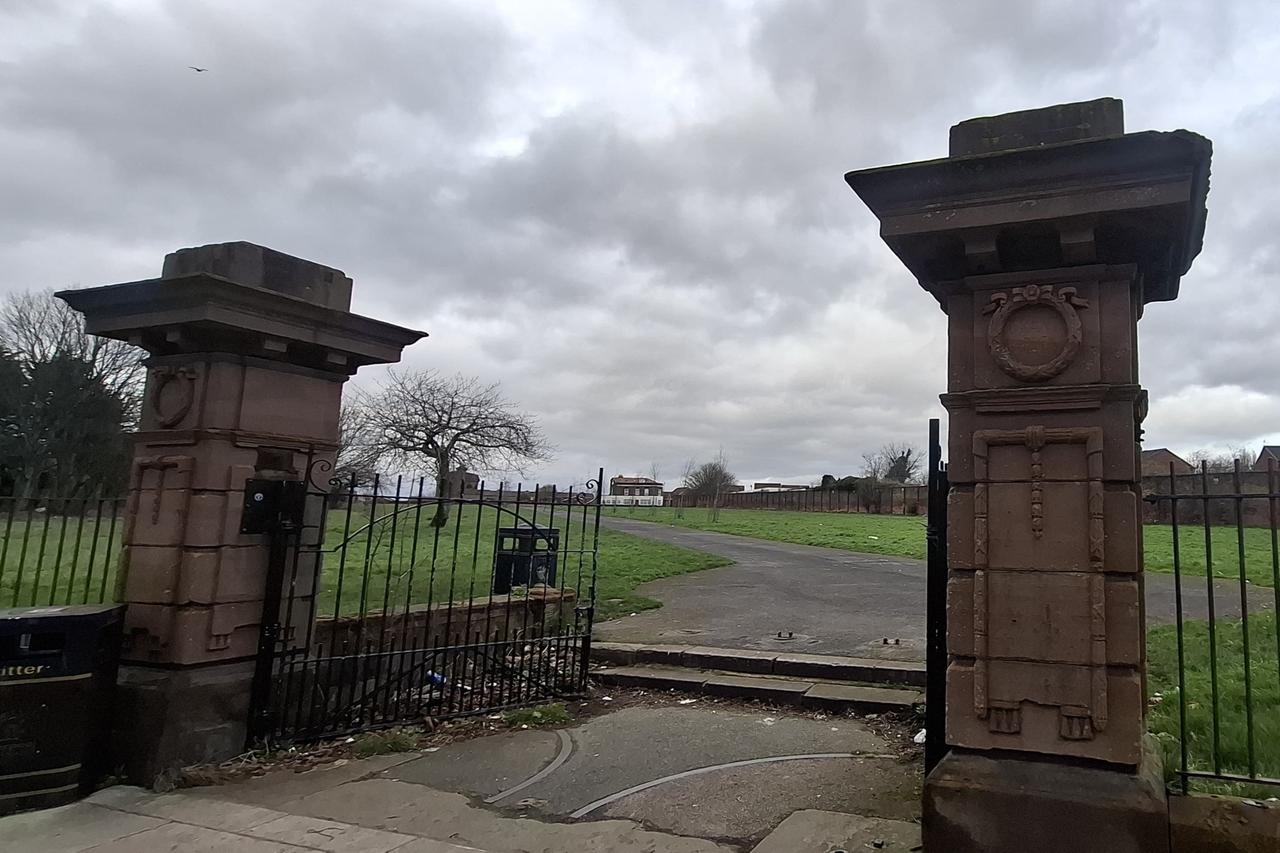


In Liverpool, England, an area in a park that was converted from a cemetery in 1914, where 30 soldiers are buried, is considered “the country’s largest known Turkish war cemetery” and is now counting down to being restored.
During the Crimean War between the Ottoman Empire and Russia from 1853 to 1856, the Russians attacked the Ottoman fleet in Sinop, destroying 12 ships, which led the Ottomans to plan the modernization of the remaining ships.
As part of this effort, when some ships were converted to steamships, one of the largest frigates, the 164-meter-long Geyvani Bahri, was sent to Liverpool, England, a member of the Crimean War allies.
The frigate, with a crew of 360, docked in Liverpool on June 17, 1856. However, the fate common to sailors of the era—epidemic diseases—caught up with the Turkish sailors. According to local Liverpool newspapers, the first victim of the disease on the ship was Hasan Mehmed, in his 30s.
Hasan Mehmed, who died thousands of kilometers away from his homeland, was buried in the Liverpool Necropolis according to Islamic funeral rites. By May 8, 1857, 28 more soldiers, including one officer, had succumbed to disease while still on the ship.
All the soldiers who died were buried next to Hasan Mehmed in a plot purchased by the Ottoman Empire, creating a Muslim cemetery and Turkish war cemetery in the Liverpool Necropolis.
In later years, another Ottoman soldier named Mehmed Ali, who died in an explosion in the engine room of a ship that had come to Liverpool for machinery and weapon system installation, was also buried there. This brought the total to 30 soldiers, establishing the largest Turkish war cemetery in England.
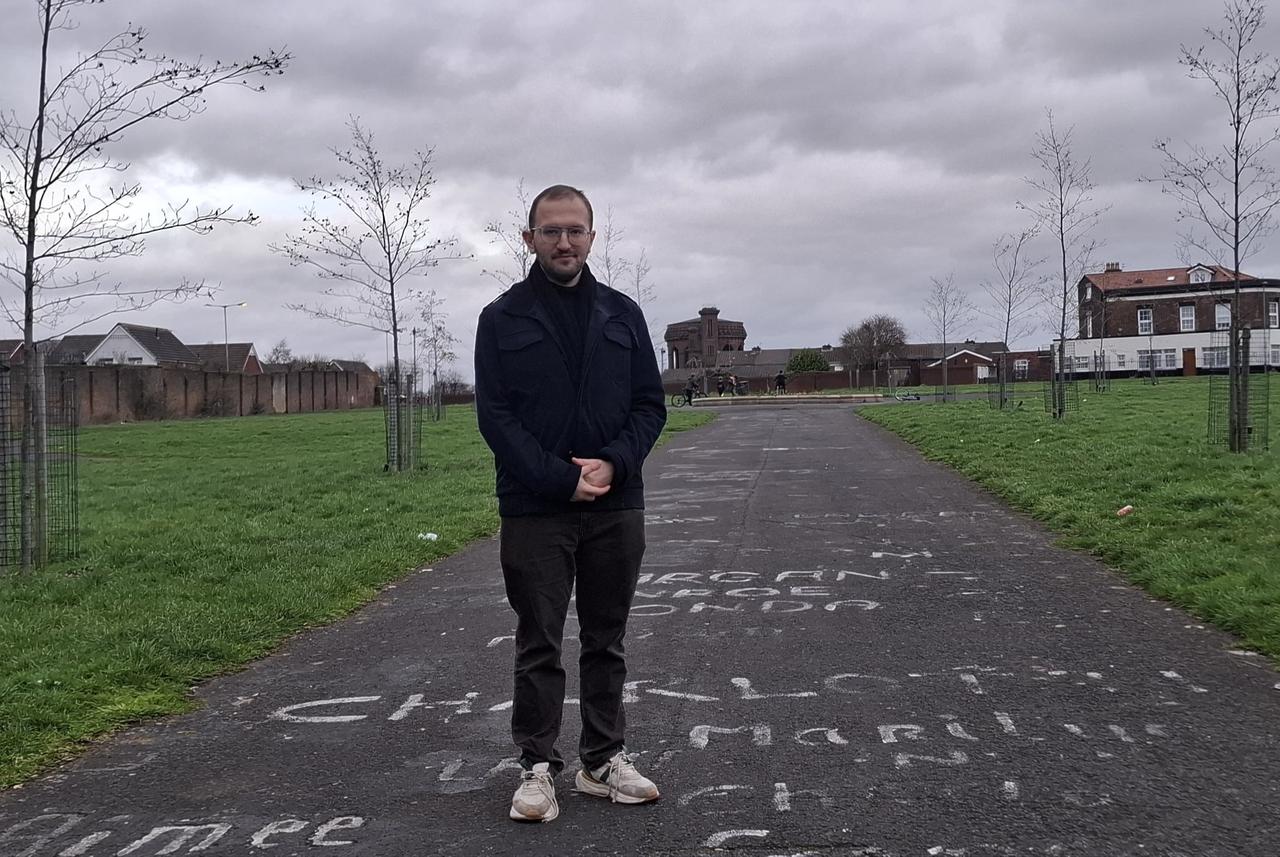

Muhammed Hasanov, a research fellow at Oxford University, discovered the cemetery 170 years later while conducting archival research for his doctoral thesis. He came across news of Hasan Mehmed’s burial while researching Ottoman consulates in Liverpool and Manchester.
Hasanov, an academic from Bursa, said he stumbled upon Hasan Mehmed’s burial in 2020 while conducting research in local archives for his PhD.
Through his research, Hasanov found that the Ottoman Empire had obtained assurances from the local authorities to protect the cemetery at a time when grave robbery was common.
Since there was no Turkish or Muslim population in the area, the cemetery was forgotten after the ship left the city. Hasanov said, “By the 1890s, another factor emerged: the establishment of the Ottoman Consulate in Liverpool. Another factor was Abdullah Quilliam, an Englishman who had embraced Islam.”
Hasanov explained that Quilliam established a mosque near the cemetery. “He was a Liverpool lawyer and journalist, very connected, and aware of the Ottoman cemetery. They started burying deceased Muslims there as well,” he said.
Hasanov noted that the forgotten cemetery resurfaced about 35 years later, but it was closed in 1898 when it reached capacity.
During this period, Mehmed Kamil Bey, the Ottoman Consul in Liverpool, wrote directly to Sultan Abdul Hamid II proposing the establishment of a Muslim cemetery in Liverpool, but bureaucratic difficulties shelved the project.
After Mehmed Kamil Bey was reassigned, the cemetery was forgotten again, and in 1914, the entire cemetery was converted into a park named “Grant Gardens.”
After uncovering the cemetery, Hasanov reported the matter to Türkiye’s Consulate in Manchester in 2023. Contact was made with Liverpool City Council, and a project to restore it has begun.
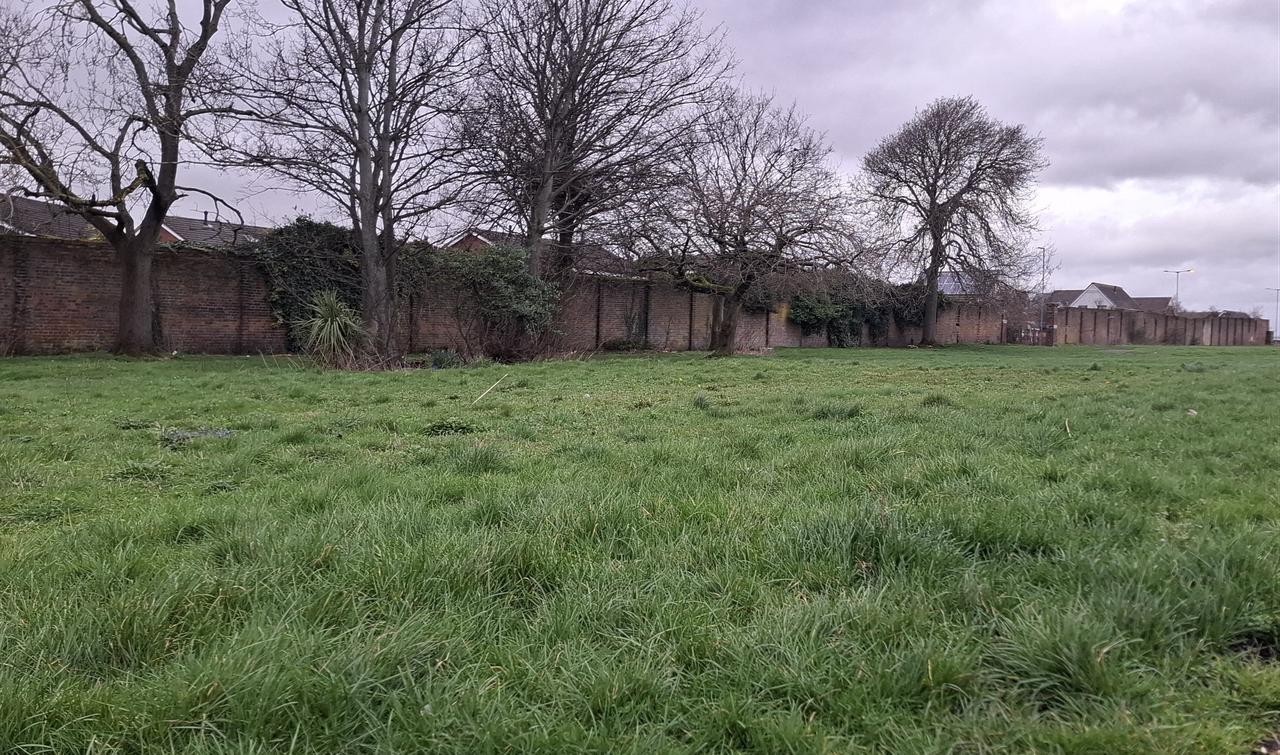
Hasanov said that the grave of Mustafa Enver Bey, whom he believes was an officer, was marked in Arabic by Pierre Mussabini, the Ottoman honorary consul in Liverpool in 1856-1857.
“It is known that the Arabic inscription was read by missionaries in the 1860s. The other graves have no markers, and the Arabic inscription has worn away over time.”
Even though no gravestones or photographs remain, Hasanov emphasized that cemetery maps and grave numbers exist, and the graves have not been moved; only the ground was leveled, so the burials remain in their original spots.
He noted that June will mark the 170th anniversary of the ship’s arrival in Liverpool and stressed the importance of restoring the cemetery and building a monument in the park.
The restoration project has been slowly progressing for about 1.5 years with Liverpool City Council.
There are three known Turkish war cemeteries in England: the naval cemetery in Portsmouth with 26 graves, the air force cemetery in Brookwood with 14 graves, and the Manx Turkish War Cemetery on the Isle of Man with seven Turkish soldiers buried.


 Set as preferred source
 Set as preferred source



 2 min read