Newsletters


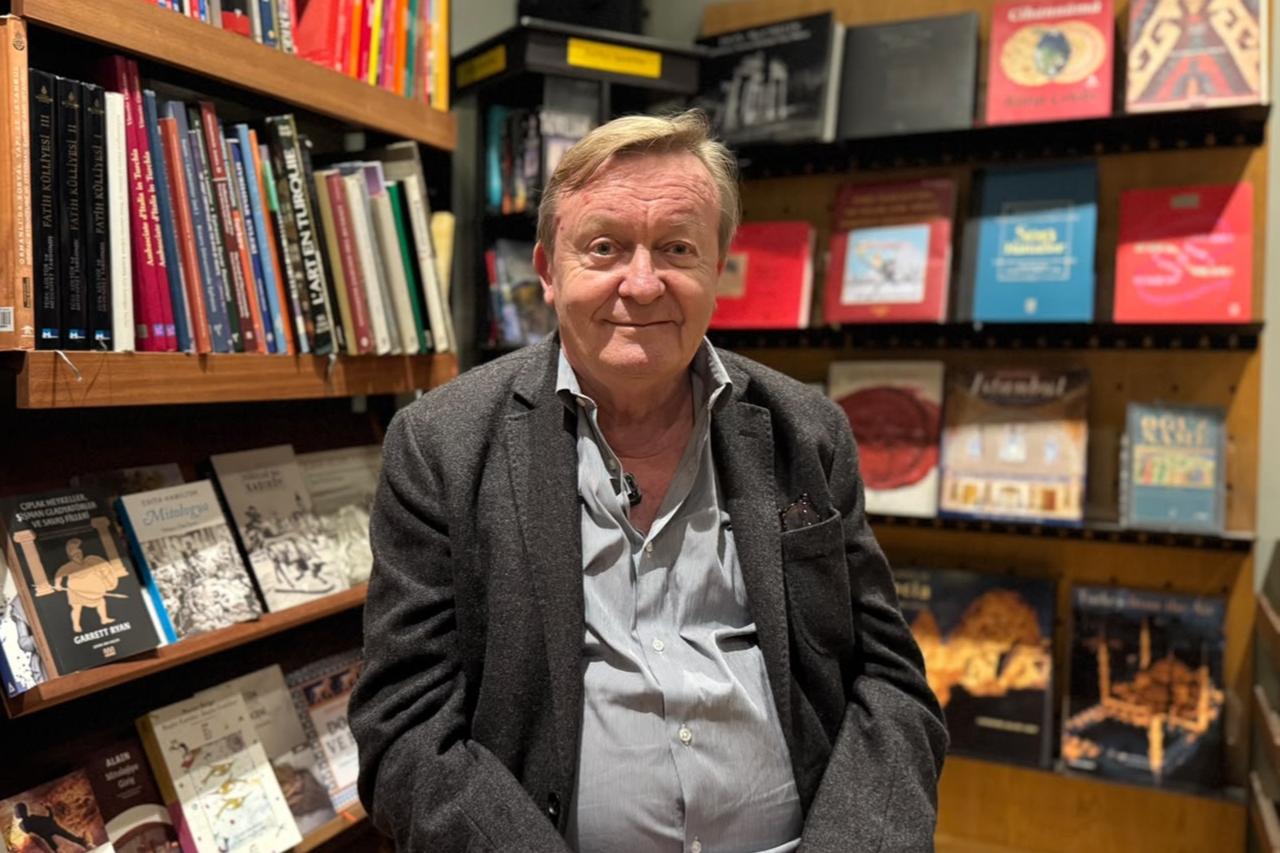


French novelist Jean Echenoz says that writing fiction about real people means walking a tightrope between respecting the facts and giving imagination its due.
The Goncourt Prize-winning author spoke in Istanbul during a visit organized by Turkish publisher Ketebe Yayinlari, discussing his biographical novels, his approach to language and what the prize changed in his life.
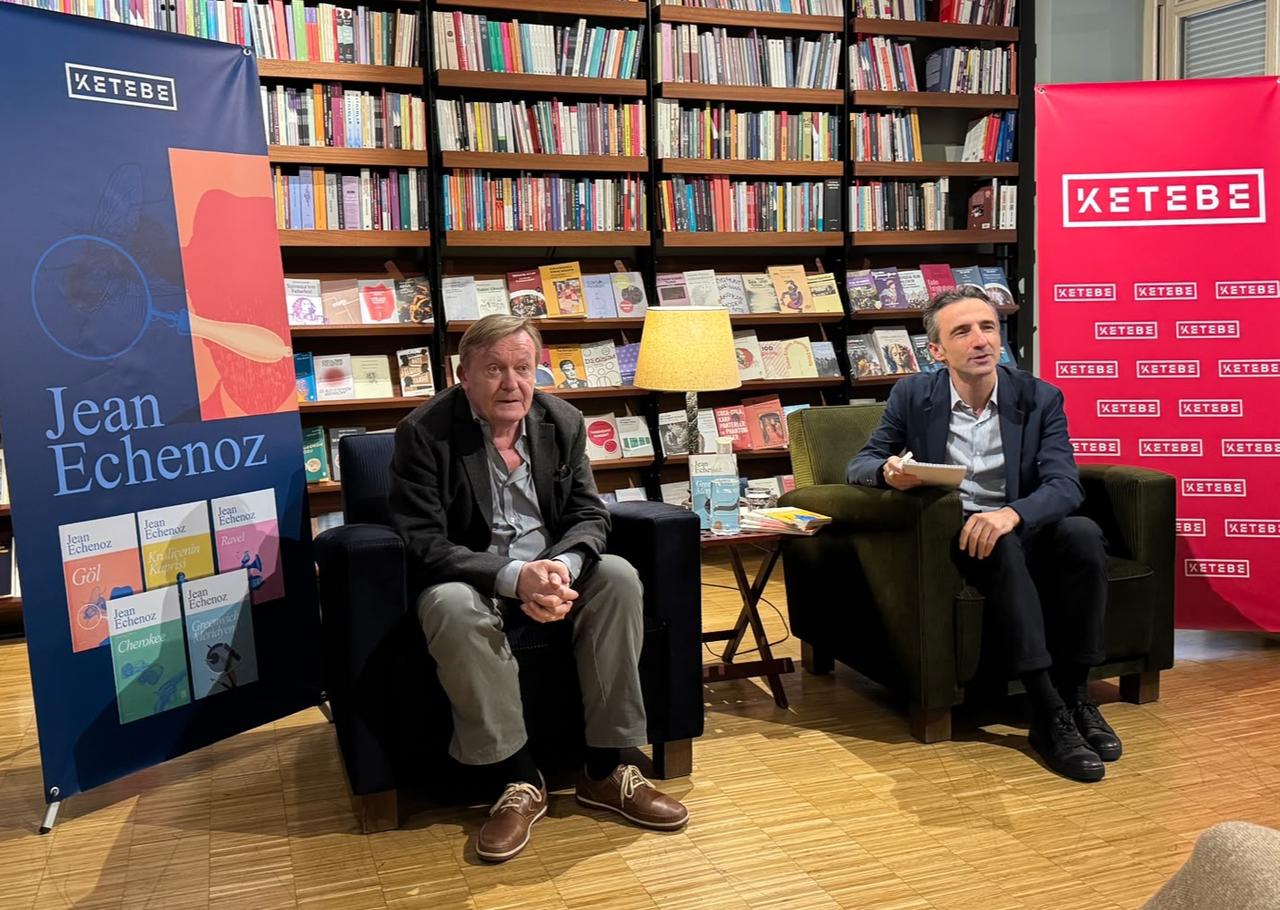

Born in 1947, Jean Echenoz published his debut novel in 1979 and claimed France's prestigious Prix Goncourt in 1999 for "I'm Gone."
He later authored a trilogy of biographical novels centering on composer Maurice Ravel, Czech runner Emil Zátopek, and inventor Nikola Tesla—a trio he views as a musical suite.
"Ravel," the first entry, posed the steepest challenge. "The delicate part was to write neither only a novel nor only a biography, but both at once," Echenoz said. "It was like walking a tightrope."
While feeling bound to honor his subjects' real lives, the author noted that his role as a novelist—rather than a historian—granted him the creative freedom to shape the material. Ultimately, Echenoz considers all three works novels rather than biographies.
"Part of a writer’s job is to struggle with language, to shake it a little, but also to respect it," the author said. French grammar is forgiving, he added, "You can suggest new things to it, and it usually accepts them."
Sound is central to his writing, including rhythm and the link between sound and meaning.
That made him doubt his work could be translated, he said, so seeing it published in other languages, including Turkish, has been a relief.
The Goncourt, he said, changed his circumstances but not his writing. "When I won it, I had very little money," he said. "The main advantage of the prize is that it gives a writer enough to live on. It made me feel freer."


 Set as preferred source
 Set as preferred source



 1 min read