Newsletters




Turkish archaeologists at Gaziantep University are tracking down Ice Age-era traces across the province of Gaziantep, aiming to map where early humans lived and how they moved through the region, in a field project designed to bring new evidence into the academic record.
Working under the "Gaziantep Pleistocene (Ice Age) Surface Survey Project," the research team has been walking along riverbeds and older geological deposits to pick up signs of past human activity.
The Pleistocene is the long geological period often referred to as the Ice Age, stretching from about 3 million years ago to around 10,000 years ago, and the team says their finds are starting to shift what is known about the area in prehistory.
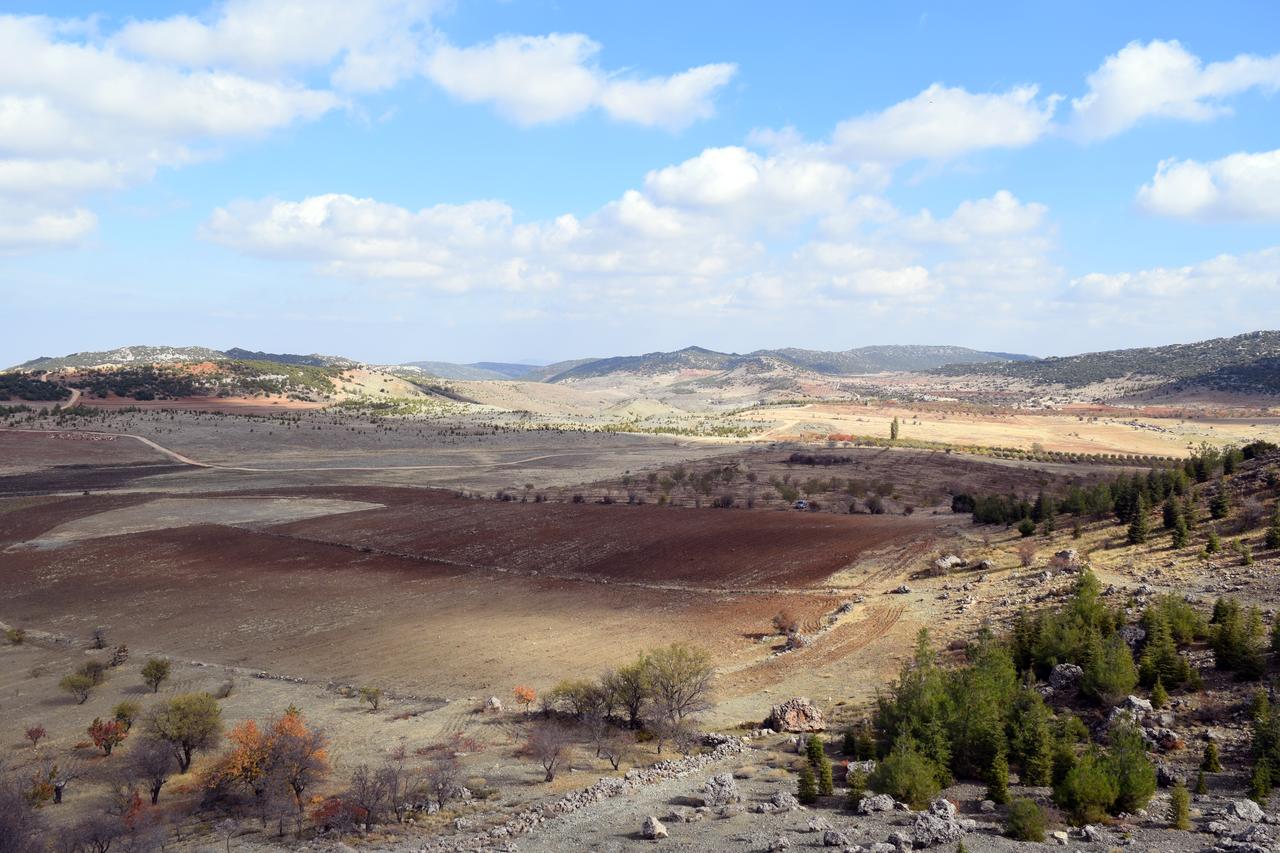

Project members are covering roughly 25 kilometers (15.5 miles) a day on foot as they follow river corridors and sediment layers where traces of ancient activity can be preserved.
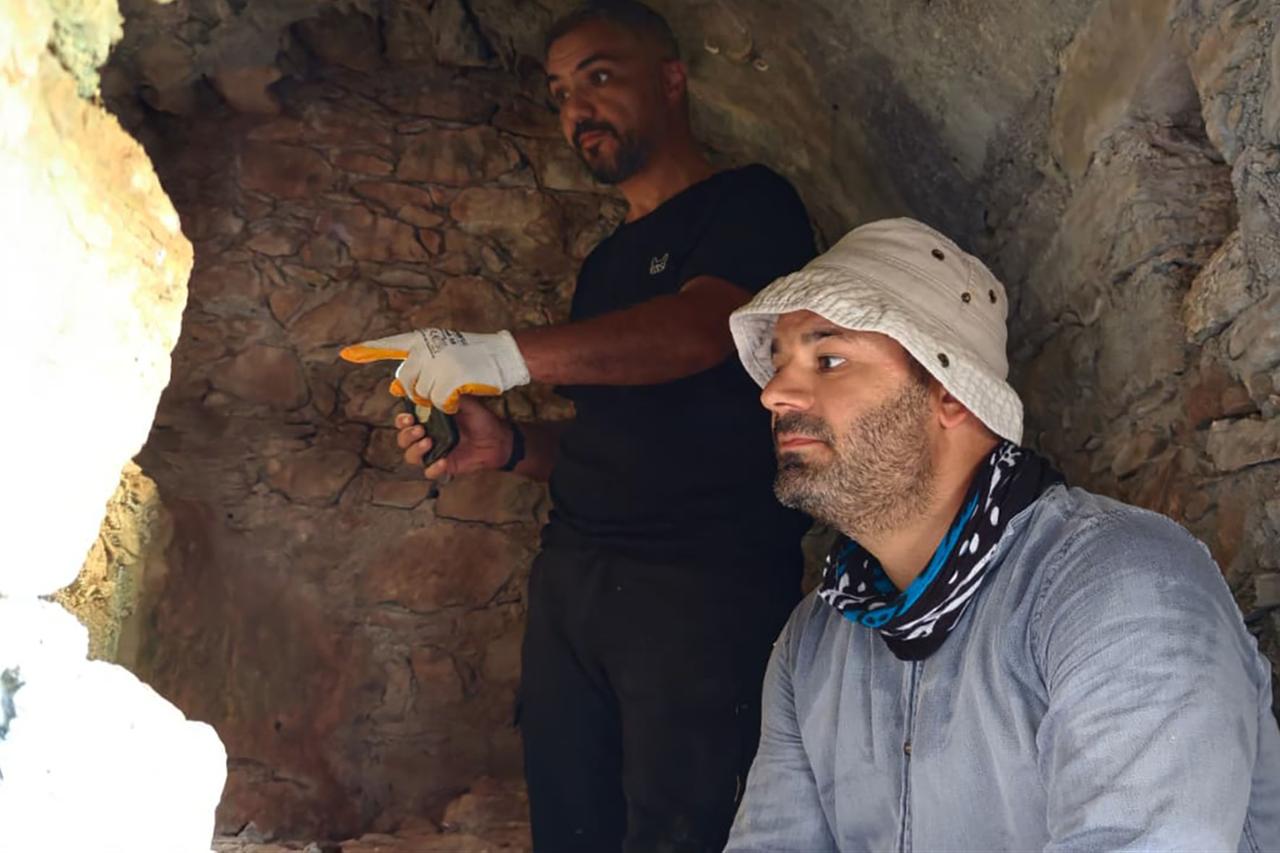
After working this way, they have also been coming across previously undocumented caves and rock shelters, where archaeological remains appear to have survived in protected conditions.
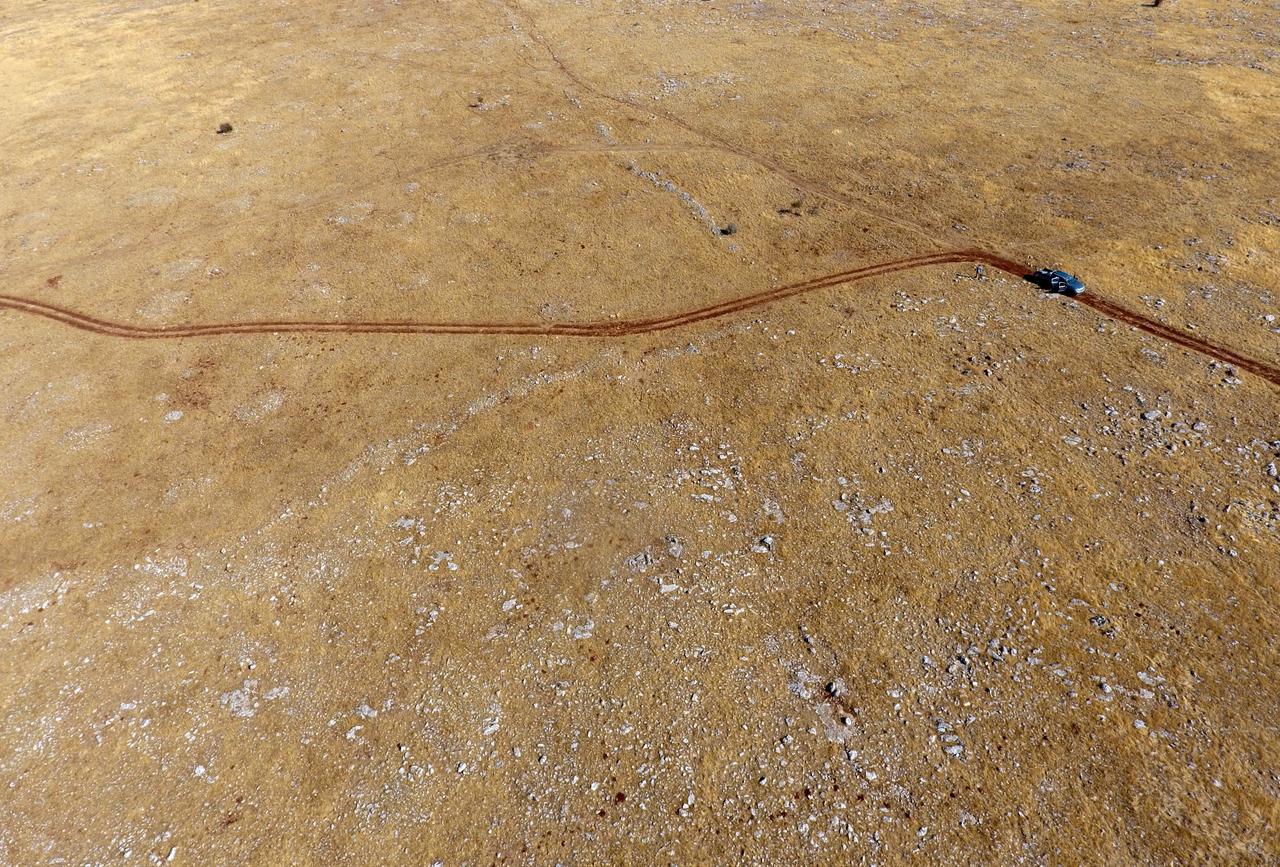
The project began in 2023 and has already wrapped up survey work in parts of Yavuzeli, Araban, Sehitkamil, the eastern section of Nurdagi, and selected areas of Islahiye.
The team is planning to carry on with further fieldwork in the districts of Nizip, Oguzeli and Sahinbey.
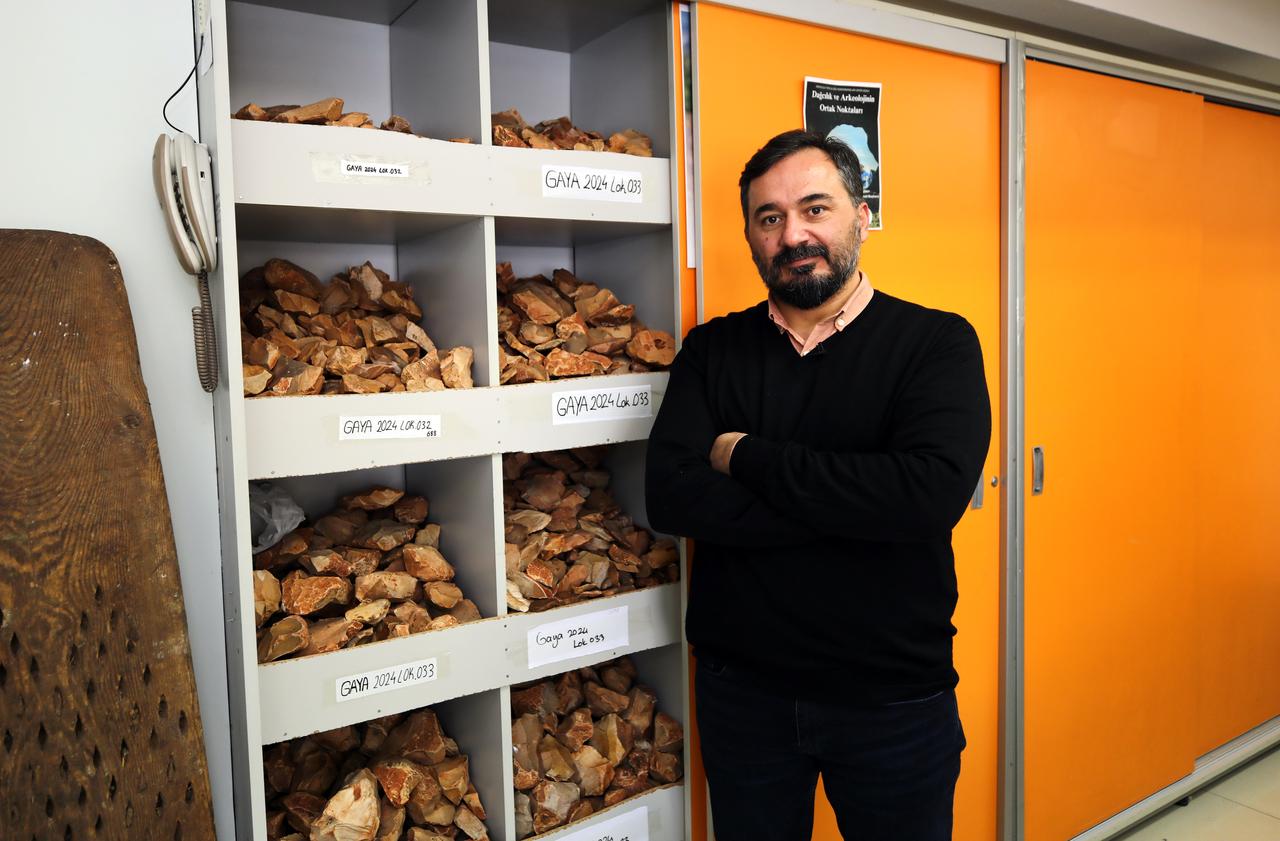
Professor Ismail Baykara from the university’s Archaeology Department said Gaziantep holds a special position in Türkiye for Pleistocene research, describing it as a landscape that brought together raw materials, water resources, and environmental conditions that early communities needed.
Baykara also indicated that some of the caves identified in Gaziantep could end up having the potential to influence the wider Pleistocene chronology of Anatolia, a term that refers to the Asian part of modern-day Türkiye.
He noted that these remains also matter for understanding human activity before the shift toward the Neolithic period, the era associated with farming and settled village life.

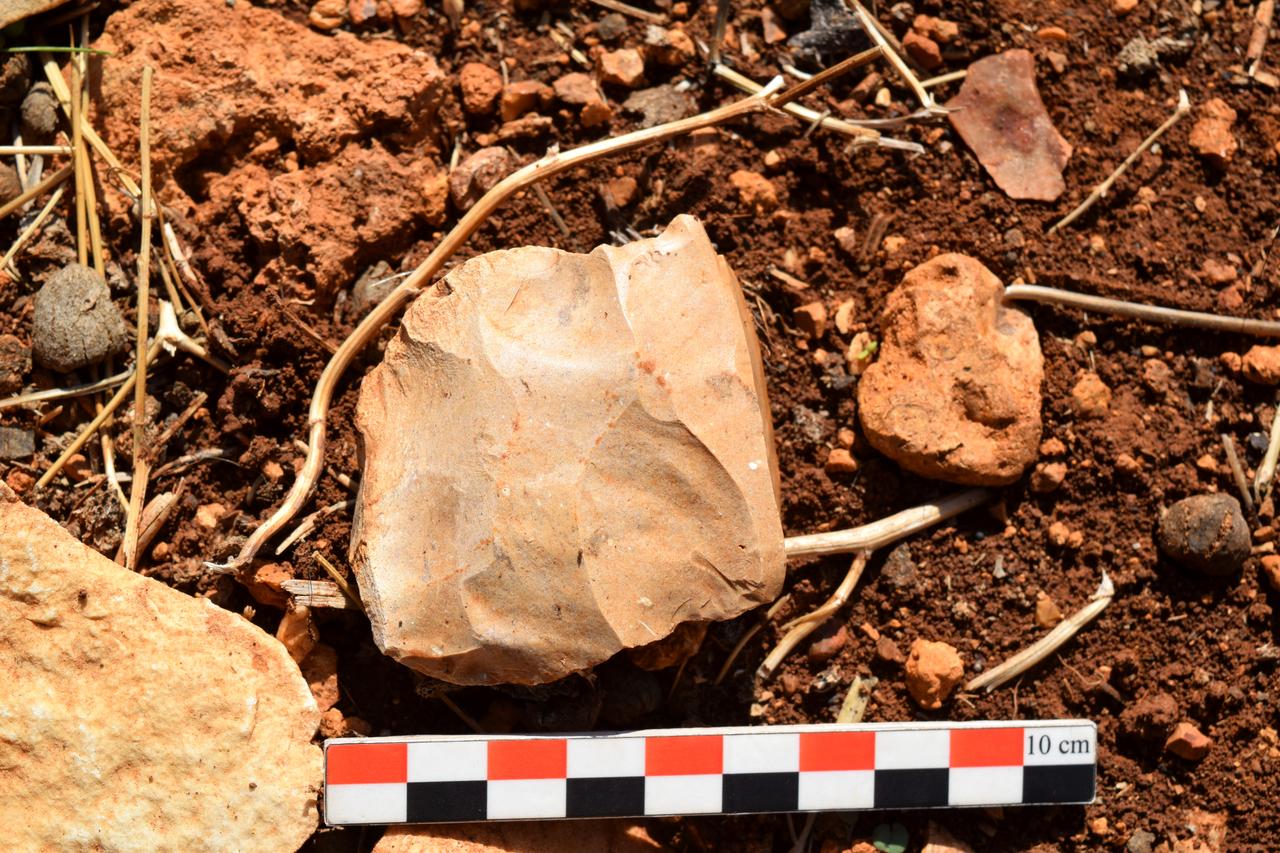
According to Baykara, analyses suggest the region’s history can be traced back roughly one million years, based on the production methods, traditions and variety seen in knapped stone tools, meaning tools made by striking stone to shape sharp edges.
He said the evidence points to prehistoric people staying on the move as they tracked animal herds migrating in harsher cold conditions, while also carrying their toolmaking traditions with them and producing new tools as they reached different areas.
He added that finds in caves and rock shelters support the view that people picked these protected spaces as living areas to shield themselves from severe climate conditions.


 Set as preferred source
 Set as preferred source


 8 min read