Newsletters


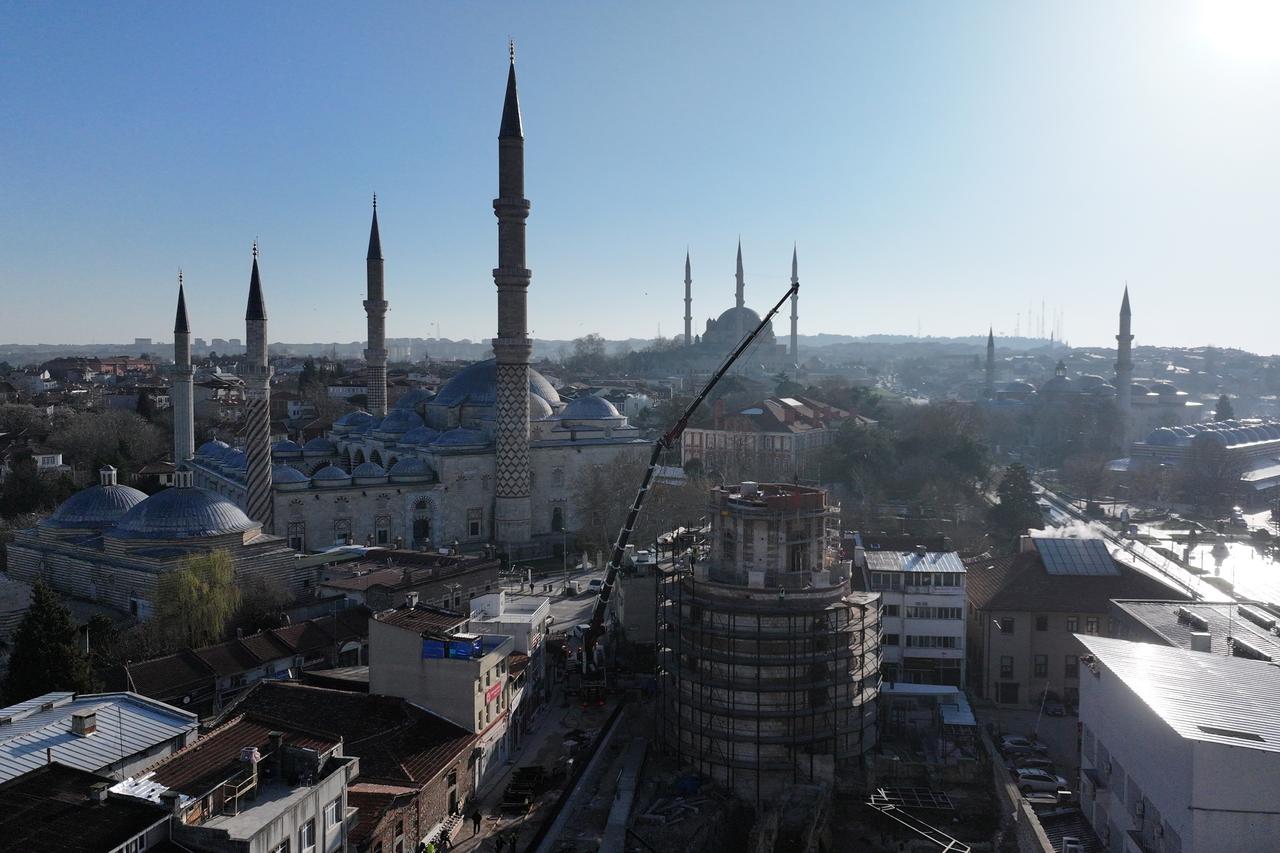


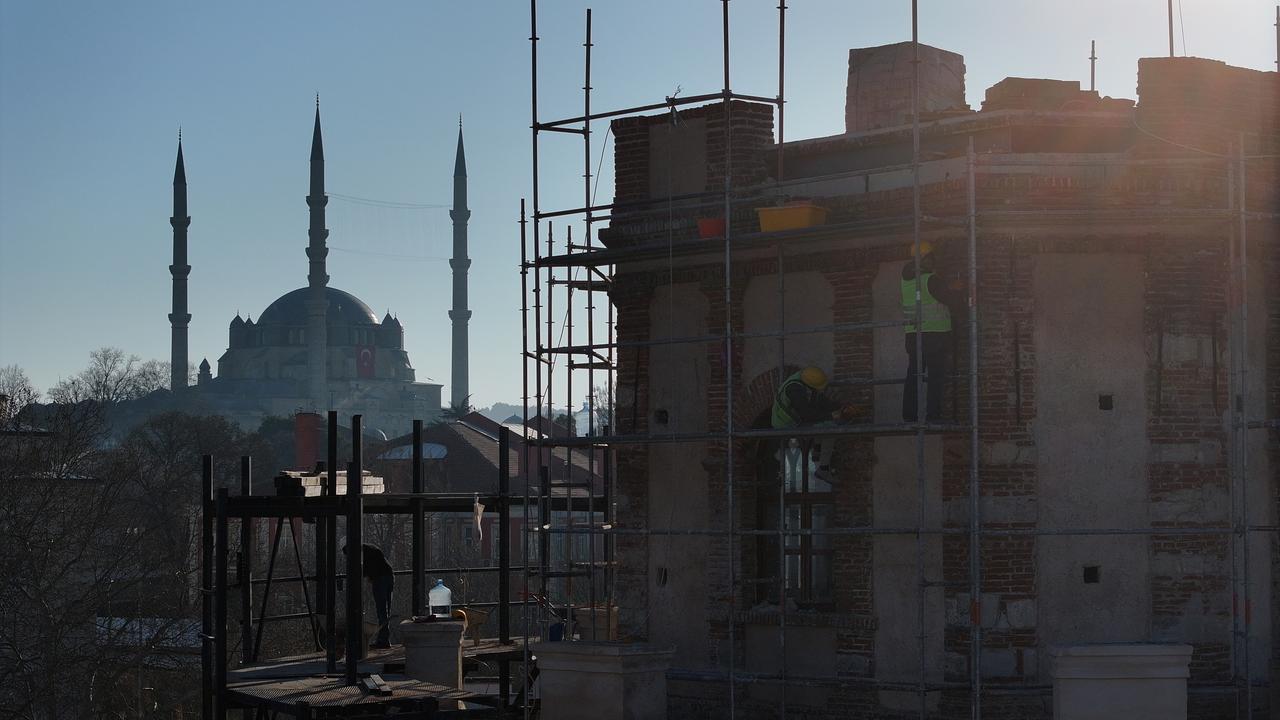
The exterior restoration of the historic Macedonian Tower in Edirne, a structure that carries architectural traces from the Roman, Byzantine and Ottoman periods, has been completed as part of a wider conservation project launched by Türkiye’s Ministry of Culture and Tourism.
Known locally as the Macedonian Clock Tower, the structure stands among the most recognizable historical landmarks of Edirne, a northwestern Turkish city near the borders with Greece and Bulgaria. Restoration works that began in 2021 focused on strengthening the structure and protecting the tower’s original fabric while preparing the site for future visitors.
A large part of the restoration process has now been finalized following extensive conservation work on the tower’s outer surfaces. During the project, specialists carried out ground and wall scans using georadar technology, a noninvasive method used in archaeology and engineering to detect structural conditions beneath surfaces.
Engineers strengthened the rubble-stone walls by injecting stabilizing material into internal cavities. At the same time, vegetation and woody roots that had gradually damaged the structure were removed from both the tower and the surrounding archaeological area.
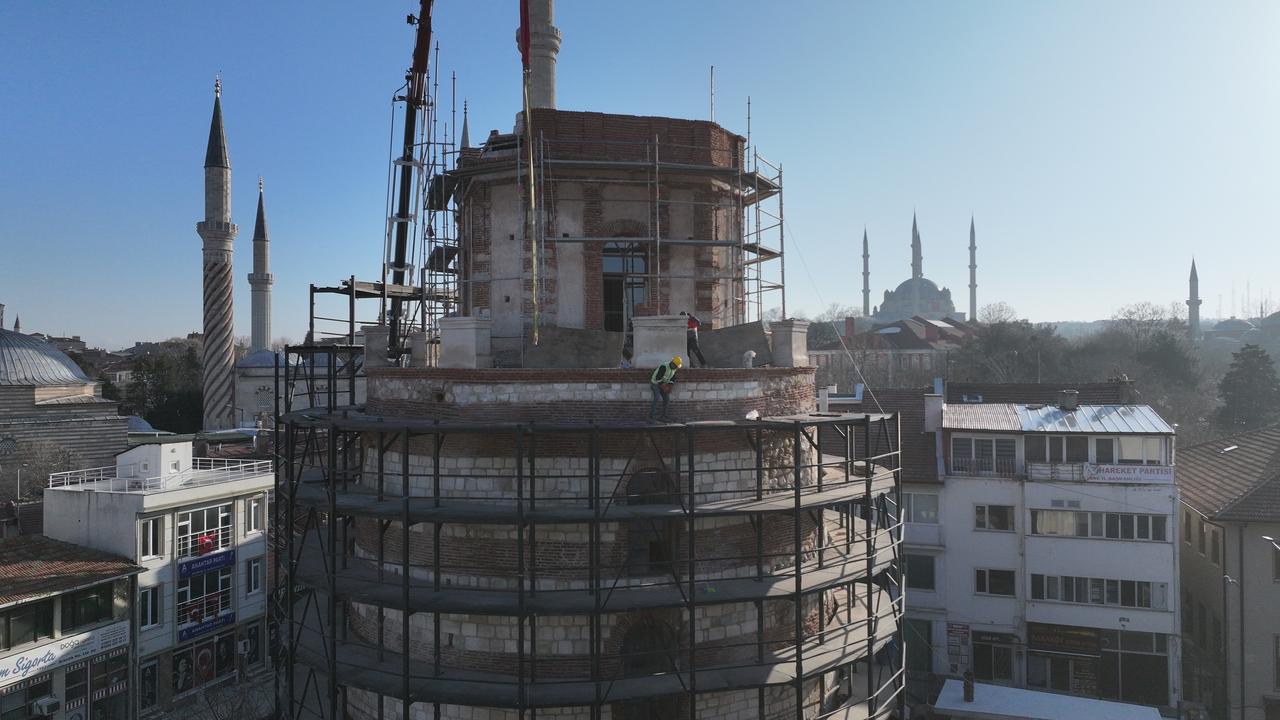

Previous cement-based mortars and plaster layers that had been applied to brick and stone surfaces were also stripped away. Conservation teams replaced them with mortar and joint materials compatible with the tower’s original construction techniques.
In addition, nearby electrical lines that posed safety risks and unauthorized additions around the monument were dismantled.
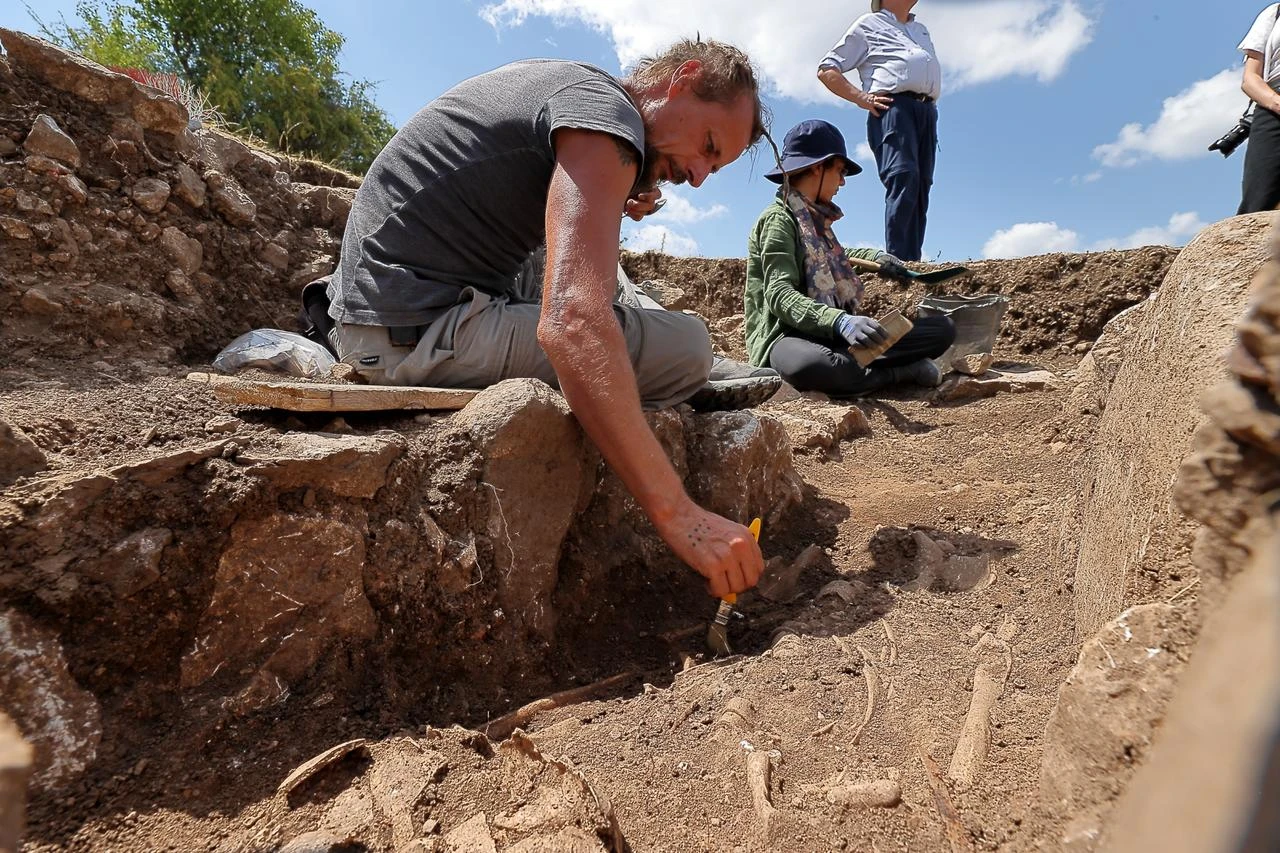
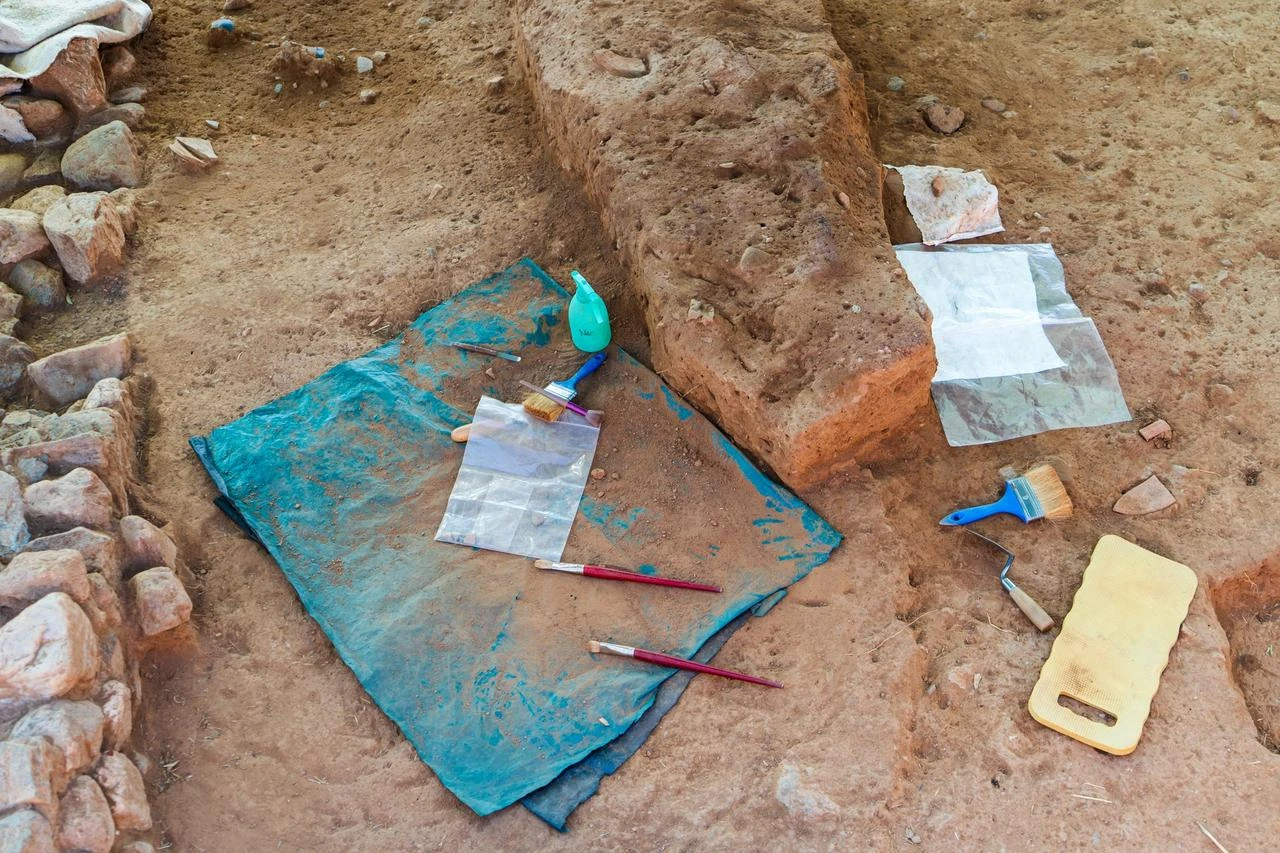
While restoration continued above ground, archaeological excavations behind the tower brought to light several significant discoveries that reflect Edirne’s layered past.
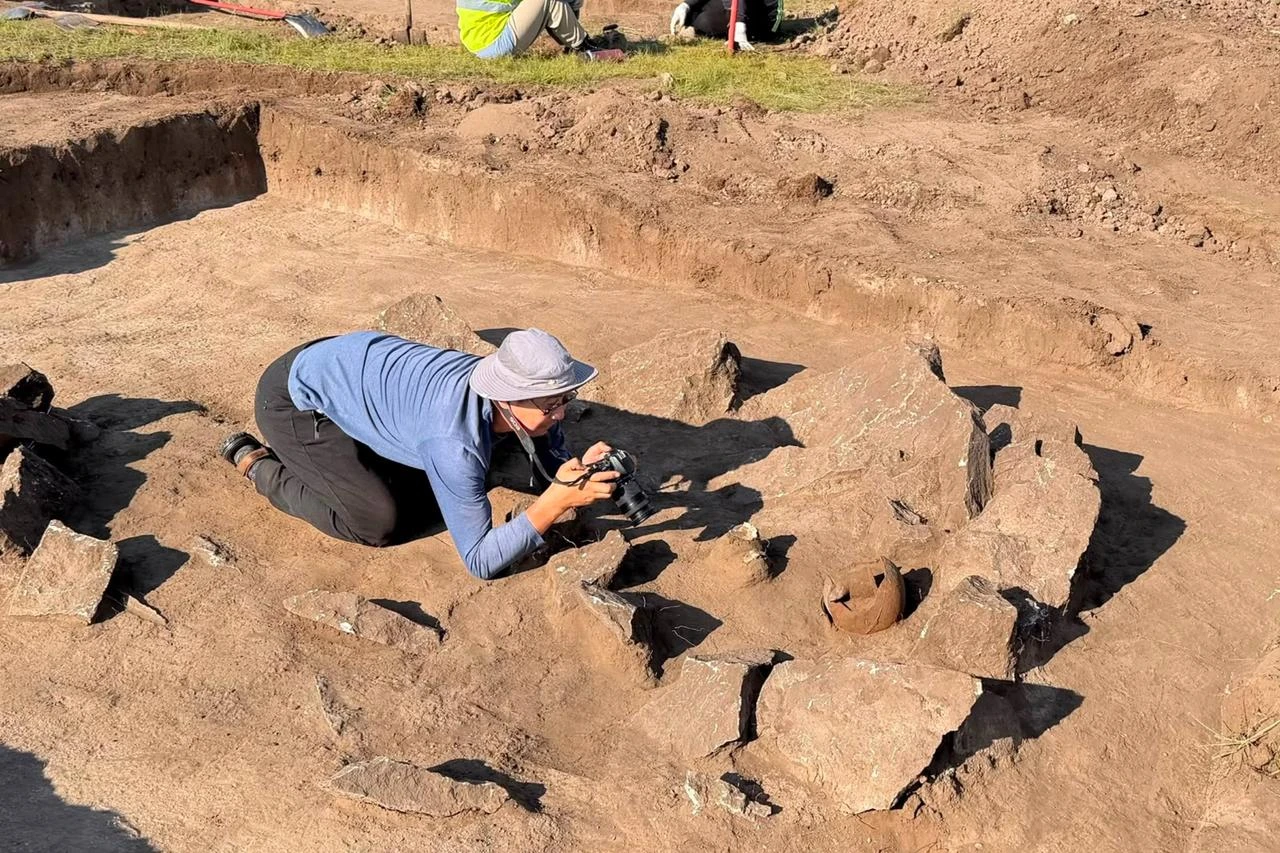
Researchers uncovered the annex of a chapel dating to the 10th century, along with a Byzantine-era ceramic kiln. Excavations also revealed an Ottoman icehouse built in 1908, elements of an Ottoman infrastructure system and the foundations of residential buildings from the late Ottoman period.
Further investigations identified additional ceramic kilns as well as inscriptions linked to the Roman, Byzantine and Ottoman eras, highlighting the site’s continuous use across centuries.
Although most structural restoration work has been completed, several parts of the broader project are still in progress. Teams continue to work on the tower’s interior layout as well as walking paths and protective platforms around the archaeological site.
Once the project is fully finished, the tower will include a panoramic elevator, observation terrace and informational display areas designed to guide visitors through Edirne’s historical development.
Visitors who reach the upper levels by elevator will descend through the tower via stairs, passing installations that illustrate the city’s evolution from the era of the Thracians, ancient peoples who lived in southeastern Europe, through the Roman and Ottoman periods and into the Republic of Türkiye.
The observation terrace at the top will allow visitors to look out across the city’s panoramic skyline.
The Macedonian Tower stands out as the only surviving tower from the ancient defensive walls that once surrounded Edirne. The fortifications were originally commissioned by Roman Emperor Hadrian, who ruled from A.D. 117 to 138.
In the 19th century, Edirne governor Haci Izzet Pasha added wooden upper floors and installed a clock in 1867, after which the structure became widely known as a clock tower. For a period it also served as a fire watch tower.
The tower suffered severe damage during a major earthquake in 1953. The additional wooden levels and the clock structure were later demolished with explosives following a report that said they disrupted the city’s visual character.
The monument underwent another restoration in the 1990s, and archaeological excavations were conducted around the site in the early 2000s by the Edirne Museum.


 Set as preferred source
 Set as preferred source


 3 min read