Newsletters


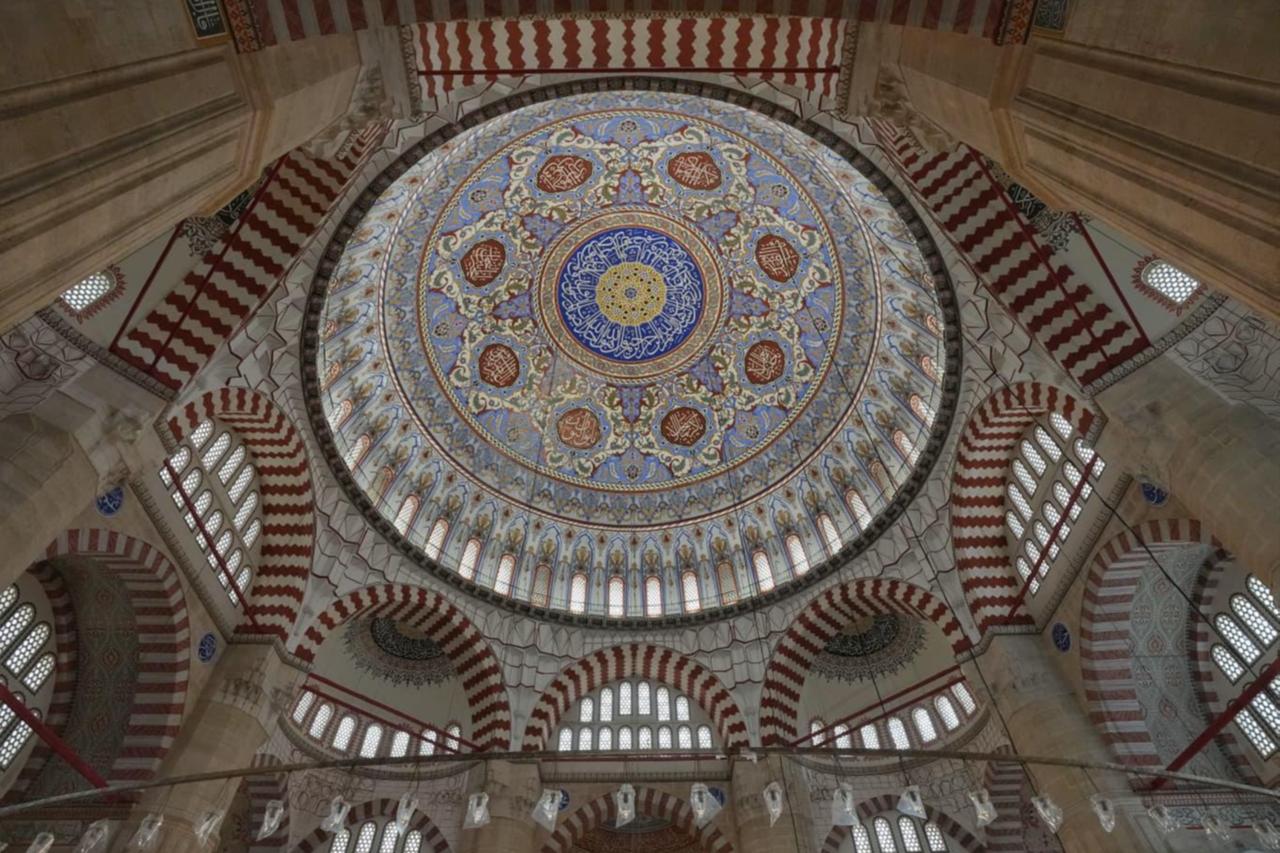


The 450-year-old Selimiye Mosque, listed as a UNESCO World Heritage Site and described by master architect Mimar Sinan as his “masterpiece,” is set to reopen at full worship capacity on the first day of Ramadan following the most extensive restoration ever carried out on the monument.
Conducted under the supervision of scientific advisory boards and led by the General Directorate of Foundations, the restoration marks a major milestone for one of the finest examples of 16th-century Ottoman architecture in Türkiye. Although the mosque remained partially open during the works, the new phase will allow worshippers to fully return to the historic structure while final exterior details continue.
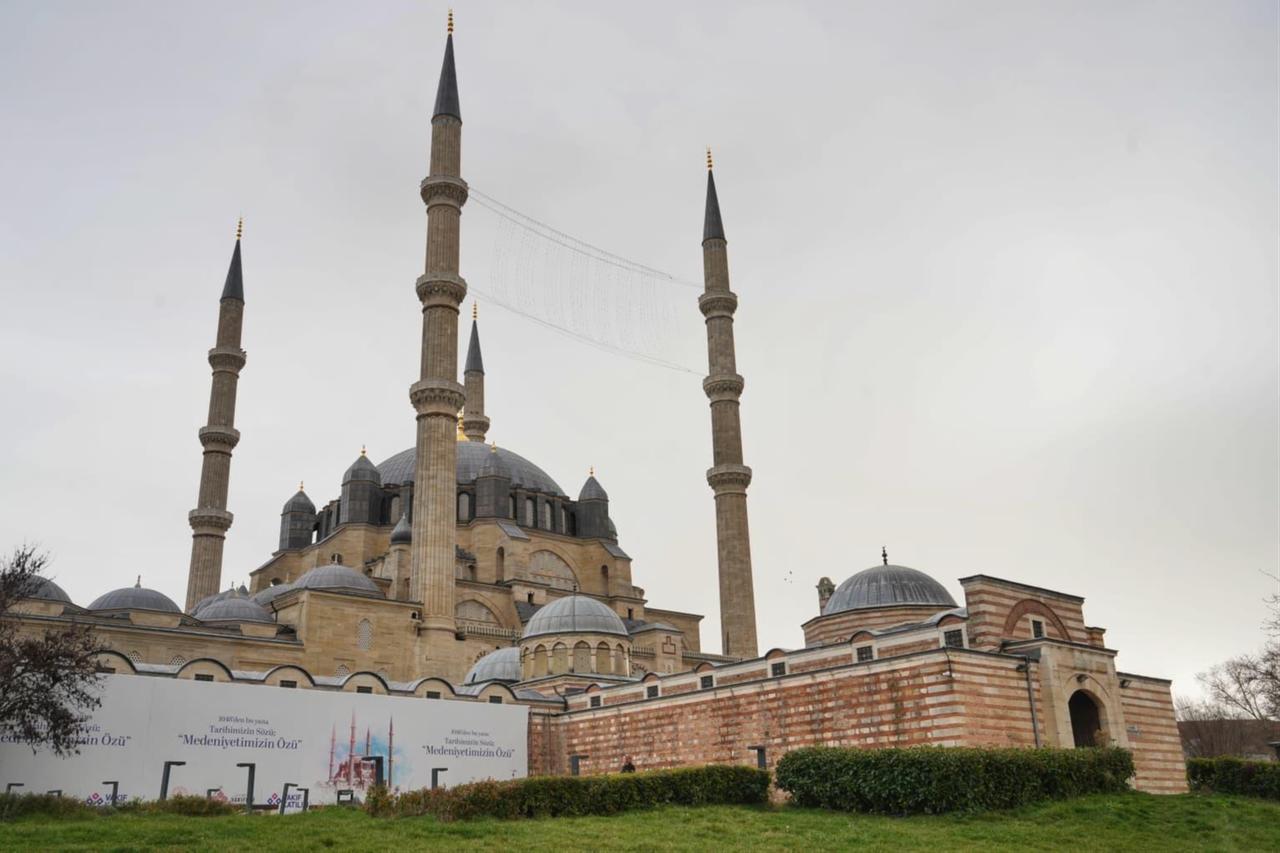

Work on the mosque began in November 2021 under academic supervision, with authorities emphasizing a holistic conservation approach rather than isolated repairs. Officials said earlier interventions carried out over centuries had addressed damage individually, whereas the current project examined the structure as a whole.
General Directorate of Foundations Director Sinan Aksu stated that the project represented the most comprehensive restoration ever undertaken at Selimiye, noting that the building had suffered significant damage during an earthquake in 1752 and underwent several repairs afterward. According to Aksu, the latest intervention was carried out entirely under the guidance of scientific committees to ensure long-term preservation.
Restoration teams focused first on structural stability, completing reinforcement and injection applications on the main dome while renewing its traditional lead covering. Similar work was carried out on the domes of the courtyard arcade, helping protect the structure from weather-related deterioration.
Over time, cement-based additions that were incompatible with the original construction were removed. Window frames made of glass and wood were fully renewed, while original wooden shutters and doors were repaired to address decay and material loss.
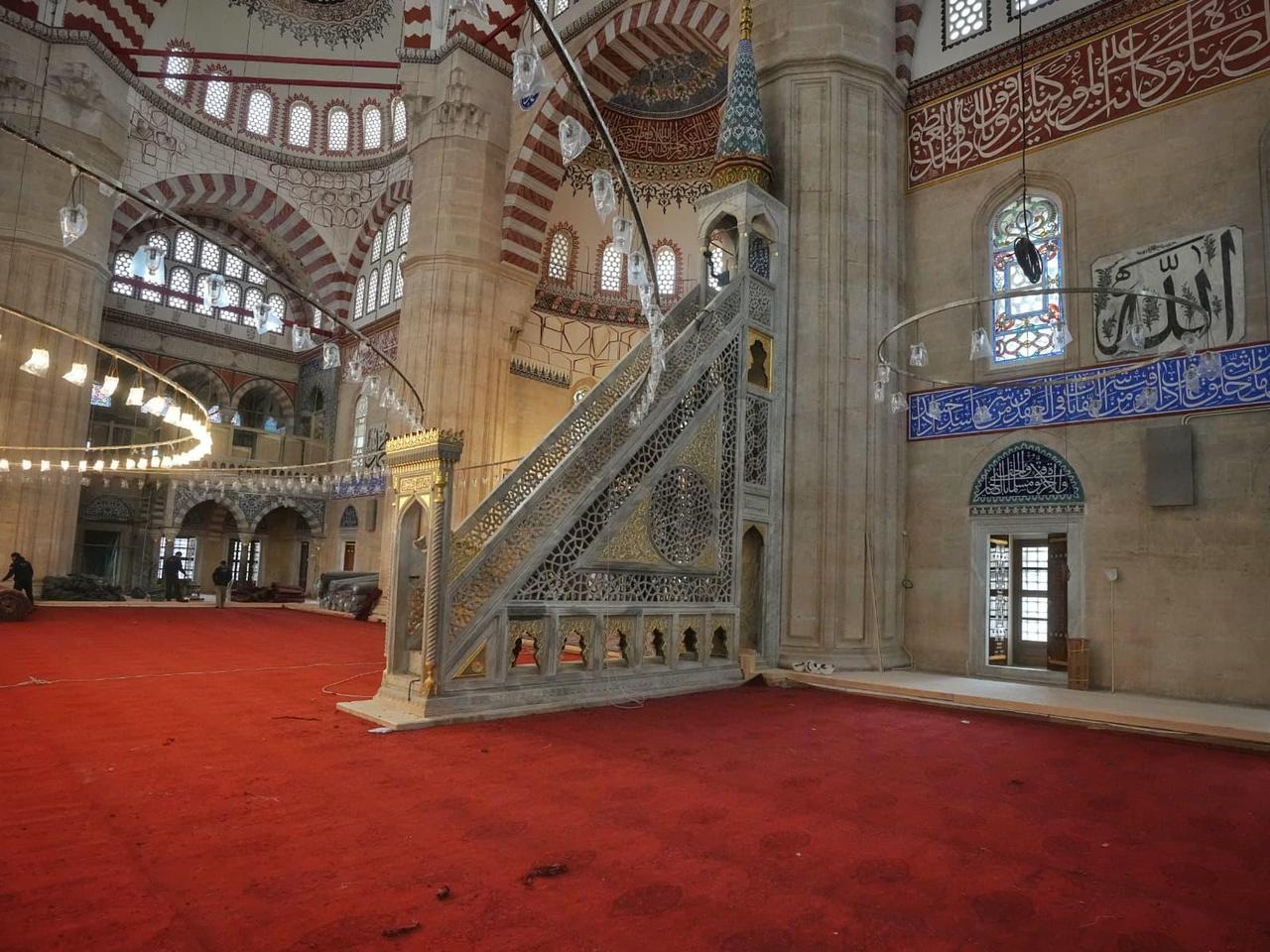
Inside the mosque, restoration specialists replaced modern glass and plexiglass elements installed during a 1983 repair with historically accurate glass systems supported by stainless steel structures. Exterior components previously coated with white cement were also replaced using water-resistant mortar and stainless fixtures designed to improve durability while respecting the original design.
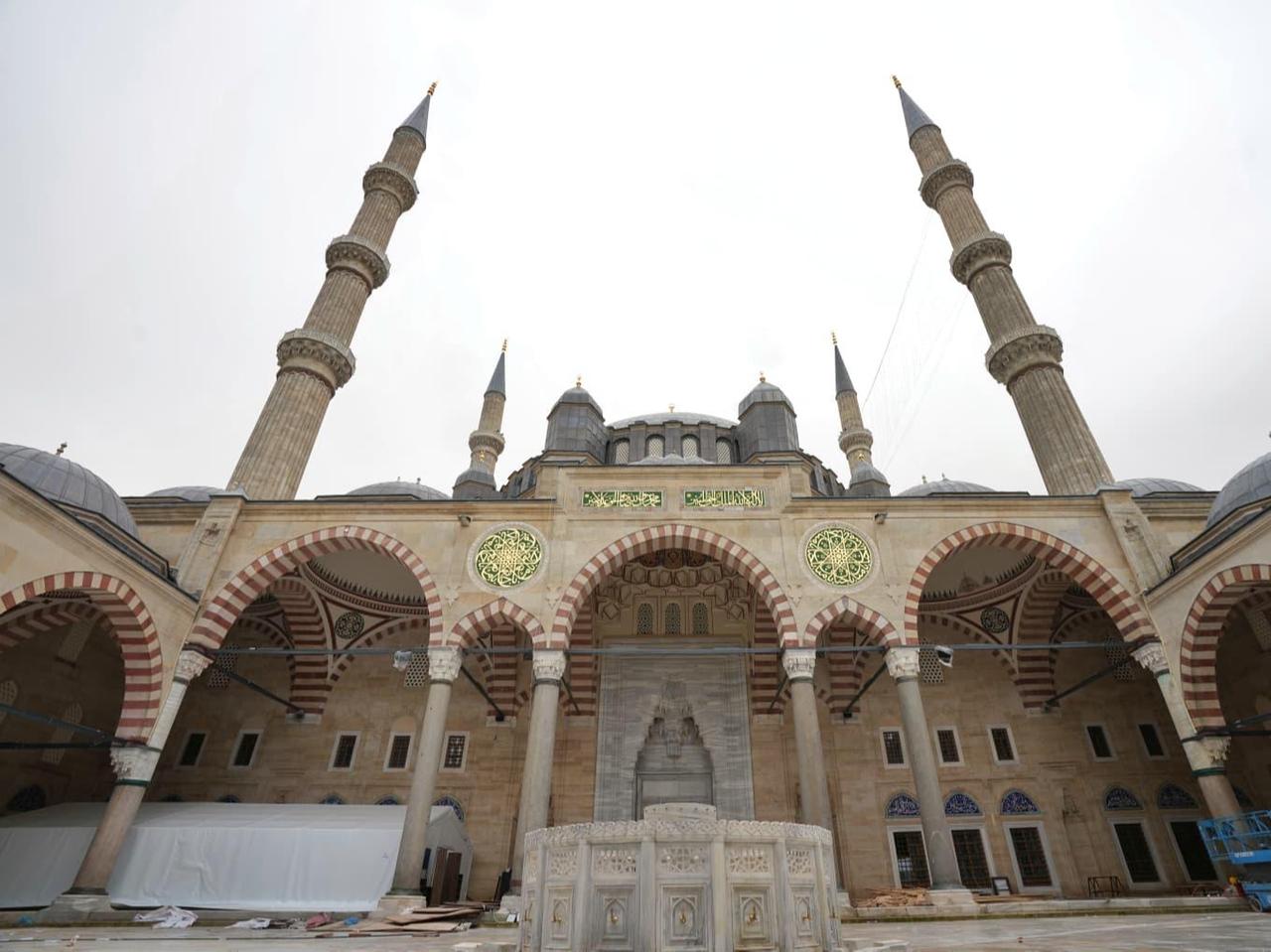
During inspections, experts determined that the mosque’s four minarets had experienced the greatest level of wear. Rising to approximately 85 meters including their finials, the minarets feature a rare triple-balcony and triple-staircase system allowing separate access routes inside each tower.
Strengthening and maintenance work on all four minarets has now been completed, ensuring structural safety without altering their historic appearance. Meanwhile, a newly woven carpet based on the original design has been placed inside the mosque.
Decorative repairs, including painted ornamentation and plaster embellishments across the main prayer hall and courtyard domes, have also been finalized. Work continues in the surrounding burial area, while tile cleaning and landscape arrangements represent the final stages of the project.
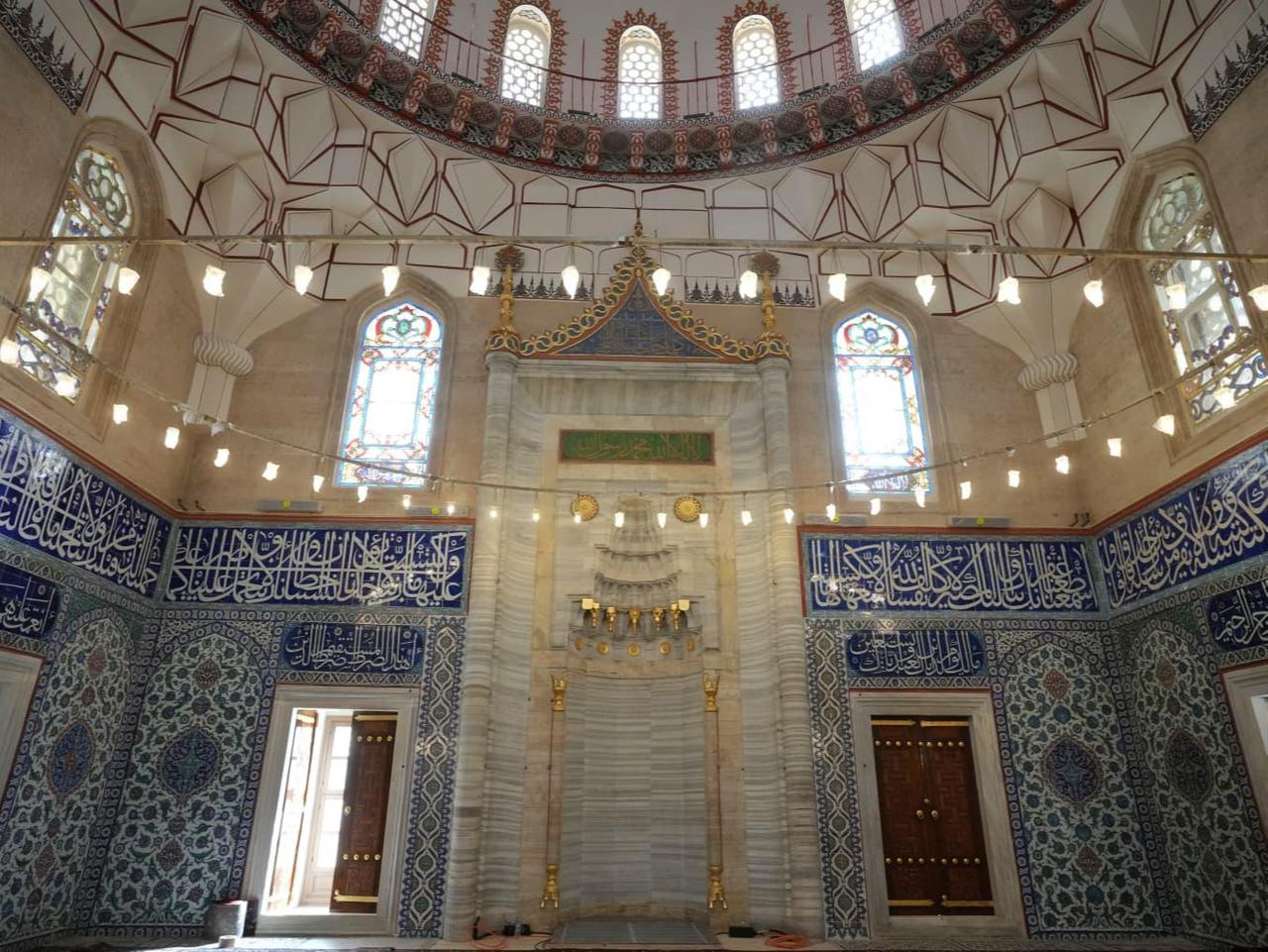
One of the most discussed aspects of the restoration concerned the dome ornamentation. Authorities explained that differing expert opinions emerged regarding whether the decoration should be altered or preserved.
Aksu said the decision followed UNESCO conservation standards and legal registration rules, which required the preservation of the existing registered motifs.
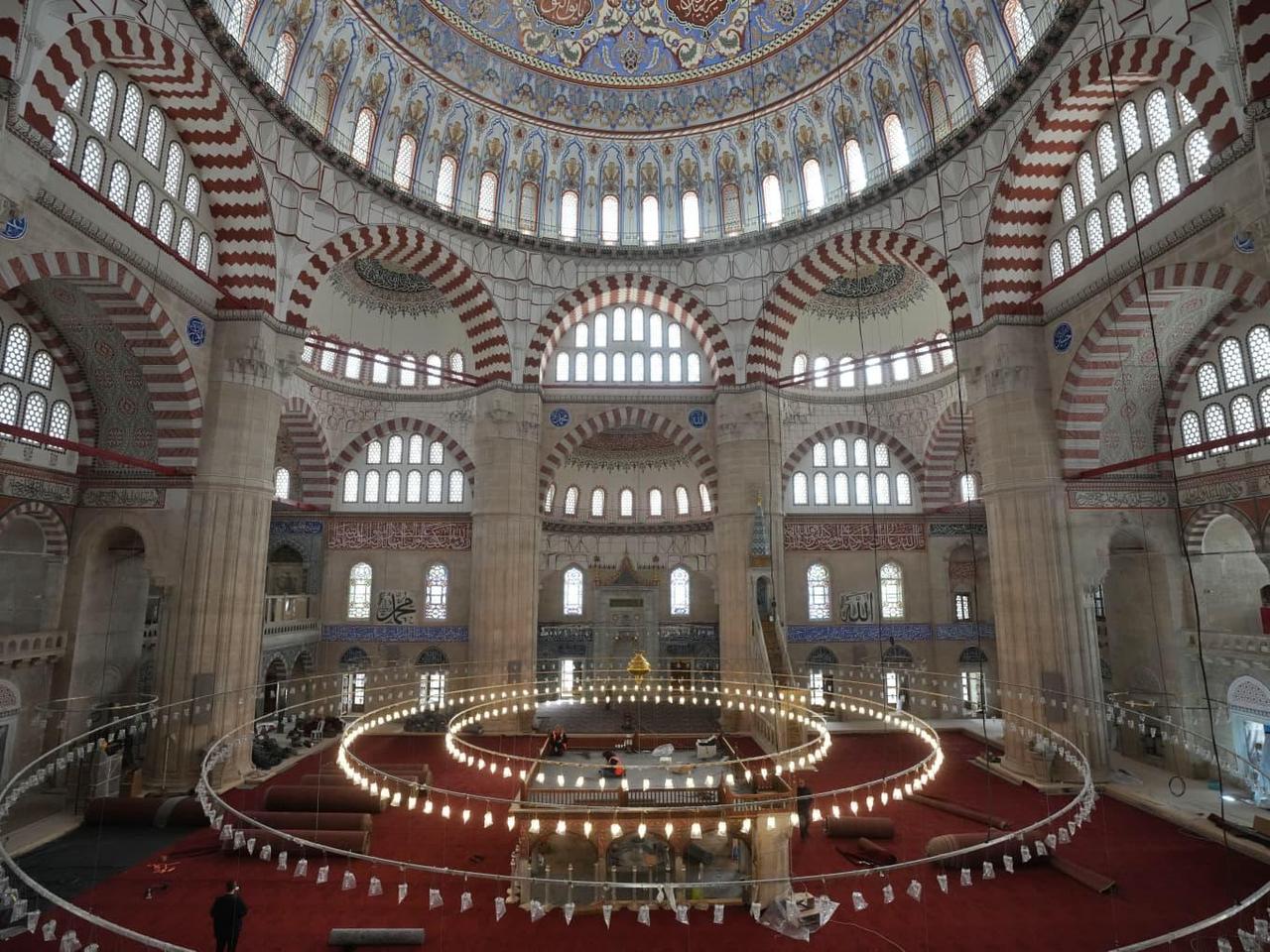
Officials emphasized that the outcome resulted from academic debate rather than political intervention, with specialists ultimately agreeing to maintain the registered decorative scheme.
Authorities confirmed that Selimiye Mosque will reopen fully for worship on the first day of Ramadan, even though minor landscaping and exterior restoration details are still underway. Once these remaining works are completed, an official inauguration ceremony is planned under the presidency of the country’s leadership.


 Set as preferred source
 Set as preferred source


 3 min read