Newsletters


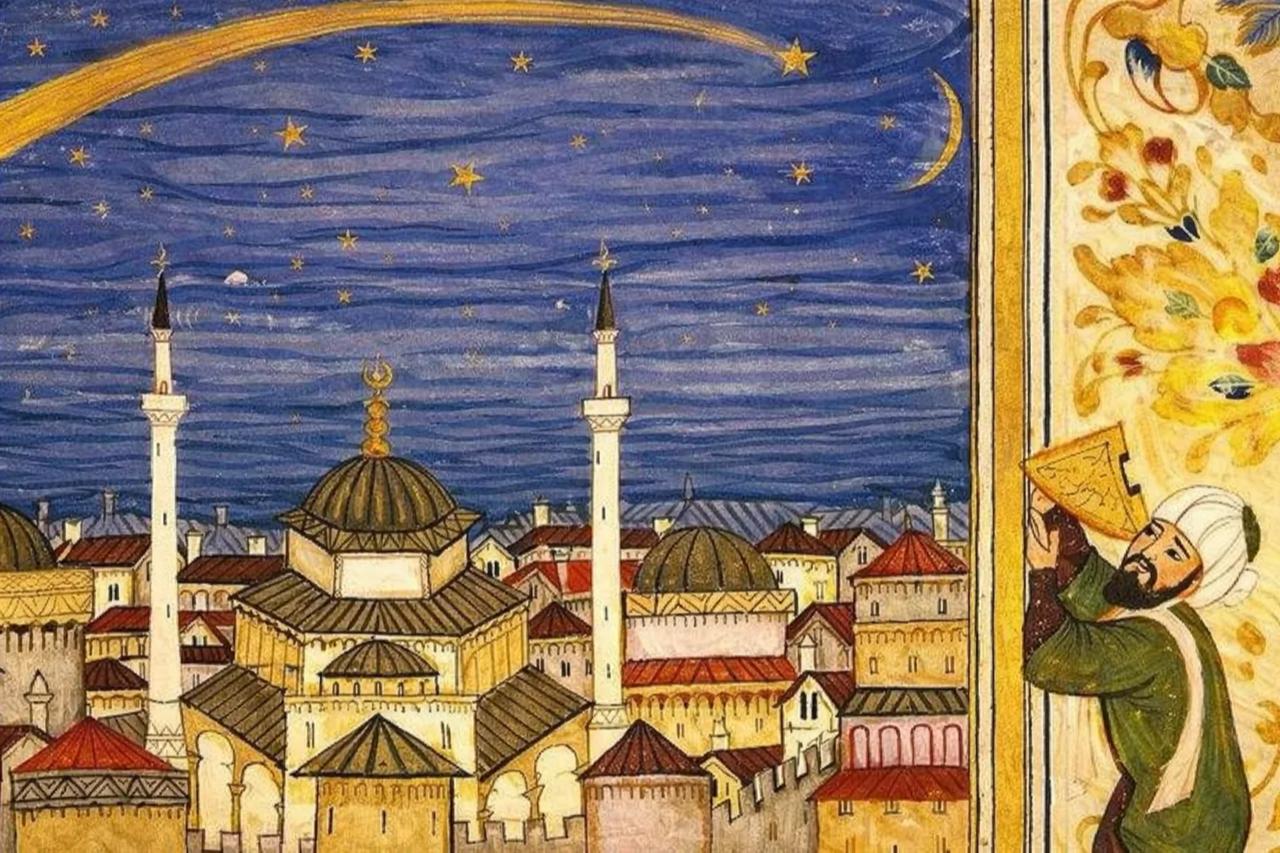


Interest in astrology has long extended from ordinary people to rulers, and the Ottoman world was no exception. Speaking to Türkiye daily, Professor Ekrem Bugra Ekinci said one of the most repeated stories about Sultan Mustafa III and astrology is not rooted in fact but in fabrication.
The claim says the Ottoman sultan asked the Prussian king for three powerful astrologers through the envoy Ahmed Resmi Efendi, only to receive a cutting reply: read history, keep the treasury full, and build a strong army. Over time, the story turned into a familiar contrast, portraying the Prussian ruler as wise and the Ottoman sultan as naive.
Ekinci, however, said the account was invented by a French ambassador.
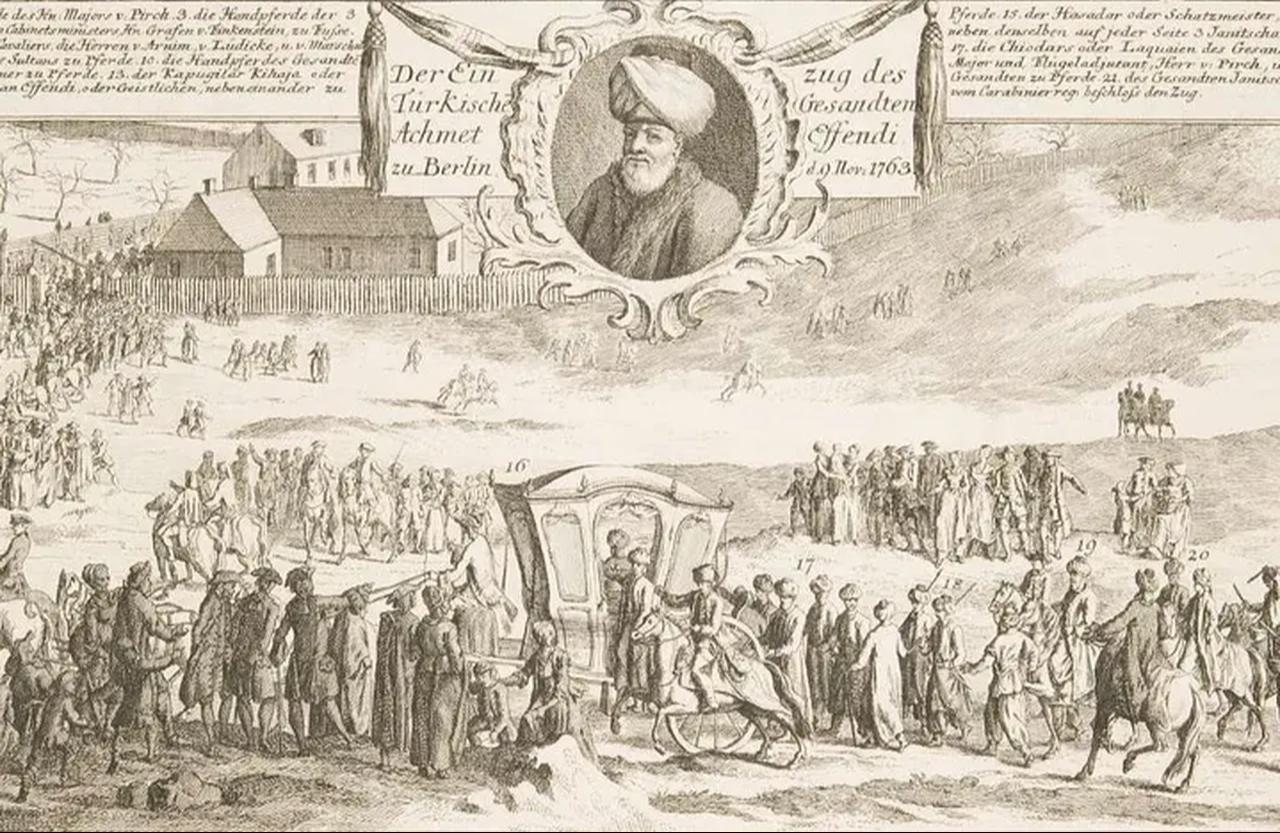

Ekinci said the story does not appear in Ahmed Resmi Efendi's own travel account, even though such a request would have had to be included if it had really happened. He underlined that the text was not a casual memoir but a diplomatic report, making the omission especially important.
For that reason, he argued that the widely circulated anecdote should not be treated as a reliable historical episode. Instead, he said it reflects an effort to belittle the Ottoman ruler while elevating Frederick of Prussia as a figure of reason and foresight.
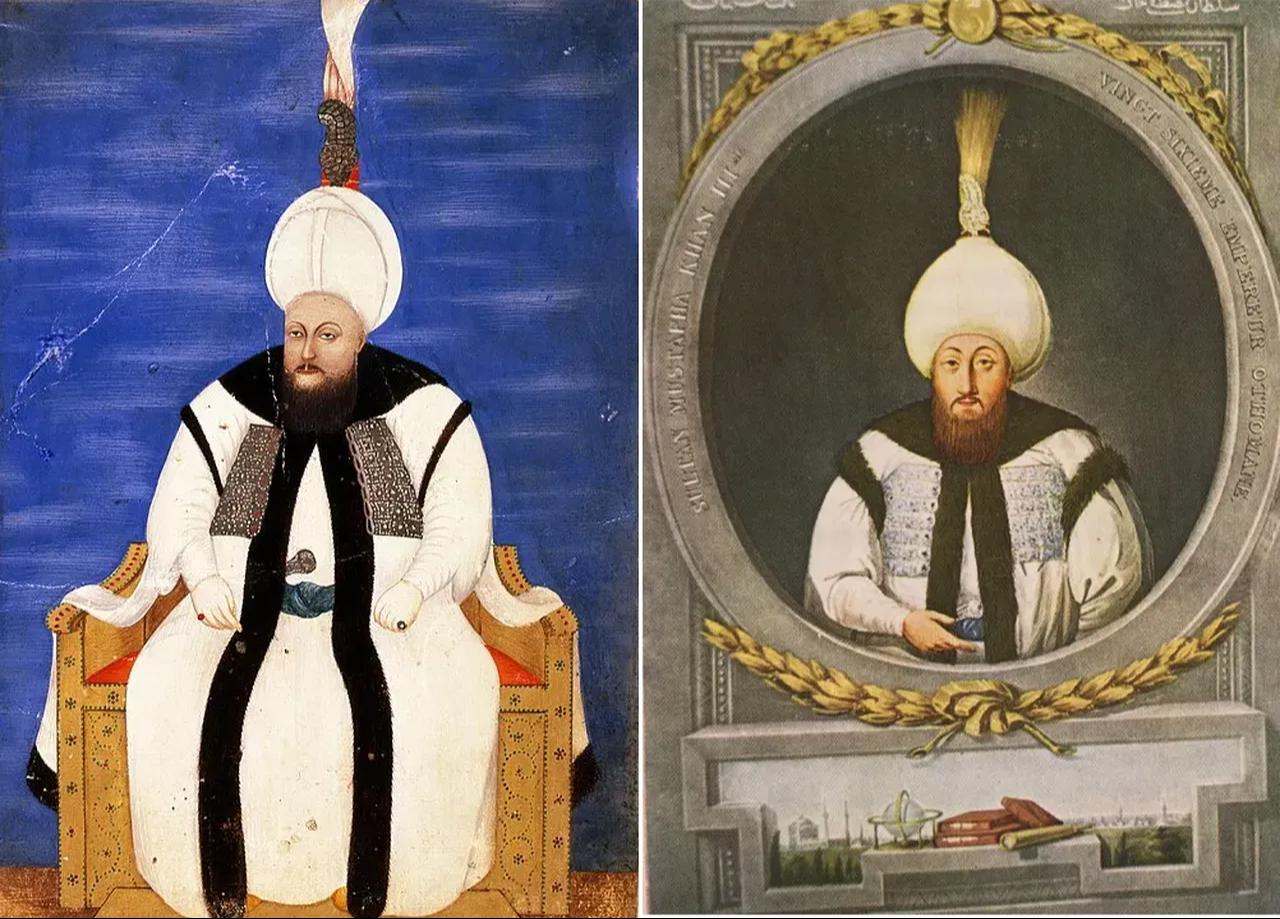
Ekinci described Sultan Mustafa III as one of the most intellectual Ottoman sultans. He said the ruler founded two libraries, owned thousands of books, and took a serious interest in the sciences, especially medicine.
To support that point, Ekinci noted that the sultan had the physicians of Istanbul examined to separate qualified doctors from charlatans. In his telling, this made the idea that Mustafa III would seriously ask for astrologers deeply implausible.
Ekinci also drew a clear line between astronomy and astrology. He described astronomy as the study of the movements of stars, celestial bodies, and the heavens; in other words, a positive science based on observation. Astrology, by contrast, was defined as concluding the unseen or the future from those movements.
He said astrology could not be regarded as a science because it did not rest on experiment, testing, or observation in the same way. That distinction, he suggested, is essential to understanding how such subjects were viewed in both Ottoman and wider intellectual life.
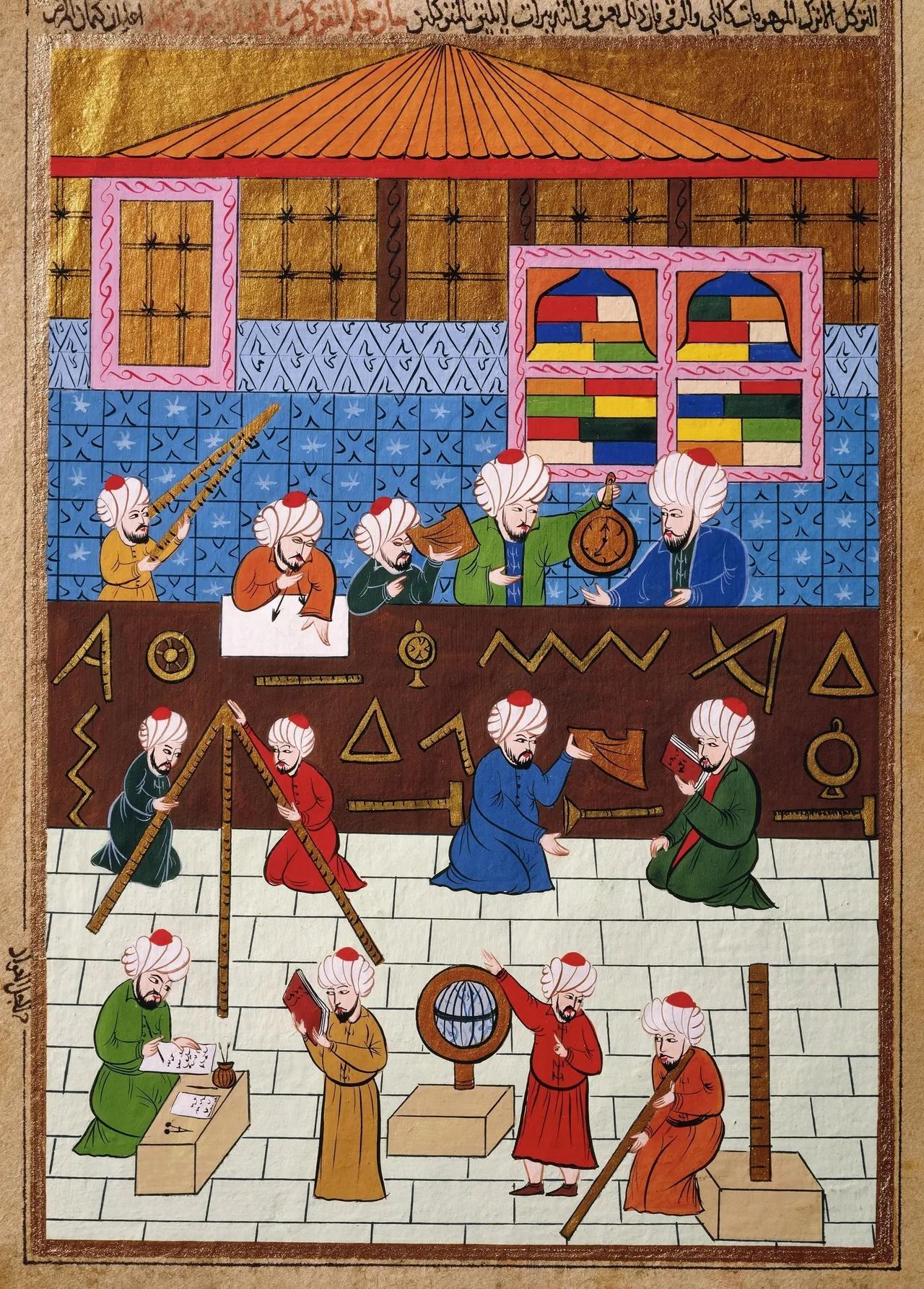
On the place of astrology in Islamic culture, Ekinci said the unseen, or ghayb—a term referring to knowledge of future events beyond human access—is known only to God. He stressed that even prophets and angels do not know the future in that sense.
This framework, he explained, shaped how astrology was approached in Muslim societies, including the Ottoman world, even as popular curiosity about horoscopes, star charts, and fortune-telling continued to persist.
Even so, Ekinci said that under the influence of Iranian and Indian traditions, people across Eastern court culture often looked into whether a day or hour was auspicious before taking major steps. This practice was known as esref saat, meaning an auspicious hour.
He said such timing could be considered before travel, marriage, trade partnerships, military campaigns, or diplomatic agreements. In that sense, astrology was not necessarily used as a formal science of prediction but as part of a broader cultural habit tied to timing and ritual.
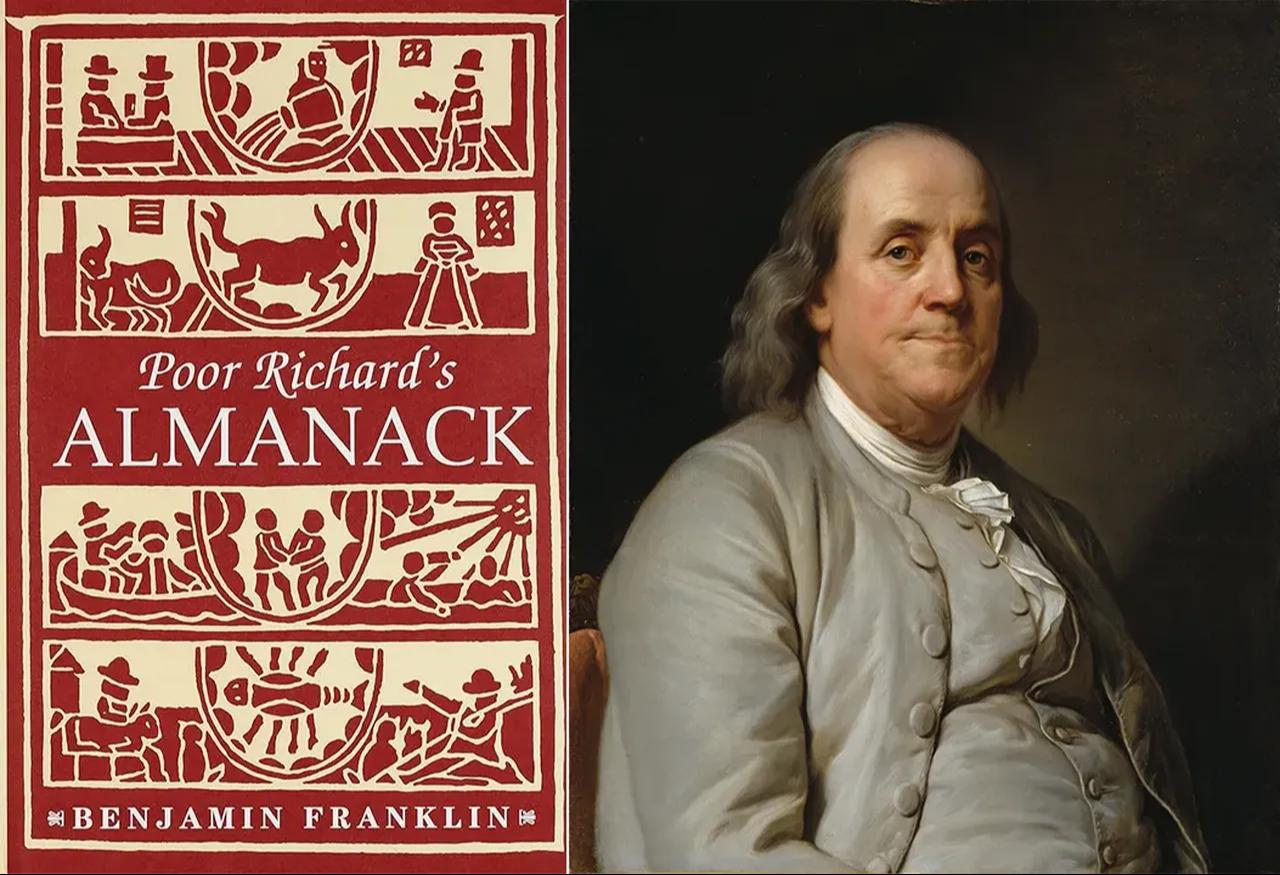
Ekinci said political leaders generally knew astrology was not in line with reason, logic or science. Still, he argued that they sometimes made use of it to read public sentiment, calm opinion, or shift blame for failures away from themselves.
As one example, he pointed to Benjamin Franklin, saying Franklin identified 4:50 p.m. on July 4, 1776, as an auspicious hour for the declaration of U.S. independence.
Ekinci said he had checked the sky for that moment and found an eclipse configuration involving the Sun, Jupiter, Mars and Venus.
By comparison, he said there was no striking celestial movement on Oct. 29, 1923, the date of the proclamation of the Republic of Türkiye, adding that this suggested Turks did not place the same level of importance on star movements.


 Set as preferred source
 Set as preferred source


 3 min read