Newsletters


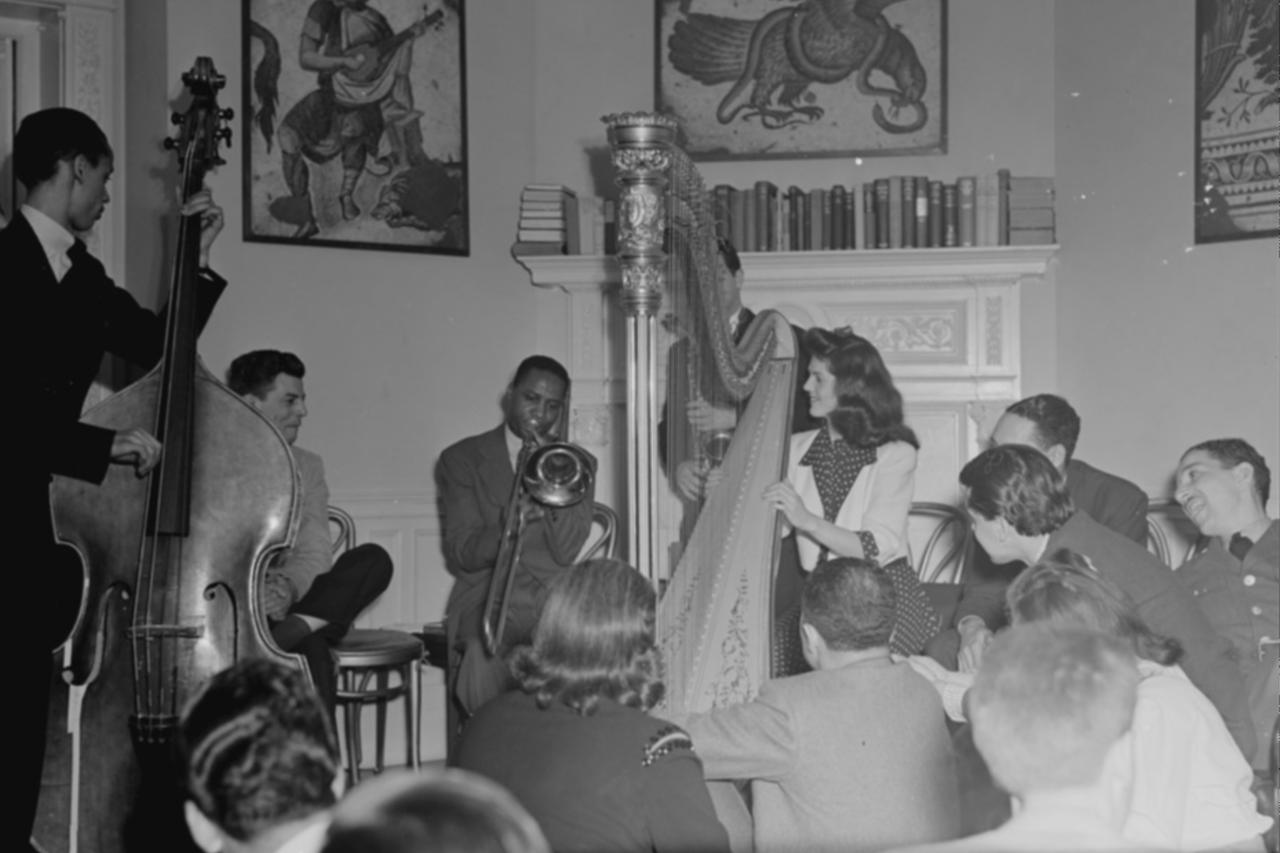


Türkiye's embassy in Washington, D.C., became an unusual stage for racial integration in the 1930s and 1940s, when Ambassador Munir Ertegun and his sons, Ahmet and Nesuhi, opened the doors of the Turkish ambassador's residence to African American jazz musicians at a time when segregation still shaped public life in the United States.
The story is remembered around March 21, the International Day for the Elimination of Racial Discrimination, which marks the 1960 Sharpeville massacre in South Africa. It was when police killed 69 people during a peaceful protest against apartheid.
Although South Africa later dismantled the legal framework of apartheid in 1991, racial discrimination has remained a global issue. The Ertegun family's role in Washington stands out as an early example of how diplomacy, culture and music could push back against racial exclusion.
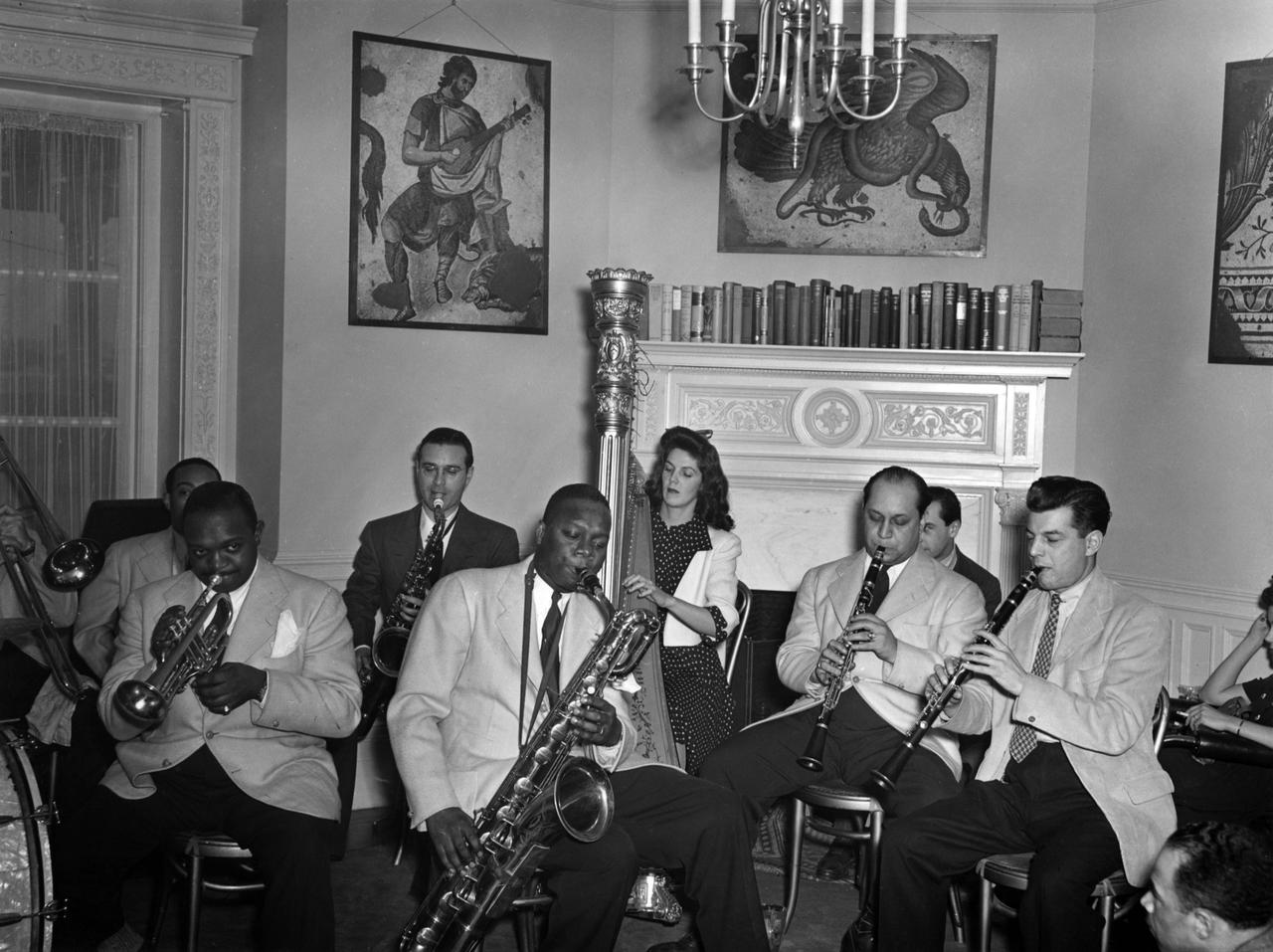

Munir Ertegun, Türkiye's second ambassador to the United States, served in Washington between 1934 and 1944.
During that period, his family hosted jazz concerts and jam sessions at the Turkish ambassador's residence, known as Everett House.
At the time, segregation barred Black Americans from many public spaces and limited where they could sit, eat or perform.
Despite that climate, the Turkish embassy welcomed African American musicians through its front door.
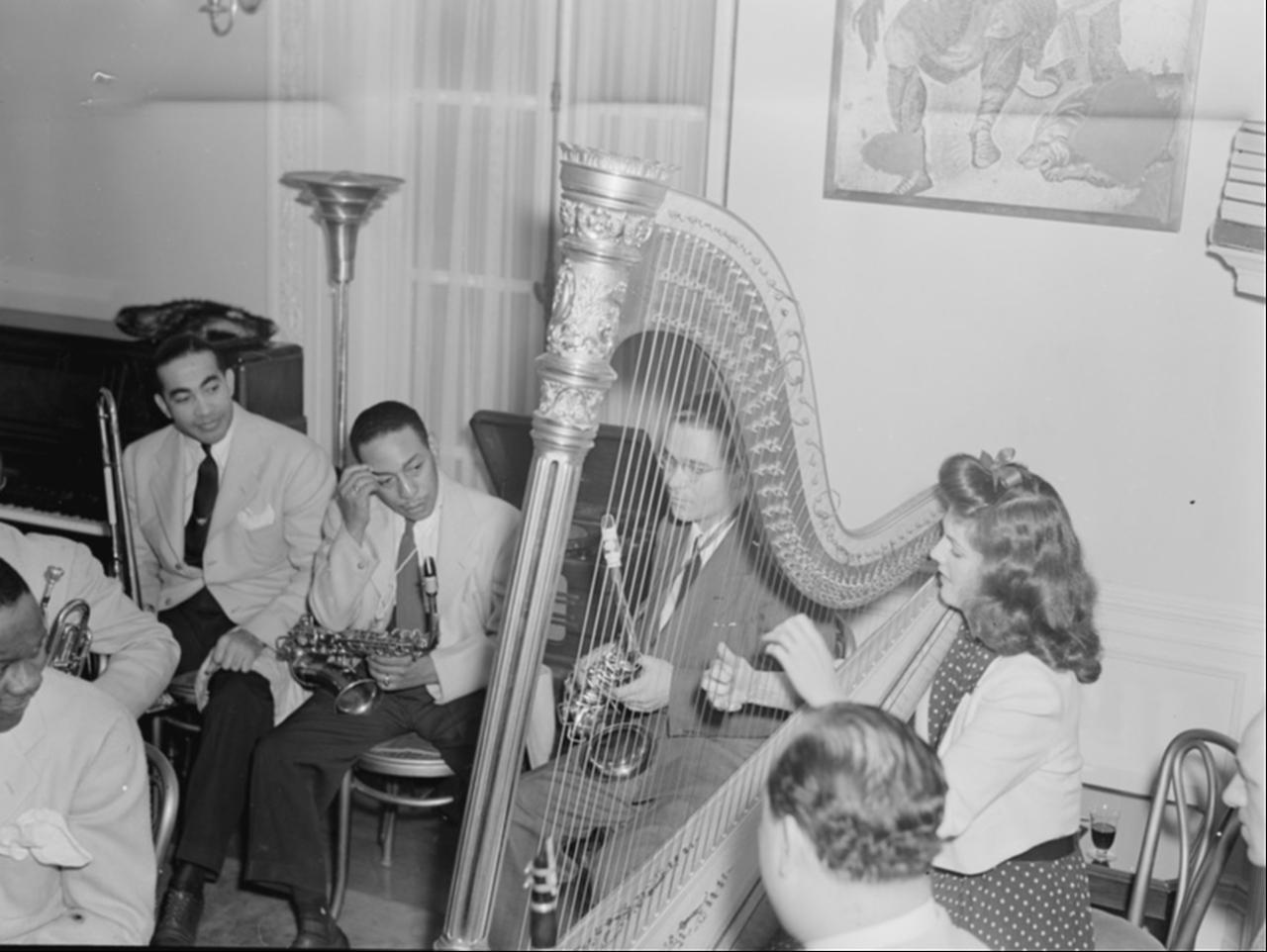
Among the performers linked to the embassy gatherings were leading names in jazz, including Louis Armstrong, Duke Ellington, Teddy Wilson and Lester Young.
Maurice Jackson, associate professor of history and African American Studies at Georgetown University, said the concerts mattered because they showed people new possibilities at a time when segregation was widely accepted.
He said that once people saw those possibilities, "they would never go back."
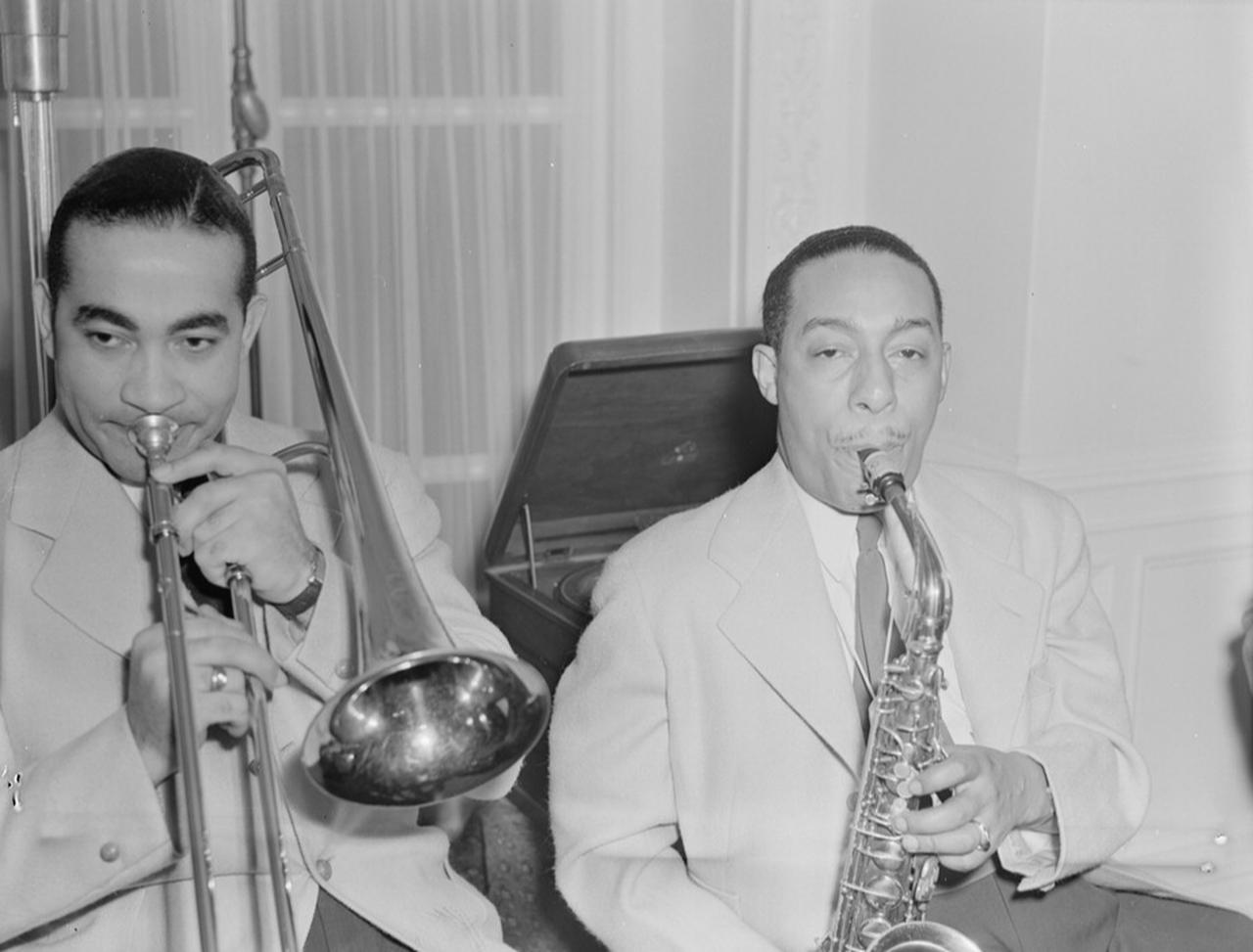
The concerts took place against the backdrop of wider racial exclusion in the U.S. capital.
Jackson recalled that Black officers were not allowed to eat in the cafeteria at the U.S. State Department and that African American opera singer Marian Anderson had been barred from performing at Constitution Hall in 1939 because of her race.
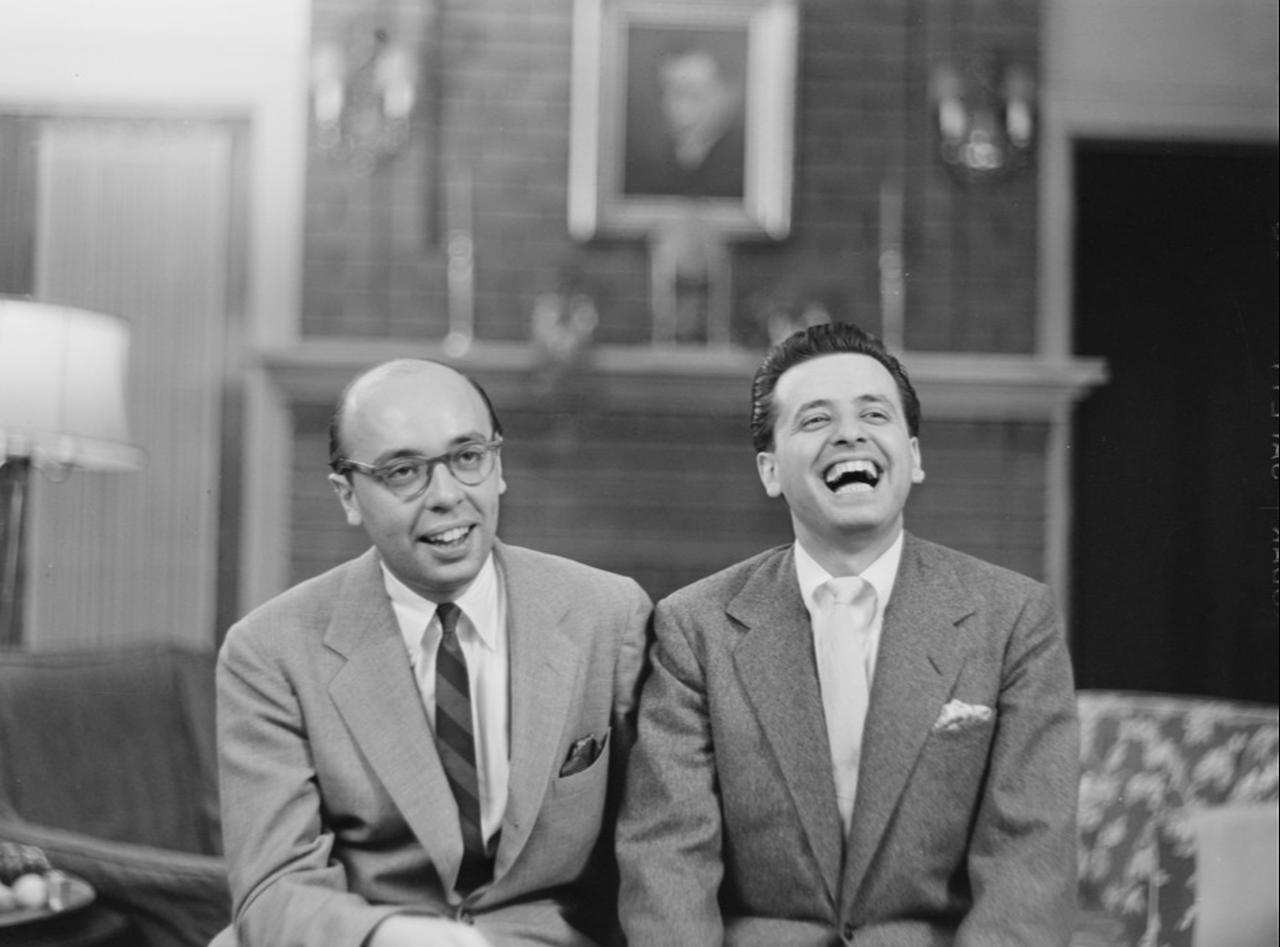
The Turkish embassy's decision to bring all guests together, therefore, carried social weight beyond music.
When a U.S. senator complained to Ambassador Ertegun about Black Americans entering the embassy from the front door, Ertegun responded: "We take our guests in from the front door, whoever they are."
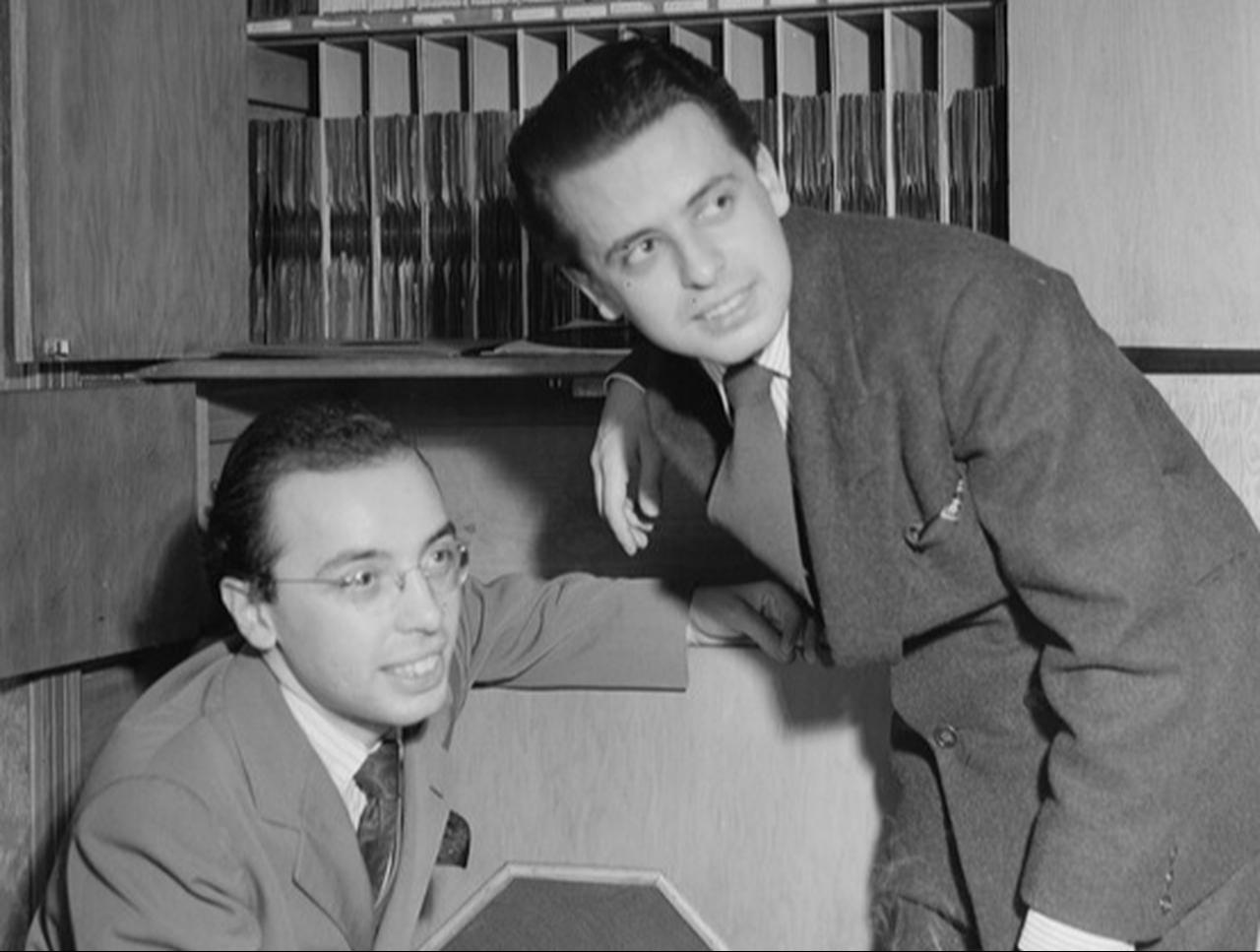
The Ertegun brothers later helped set up Washington's first integrated concert in 1942 at the Jewish Community Center on 16th Street.
Jackson described the moment as significant because two Muslim men brought Black music into a Jewish-owned institution, showing how unusual the cooperation was for that period.
Those early concerts also opened up a new cultural space for Black musicians and formed part of the path that later led the Ertegun brothers to launch Atlantic Records in 1947.
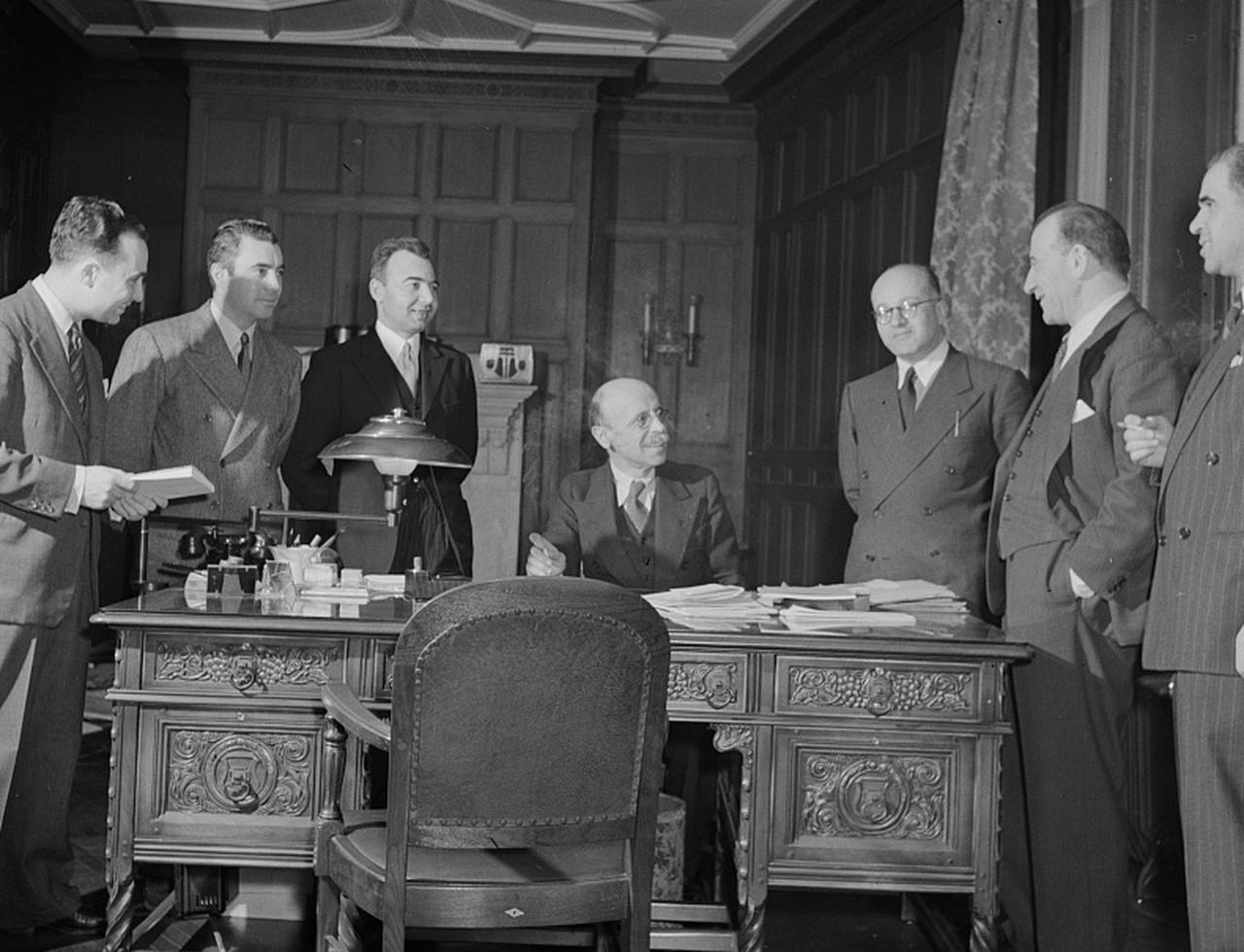
Atlantic Records went on to support the careers of major artists and bands, including Ray Charles, Aretha Franklin, Miles Davis, the Rolling Stones, and Led Zeppelin.
Jackson said music alone did not bring about social change, but the embassy concerts helped build a wider movement by making integration visible.
He described the effort as part of "jazz diplomacy," showing how cultural exchange could help challenge racial barriers.


 Set as preferred source
 Set as preferred source



 2 min read