Newsletters


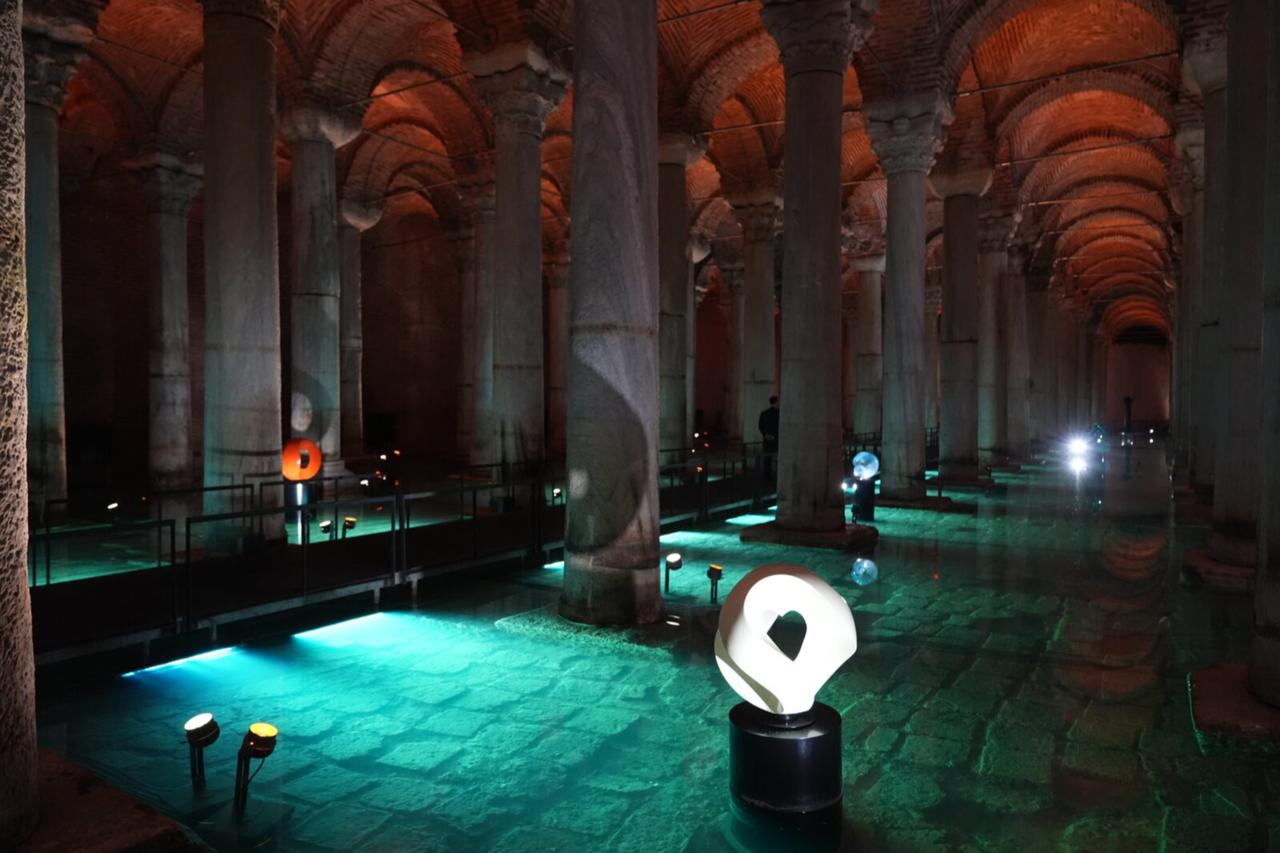


The Basilica Cistern (Yerebatan Sarnici), one of Istanbul’s most iconic historical structures, has been officially transferred from the Istanbul Metropolitan Municipality (IMM) to the General Directorate of Foundations, a department under the Ministry of Culture and Tourism.
The municipality reported that the transfer occurred without any prior legal notification, court order, or administrative process, and the change was first discovered during a review of property records on April 1, 2026.
The IMM had previously completed extensive restoration and seismic reinforcement work on the cistern. The project, led by the municipality’s Cultural Heritage Department, followed scientific preservation principles. Structural reinforcements were applied, earthquake risk mitigation measures were implemented, and significant financial investment was made from the municipal budget.
In addition to these engineering measures, new visitor pathways and lighting systems were installed to enhance circulation and highlight the cistern’s architectural features. Following its reopening in July 2022, daily visitor numbers increased from approximately 1,000 to nearly 10,000, totaling over 10 million visitors in about 1,000 days.

According to IMM statements, the cistern’s property was registered under the names of several historical foundations, including Ayasofya-i Kebir Mosque (Hagia Sophia), Fatih Sultan Mehmet Han, and Kanuni Sultan Süleyman Han (Kirkcesme), under the 5737 Foundation Law as of April 1, 2026.
The law previously required concrete documentation proving that a property was established by or directly connected to a foundation. However, a legislative amendment in late 2025 has broadened criteria, allowing properties partially maintained, supported, or associated with foundations to be registered as foundation assets.
The cistern was constructed in 542 A.D. during the reign of Byzantine Emperor Justinian I. Also known historically as the Basilica Cistern and locally referred to as the Sunken Palace, the underground structure covers approximately 9,800 square meters, supported by 336 marble columns, and once held around 100,000 tons of water. It served both the imperial palace and local residents, later supplying water to the gardens of Topkapi Palace after the Ottoman conquest of 1453.
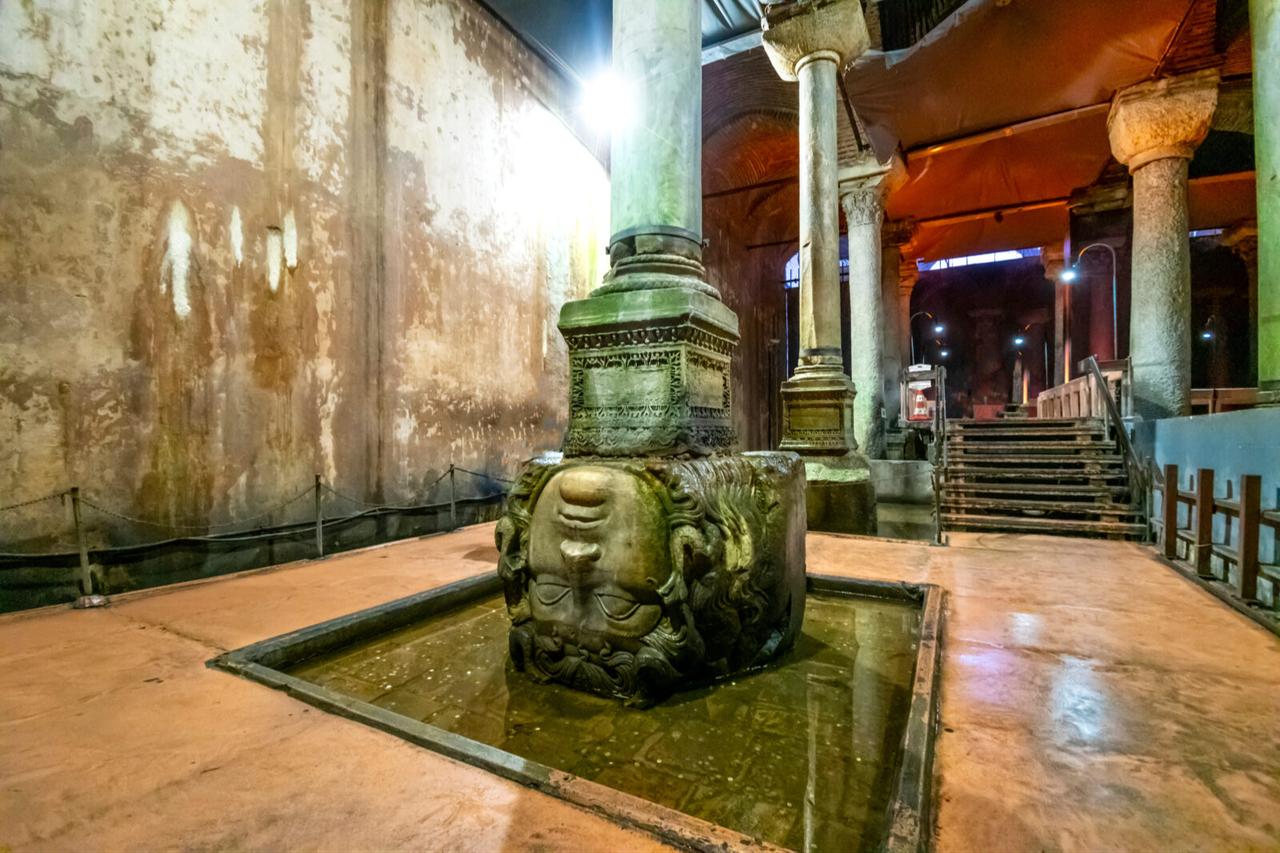
Two notable Medusa head sculptures, possibly used to ward off evil as per Byzantine customs, sit at the base of two columns in the northwest corner. The columns vary in shape and height, reflecting the cistern’s complex architectural history.


 Set as preferred source
 Set as preferred source



 3 min read