

 Newsletters


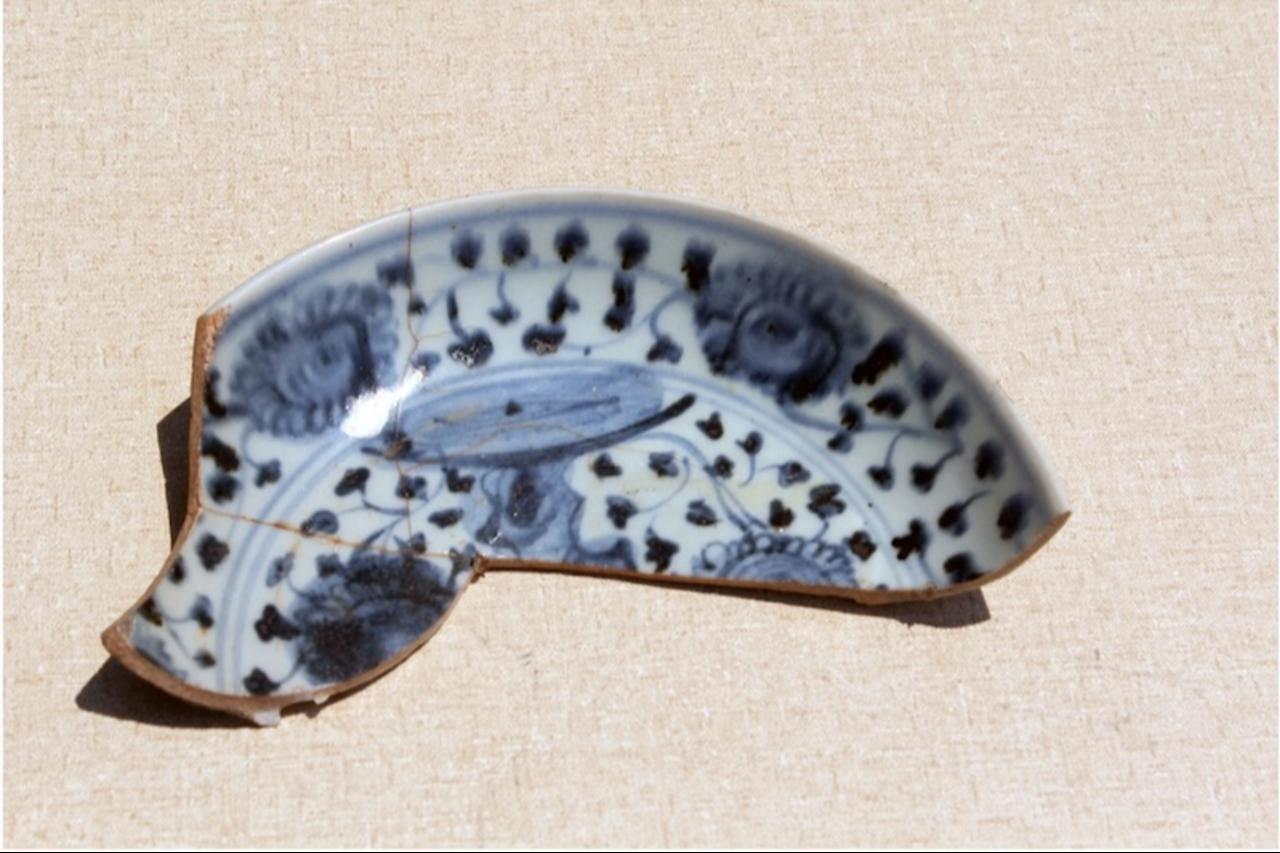


Archaeologists excavating the medieval city of Great Zimbabwe have found fragments of jade-green pottery from eastern China, suggesting the kingdom had long-distance links with East Asia more than 1,000 years ago.
Great Zimbabwe lies in the southeast of present-day Zimbabwe. It was the capital of an empire that emerged around AD 1000.
Little is known about the pre-colonial empire because its people left no written history, but new excavations show the scale of a civilization known for advanced metalwork and ritual stone carvings.
A new PBS documentary, “Secrets of the Dead: Africa’s Golden City," follows a team of archaeologists. It examines the civilization’s origins and why it disappeared after 500 years.
The site was first excavated in the late 19th century and was soon plundered by British colonizers for ivory, metal, and gold artifacts.
According to the documentary, the colonizers insisted Africans had not built it and claimed it belonged to the Phoenicians, a people of Mediterranean origin. The claim was used to justify taking the artifacts to England, and many are now held in the Pitt Rivers Museum at the University of Oxford.
Shadreck Chirikure, an archaeologist at the University of Oxford who leads the new excavations, says the work shows Great Zimbabwe was an African kingdom that flourished from the 11th century to at least the 15th century and was highly connected to the outside world.
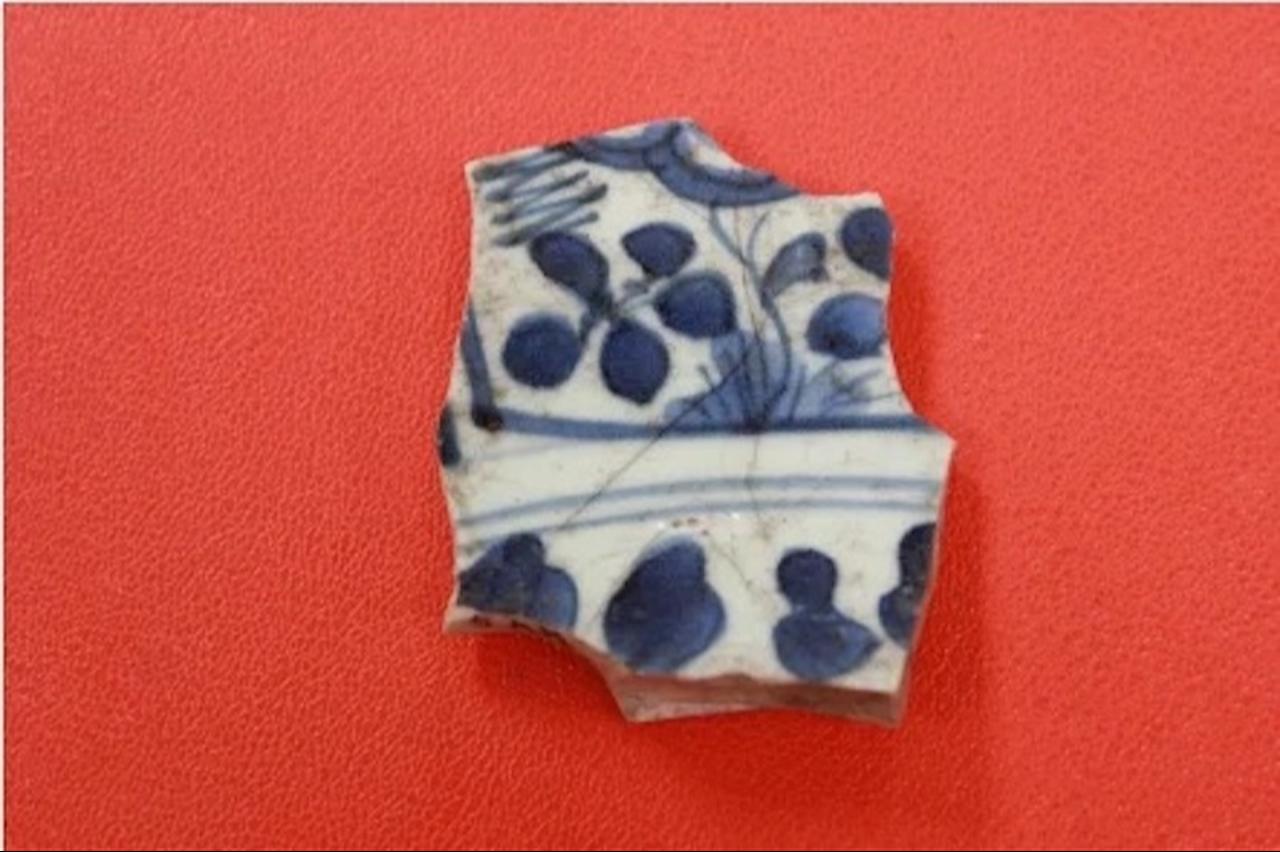

In an excerpt from the documentary, Chirikure and Muchen Zhou, an archaeologist and doctoral student at Oxford, examine a jade-green pottery fragment excavated from a hillside at the site.
Its shiny glaze suggests the vessel was fired at an extremely high temperature, a technological feat that only China could achieve at that early period.
The type, called Longquan celadon, was produced in eastern China from around A.D. 950.
Chirikure says such ceramics appear across the site in small amounts, indicating they were rare, possibly used by elites and regarded as valuable exotic items.
Glass artifacts found earlier at the site arrived by sea from Southeast Asia, India and the Middle East. Chirikure says the distance from India or Sri Lanka is at least 8,000 kilometers, and traders used monsoon winds in the Indian Ocean.
Other evidence includes metal objects from the present-day Democratic Republic of the Congo, about 2,000 kilometers away, and copper and tin from present-day South Africa, more than 500 kilometers away. Chemical analyses of cattle bones show some animals were bought and sold across an area of 140 kilometers.
Chirikure plans to study local resources in his next project, including soapstone, which holds great meaning for the Shona people, Zimbabwe’s largest indigenous group. He says soapstone birds were an important part of the site, but no one knows where the stone was sourced.
The Zimbabwe Bird, modeled on soapstone-carved birds found at the site, appears on the national emblem and flag.
Several soapstone outcrops lie around Great Zimbabwe, and Chirikure wants to try to find the geological sources in his next fieldwork.


 Set as preferred source
 Set as preferred source


 1 min read
 1 min read


