Newsletters


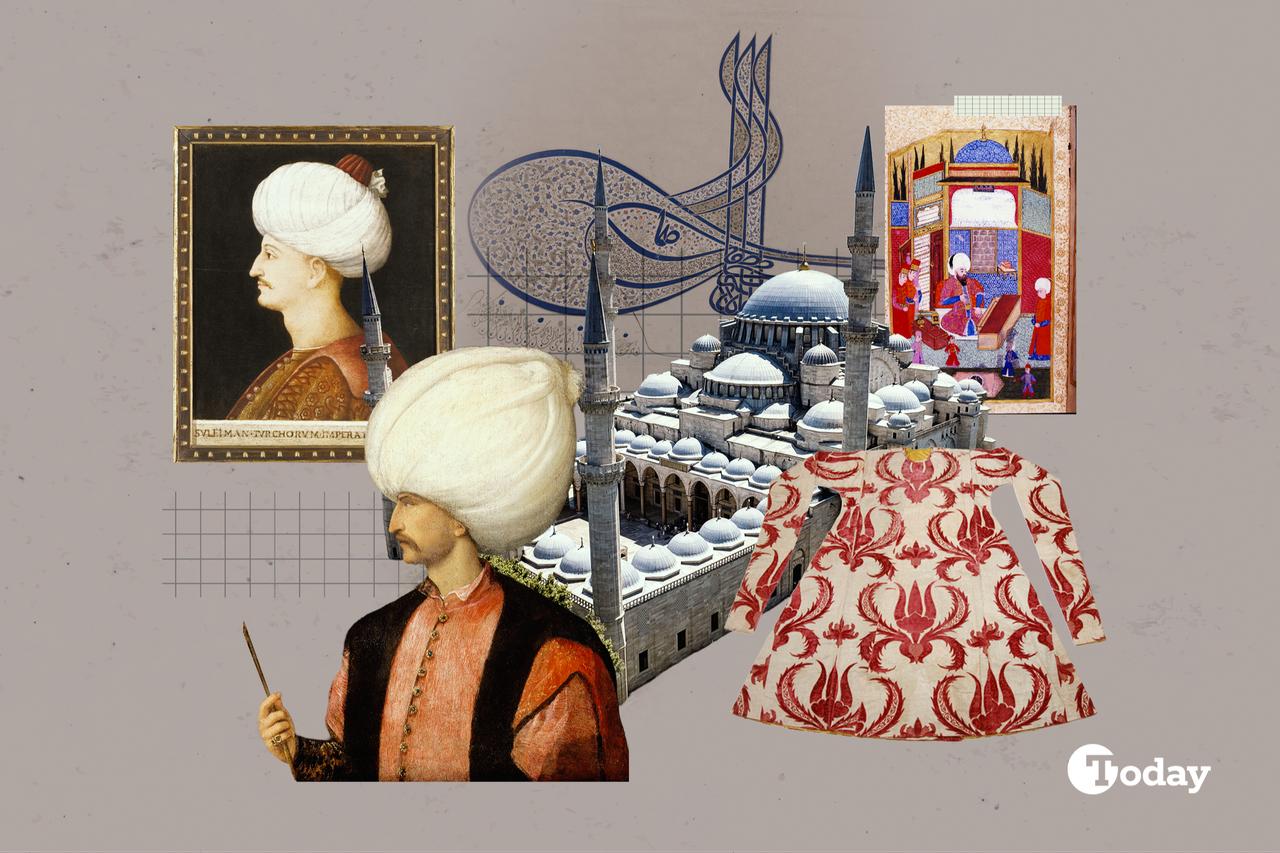


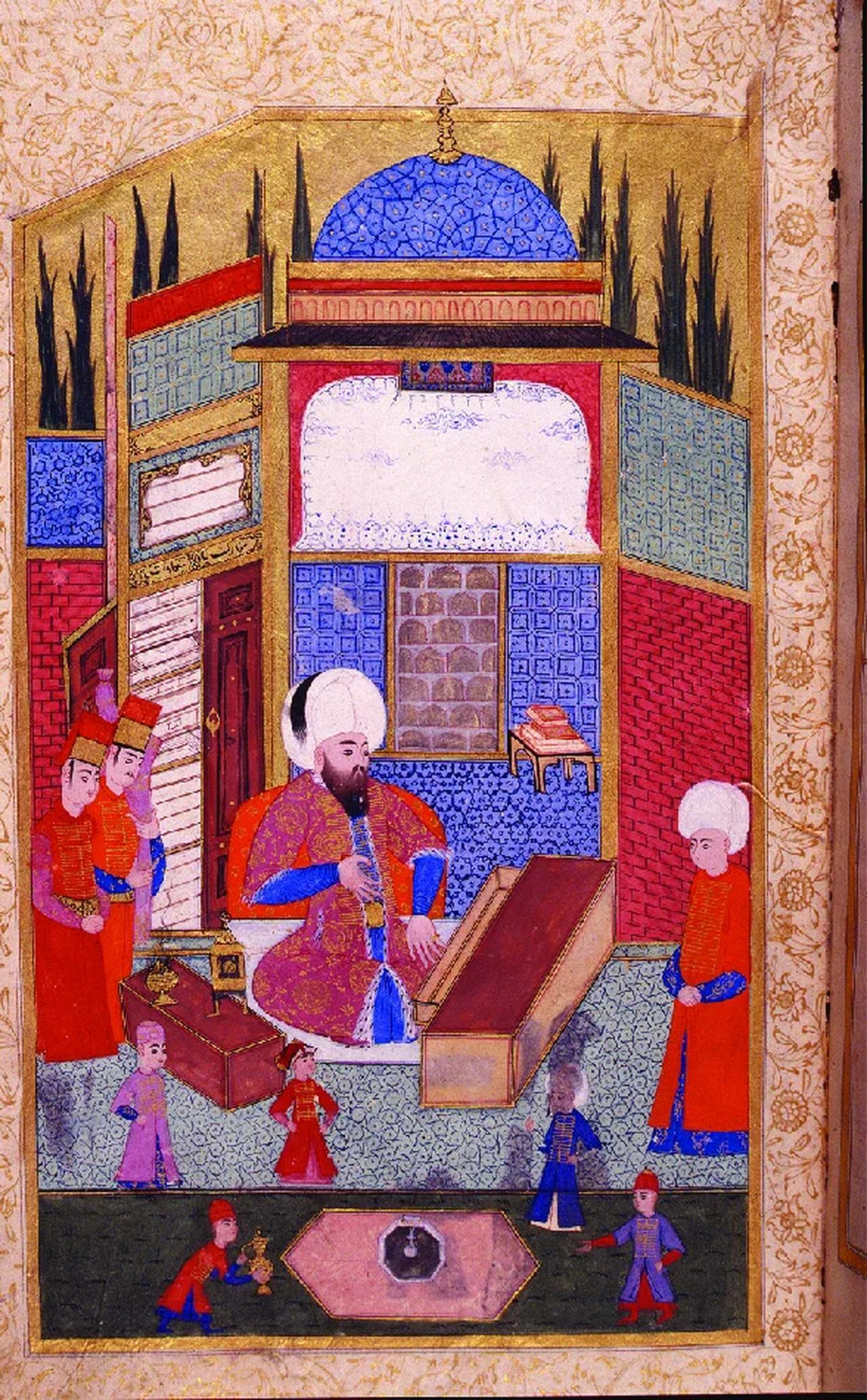
Beneath the domed ceiling of a chamber in the Second Courtyard of the Topkapi Palace, sunlight filtered through pierced wooden screens, casting its glow across the walls adorned with exquisite Iznik tiles.
Each panel gleamed with cobalt blue as deep as the Bosphorus at dusk, turquoise as bright as spring water, threaded with serrated saz leaves and unfurling tulips the colour of fresh blood. The chamber itself was magnificent, yet its splendor bowed to the importance of what would be decided here.


At a low table inlaid with mother-of-pearl, set upon layered carpets, sat Sultan Suleiman I, also known as Kanuni Sultan Suleyman in Turkish. Scrolls of parchment were spread before him, each one awaiting his approval. He had come directly from an audience with a European ambassador, still wearing a ceremonial kaftan of cream Italian silk embroidered with crimson tulips.
Beautiful and elegant, it draped around him, a luxury unfamiliar after months in chainmail on campaign. He straightened his shoulders, easing the stiffness that had settled into his body from too long spent in the saddle, and picked up one of the draft edicts.
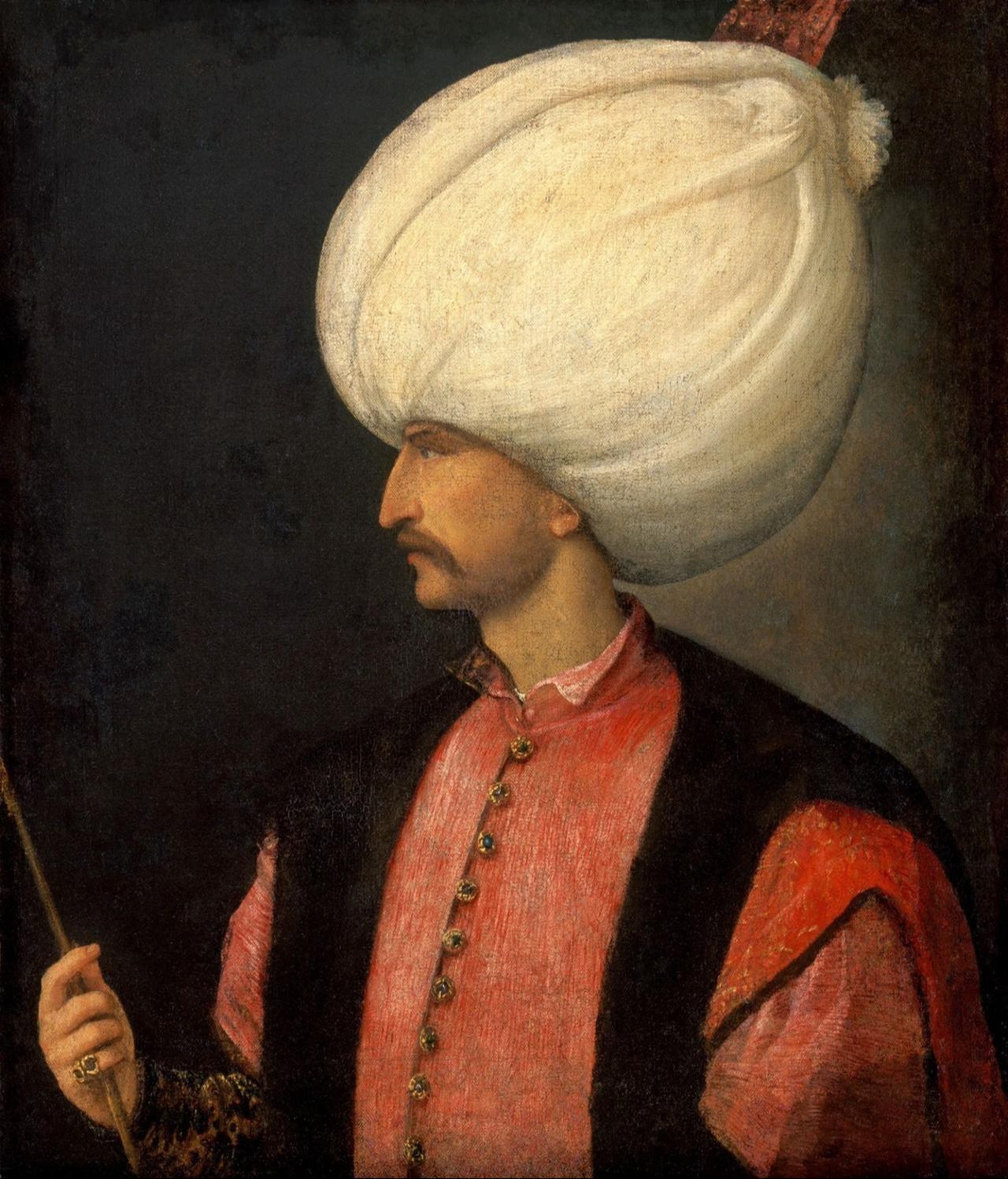
Suleyman’s brow furrowed as he read. He altered some wording, refined the phrasing. His scribes captured each amendment, their reed quills flowing across the pages.
He had conquered cities with cannon and courage, fortresses with diplomacy and strategy; now he sought to conquer disorder and injustice with codified law.
He would be remembered by his subjects not for his magnificence, but as Kanuni. The Lawgiver.
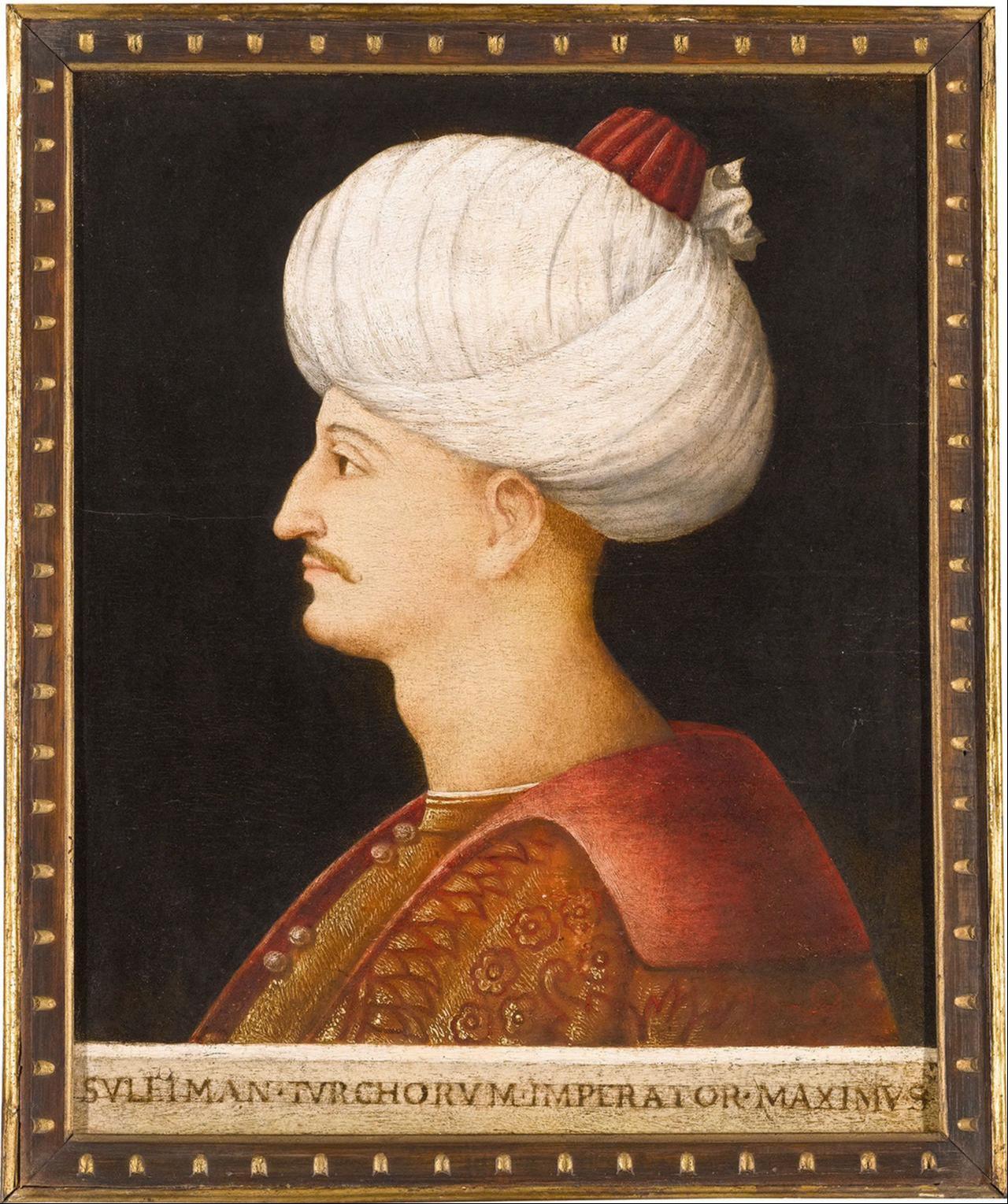
This epithet is derived from “kanun,” meaning statute or regulation–law issued by the sultan to govern matters not explicitly covered by Islamic jurisprudence. By the time Sultan Suleyman ascended the throne in 1520, the empire he inherited from his great-grandfather Fatih Sultan Mehmed II and his father Yavuz Sultan Selim I stretched across Anatolia, the Balkans, Egypt and the Levant. Each newly conquered territory brought its own fiscal customs, land tenure systems, taxation practices, and legal traditions. Ottoman governance rested on Islamic law, specifically the Hanafi school of jurisprudence, yet sharia did not regulate every aspect of administration, taxation, criminal penalties, or land tenure issues. These fell within the domain of kanun, sultanic legislation.
Earlier sultans had issued decrees case by case. With his Grand Vizier Lutfi Pasha, Suleyman undertook the task of consolidating and standardising these regulations into comprehensive kanunnames–law codes organized by province and subject.
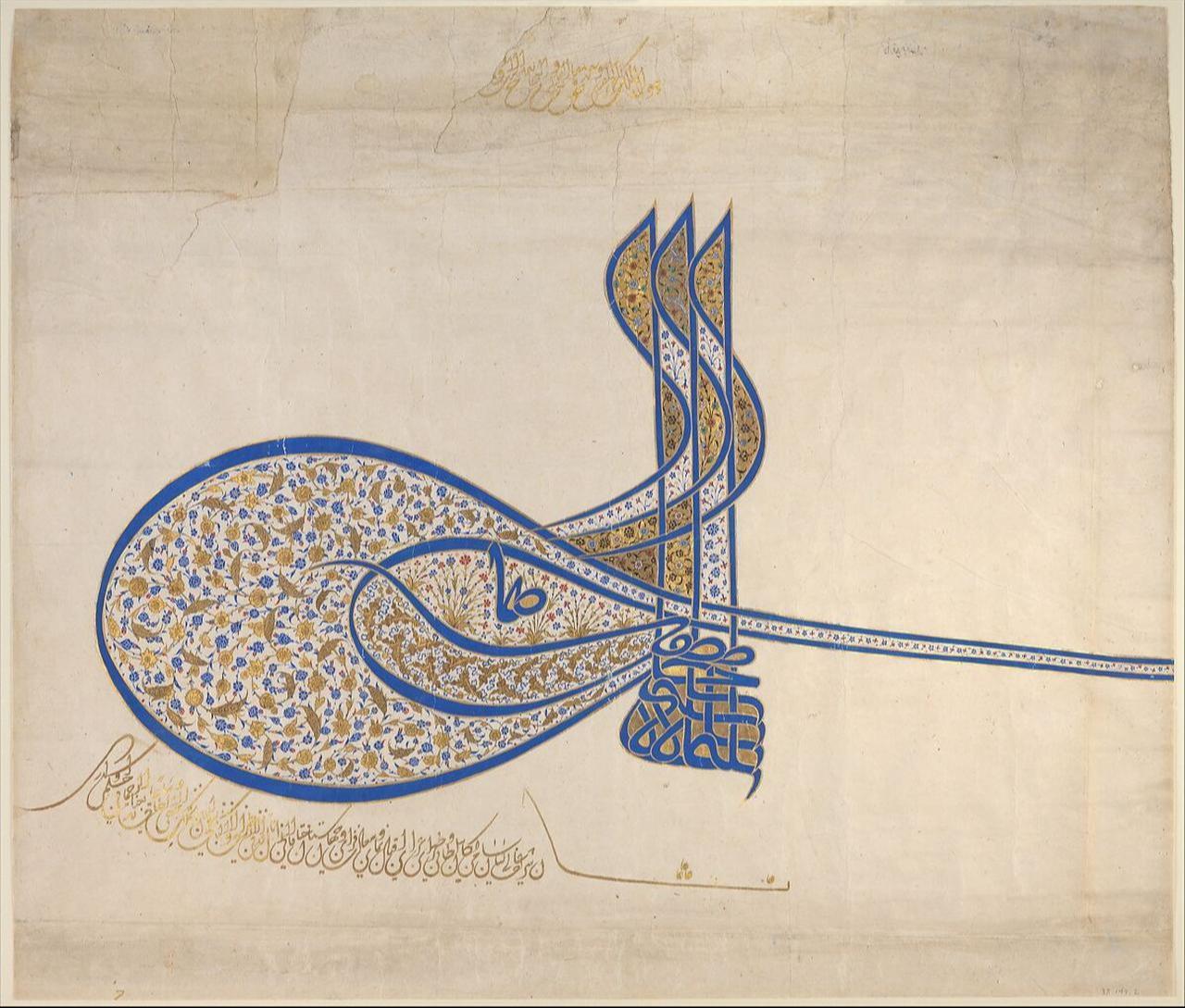
Fines were regularized. Regional variations in punishment were moderated. Fiscal obligations were clarified, limiting the ability of local officials to arbitrarily overburden the population. What had once depended on precedent or personal interpretation was now written, copied, and circulated across the empire.
Islamic law remained supreme, and the sultan himself was bound by sharia. Yet interpretation had long varied among judges. To address this, Suleyman appointed the distinguished jurist Ebussuud Efendi as the Sheikh ul-Islam. Working closely with the palace, he helped harmonize sultanic legislation with Hanafi jurisprudence, aligning imperial regulations with Islamic doctrine.
The result was stability–a binding legal framework that endured for centuries. To his subjects, that guarantee of justice and order brought peace. That is why they called him Kanuni.
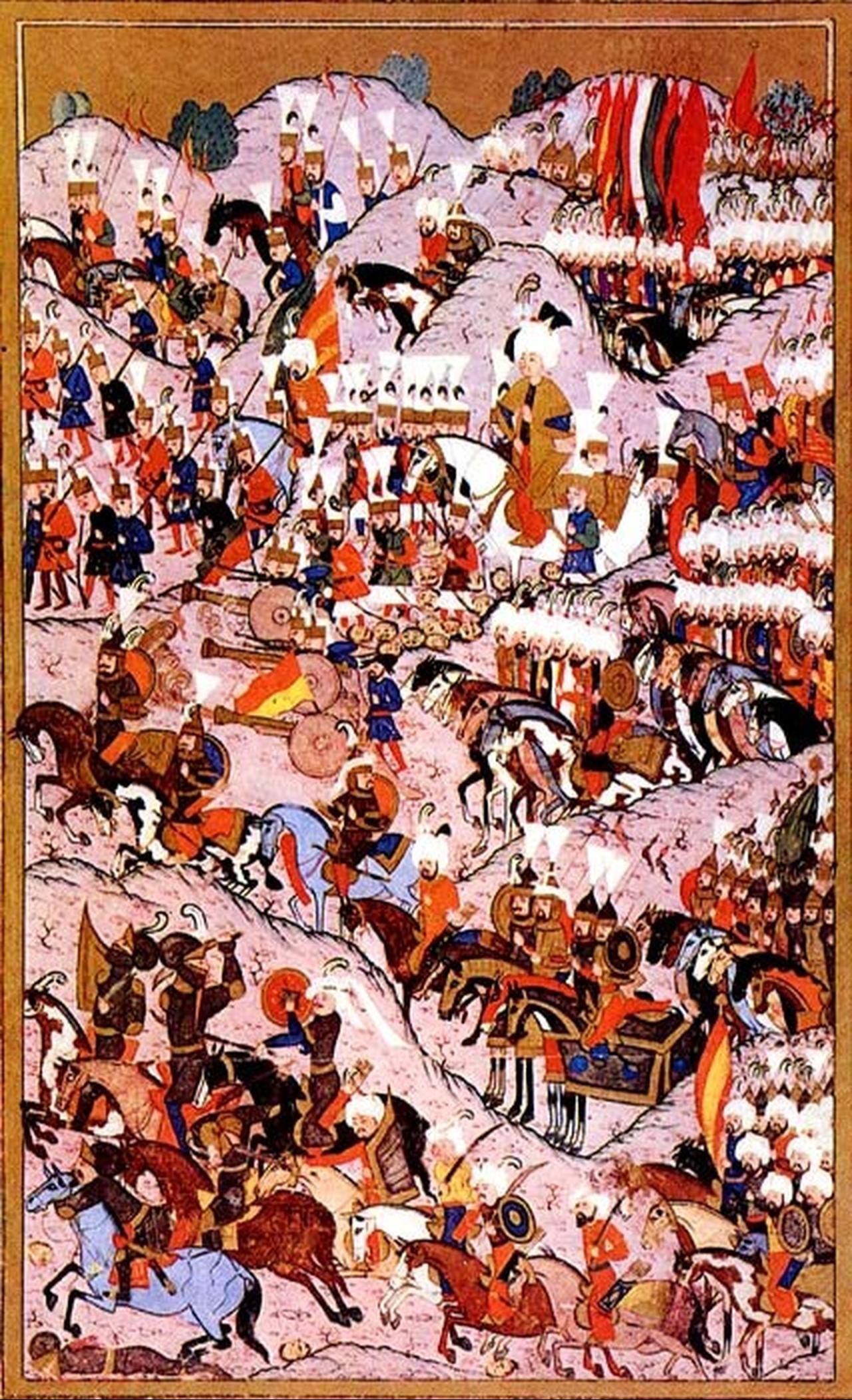
In Europe, Sultan Suleyman I was known as The Magnificent–not only for the vast territories he ruled, but for the scale, splendor and reach of his power. His reign marked the apex of Ottoman political, cultural and military influence, a period often referred to as the Ottoman Golden Age.
By the mid-16th century, Suleyman had expanded the empire in multiple directions. Belgrade and Rhodes were conquered, and large parts of Hungary fell under Ottoman control following the Battle of Mohacs. His forces even reached the gates of Vienna. Ottoman naval strength dominated the Mediterranean, and cities from Tripoli to Algeria acknowledged the sultan’s sovereignty, extending Ottoman influence far beyond its borders.

Yet it was not only military might that inspired admiration. Wealth flowed into the imperial treasury, funding monumental building projects that reshaped the empire’s landscape. Most majestic of these was the Suleymaniye Mosque complex in Istanbul, designed by Mimar Sinan, a masterpiece of Ottoman architecture. Suleyman’s Court became a center for poets, artists, calligraphers, and craftsmen, whose work flourished under the aegis of the sultan, blending Ottoman, Persian, and European styles into a remarkable display of refinement and taste.
It was this combination of military prowess, cultural achievement and imperial grandeur that led Western chroniclers to call him The Magnificent. A title by which he is still remembered.
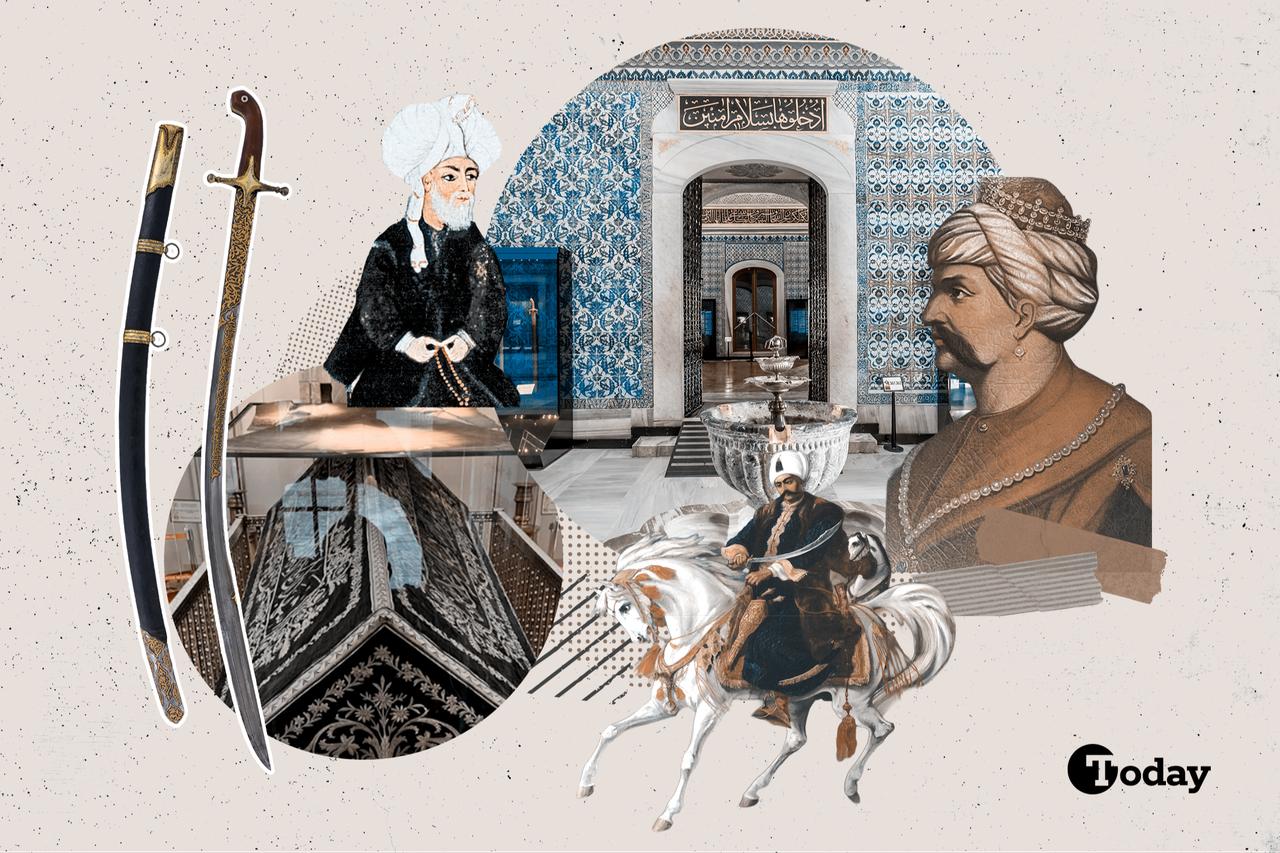
Sultan Suleyman’s presence can still be felt across Istanbul, the city he loved.
Next time you visit the Topkapi Palace and enter a domed chamber in the Second Courtyard lined with shimmering Iznik tiles, imagine him seated at a mother-of-pearl inlaid table, poring over scrolls of law. As you gaze upon the imperial firmans issued in his name, consider the time and attention he dedicated to consolidating the laws of his empire. And as you admire his kaftans, think of the awe and respect he evoked in foreign ambassadors and all who visited his court.
And try to go to the magnificent Suleymaniye Mosque, which commands a proud view over the Golden Horn, to feel where devotion and faith, ambition and vision, splendor and magnificence converge. To stand here is to encounter Suleyman himself, in all his glory.
Thank you for accompanying me through this chapter of our imperial past. I hope you leave with a deeper curiosity about the Ottoman sultans who inspired such enduring and memorable epithets and feel a little closer to their lost world. And as the echoes of their reigns linger, may you listen a little closer, as history whispers its secrets.
Until we meet again in the next Sultan’s Salon…


 Set as preferred source
 Set as preferred source


 2 min read
 1 min read