Newsletters


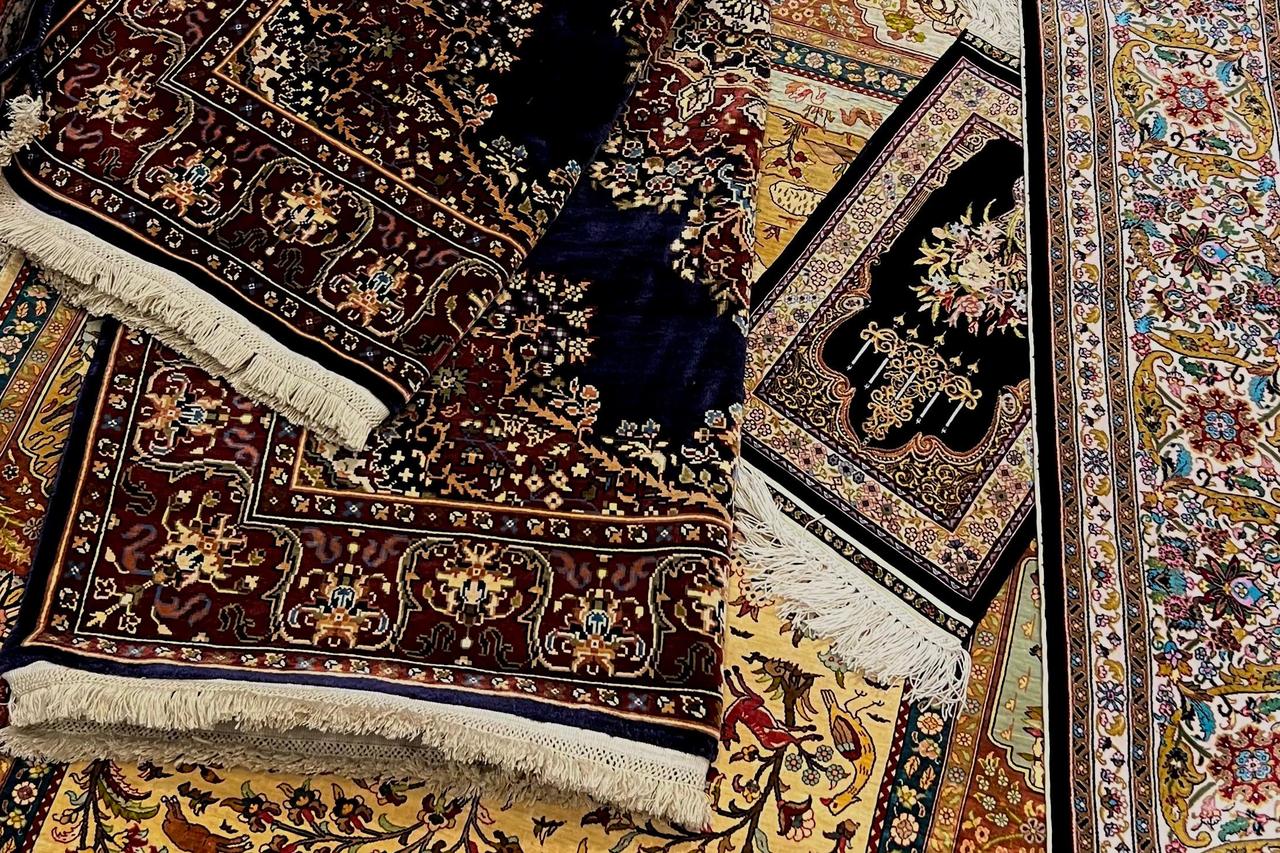


The Grand Bazaar hums like a living river, its currents of color and sound weaving through vaulted stone.
Voices echo, merchants call out, hands glide across wool and silk. Quick, then slow. Carpets lift and unfurl. Persian rugs drape like banners, patterns spilling with flowers, vines, and geometry older than the market itself. Deep reds. Indigo blues. Soft golds. Bargaining becomes theater. A glance. A pause.
“In places like this,” says Aykut Oter, owner of an Istanbul carpet store, holding a folded rug, “people chase something cheaper, but they miss the point.”
A short drive away, at his showroom in Swissotel The Bosphorus, the noise of the bazaar gives way to stillness.
Turkish Hereke and Persian rugs wait patiently, meant to travel continents and carry culture and beauty, yet wars keep them grounded. They roll softly, climb walls, and flutter to the floor, dreaming of distant homes.
“Türkiye is not part of the current war between Iran, Israel, and the U.S.,” Oter says, “yet we feel it. Hotel reservations are canceled. Cargo stops. Tourists come less. Carpets are not food or drink. They are a luxury.”
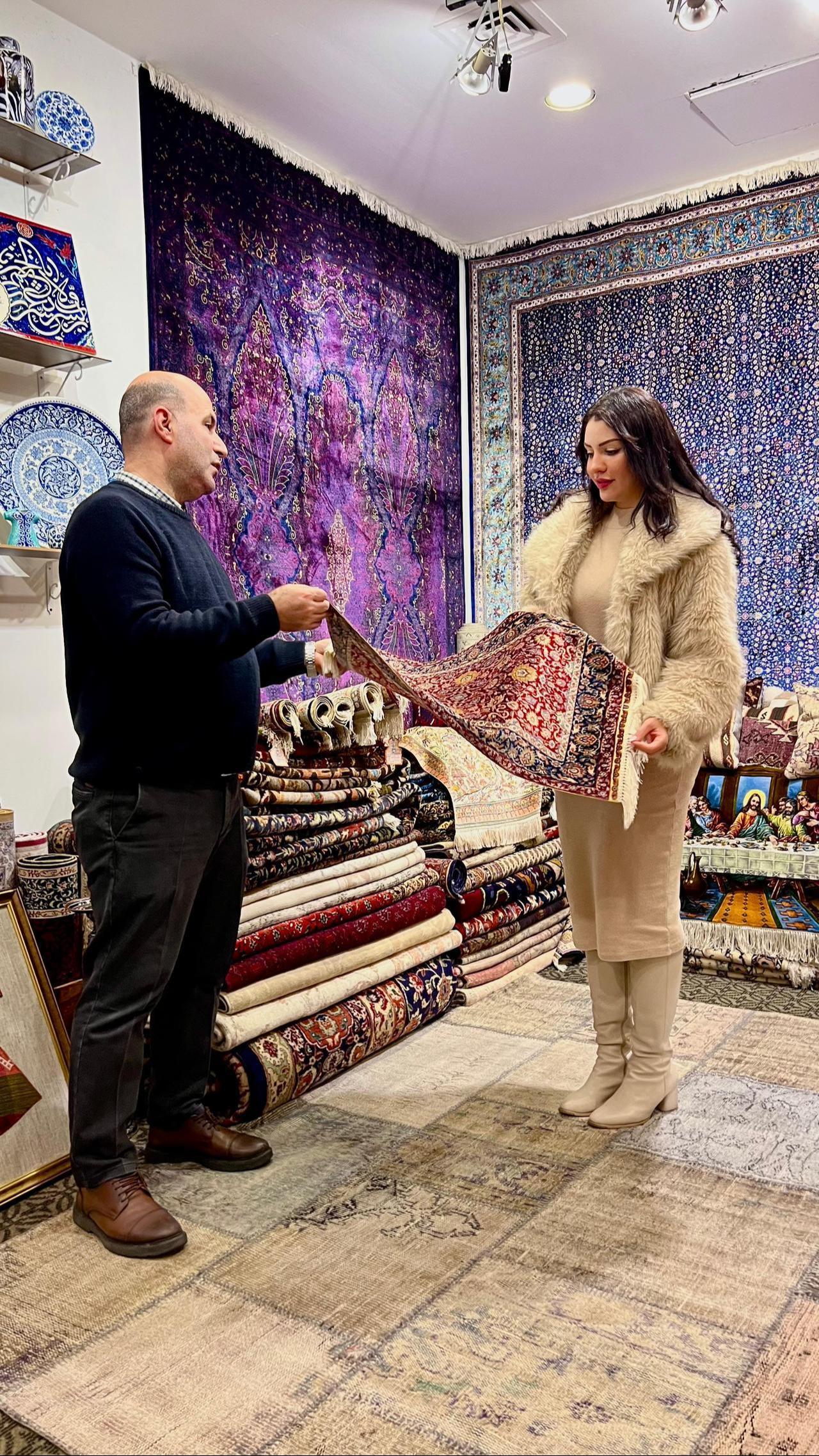

Oter sits in the quiet glow of his showroom that he opened in 2012 after years of trade, steam rising from a cup of Turkish tea. Carpets wait like patient storytellers.
He folds his hands over a Hereke rug, silk threads catching the light.
“Look at this,” he says softly, “each knot is a heartbeat. Thousands of them can live on a single carpet. It takes patience, centuries of tradition, and hands that know the rhythm of generations.”
“In villages, women still weave at home. In the past, families traveled with tents and sheep, carrying carpets from town to town, selling them in mosques and marketplaces. Each carpet carried a life, a season, a story.”
He gestures toward smaller pieces crafted in Balikesir and Usak, villages where nomadic rhythms still echo.
Oter unfolds a Hereke carpet. Its threads shimmer like sunlight on a lake, patterns blooming like secret gardens; floral, geometric, alive with memory.
“The most important thing in a carpet is the knot,” he says, lifting the finely woven piece. “Each one is tied by hand. A single centimeter can hold a hundred knots, and greater density creates finer detail and thinner structure.”
Some carpets shift in color as they move, subtle tones appearing and fading as light brushes the surface. This comes from a finishing technique where fibers are brushed at an angle, giving depth and life to the design.
Silk adds another layer of wonder.
In Bursa, silkworms spin cocoons that are carefully unwound into fine threads, dyed, and woven into intricate patterns. “If you take off your shoes,” Oter says, “you will feel how comfortable it is.”
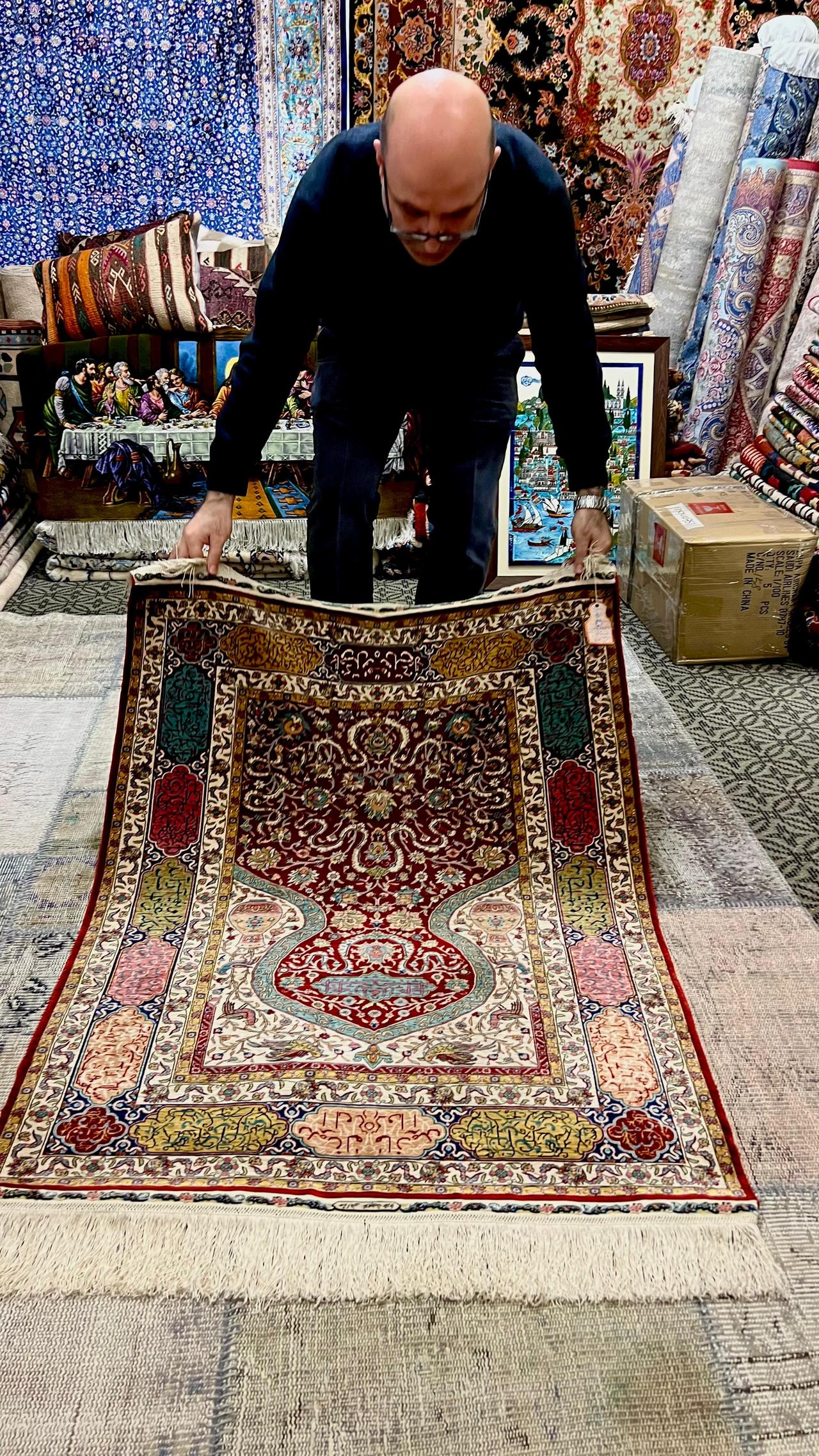
Across the room, a Persian carpet dominates the wall, its colors pulsing with history.
“Carpets are a tradition in Türkiye,” Oter says, tracing the patterns. “Iranian carpets are famous, but Turkish carpets came first”. He continues with a tone of pride, “During the Seljuk Empire, cities such as Isfahan and Tabriz became centers where techniques evolved and spread, shaped by movement, trade, and time.”
Shipping is difficult now. Conflict in the area close to ports, which raises costs.
“Turkish, Iranian, Afghan, Indian. Around twenty countries near Türkiye make carpets.”
For Oter, each carpet carries geography as much as design. “Many of these lands were once part of the Ottoman or Seljuk empires,” Oter says. “Their threads still carry those echoes.”
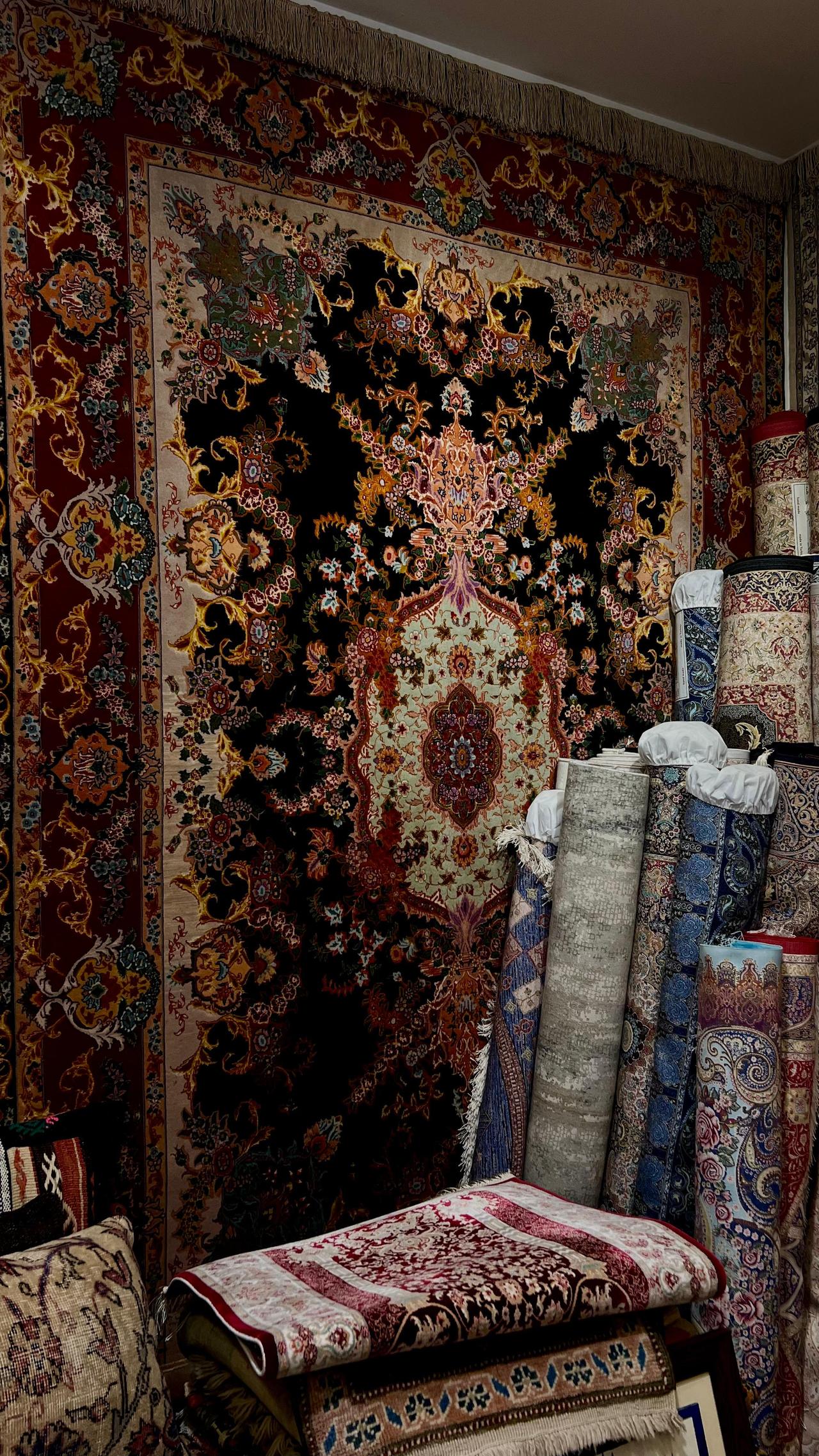
He pauses by ancient designs.
“The Pazyryk carpet dates to 400 BCE, frozen in Siberia for millennia. Over 360,000 knots per square meter. Imagine that patience. Turkish carpets emerged centuries later in Konya, yet our work carried that same devotion.”
Even painters like Jean-Leon Gerome traveled from France to Istanbul, recording carpets in markets and interiors. “The Carpet Merchant is full of them, our patterns captured on canvas for Europe to see.”
Oter lifts another Hereke rug. Silk threads brushed at forty-five-degree angles create patterns impossible for machines.
“A machine can never match the handmade,” he says. “If it burns, gets wet, or rots, it can be repaired. Machine-made lasts ten years, maybe. Handmade can last generations. It is like gold.”
He adds, "machine-made carpets are thicker than handmade ones, but thinner is better, and needs more looms, knots".
Prices reflect time. A six-square-meter silk Hereke may take a year to produce, labor alone reaching twelve thousand dollars, with a final price of sixty thousand.
Machine-made versions sell for a fraction.
“It is the same with fake Hereke that China produces,” he adds. “Looks the same, but silk, feel, and life are lost.”
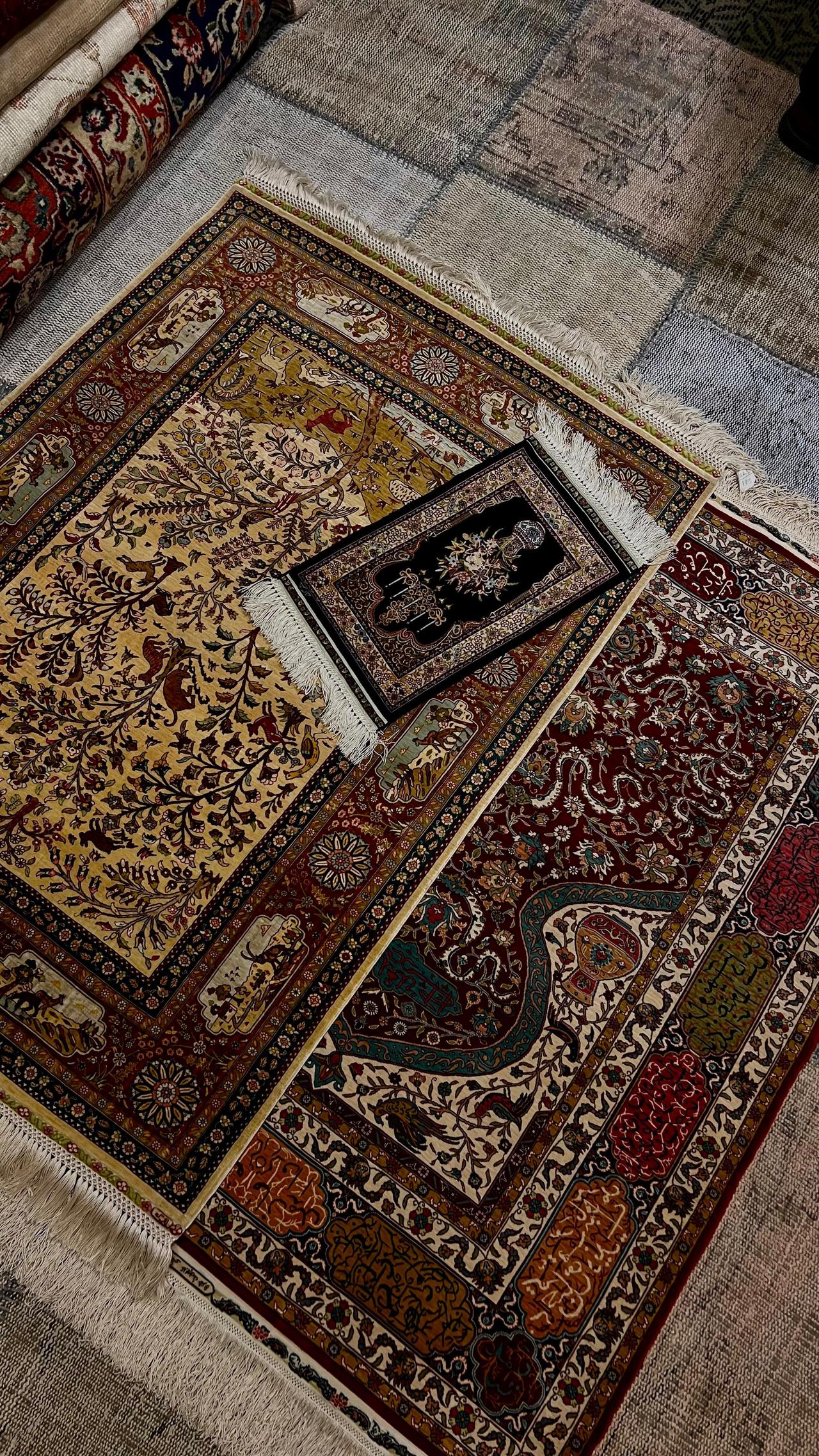
Foreign visitors once filled his store—Americans first, then the Swiss, the French, and then Arabs from the Gulf.
“Now they hesitate. Airports are closed. Wars cast shadows on imagination. People come to look, not to buy. They want safety, not luxury.”
He gestures to a Persian silk carpet. “This one, four by six meters, took four people two years to finish. It could cost seventy-five thousand dollars, but who will wait now?”
Like The Kite Runner, these carpets carry memory, culture, and longing for distant homes.
Oter sips his tea again. “Handmade carpets are alive. They breathe with the hands that crafted them. They carry nomadic stories, Ottoman palaces, and Seljuk empires.
Market remains sensitive to global instability, but across Istanbul, carpets continue to move across borders and generations, carrying not just patterns but time itself.
Knotted carefully, waiting to be unfolded, they are witnesses, storytellers, and keepers of a culture older than empires.


 Set as preferred source
 Set as preferred source


 2 min read