Newsletters




The ancient city of Side on Türkiye’s southern coast is being reshaped through new excavation, restoration and museum work under the Ministry of Culture and Tourism's "Heritage for the Future" project, including the opening of the Side Arif Mufid Mansel Archaeology Museum, bringing newly uncovered remains into view while opening up fresh routes for visitors across one of the country’s busiest tourism destinations.
Located in Antalya’s Manavgat district, Side dates back to the seventh century B.C. and once stood as the most important port city of Ancient Pamphylia, an ancient region in southern Anatolia. Today, the site continues to draw visitors with its ruins, coastline, beaches, and hotels, while recent work is helping more of its historical fabric come back into view.
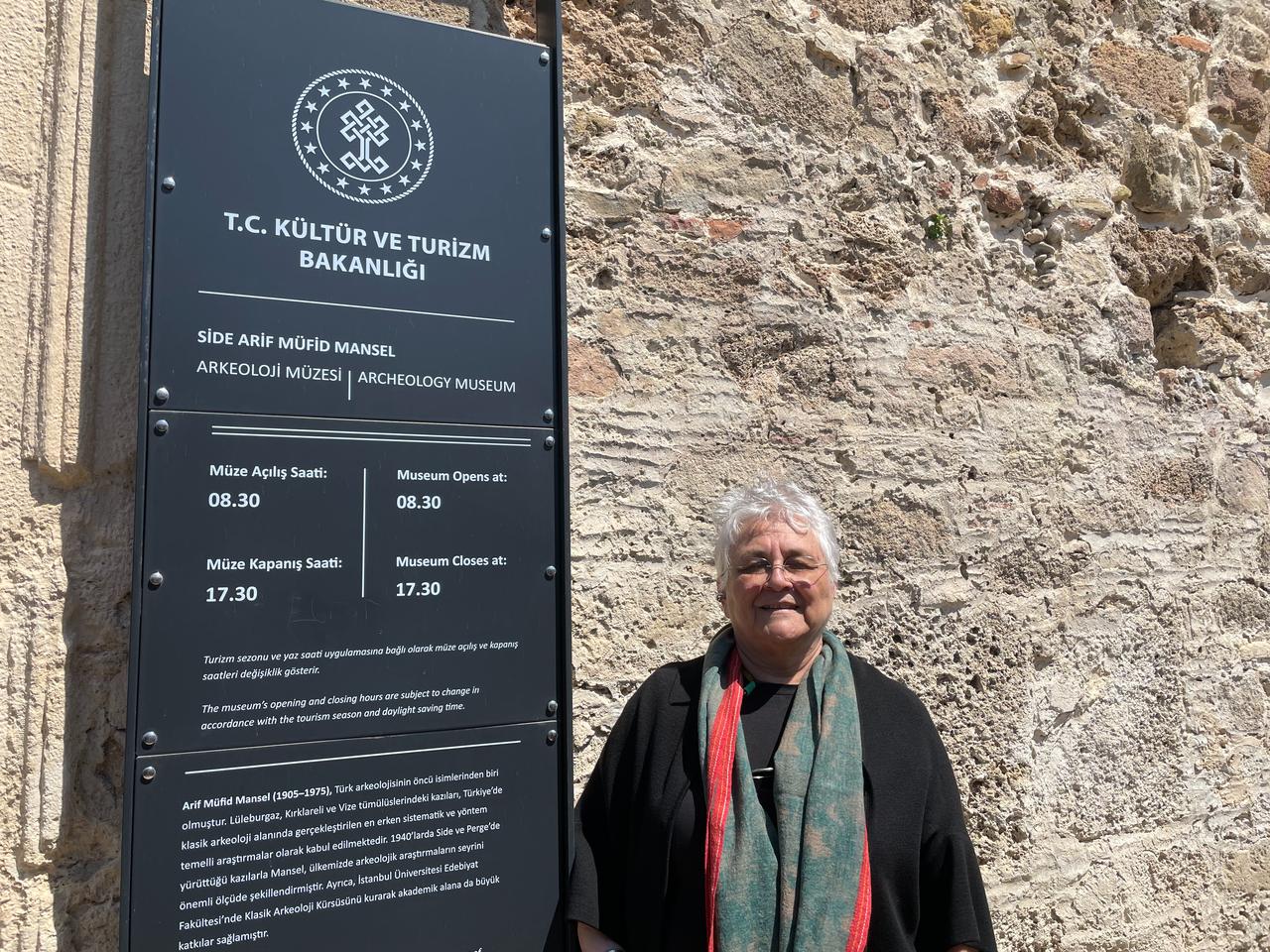

Türkiye Today toured the ancient city and spoke with excavation head Professor Feristah Alanyali, who described how the project is helping Side open up its layered past while also expanding the visitor experience in one of the region's busiest tourism hubs.
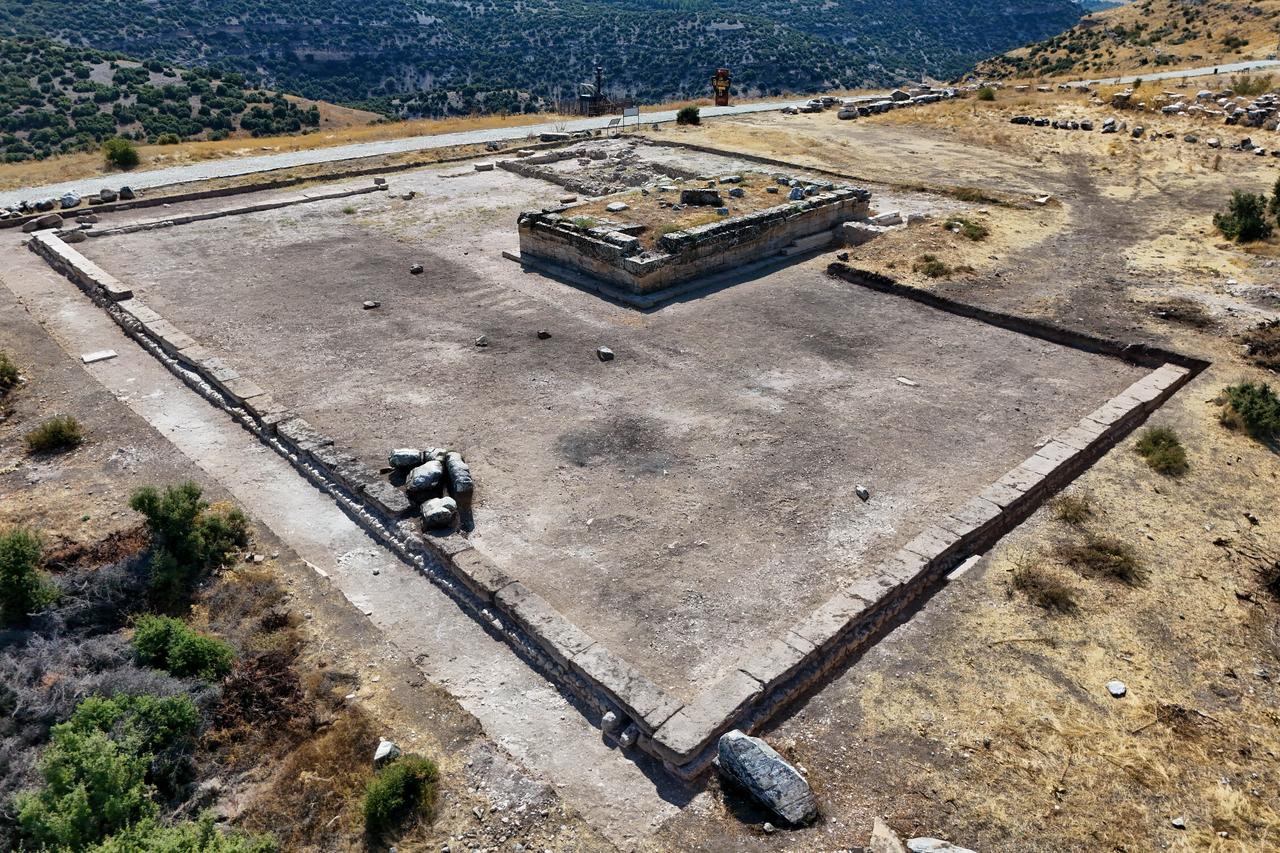
Side’s streets are being brought back through new excavations, restored sections and newly opened visitor areas. Since excavations first got underway in 1947, the ancient city has gradually taken on a new face, and recent investment has further stepped up that transformation.
As traces of the past are being uncovered, the site is also being set out in a way that allows visitors to move through it more clearly. The ancient theater, agora, thermal baths, ancient harbor, and temples now stand at the center of an experience that runs from daytime visits to evening tours.
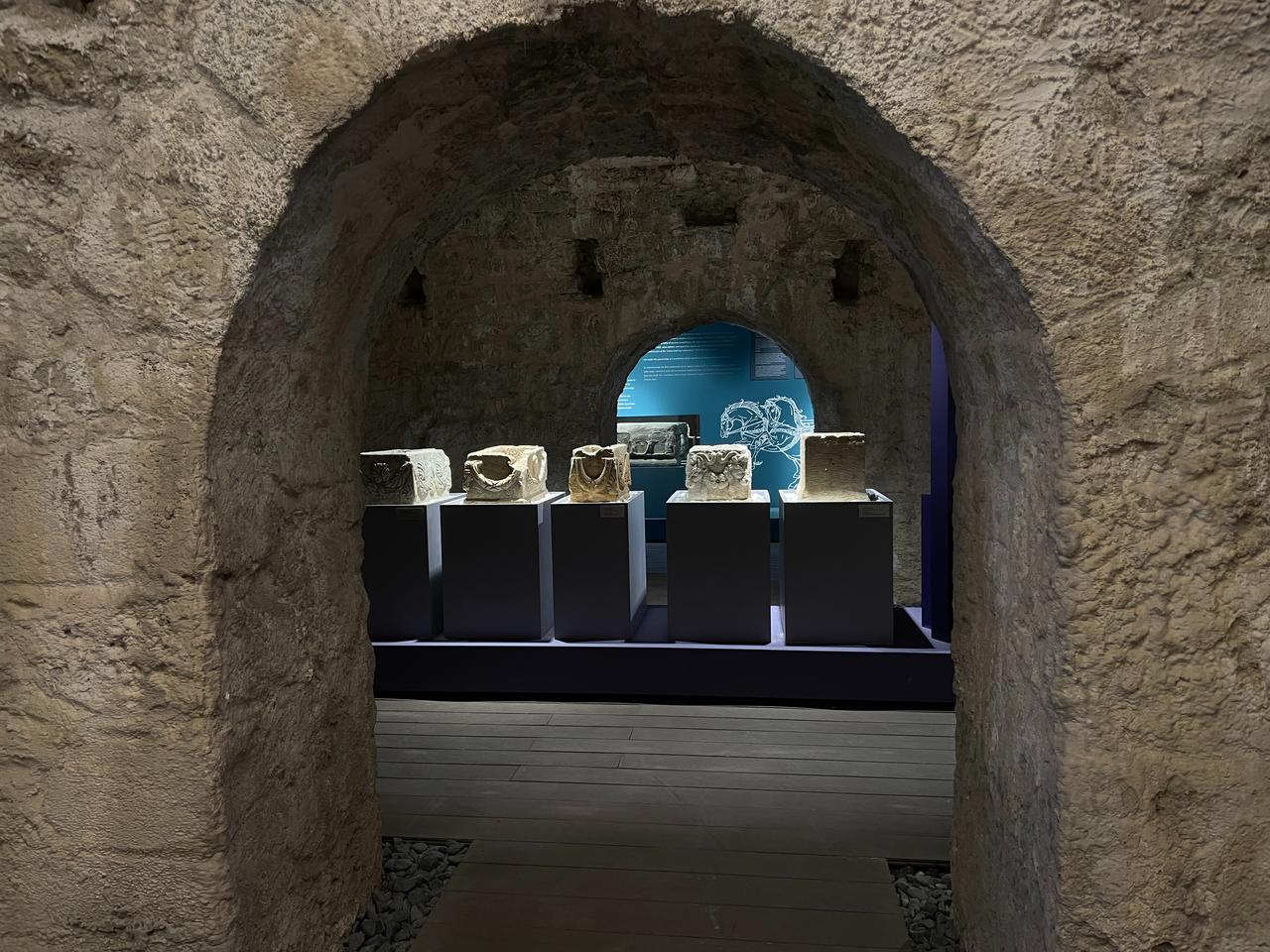
One of the clearest results of this work has been the opening of Side’s second museum, the Side Arif Mufid Mansel Archaeology Museum. The museum was created by turning a collapsing ancient hospital structure into an exhibition space, and the project was completed in two years through excavation and restoration.
Speaking to Türkiye Today, excavation head Professor Feristah Alanyali said the team was standing inside a structure believed by researchers to have served as a hospital in antiquity. After excavation and repair work were carried out, the team decided to give the building a new function and place part of the collection that had come to the Side Museum since 1947, along with newly unearthed finds, inside this new museum.
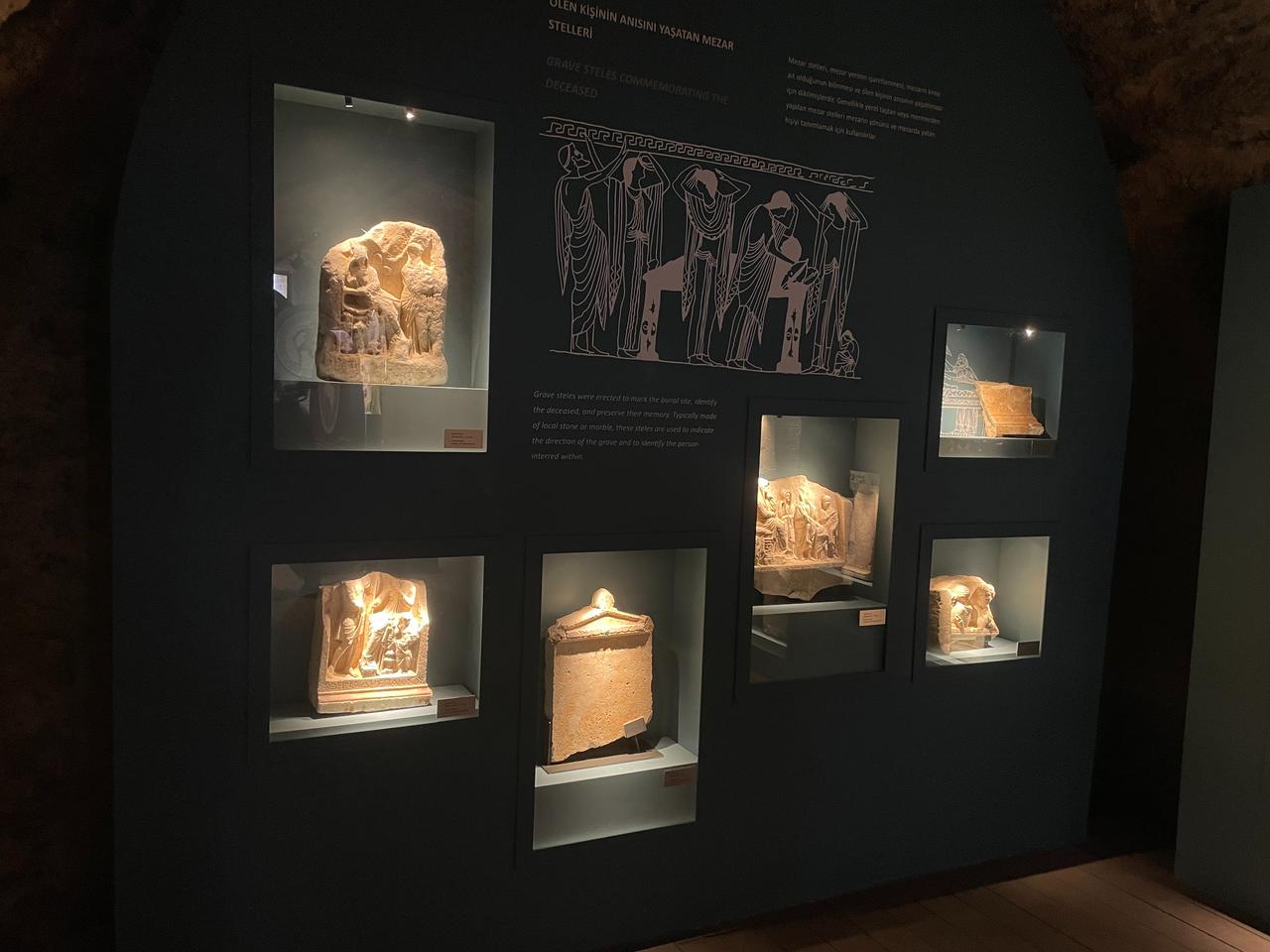
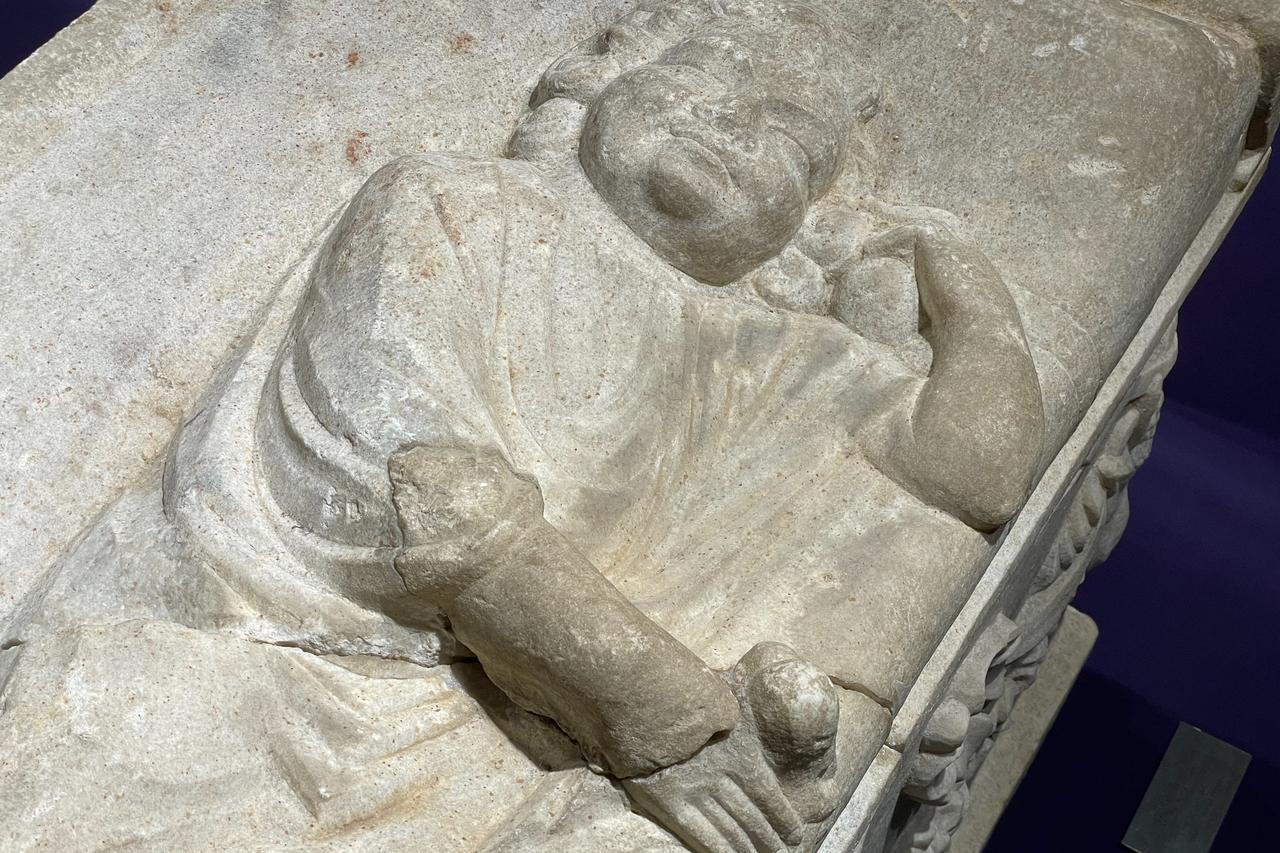
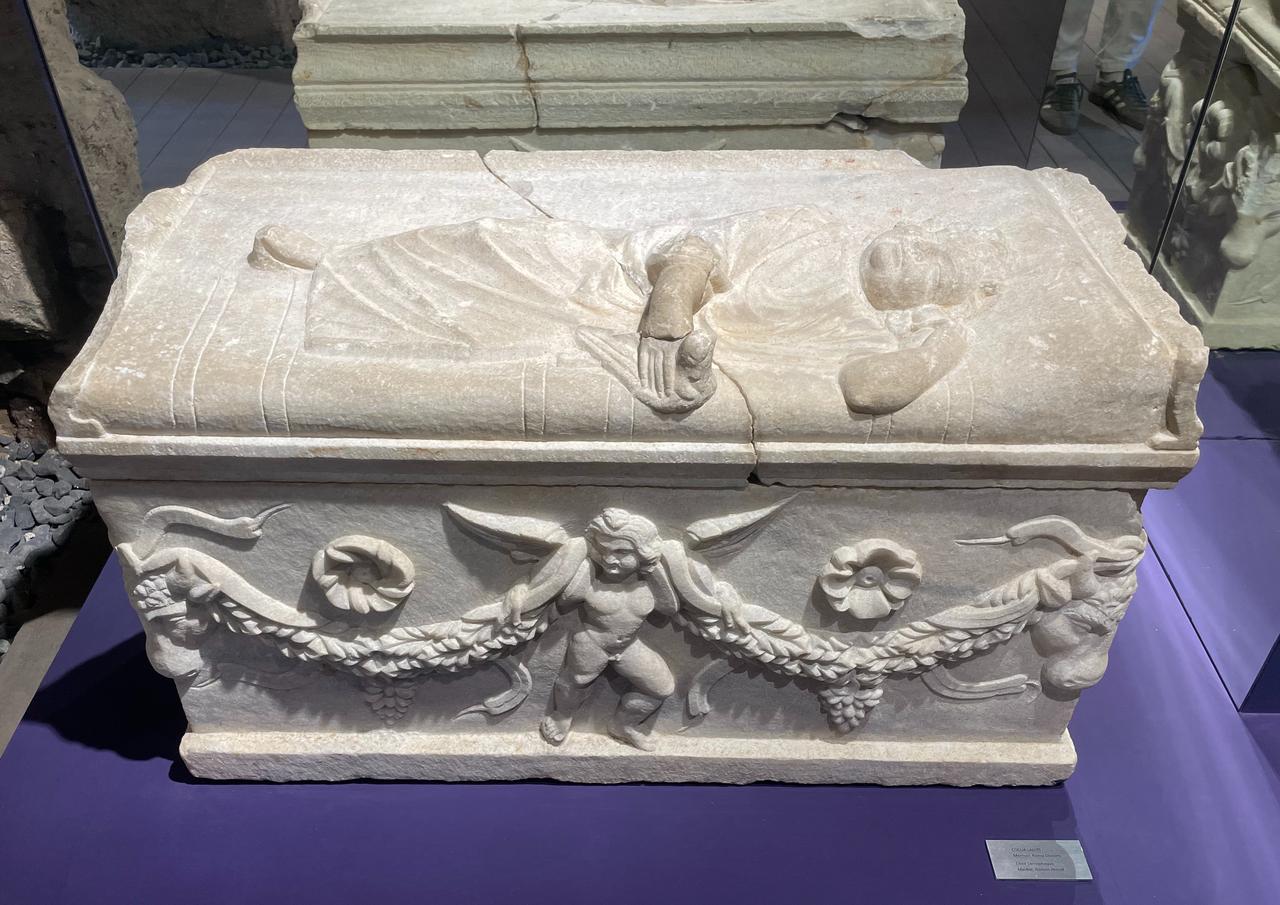
She said the ground floor displays sarcophagi, grave steles, and altars from Side’s necropolises. Alanyali said the team named this section “The Other Side,” linking it both to belief in a different world after death and to the fact that burial grounds in antiquity were built beyond the city walls. She also noted that “Side” means pomegranate in the local ancient language known as Sidean.
On the upper floor, the museum displays objects uncovered during excavations carried out to the east and west of the structure. Alanyali said these finds are presented through the mythological stories of Side’s ancient buildings, with the Temple of Athena narrated in Athena’s voice and the theater interpreted through Dionysos.
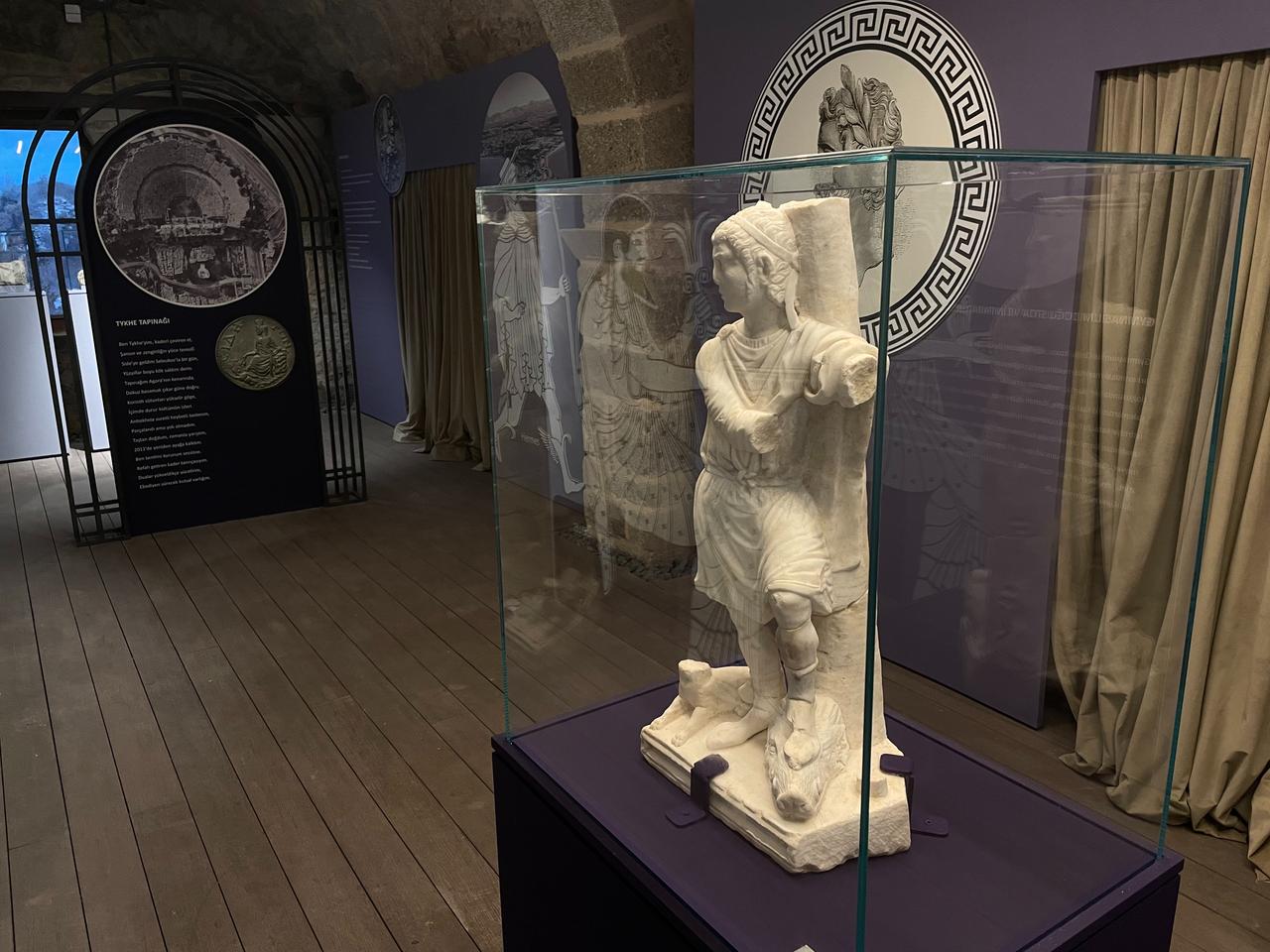
She said the building, which had been close to collapse, was transformed into a museum over two years through excavation and restoration. The museum was named after Professor Arif Mufid Mansel, who first excavated both Side and the structure itself.
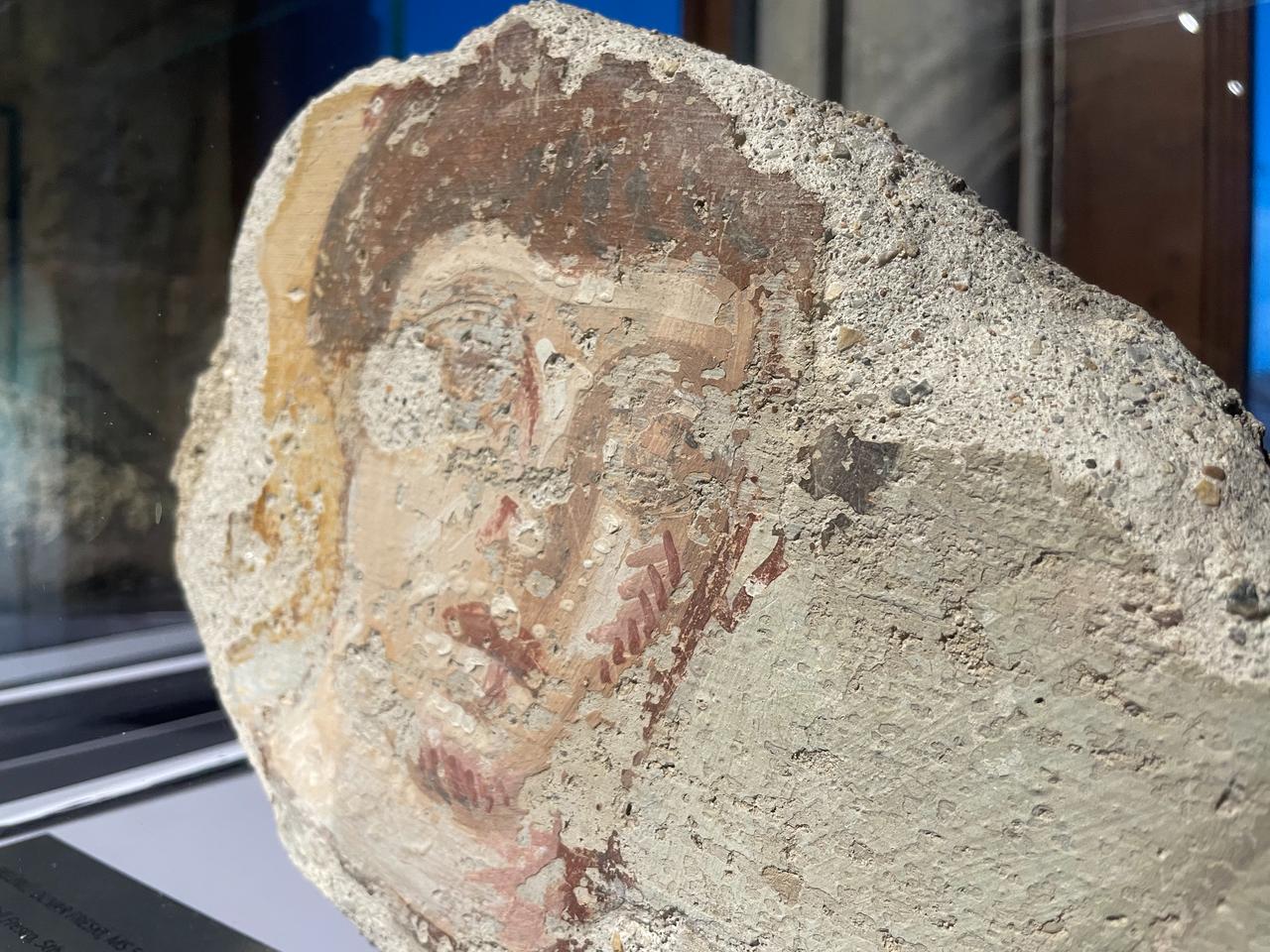
The museum also ties the city’s finds back to Side’s local identity. Alanyali said the name of Side is indigenous and comes from the ancient local language, with its earliest known meaning being “pomegranate.” She added that the symbol still stands out across the region today and can be seen on coins, monuments and other visual elements tied to the city.
Artifacts uncovered in Side are now being displayed both in the long-established Side Museum and in the newly opened Arif Mufid Mansel Archaeology Museum, widening the space available to present the city’s archaeological story.
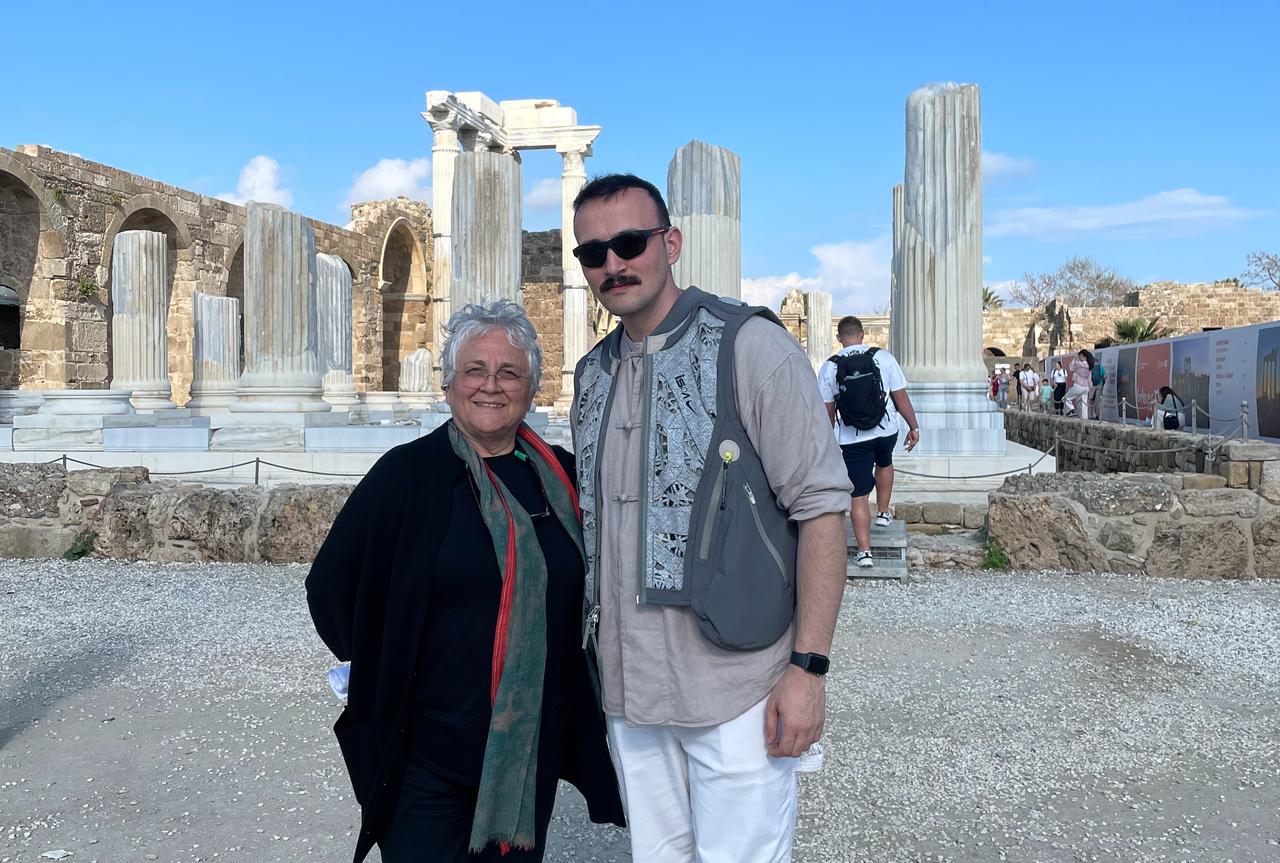
The project has also helped turn Side into a leading destination for night tourism. Special lighting now lights up the ancient city after sunset, drawing both domestic and international visitors who prefer to explore once the daytime heat eases off.
With illuminated ruins stretching across the peninsula, visitors can take in the site by night as well as by day. The city’s historic silhouette now stands out from both land and sea, while its cultural remains continue to be set against the natural appeal of the Mediterranean coast.


 Set as preferred source
 Set as preferred source


 3 min read