Newsletters


Ayanis Kalesi sits in Van province, in Türkiye's far east near the country's border with Iran, rising about 250 meters above Lake Van, Türkiye's largest lake.
The site combines Urartu-era architecture with views of Suphan Dagi, a volcanic peak on the lake's northern shore, as excavations continue at what is regarded as the last settlement built by the Urartu Kingdom.
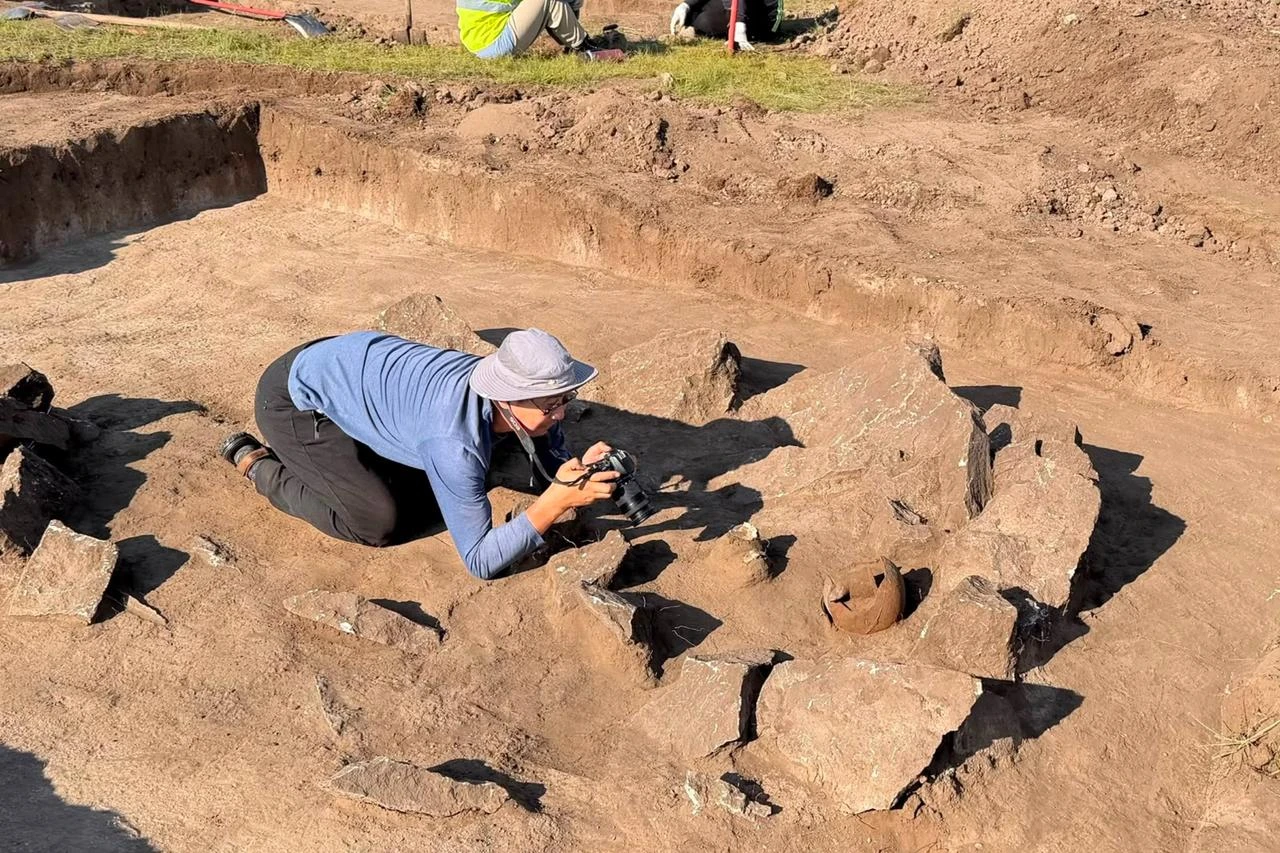
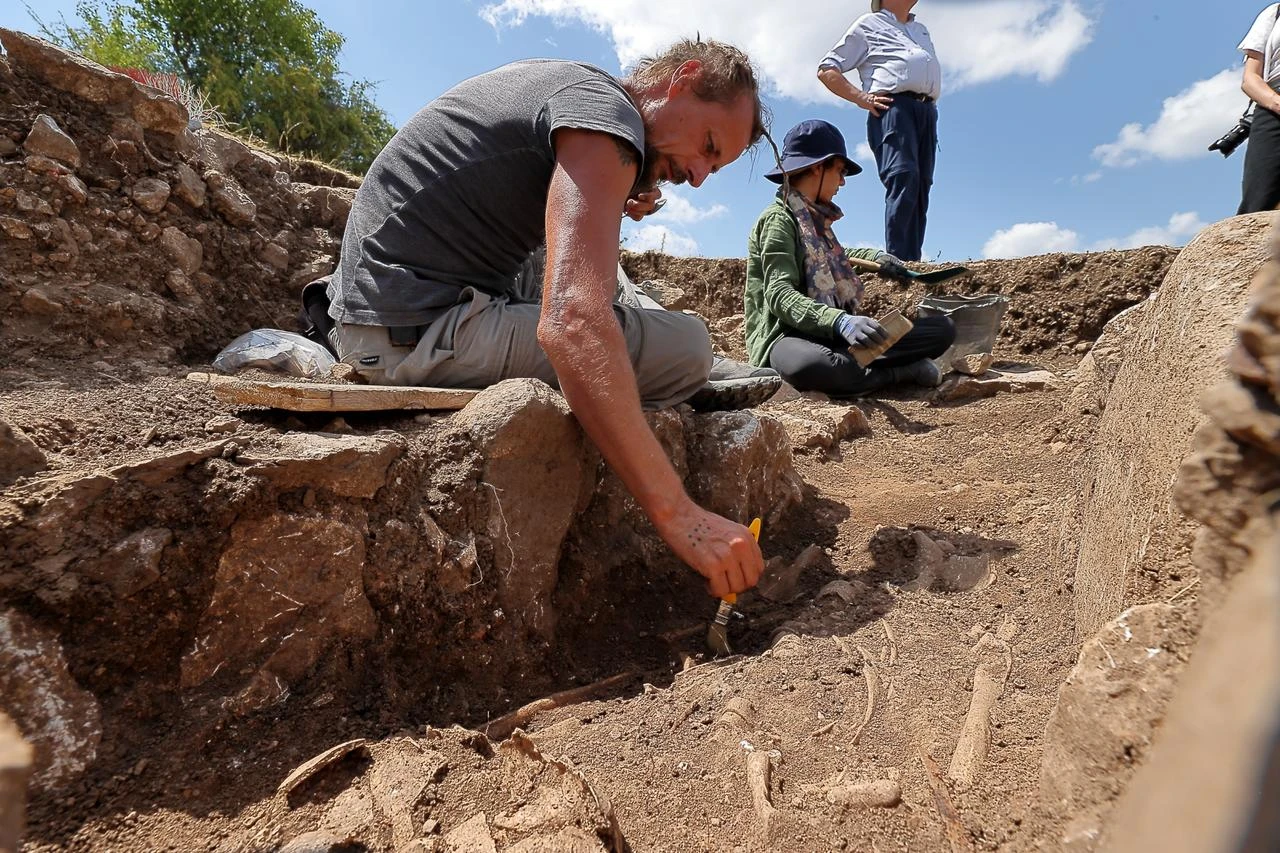
Excavations at Ayanis Kalesi have uncovered a series of royal structures and historical artifacts dating to the Urartu period.
The site sits on a hill above Lake Van, a body of water roughly the size of the U.S. state of Delaware, and forms part of a wider network of Urartu-era fortifications across the region.
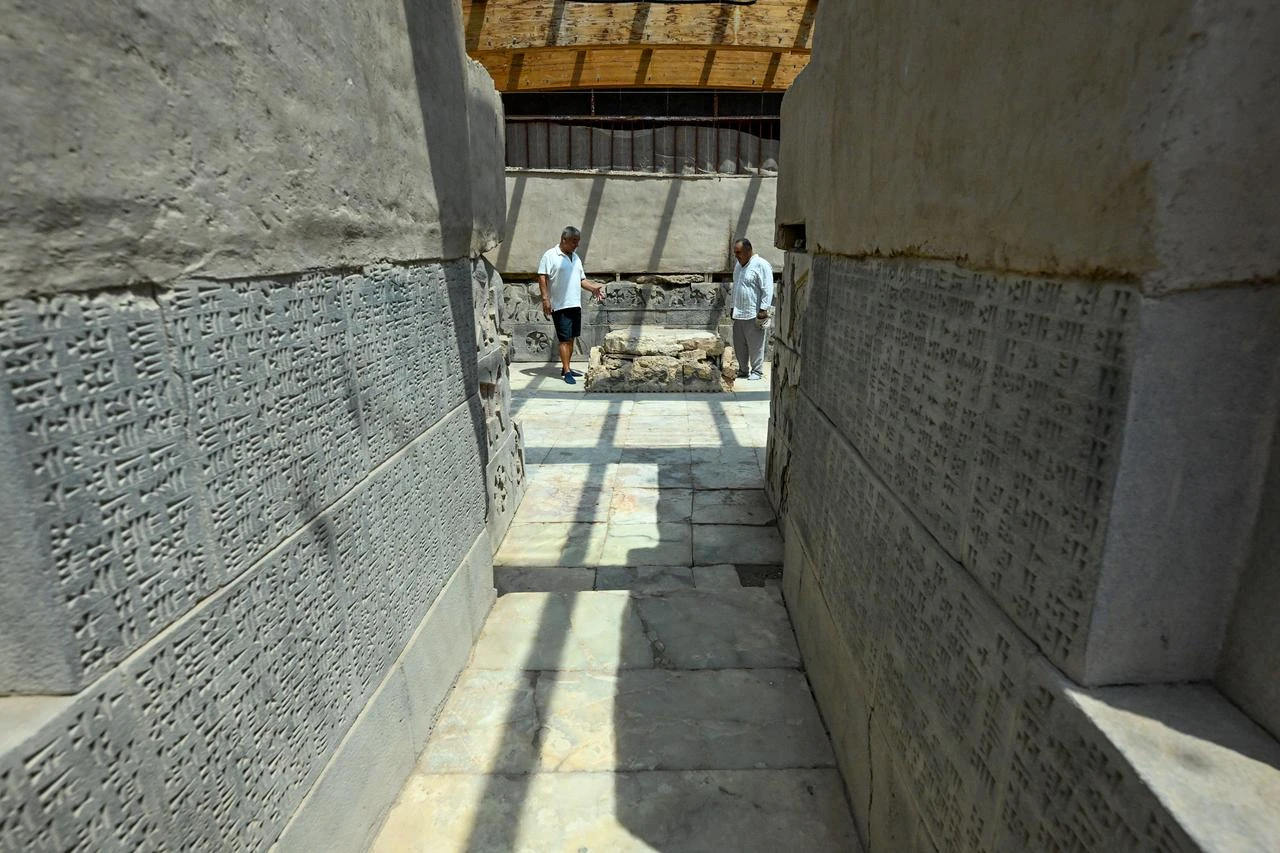
Archaeologists consider Ayanis Kalesi the final settlement established by the Urartu Kingdom, an Iron Age civilization that once controlled territory spanning parts of modern-day eastern Türkiye, Armenia and northwestern Iran
No later Urartu city has been identified, making the site a reference point for the kingdom's closing period.
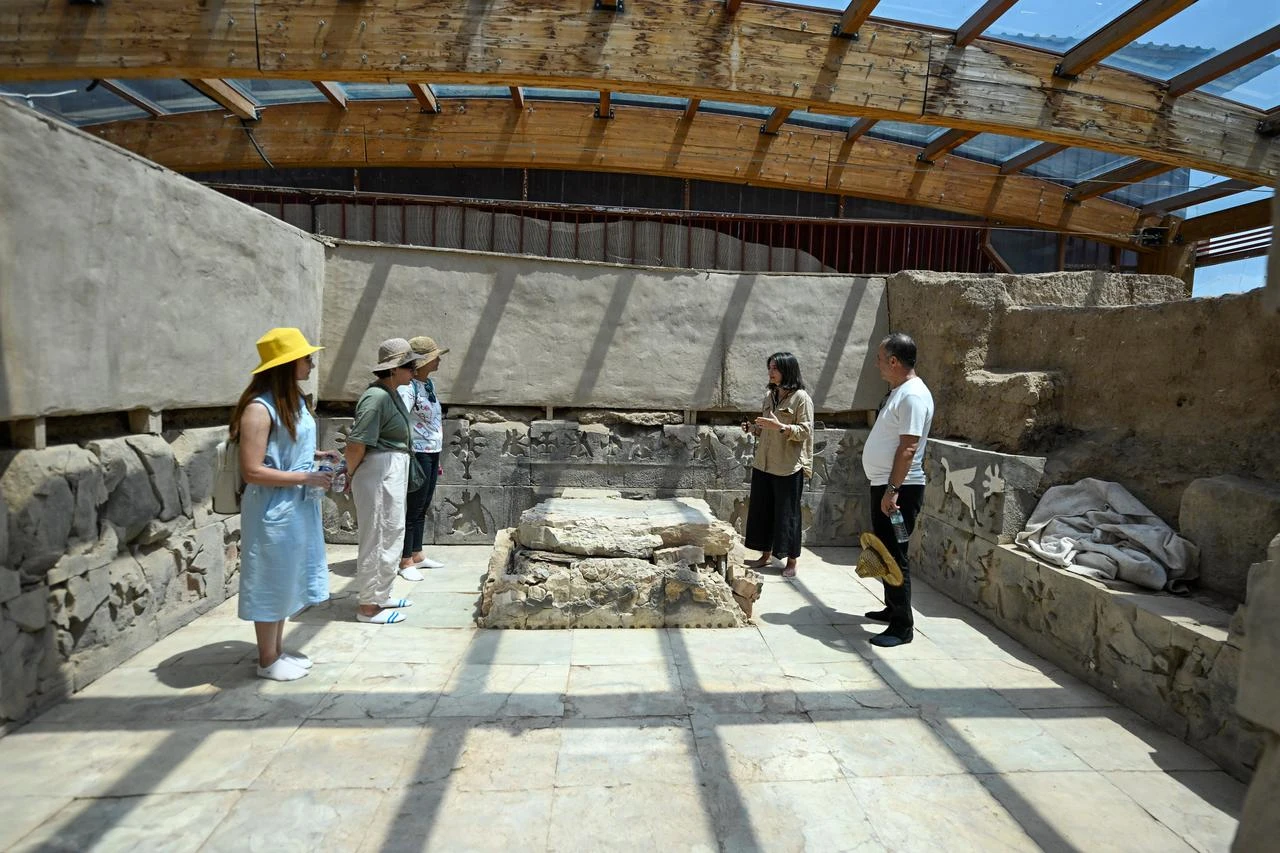
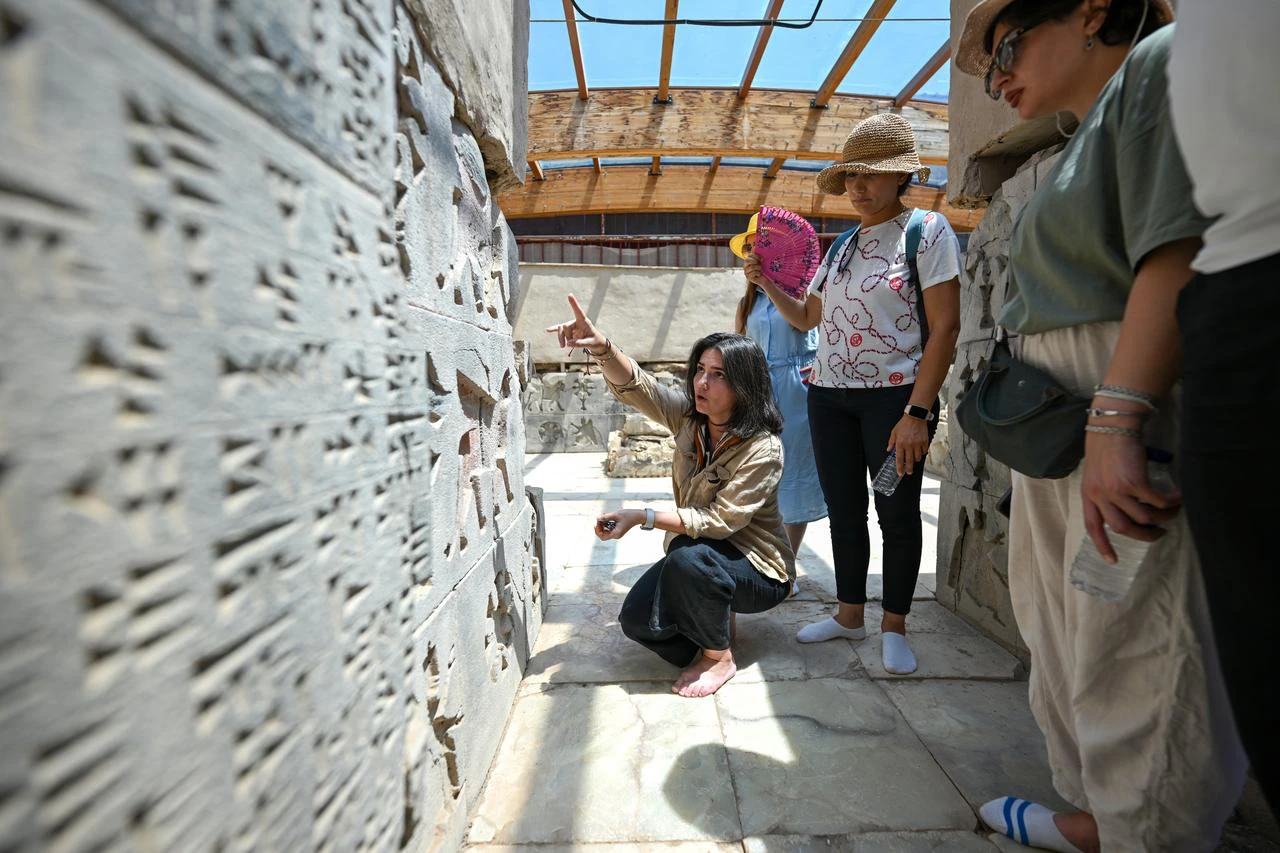
Among the structures uncovered at the kale is the Haldi Temple, dedicated to Haldi, the chief deity of the Urartu pantheon.
The temple combines stone and mudbrick construction, a building technique associated with major Urartu religious sites of the period.
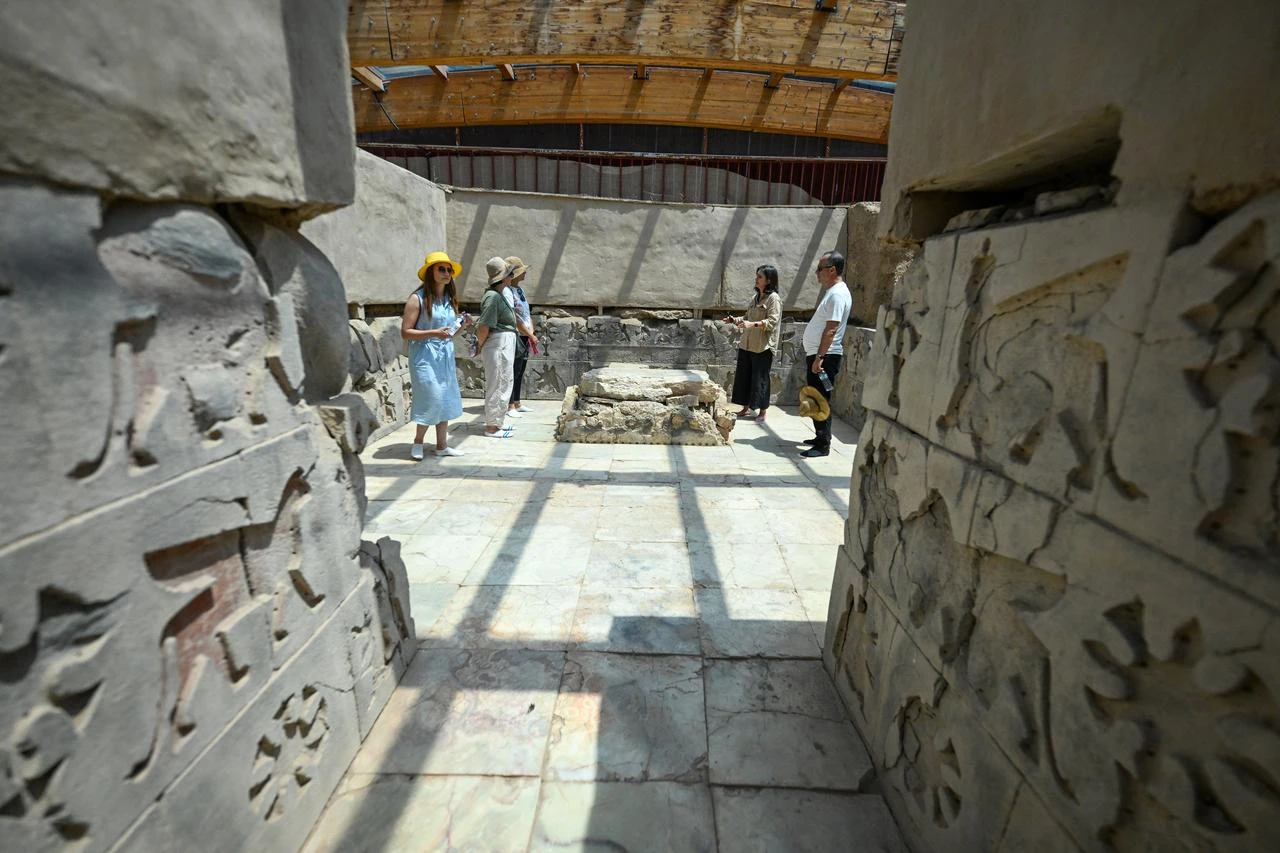
Excavation director Mehmet Isikli, a faculty member at Ataturk University's archaeology department in Erzurum, roughly 300 kilometers northwest of Van, describes the Haldi Temple as one of the best-preserved examples of Urartu temple architecture found to date.
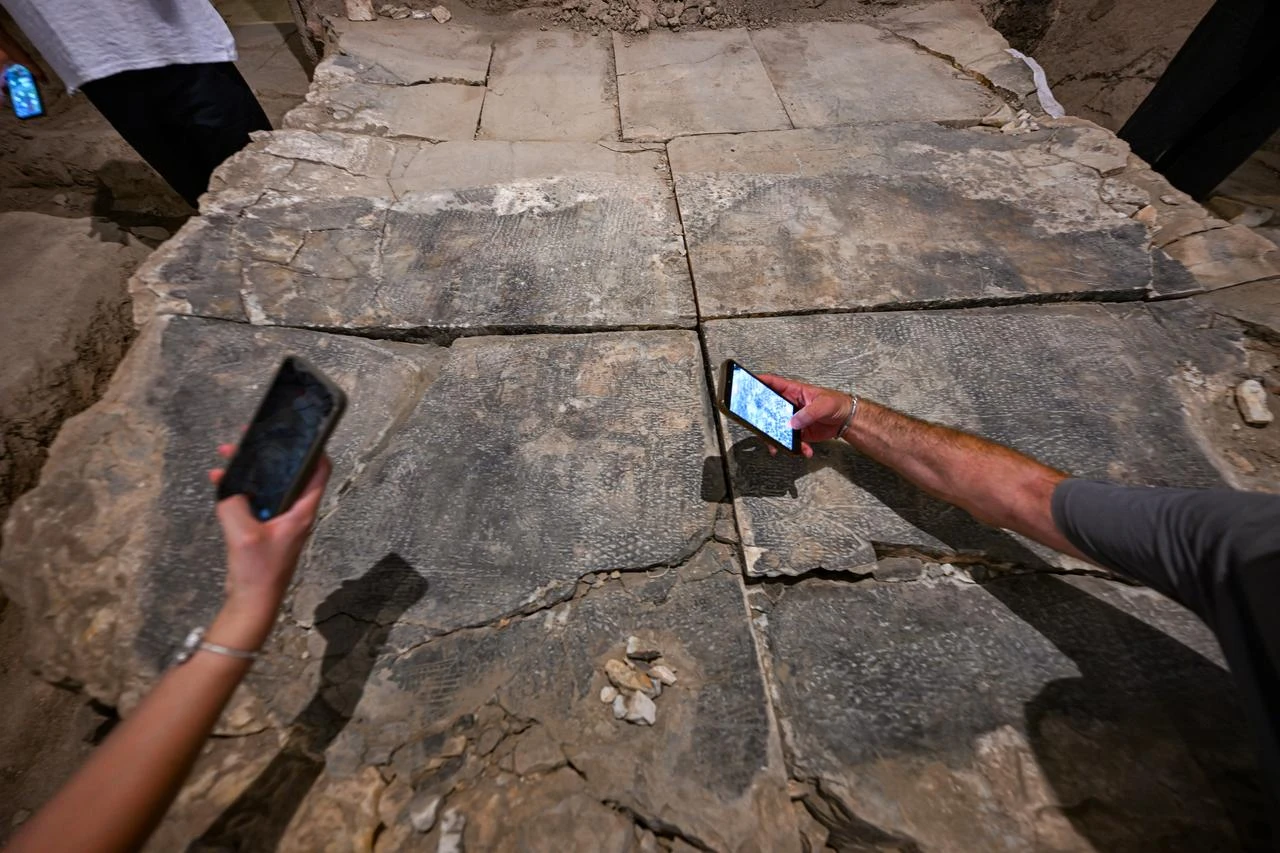
Ayanis Kalesi has opened to visitors in stages as excavation work continues, with sections becoming accessible as archaeologists complete their surveys.
Travel agencies and tour guides operating out of Van, the nearest major city, have increasingly added the site to their itineraries in recent years.
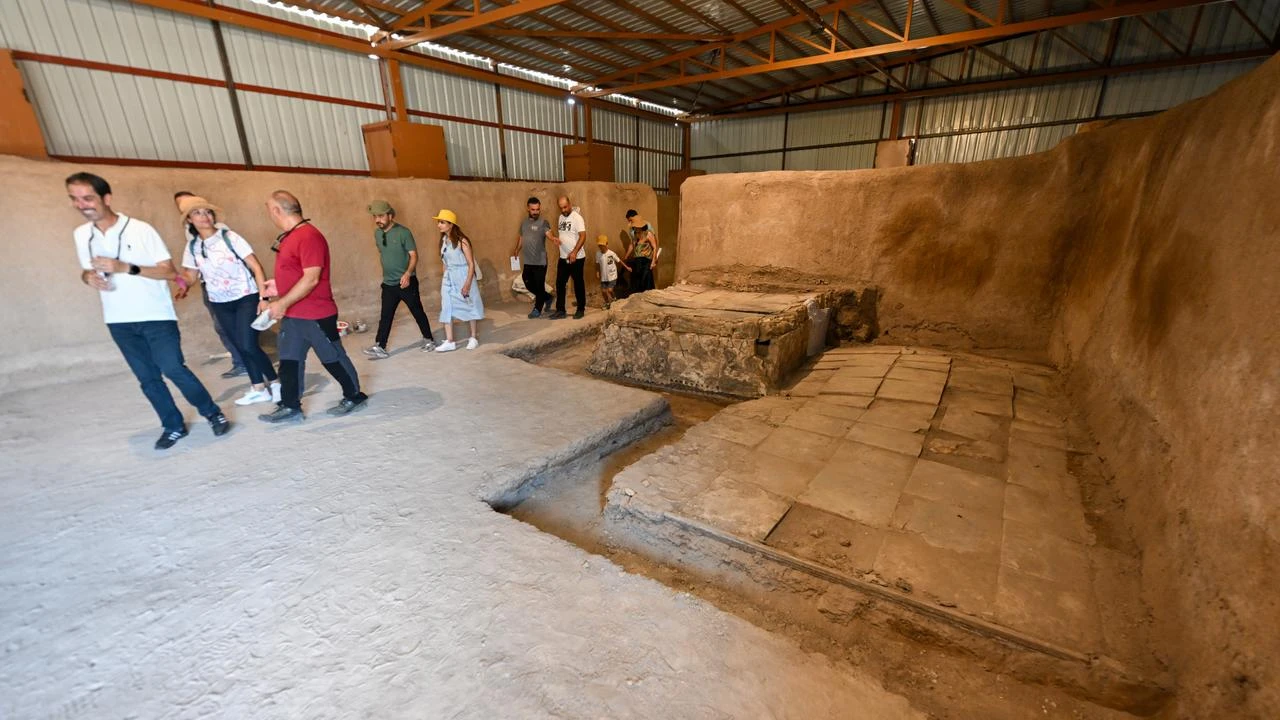
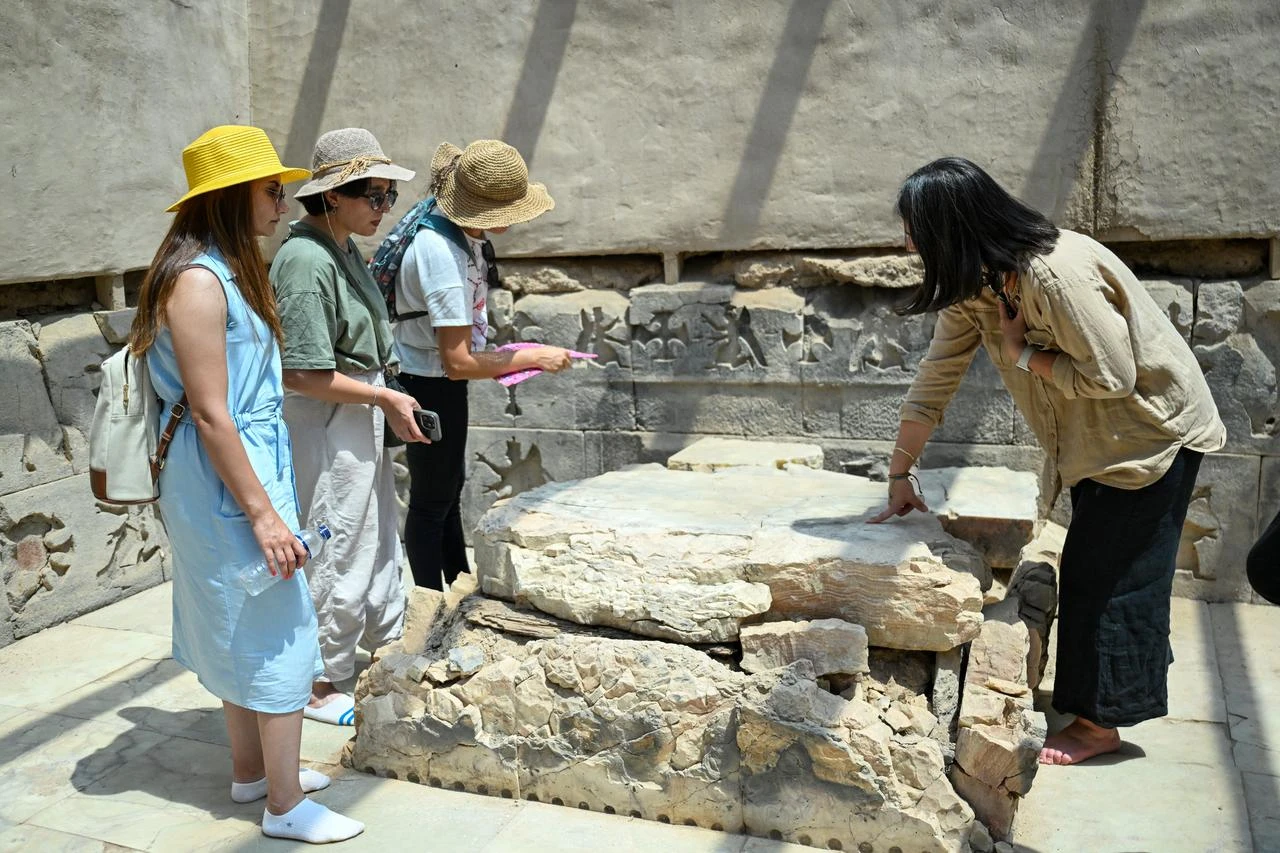
Visitors touring Ayanis Kalesi can view ongoing excavation work alongside the surrounding landscape of Lake Van and Suphan Dagi, a peak that rises more than 4,000 meters on the lake's far shore.
The combination of active archaeology and scenery has positioned the kale among the more frequently visited historical sites in the Van region.
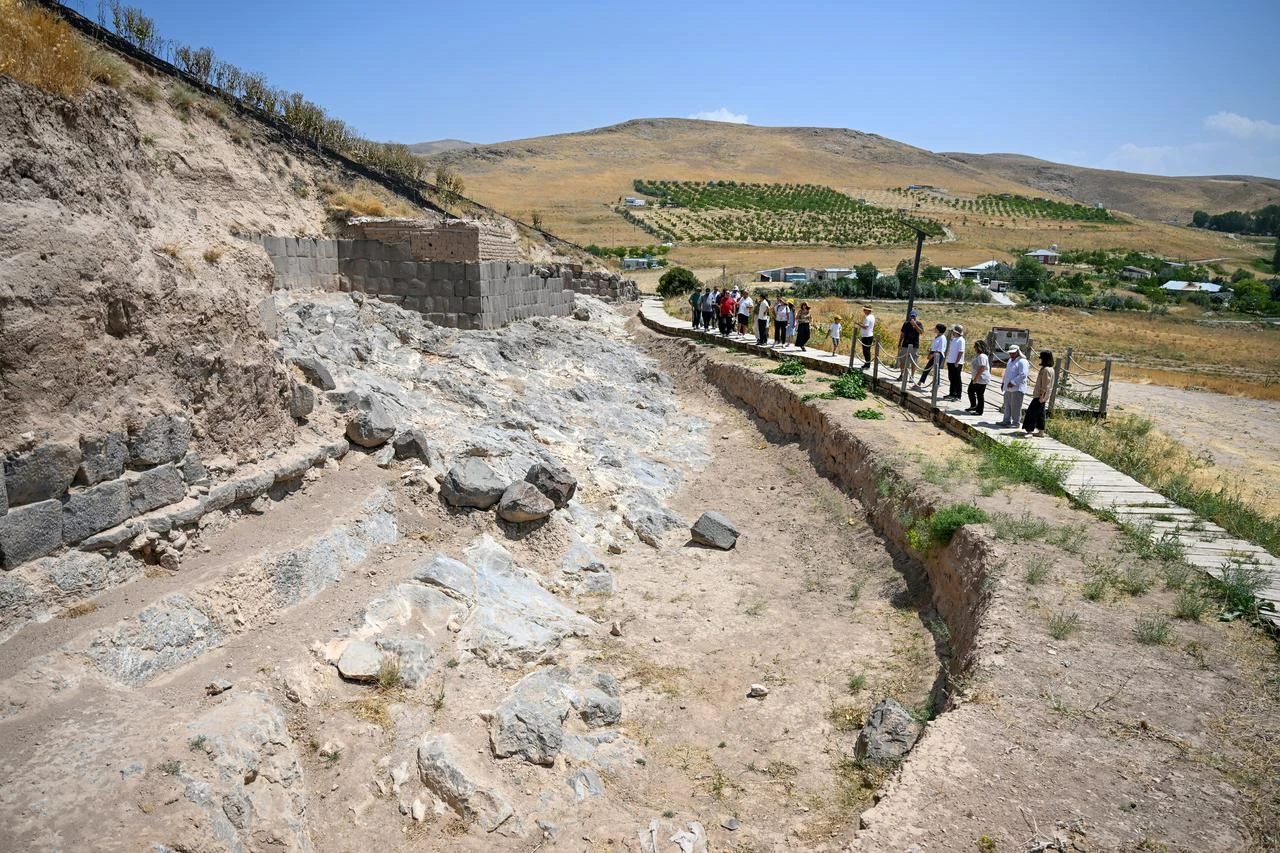
Isikli says interest in Ayanis Kalesi has grown since the start of the current excavation season, with the site's lakeside location, air quality and archaeological density cited as its main draws for visitors.
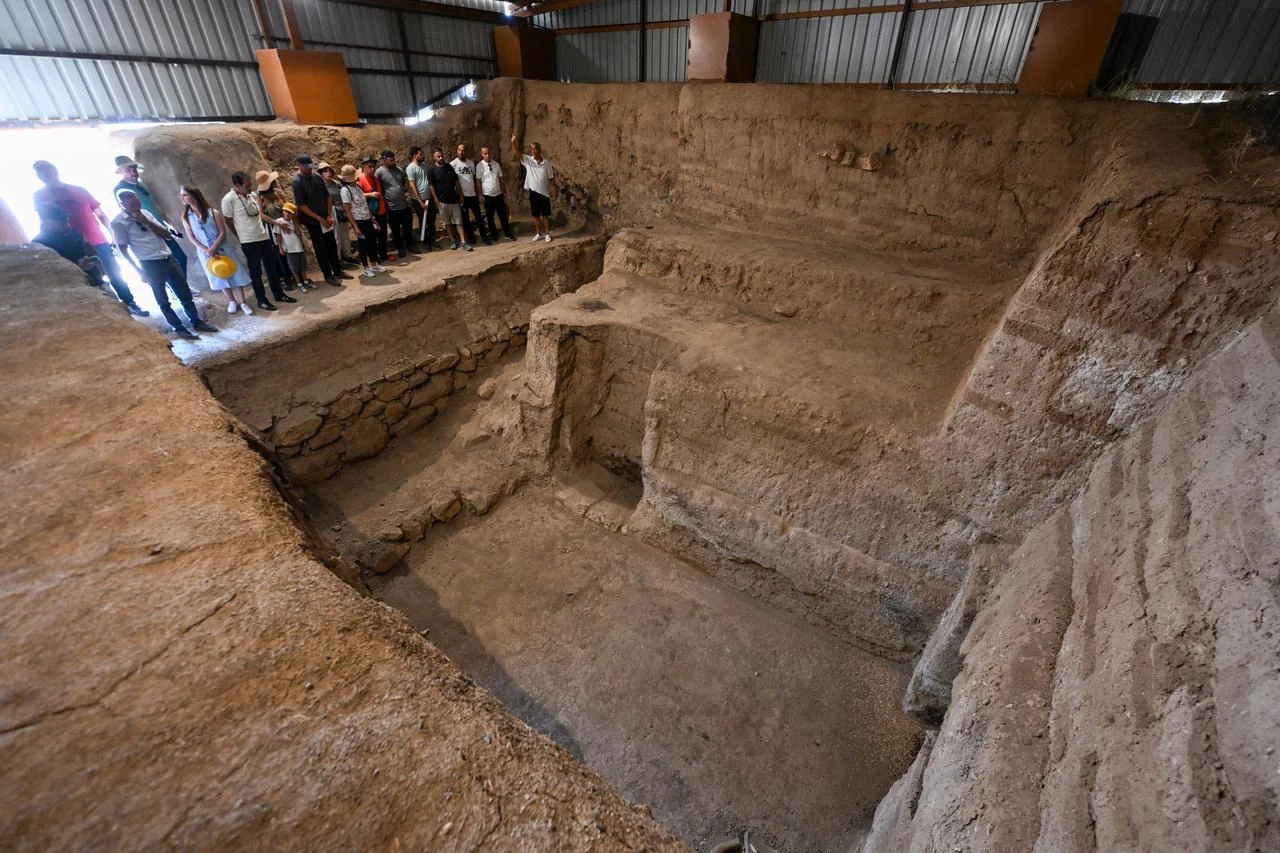
According to Isikli, tour groups from France, Spain, the United States, Japan, the United Kingdom and South Africa have visited Ayanis Kalesi in recent seasons.
He attributes the international interest to the kale's status as the last known settlement of the Urartu Kingdom.
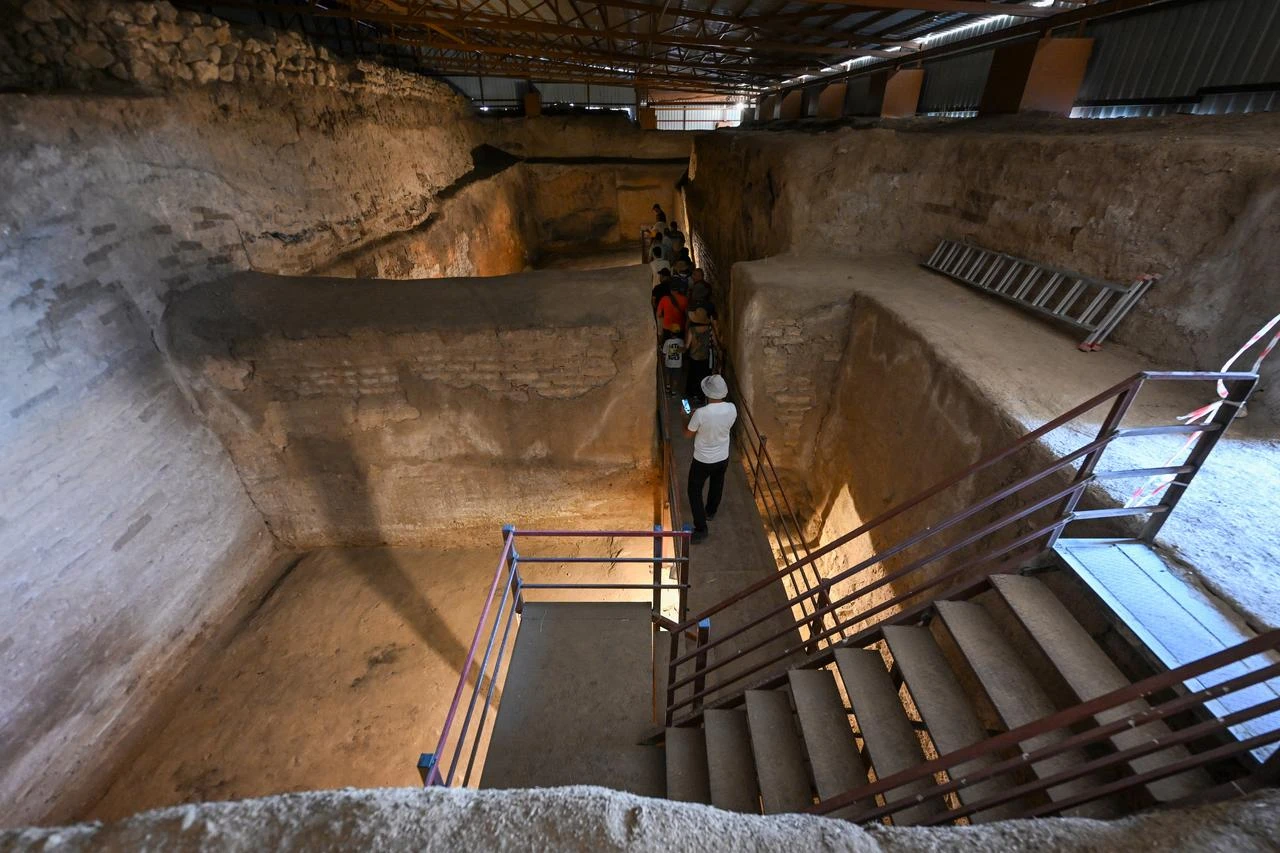
Cevdet Ozgokce, head of the Eastern Anatolia regional executive board of the Turkish Travel Agencies Association (TURSAB), says foreign tour groups have shown rising interest in visiting Ayanis Kalesi
Excavation work at the site has continued since 1989, with efforts underway to expand public access.
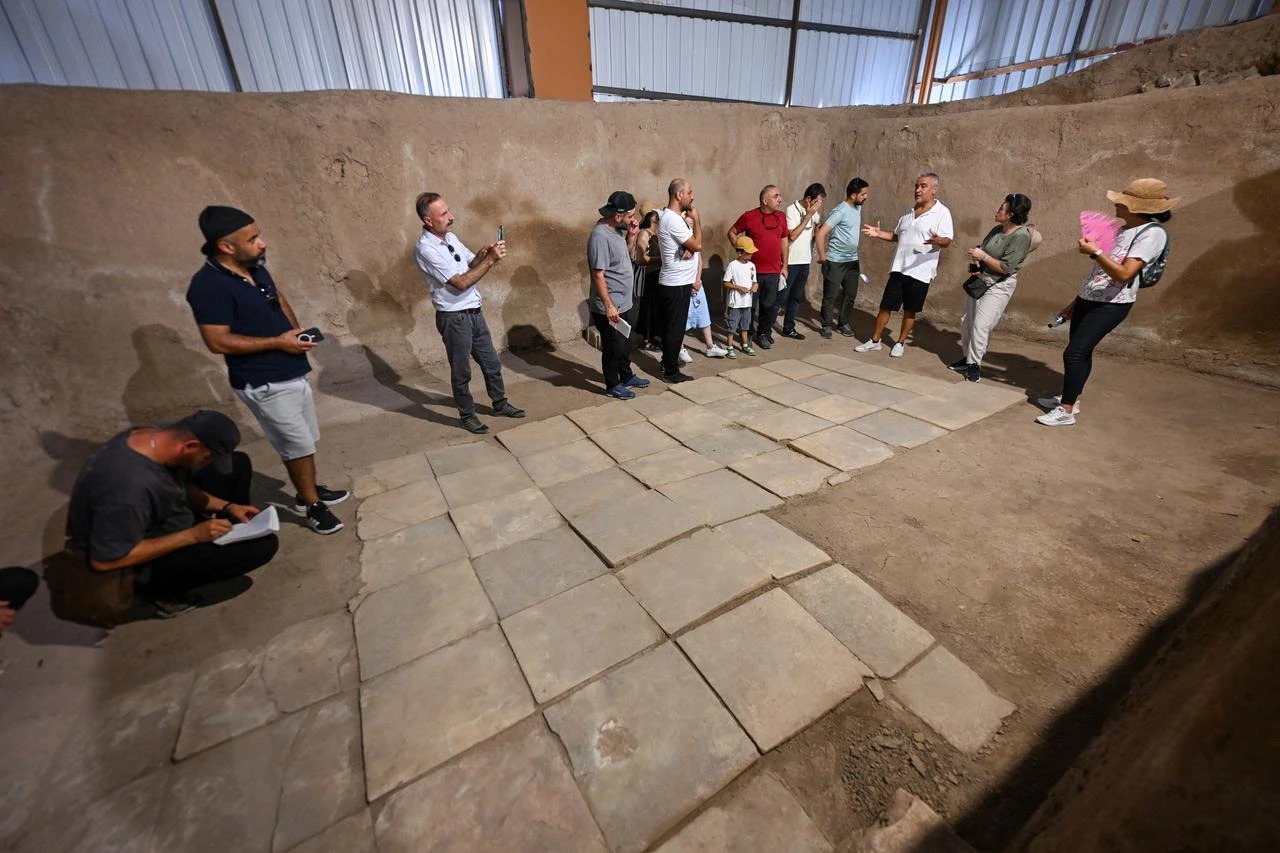
Tour guides Nurten Erkol and Ozkan Deniz, who lead visitors through Ayanis Kalesi, say the site has become one of the more sought-after Urartu locations among domestic and international tourists in recent years.
Both expect it to develop into a significant tourism center as excavation and public access expand.


 Set as preferred source

 3 min read