Newsletters


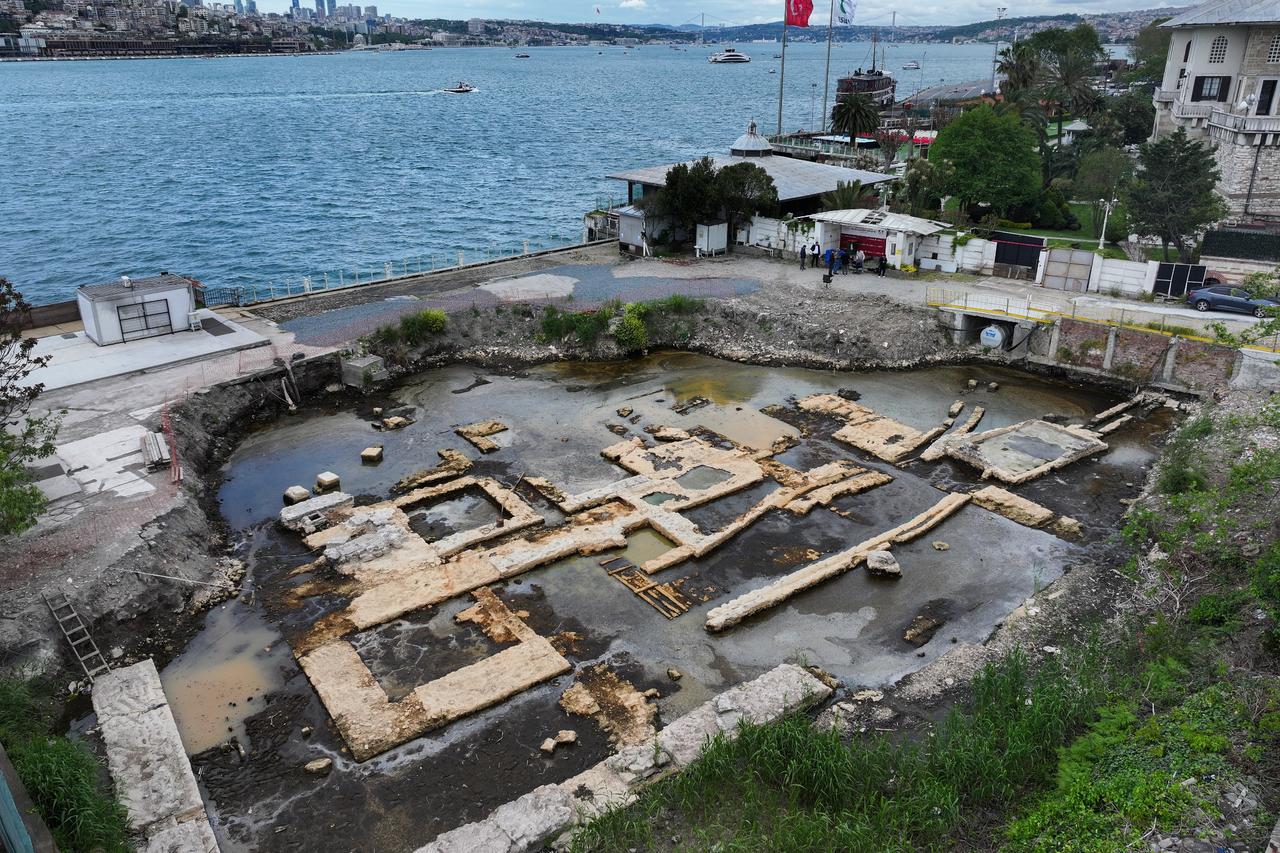


The Yali Kosk, a historically significant Ottoman-era pavilion where naval ceremonies were held and admirals were traditionally sent off and welcomed by the sultan, is set to be reconstructed in Istanbul as part of the ongoing “Yadigar” heritage initiative led by the Istanbul Governor’s Office.
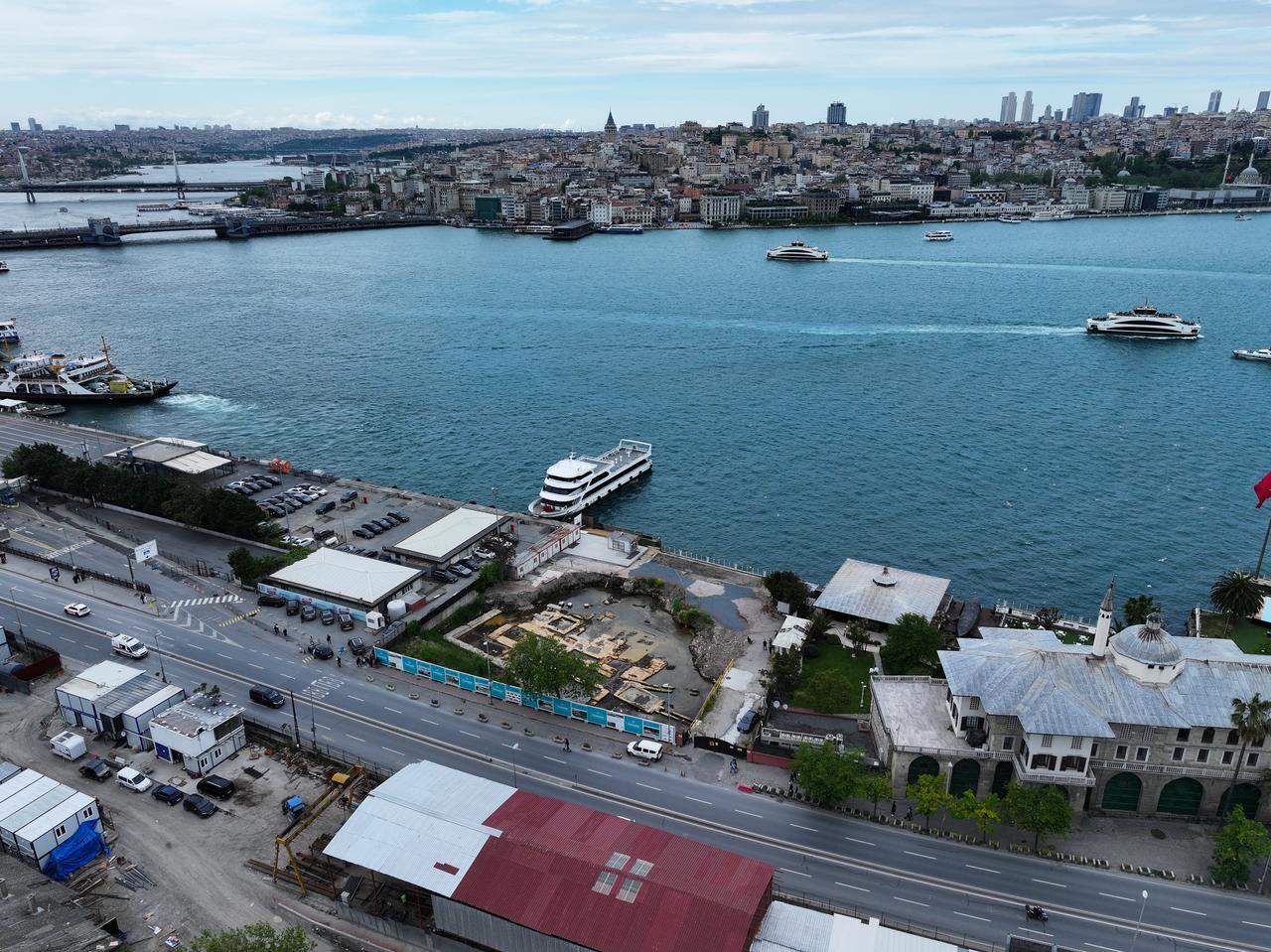
Located on the Sarayburnu coastline within the Topkapi Palace complex, adjacent to Sepetciler Kasri (Basketmakers' Kiosk), the long-lost structure will be rebuilt in accordance with its original architectural form, with the aim of restoring its presence within the city’s historic peninsula silhouette.
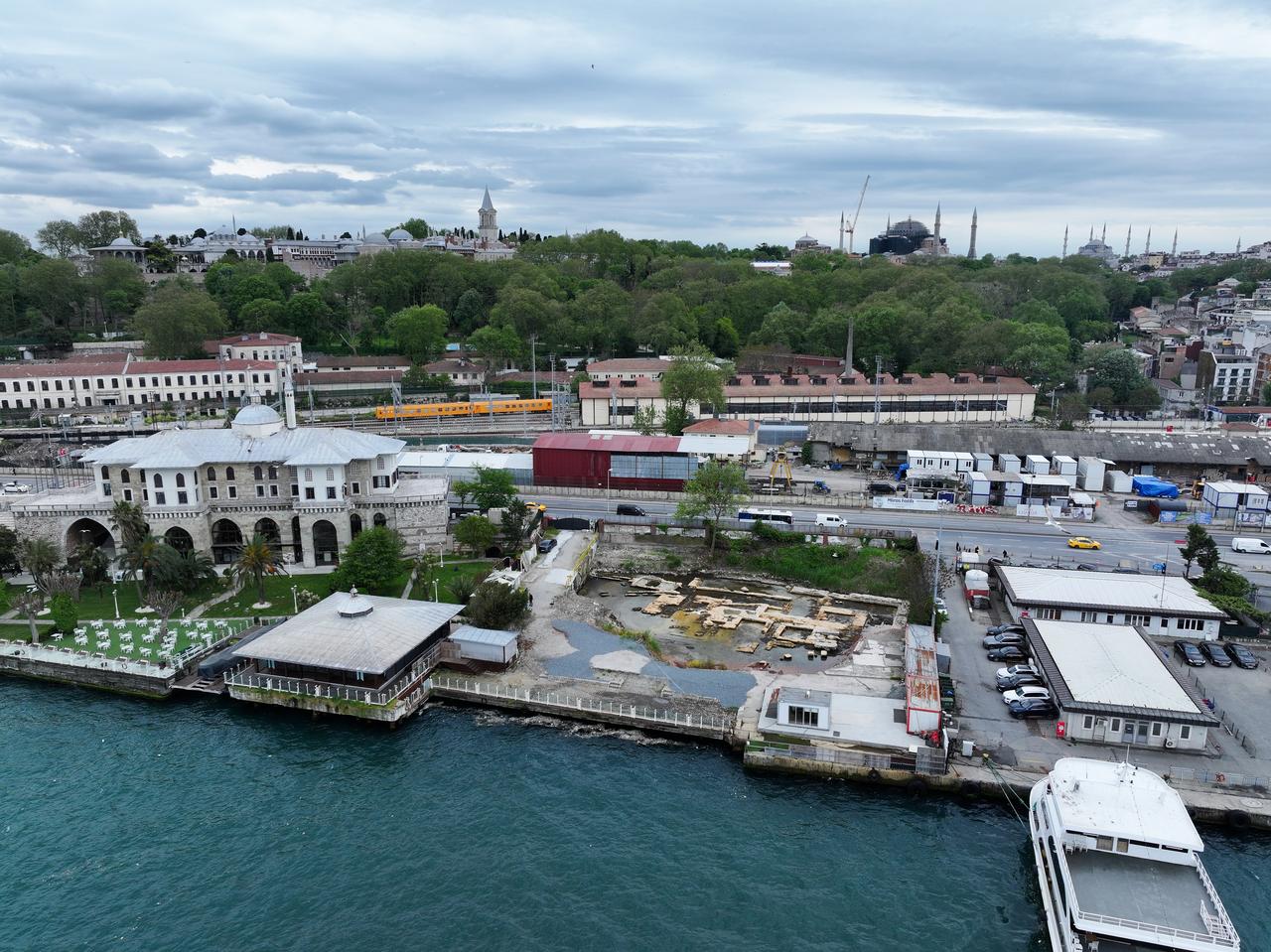

Historical sources indicate that the Yali Kosk was constructed in the late 16th century and served as a key ceremonial site in Ottoman maritime tradition. The pavilion was used for the departure of naval campaigns, where the Kapudan Pasha and Ottoman forces were formally sent off by the sultan. It also functioned as the reception point for returning fleets and victorious commanders.
In addition to naval ceremonies, the structure was used for state receptions, banquets and official gatherings, reflecting its role as an extension of the imperial court and its ceremonial functions.
According to experts and archival sources, the Yali Kosk represented a distinguished example of Ottoman civil architecture. The building is described as having a central hall with a three-iwan plan and a domed structure, accompanied by wide roof eaves and surrounding marble arcades.
Historical engravings and early photographs suggest that the pavilion resembled a tent-like structure when viewed from a distance, due to its extensive eaves and the use of curtains between exterior colonnades.
It is further reported that the interior was richly decorated with approximately 6,000 Iznik tiles, reflecting the height of Ottoman ceramic craftsmanship during the period of its construction.
Archaeological excavations conducted intermittently since 2007 under the supervision of the Istanbul Archaeological Museums have revealed foundation remains, brick drainage channels and wooden structural elements used for shoreline ground reinforcement.
Specialists noted that these wooden support systems were an early form of foundation engineering, comparable in function to modern piling techniques used in coastal construction.
Additional excavation work carried out in 2025 was conducted to expand the project area and support the approved reconstruction plan, uncovering further structural remains.
 2 min read
The reconstruction is being implemented under the “Yadigar” project, which aims to restore and preserve hundreds of historical structures across Istanbul, including fountains, baths, military buildings, and educational institutions.
Officials stated that more than 400 restoration projects are currently ongoing, with over 130 completed and several hundred more planned within the scope of the program.


 Set as preferred source
 Set as preferred source


 1 min read