Newsletters


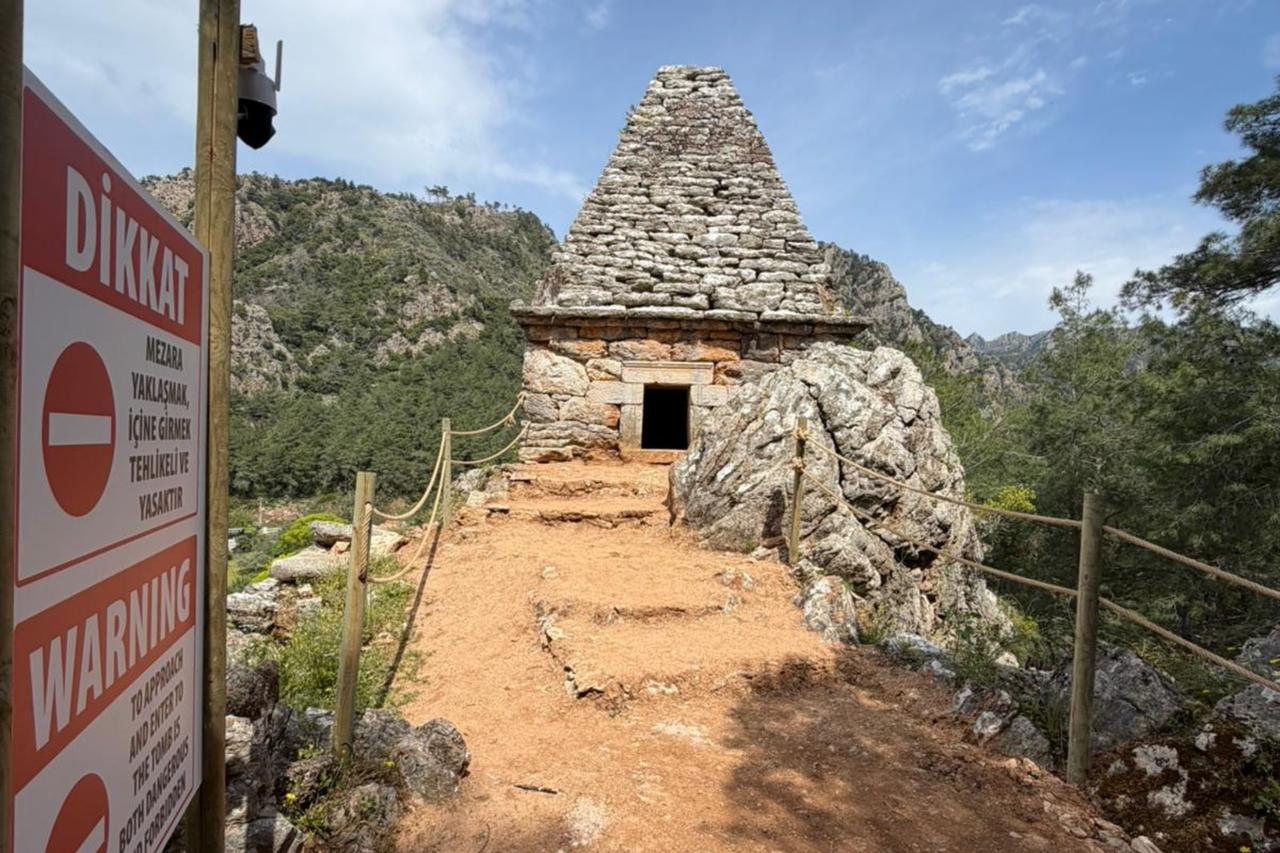


A rare pyramid-type tomb in Marmaris, described as a miniature counterpart of the Mausoleum of Halicarnassus, one of the Seven Wonders of the Ancient World, has been opened to visitors following conservation and site improvement works.
Located in the Turgut neighborhood of Marmaris in southwestern Türkiye, the monument is considered the only surviving pyramid-style tomb of its kind in the country. The structure, dedicated to Diagoras and his wife Aristomakha, dates back to the late fourth century B.C., placing it within the Hellenistic period.
Authorities carried out the project under the supervision of the Ministry of Culture and Tourism, aiming both to safeguard the structure and to bring it into the tourism circuit. After months of restoration and landscaping, the site has now been formally opened to the public.
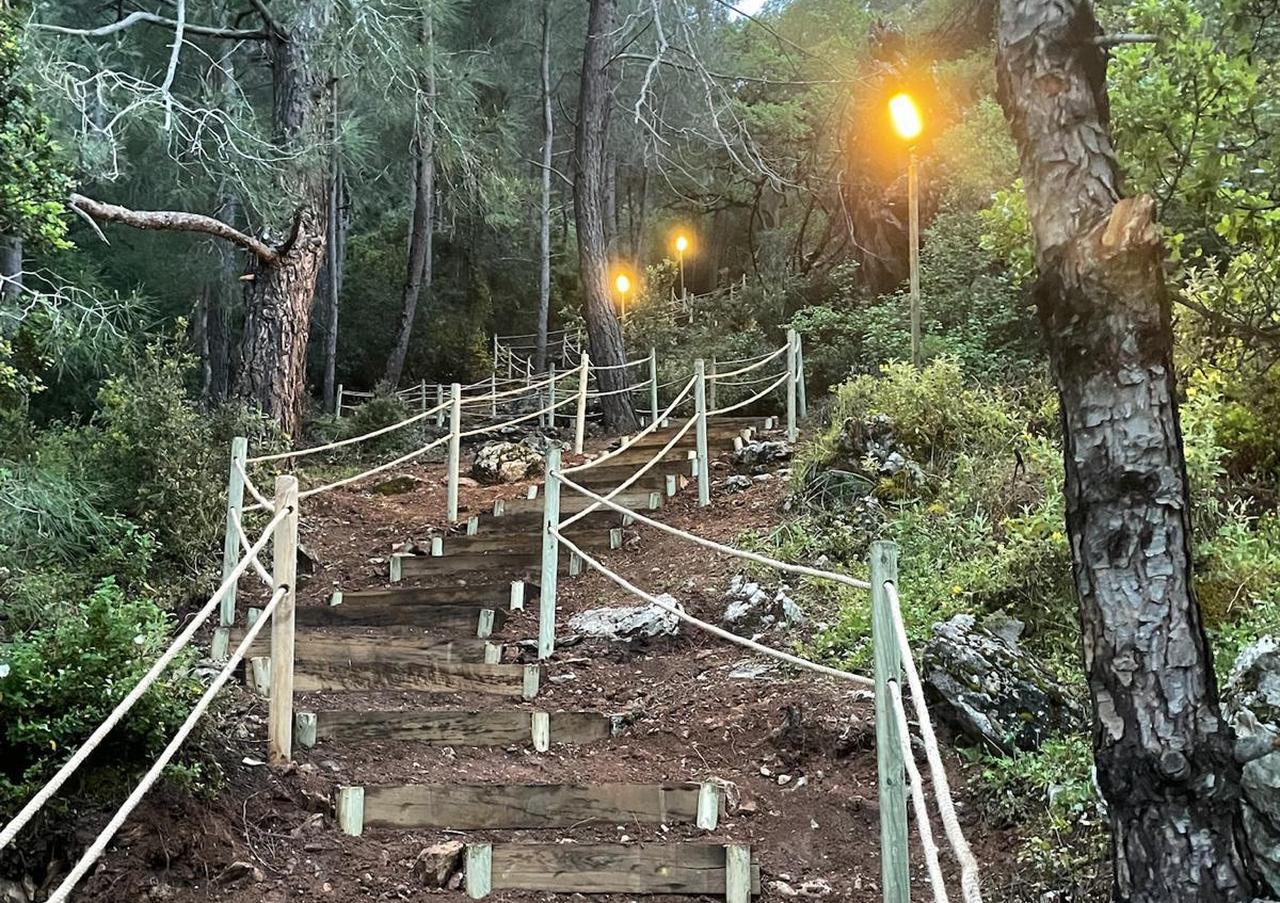

As part of the works, access to the tomb has been significantly improved, with the installation of 127 wooden steps leading up to the site. Security measures, including camera systems and motion-sensitive traps (known as phototraps, typically used to monitor wildlife or unauthorized movement), have been introduced to protect the monument.
In addition, lighting installations now allow the tomb to remain visible after dark, while informational panels help guide visitors through its historical context. The surrounding area has also been cleaned and reorganized, giving the site a more accessible and modern appearance.
Officials involved in the project emphasized that the effort forms part of a broader initiative to preserve Marmaris’ historical assets and pass them on to future generations. Over the past nine months, this marks the third cultural heritage project completed in the district.
Museum representatives also noted that the newly established walking route and enhanced safety measures have already begun to raise awareness about the site among visitors.
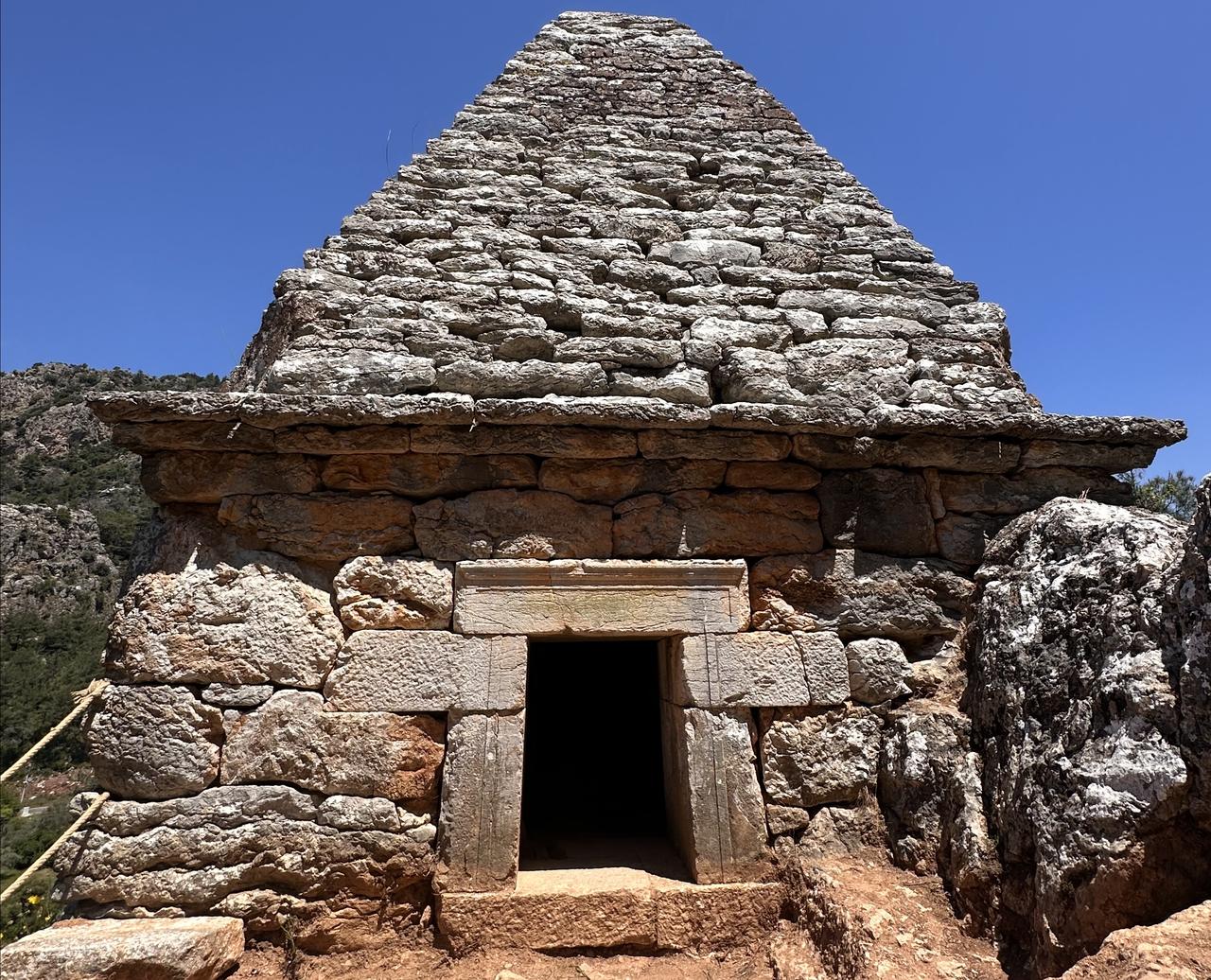
Experts involved in the project highlighted the tomb’s architectural significance, noting its resemblance to the Mausoleum of Halicarnassus, which once stood in nearby Bodrum. The structure’s pyramid-shaped roof and interior features, including klinai, stone platforms used in ancient burial chambers, make it a rare and valuable example of funerary architecture in the region.
With its historical and architectural importance now more accessible, the monument is expected to contribute to Marmaris’ cultural tourism appeal.


 Set as preferred source
 Set as preferred source


 2 min read

 1 min read