Newsletters




Cultural heritage sites across Iran, including UNESCO-listed landmarks in Tehran, Isfahan, and Lorestan Province, have been damaged since U.S.-Israeli strikes began on Feb. 28, with reported destruction ranging from shattered windows and cracked frescoes to damage inside museums and historic prayer spaces.
UNESCO said it had raised concerns over the impact on cultural heritage and had shared the geographical coordinates of World Heritage sites and nationally significant places with all parties involved in an effort to help stave off further harm.
The U.N. cultural agency also said it was closely monitoring the situation in Iran and across the wider region.
While the damage reported so far has largely been linked to blast waves, debris and nearby explosions rather than direct hits on the monuments themselves, the strikes have still left visible marks on some of Iran's most important historic sites.
Among the most prominent sites affected is Golestan Palace in Tehran, the capital's only UNESCO-listed World Heritage site and one of its oldest historic monuments.
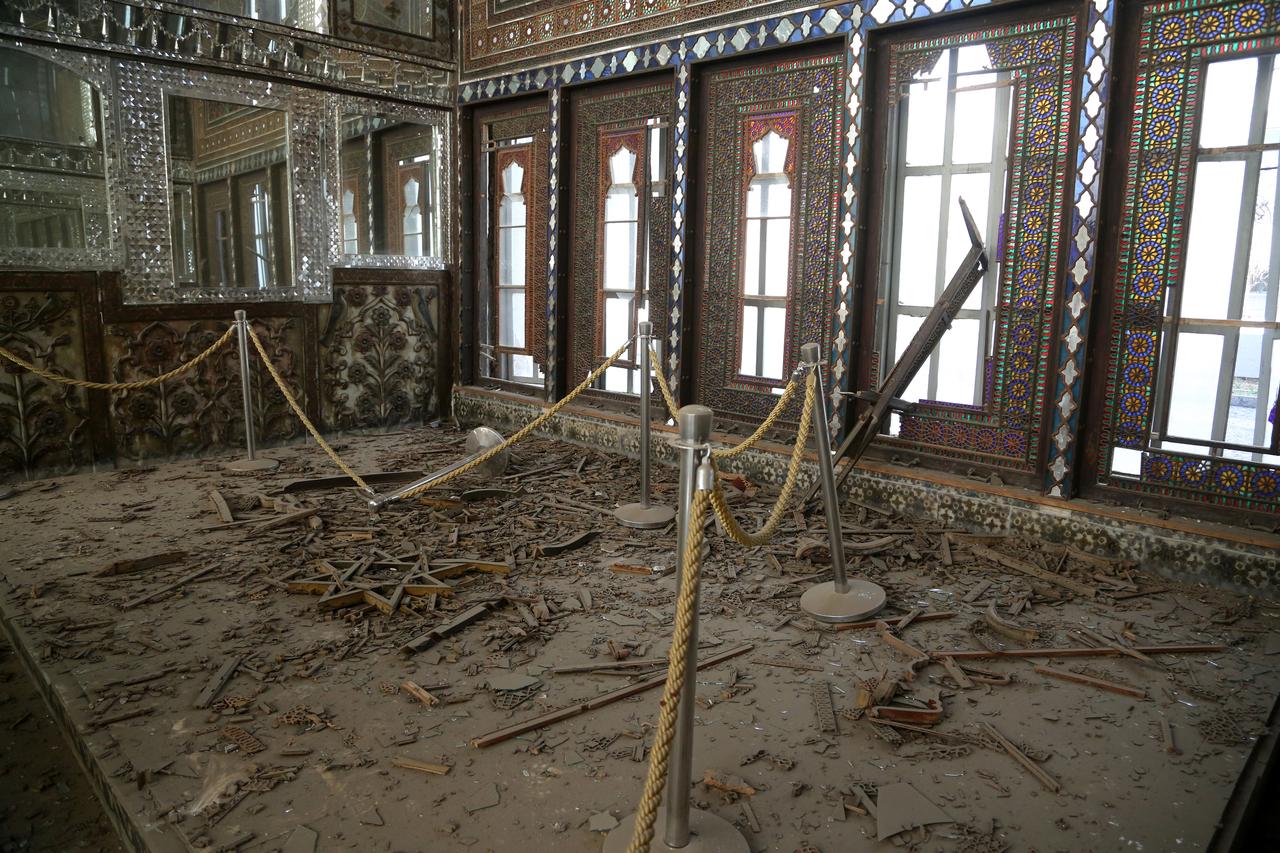
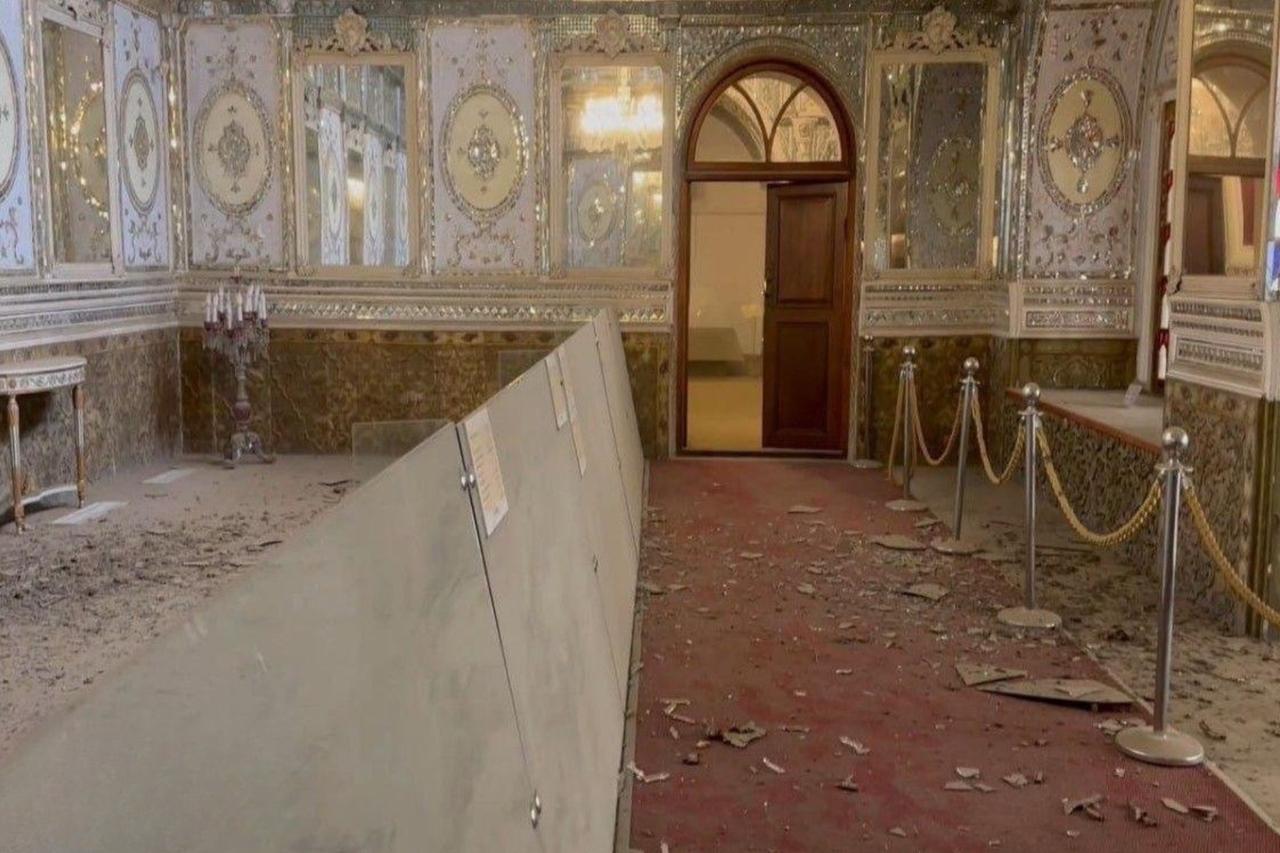
The palace complex, which dates back to the 1,500s and includes eight palatial structures, was damaged after a missile strike near Arg Square on March 2. UNESCO confirmed damage that included shattered mirrored ceilings, broken archways, blown-out windows, and debris scattered inside the halls.
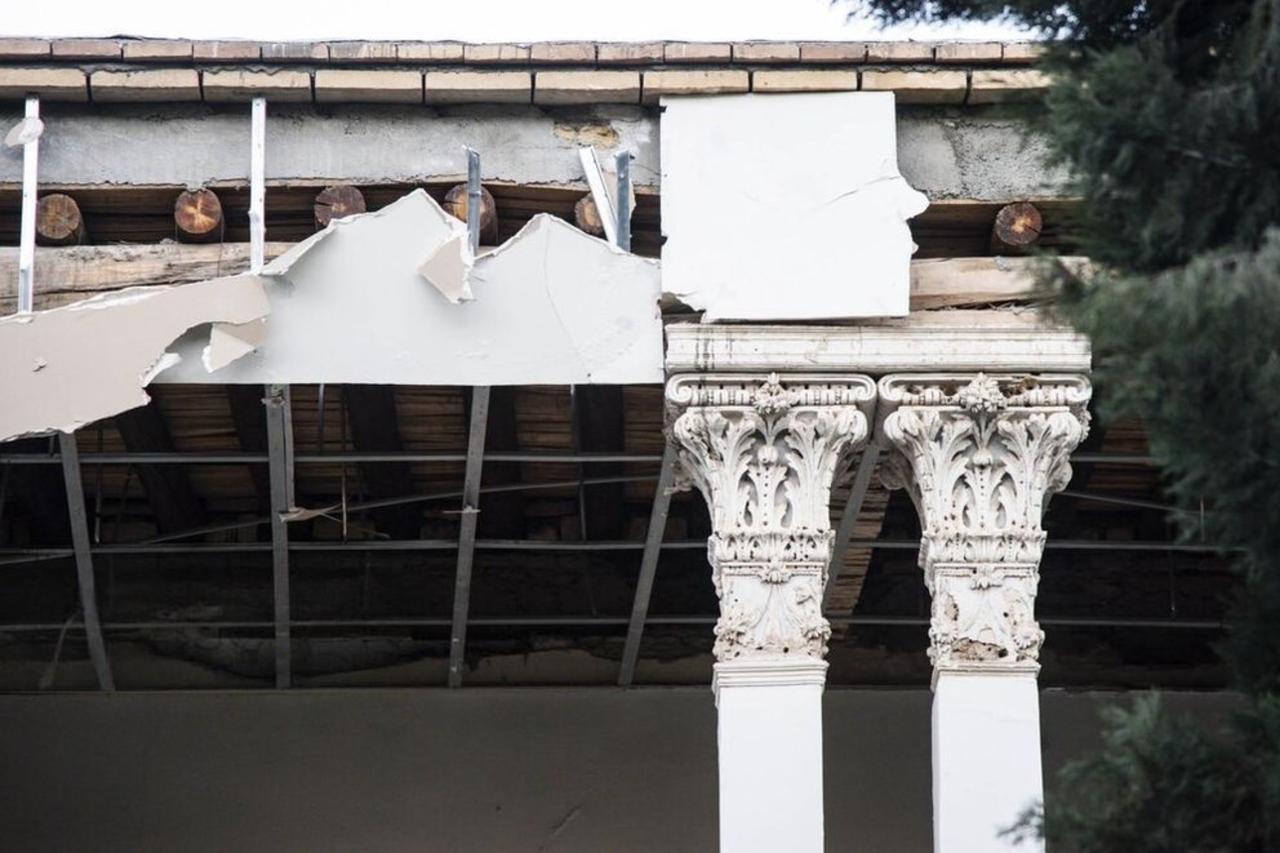
In Isfahan, several major heritage landmarks were also caught up in the fallout from strikes. Chehel Sotoun Palace, a 17th-century pavilion known for its richly detailed frescoes and its role in imperial Safavid ceremonies, suffered damage after strikes hit an adjacent government building near the city's central public square on March 10.
UNESCO said broken tiles, fallen murals, damaged mirror work, cracked frescoes and shattered windows were among the losses.
The palace forms part of the Persian Gardens World Heritage site. Its name, which means "40 columns," refers to the way its 20 wooden columns appear to double when reflected in the long rectangular pool in front of the building.
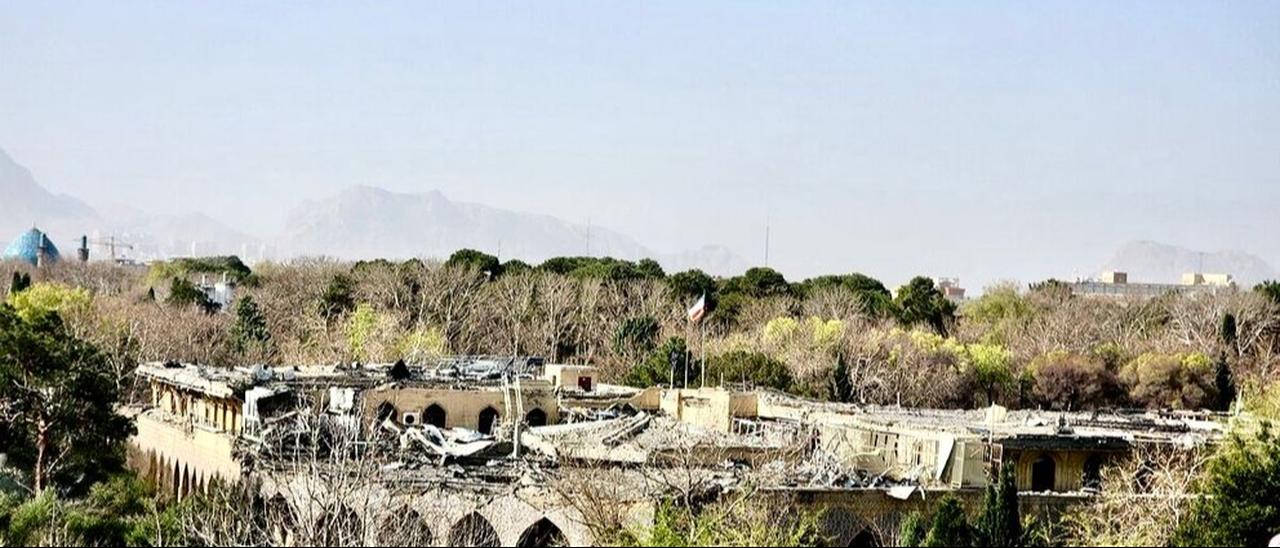

The damage in Isfahan did not stop there. Blast waves also affected Masjed-e Jame, or the Jameh Mosque of Isfahan, described by UNESCO as Iran's oldest Friday mosque.
The site, which reflects 12 centuries of architectural development and decorative styles in Iranian Islamic architecture, reportedly suffered damage to its structure, tiles and decorative elements. The mosque remains both a place of worship and part of Isfahan's historic bazaar.
Ali Qapu Palace, another major Safavid-era landmark facing Naqsh-e Jahan Square, was also affected. Reports said windows and doors were broken and tilework was dislodged. The palace stands within a monumental urban complex of mosques, palaces and bazaars developed under Shah Abbas I, whose rule shaped the square into a cultural center known as a masterpiece of Safavid architecture. The governorate building on the square appeared to have been the main target of the strike that damaged several nearby sites.
In western Iran, UNESCO said buildings near the buffer zone of the Khorramabad Valley's prehistoric sites were damaged by shockwaves. The World Heritage site, listed in 2025, includes five caves and one rock shelter and provides evidence of human settlement going back 63,000 years.
Nearby, Falak-ol-Aflak Citadel, also known as Shapur Khast Castle, was reportedly hit within its perimeter. Although the main fortress structure remained intact, several offices and buildings inside the compound were damaged, including the archaeology and anthropology museums. Reports also said five staff members and heritage protection personnel were injured.
As fears mount over further damage, Iranian authorities have been putting up blue-and-white shields on historic buildings across the country. The Blue Shield is an emblem created under the 1954 Hague Convention to mark cultural property that should be protected during armed conflict.
Blue Shield International also called for heritage protection in Iran. In a March 13 statement, its president, Peter Stone, said, "While the protection of human life and dignity must always be the first priority in any crisis, the protection of people is intertwined with the protection of their heritage." He added that cultural heritage is not only a record of the past but also a shared global asset tied to human identity.
The growing concern has also drawn attention to international law. Military attacks that target cultural sites are regarded as war crimes, and the United States, Israel, and Iran are all signatories to conventions aimed at protecting cultural heritage, including in wartime.
The U.S. Committee of the Blue Shield said it was disturbed by remarks from U.S. Secretary of War Pete Hegseth expressing contempt for what he called "stupid rules of engagement," warning that failure to follow international humanitarian law and related conventions could lead to war crimes.


 Set as preferred source
 Set as preferred source


 2 min read
 1 min read