Newsletters


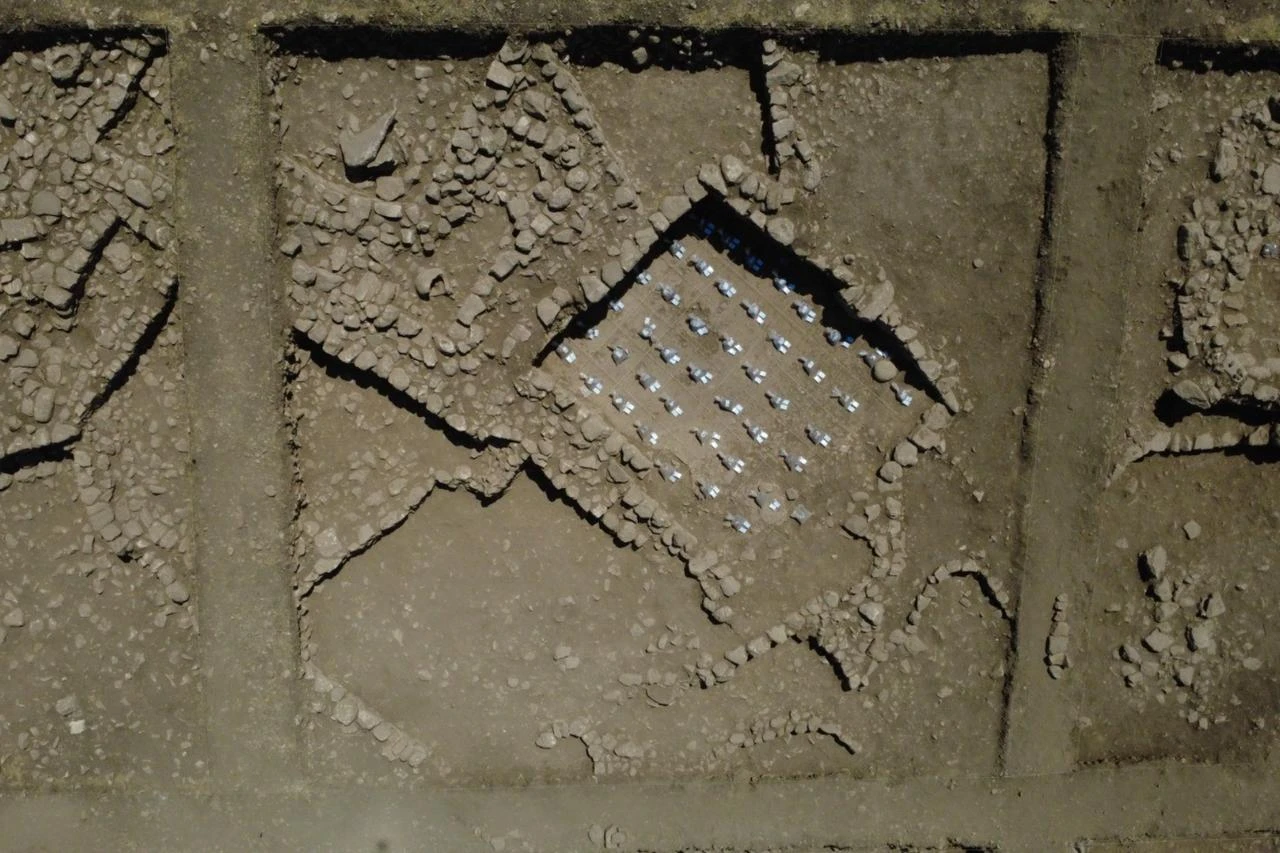


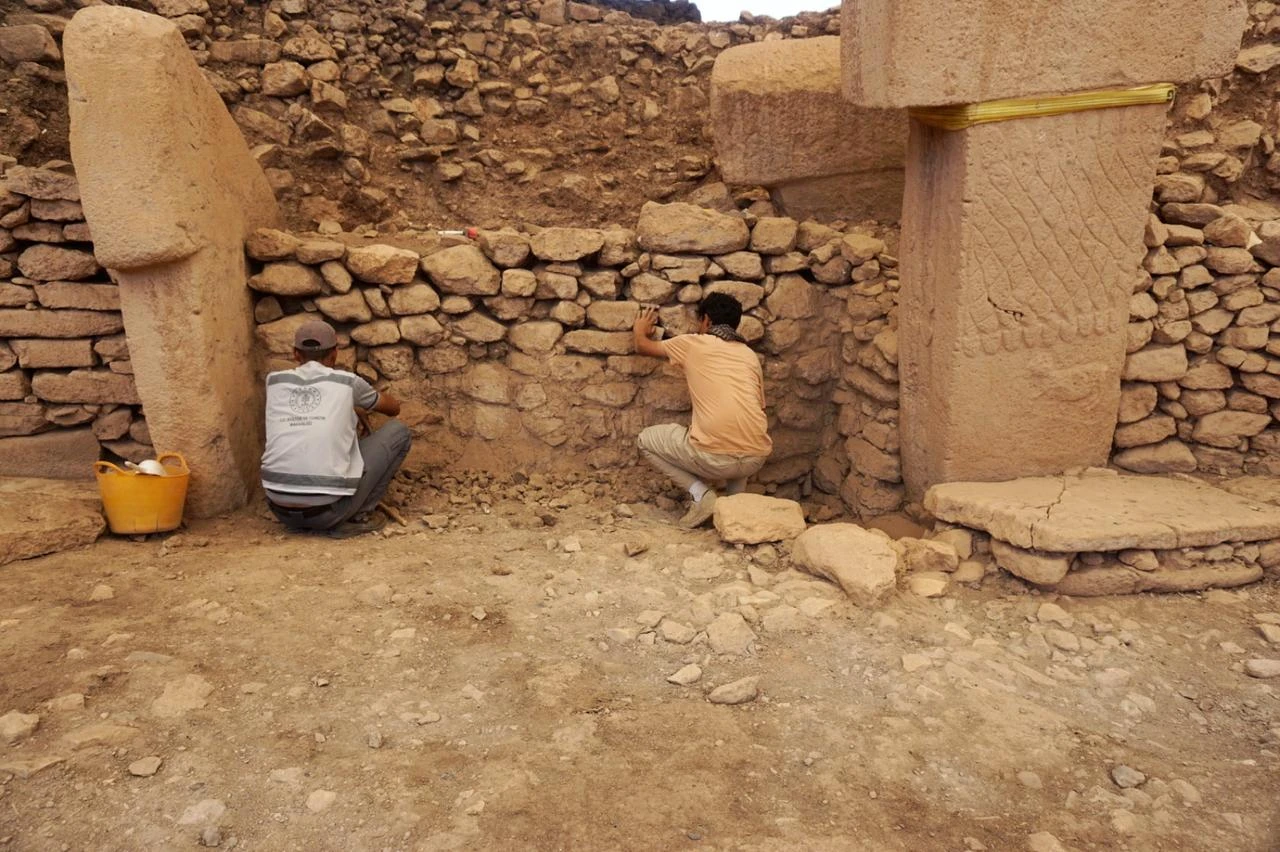
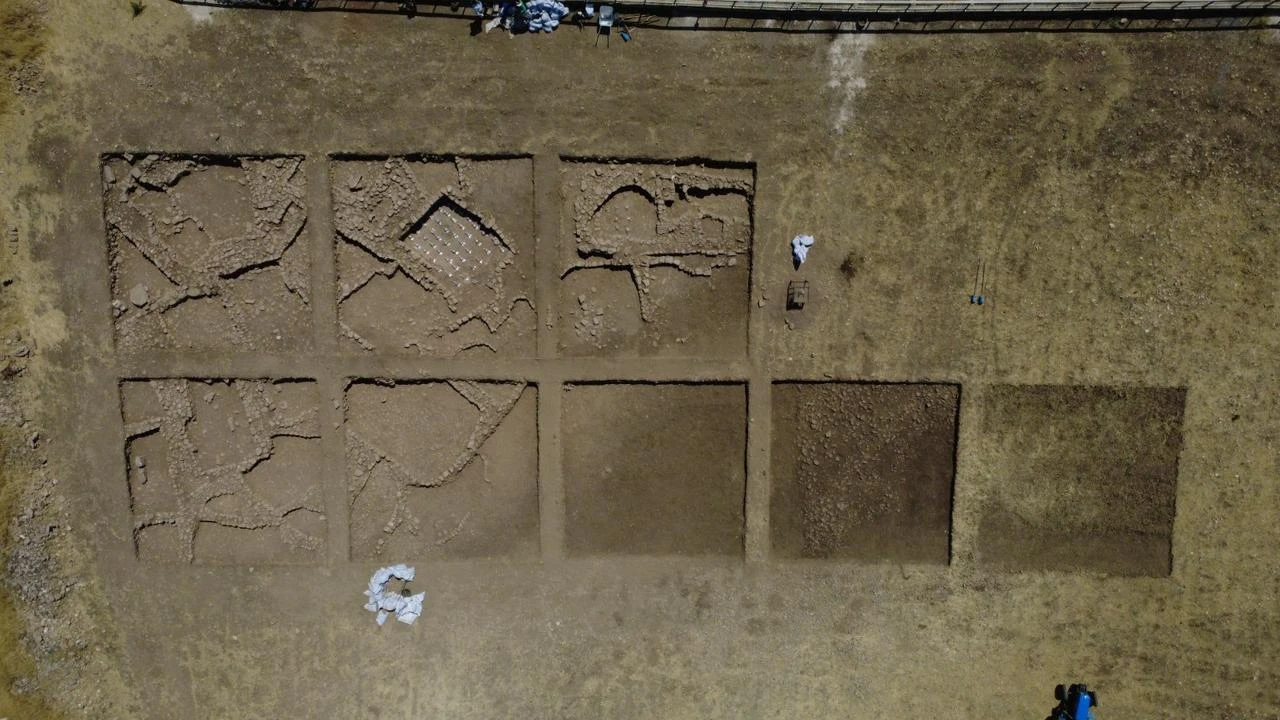
Archaeologists working at Gobeklitepe in southeastern Türkiye have uncovered rectangular buildings dating to the site's second phase, with initial findings suggesting that the structures may have been used as homes.
The newly exposed buildings were found just beneath the surface in an excavation area north of Gobeklitepe's main protected archaeological zone, according to Professor Necmi Karul, coordinator of the Tas Tepeler Project and head of the Gobeklitepe excavation.
Work in the new area began this season under the Ministry of Culture and Tourism's "Heritage for the Future" project, while excavation and conservation efforts continue elsewhere at the UNESCO World Heritage site in Sanliurfa.

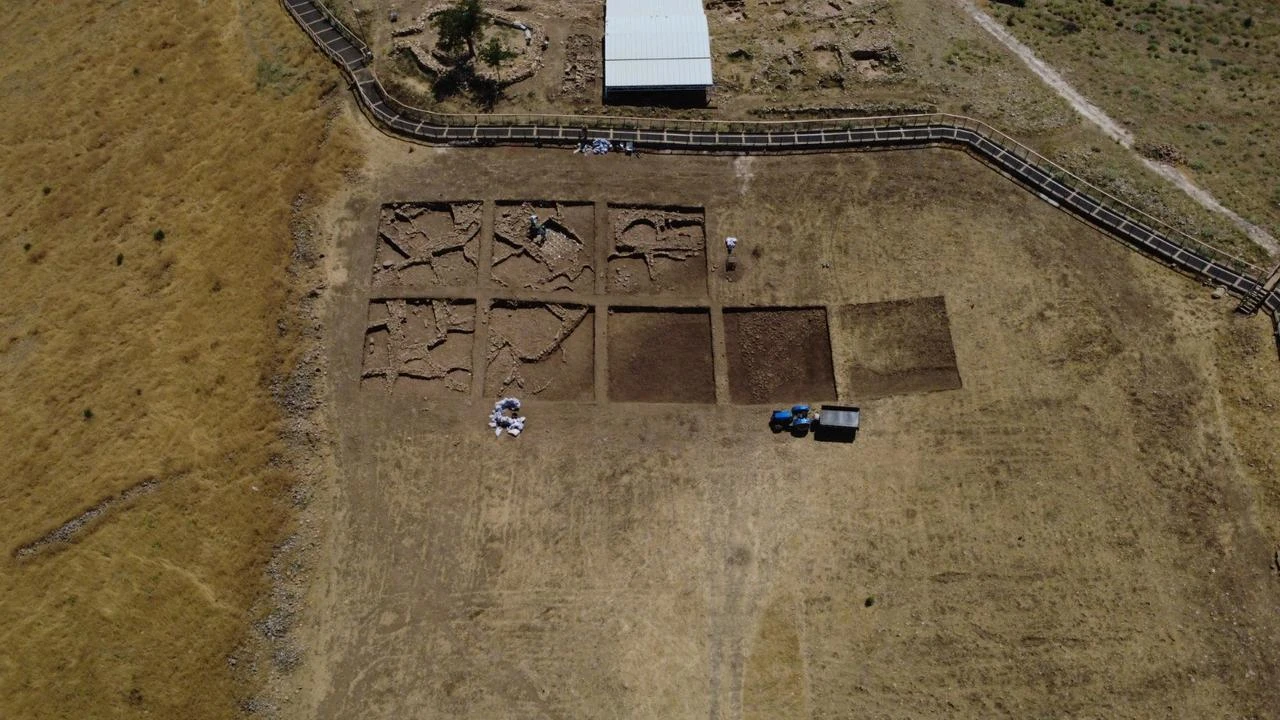
Karul said olive trees that previously stood in the area were moved elsewhere, opening up roughly 1,500 square meters for archaeological work.
The team began digging from one edge of the area and has been moving northward, where rectangular structures linked to Gobeklitepe's second phase quickly began to emerge.
Because the remains were located immediately below the surface, archaeologists were able to gain an early picture of both the buildings' plans and the way they were arranged within the settlement.
In some cases, excavators also reached floor levels relatively quickly.
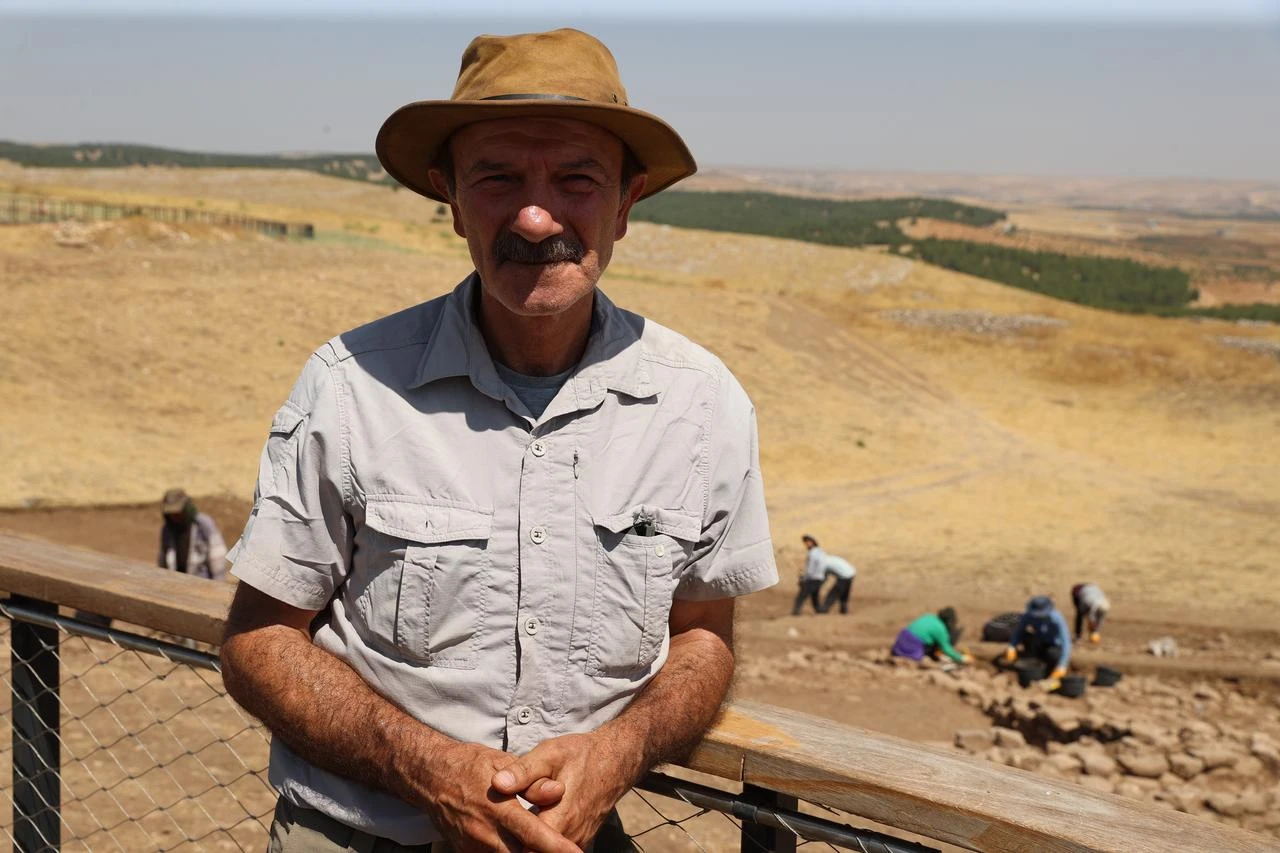
Karul explained that the area has been exposed to erosion, meaning the upper sections of the walls had worn away long ago. The excavation also showed that the olive trees had not caused extensive damage to the archaeological remains.
"This year, our plan is to remove the surface level across the entire area you see behind us and expose the structural remains immediately beneath it," Karul said.
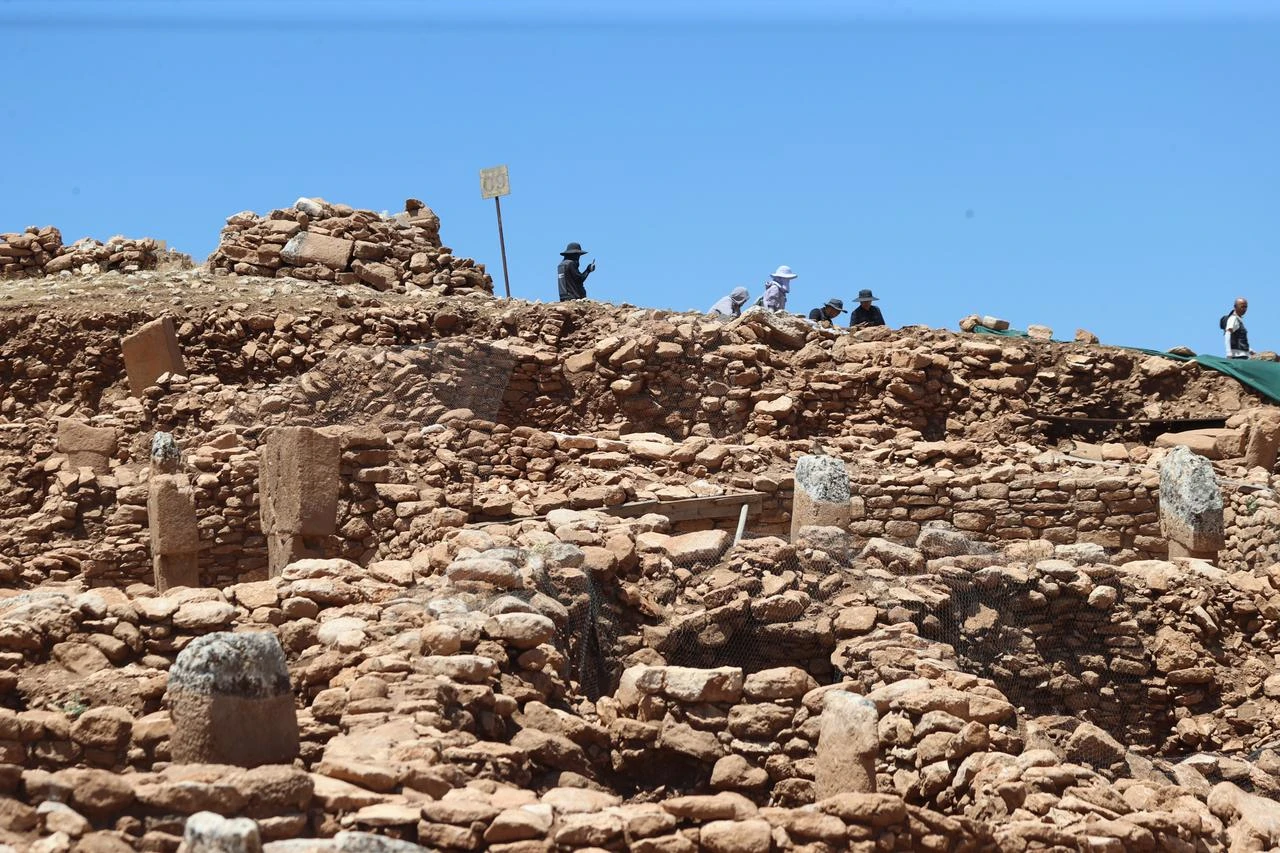
Similar rectangular structures had previously been uncovered in an area known as GT1, and Karul said the newly found buildings appear to share some of their characteristics.
The first observations suggest that the tradition of using standing stone pillars had weakened in these structures, with fewer pillars appearing inside them. Their internal arrangement also appears more consistent with residential use.
However, Karul stressed that the function of the buildings cannot be determined from their walls alone. Soil samples collected from inside the structures, particularly from floor levels, are expected to provide more evidence about how the spaces were used.
"Our first impression is that they were used as residences," he said.
Karul noted that previous excavations at Gobeklitepe had already brought to light homes that existed alongside public buildings.
The simultaneous use of residential and public structures, he said, indicates that Gobeklitepe was not only a place associated with communal or ritual activity but also a settlement where people lived. Similar settlement patterns have also been identified at other excavation sites within the Tas Tepeler Project.
A walkway around the new excavation area has been designed so that visitors can follow the ongoing work and view newly uncovered remains from close range.
Elsewhere at Gobeklitepe, archaeological work is continuing around circular buildings on the site's slope. Conservation work that was largely completed at Structure C last year has moved on to Structure D, where reinforcement efforts are expected to be completed by the end of the year.


 Set as preferred source
 Set as preferred source


 2 min read
 1 min read