

 Newsletters


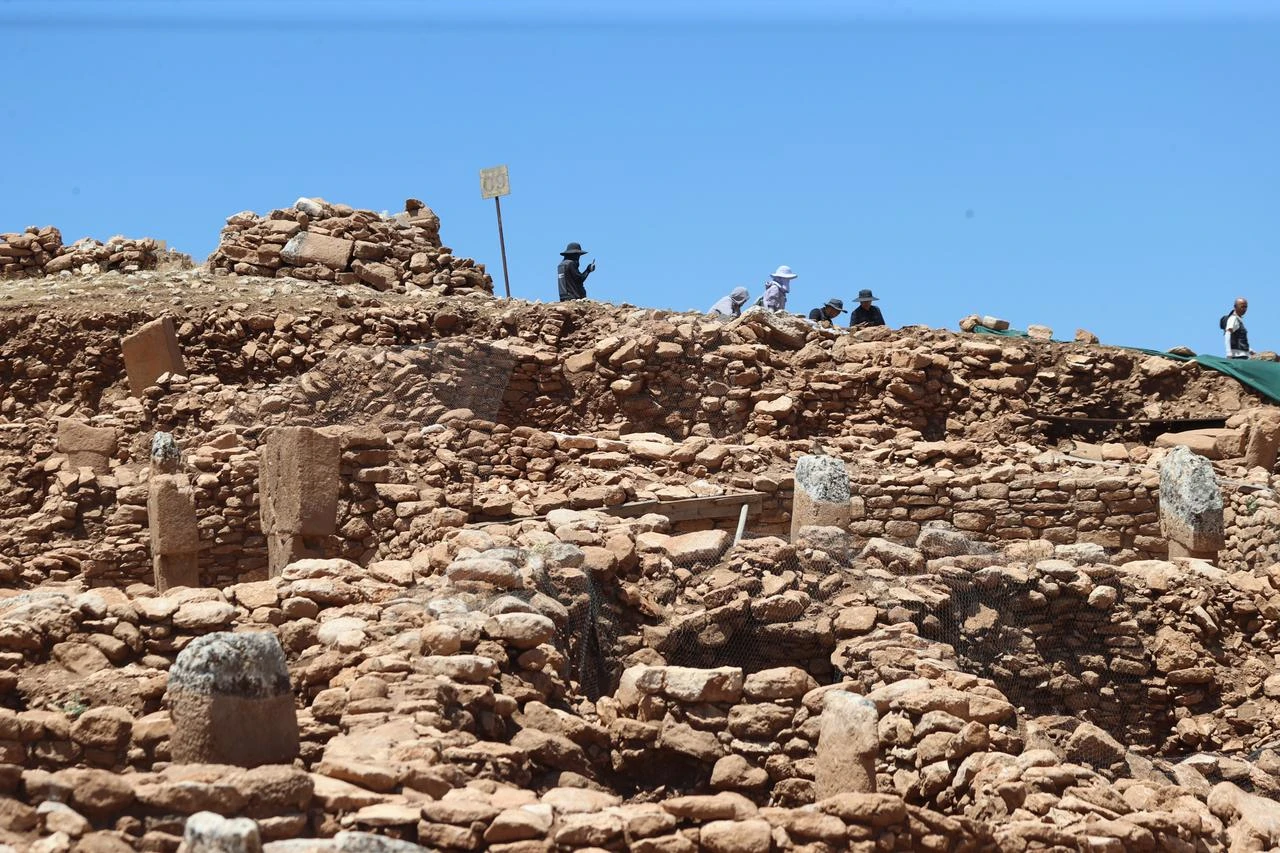


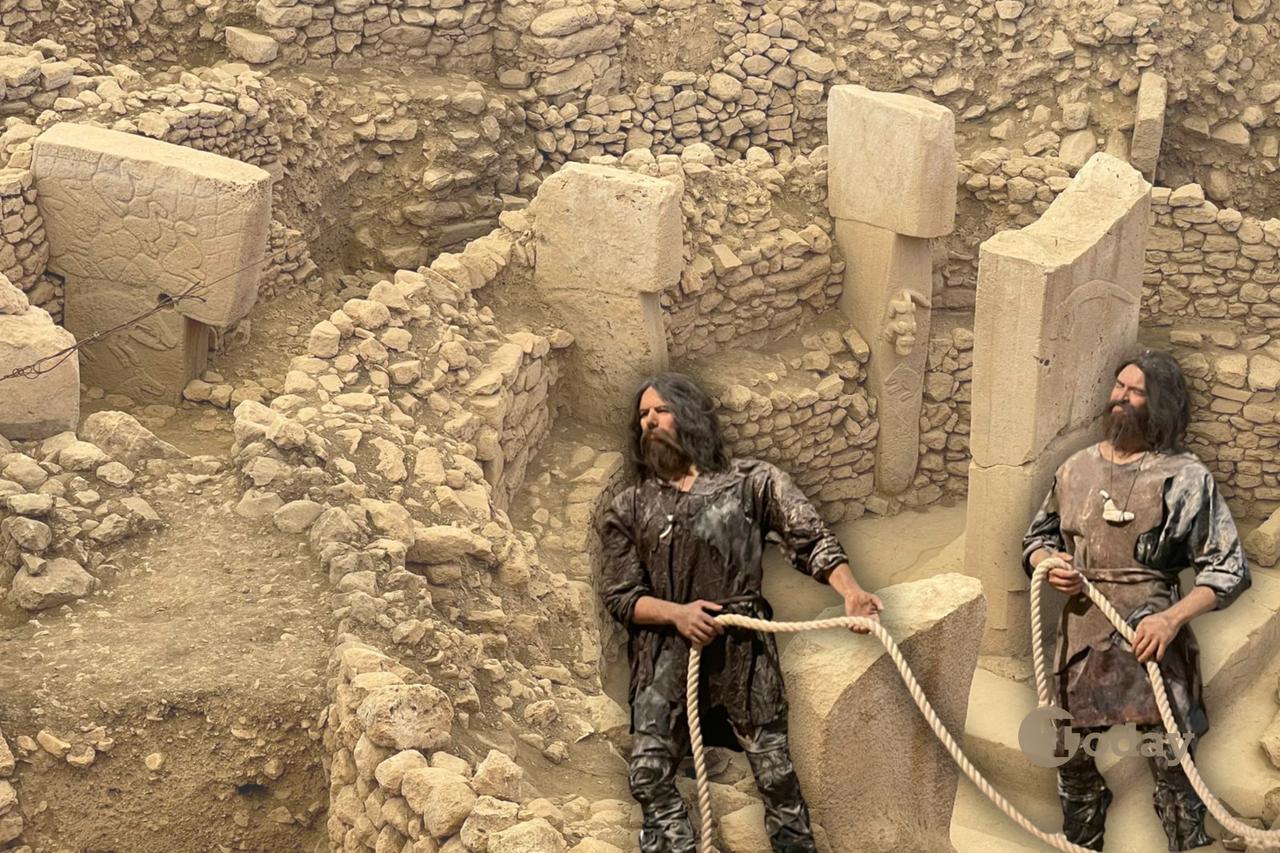
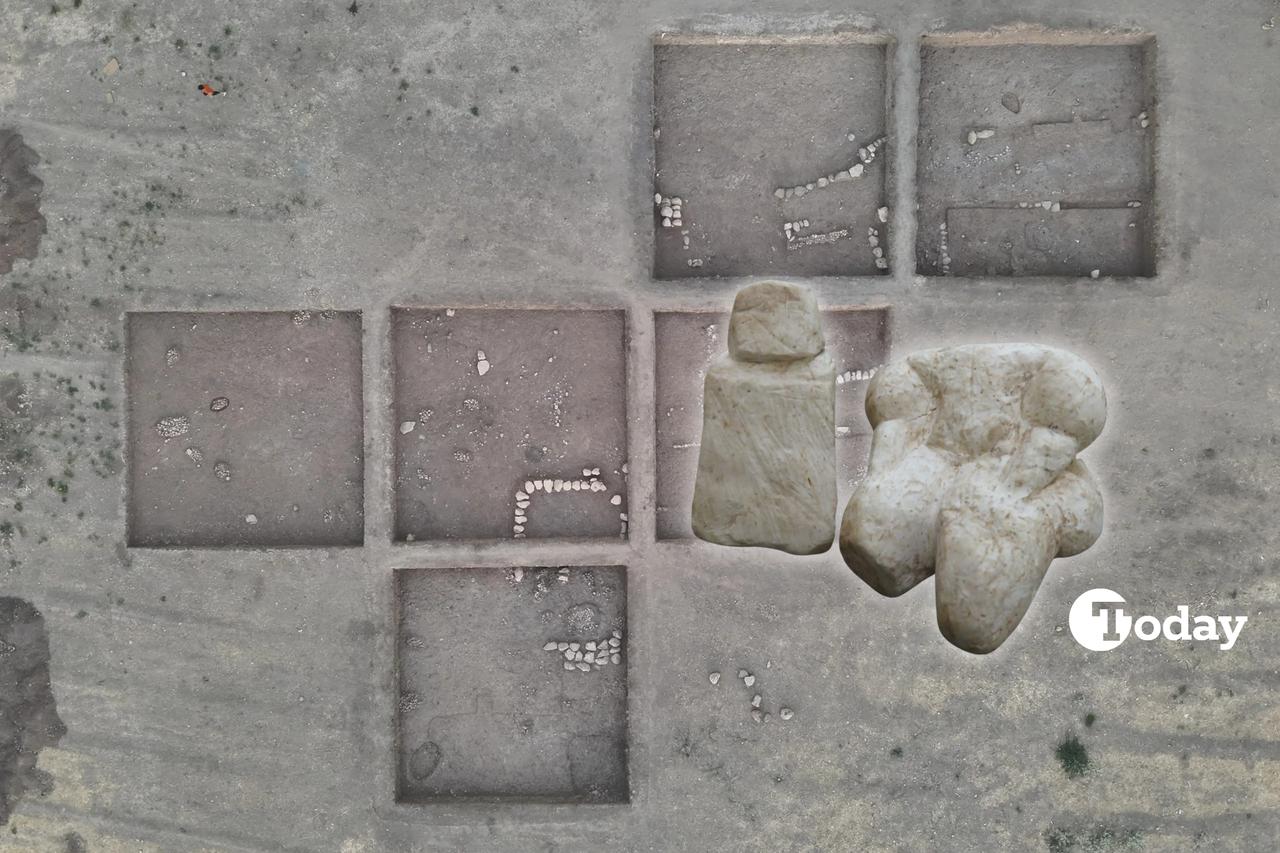
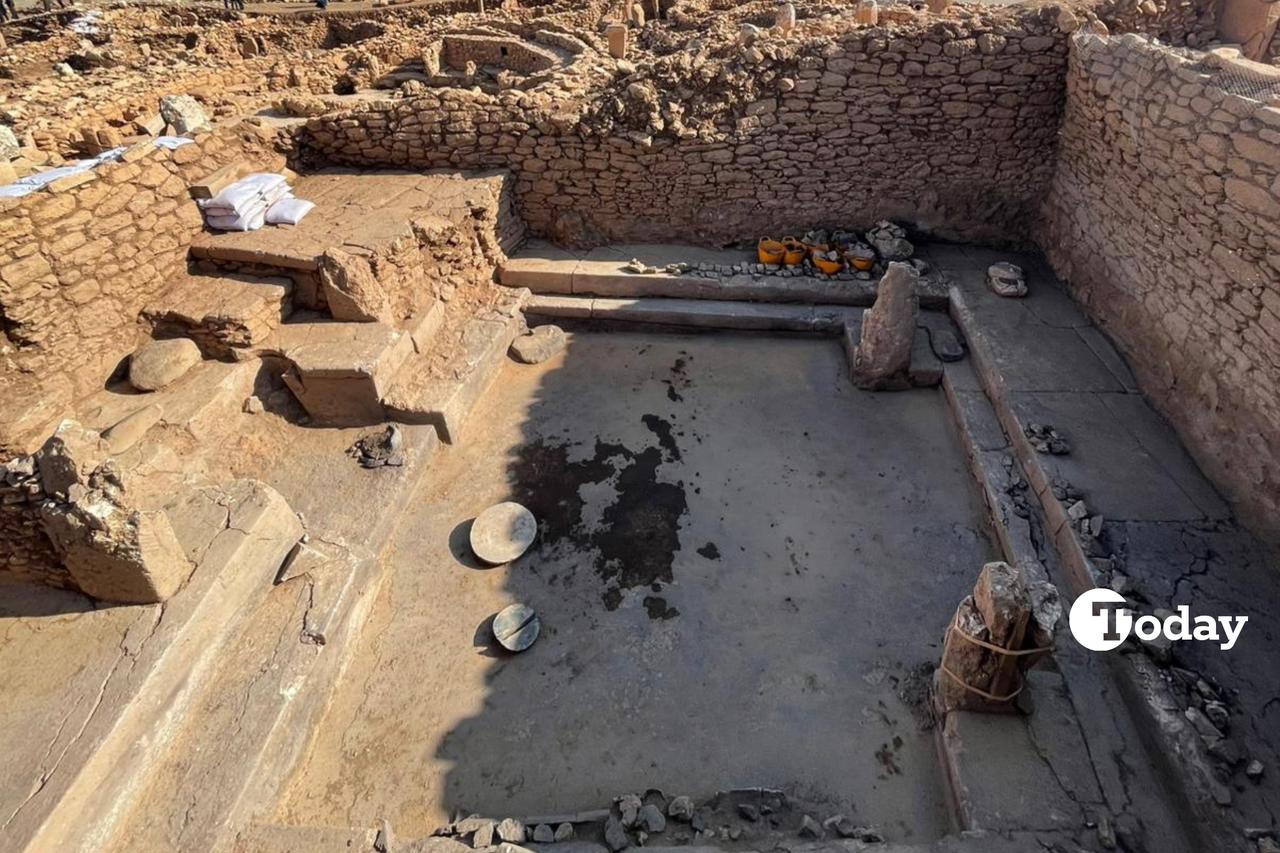
Tas Tepeler, or known as "Stone Mounds" in English, a network of prehistoric settlements centered around Sanliurfa in southeastern Türkiye, is developing into an internationally recognized archaeological destination as overseas exhibitions encourage visitors to look beyond Gobeklitepe and explore the wider region.
Professor Necmi Karul, coordinator of the Tas Tepeler Project and head of the Gobeklitepe and Karahantepe excavations, said international promotion had increased interest in the area among archaeology enthusiasts from different countries.
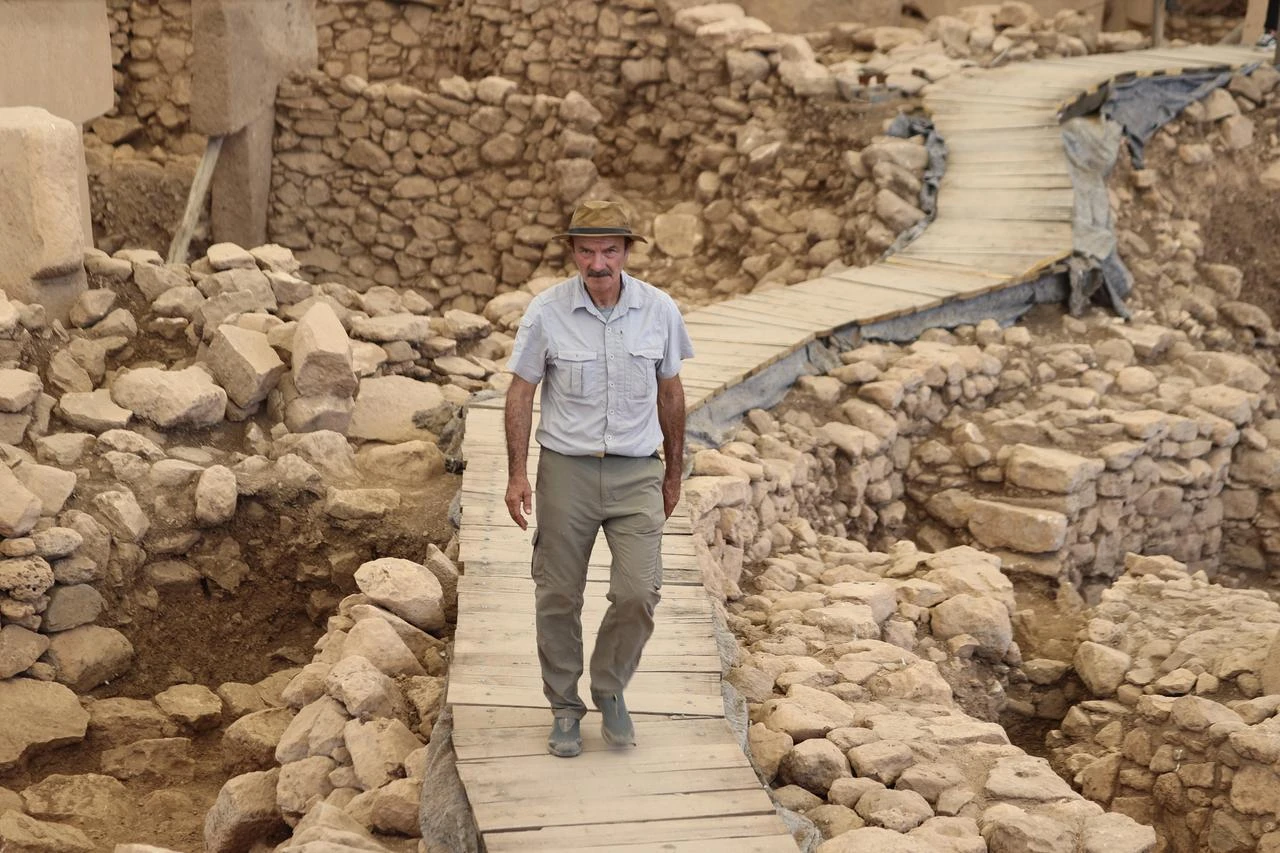

Karul said Tas Tepeler was not limited to archaeological excavations but functioned as an international research model examining one of humanity's major turning points.
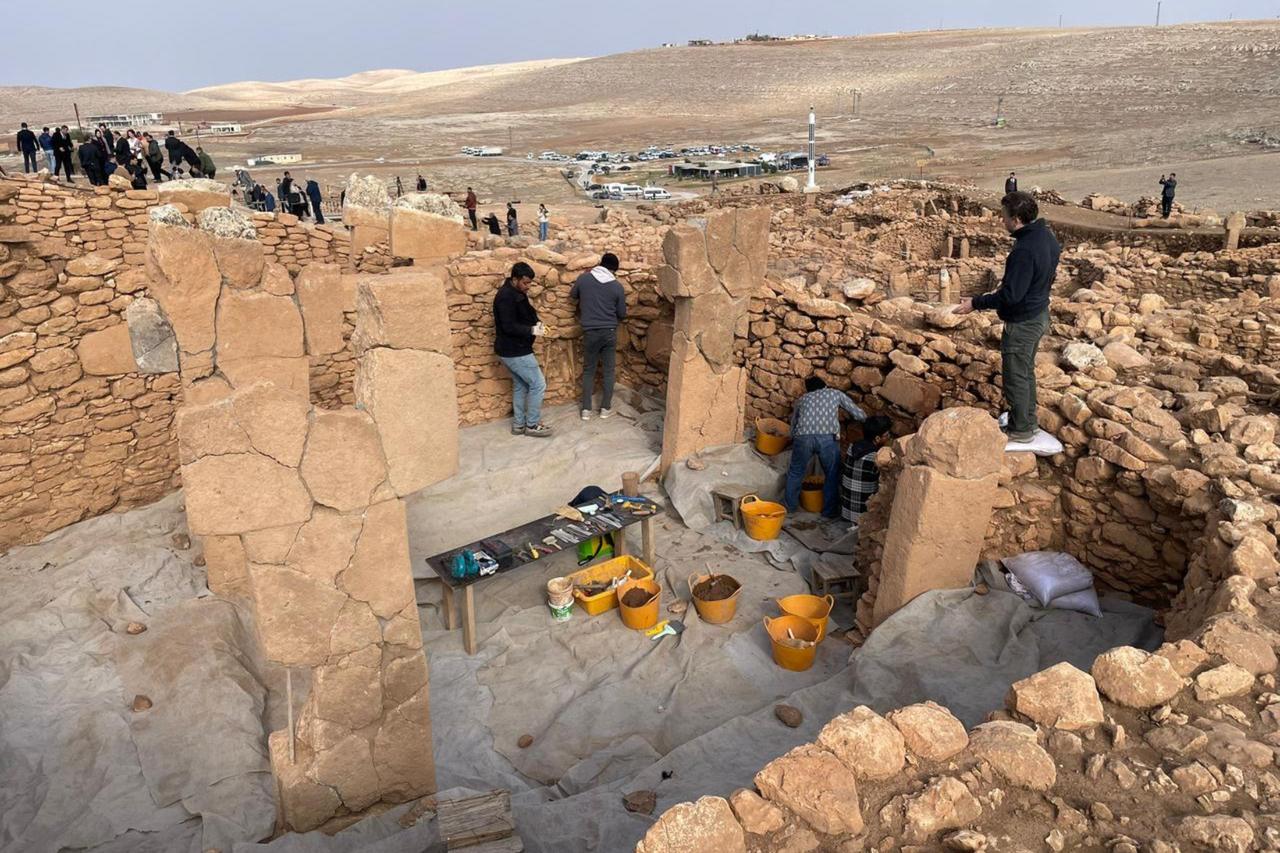
The project focuses on the Neolithic period, also known as the New Stone Age, when communities began settling down and adopting productive ways of life. Researchers from several countries are taking part, while a Chinese team joined the project this year and began excavations at Yogunburc.
Türkiye's Foreign Ministry, its overseas embassies and the Yunus Emre Institute have also supported promotional activities. Karul said exhibitions held at the Colosseum in Rome and in Berlin attracted strong interest, while another exhibition is expected to open in Tokyo in the coming months.
Further exhibitions are also being planned in East Asia and European countries.
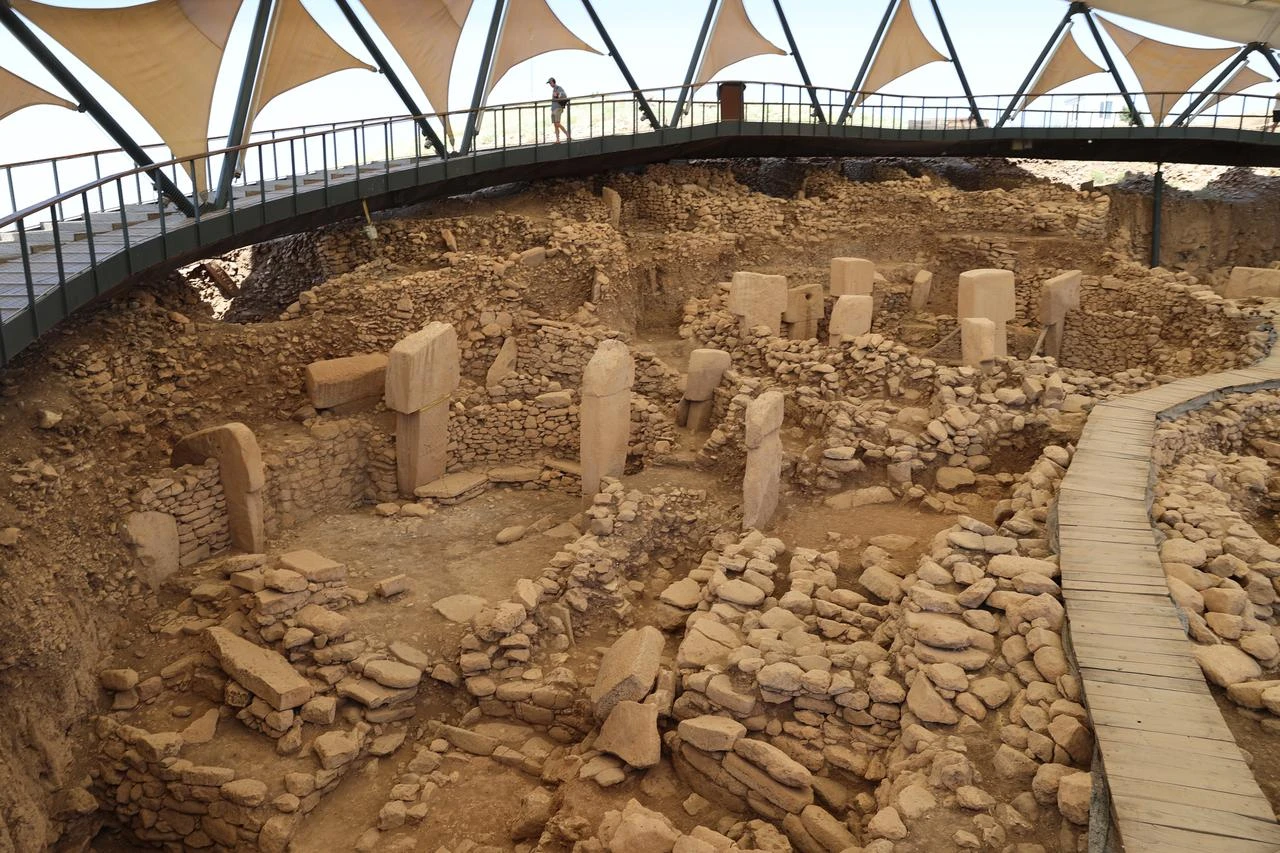
Karul said overseas promotion was reflected in the growing number of international visitors coming to see different archaeological sites across the region.
"Tas Tepeler is now a location in the eyes of the whole world. It is not limited to a single settlement, whether Karahantepe or Gobeklitepe. It represents the geography of the first settled communities around the Harran Plain in Sanliurfa, and people are curious about this landscape. Visitors now come not only to see Gobeklitepe, but to understand this geography and explore its different settlements," he said.
As interest has grown, a transport network and visitor route have been set up to connect the archaeological sites, presenting Tas Tepeler as a broad cultural landscape rather than a single excavation area.
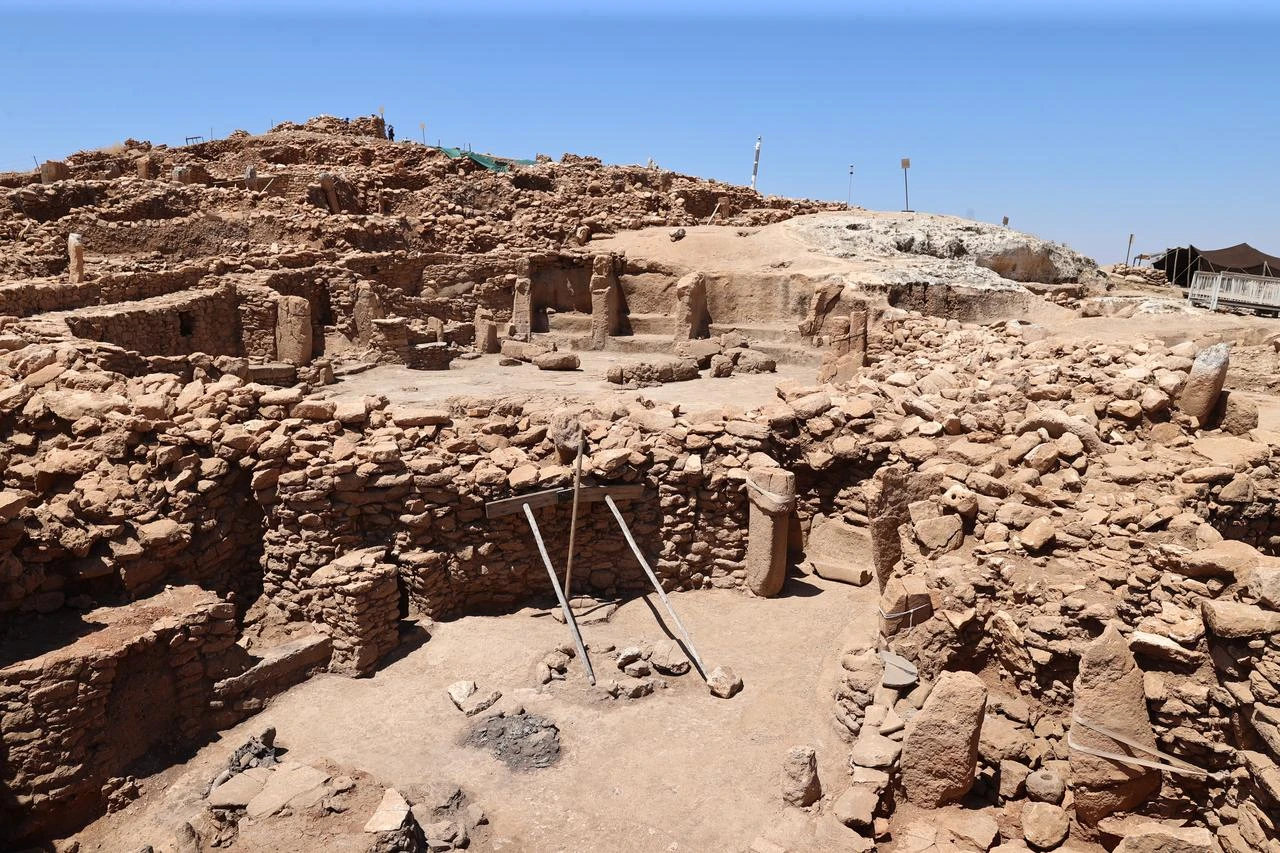
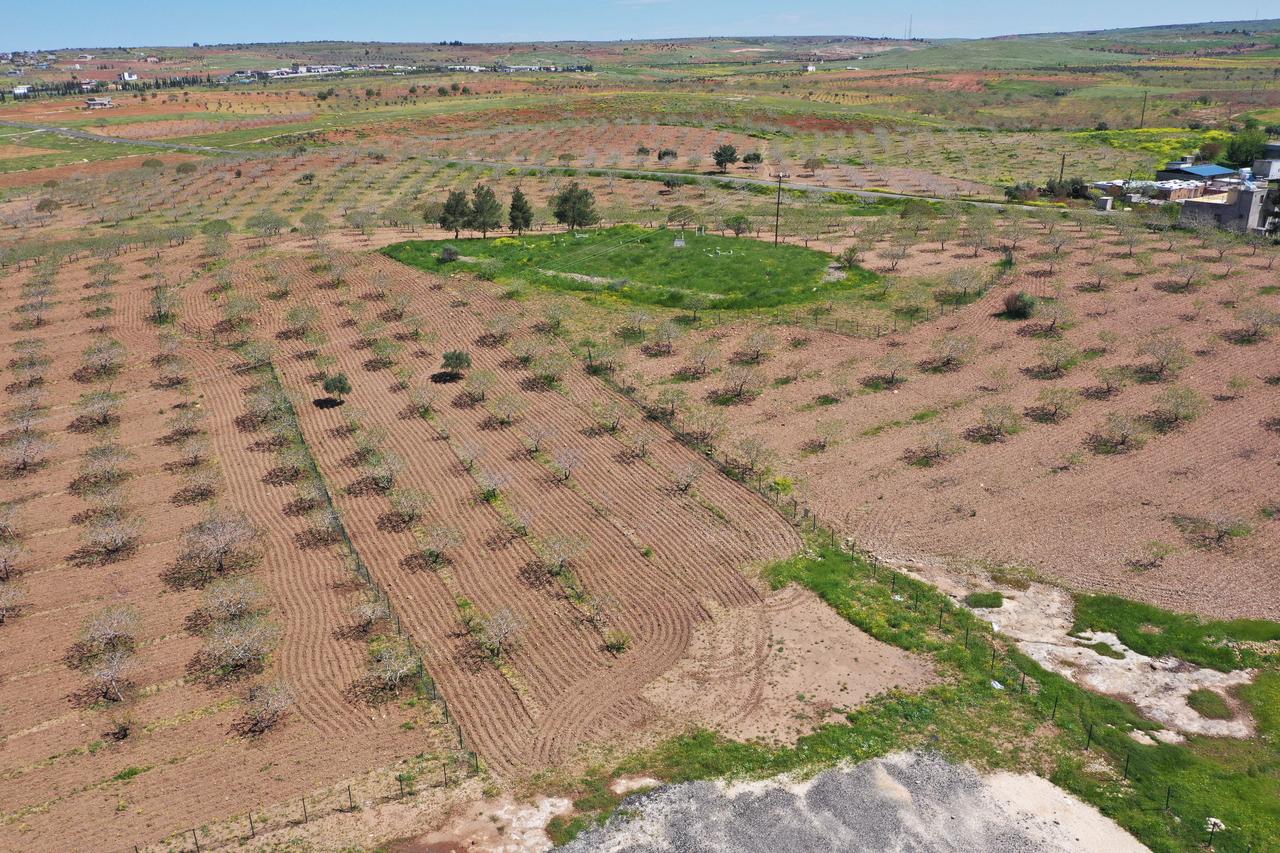
The Tas Tepeler Project covers 12 Neolithic sites, including Gobeklitepe, Karahantepe, Sefertepe, Sayburc, Harbetsuvan, Gurcutepe, Cakmaktepe, Yeni Mahalle, Yogunburc, Ayanlar, Mendiktepe and Sogut Tarlasi.
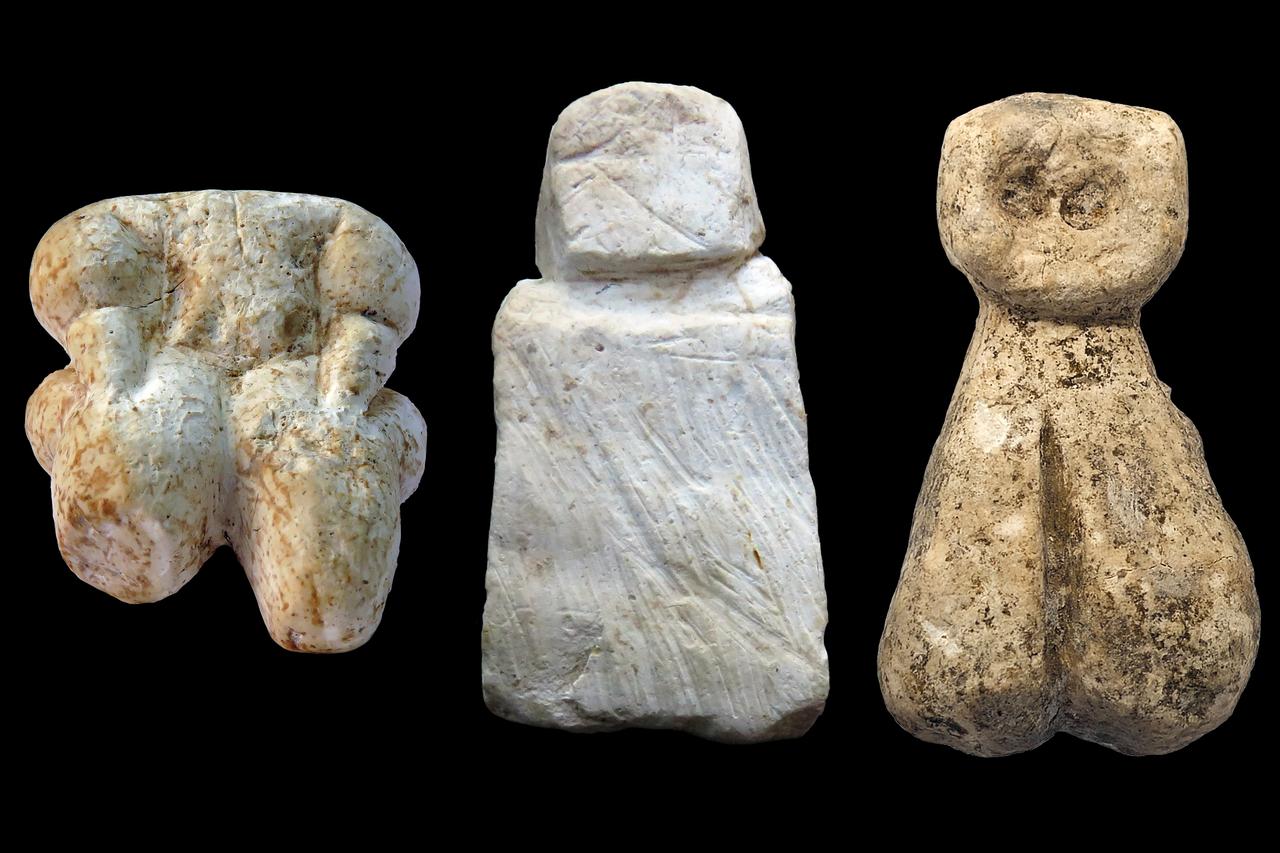
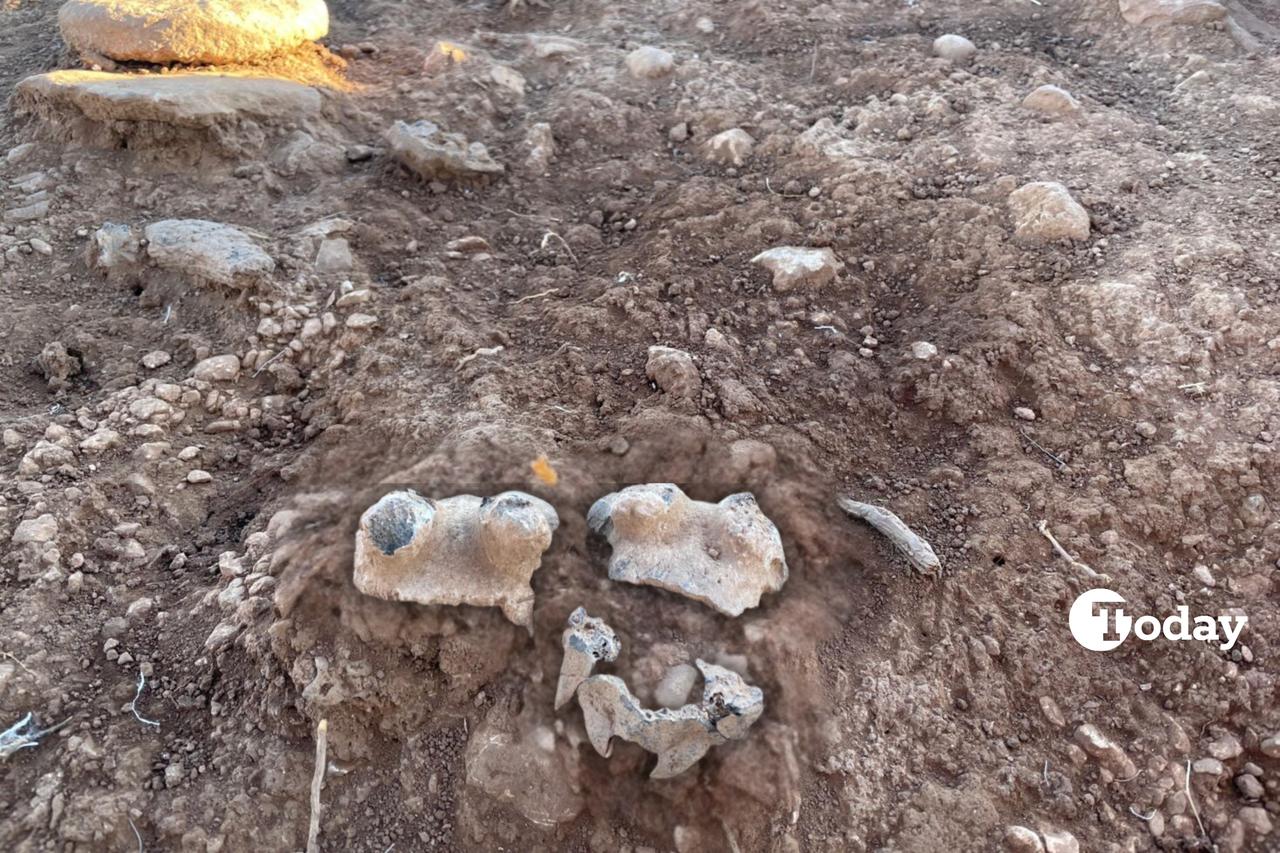
Dating back approximately 12,000 years, the settlements provide evidence of the transition from hunter-gatherer communities to settled life, as well as early forms of social organization and belief systems.
Karul said archaeological research was moving ahead alongside projects intended to protect the surrounding environment and help visitors better understand the sites. Several institutions, led by Türkiye's Culture and Tourism Ministry, are contributing to the effort.


 Set as preferred source
 Set as preferred source


 2 min read

 1 min read


