Newsletters


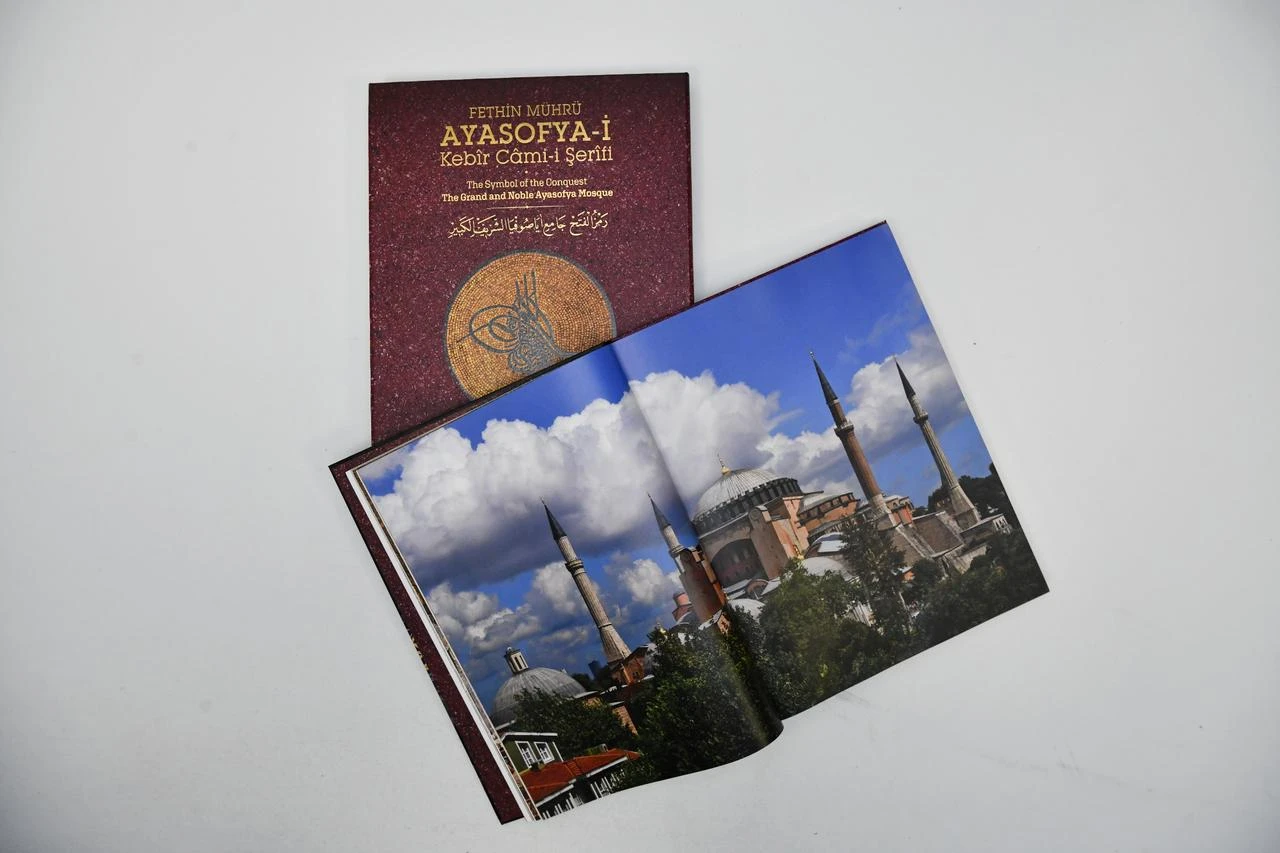


A new publication has brought together the architectural, artistic, cultural and spiritual history of Hagia Sophia in Turkish, English and Arabic, documenting the monument's centuries-long journey through scholarly sources and extensive visual material.
Published by Demiroren Publishing to mark the anniversary of Hagia Sophia's reopening for worship, "The Symbol of the Conquest: The Grand and Noble Ayasofya Mosque" examines the structure formally known in Türkiye as the Hagia Sophia Grand Mosque.
The large-format volume traces Hagia Sophia from the Byzantine period through the Ottoman and Republican eras to the present day, drawing on archival documents, historical engravings, original photographs and academic sources.
Alongside its broader historical account, the publication looks closely at the monument's architecture, monumental dome, mosaics and restoration processes.
Contributions from specialists also bring together the cultural and spiritual heritage that developed around Hagia Sophia over successive centuries.
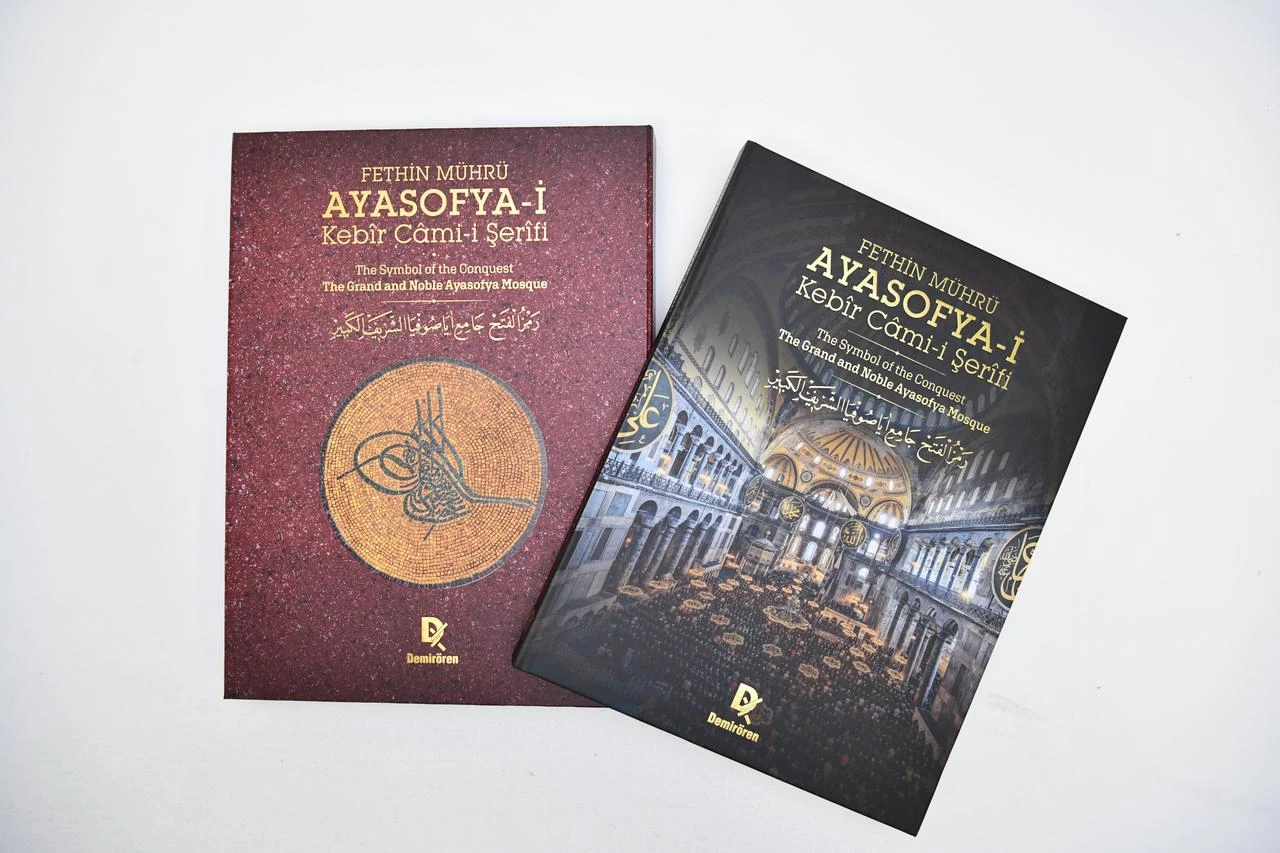

The work presents two developments as major turning points in Hagia Sophia's history: its conversion into a mosque by Ottoman Sultan Mehmed II, widely known as Mehmed the Conqueror, following the conquest of Istanbul, and its reopening for worship on July 24, 2020.
The publication also includes a foreword by President Recep Tayyip Erdogan, as well as information outlining how the volume was prepared.
With its extensive visual content and comprehensive approach, the book has been prepared as a reference source for researchers, academics and art historians, while also addressing general readers interested in architecture, history and cultural heritage.


 Set as preferred source
 Set as preferred source



 3 min read