Newsletters




Archaeologists in North Korea have uncovered some of the earliest known salt production facilities in the region, shedding light on how ancient communities managed one of humanity’s most essential resources more than 5,000 years ago. The discovery was reported by state media and is being described as the first of its kind in the country.
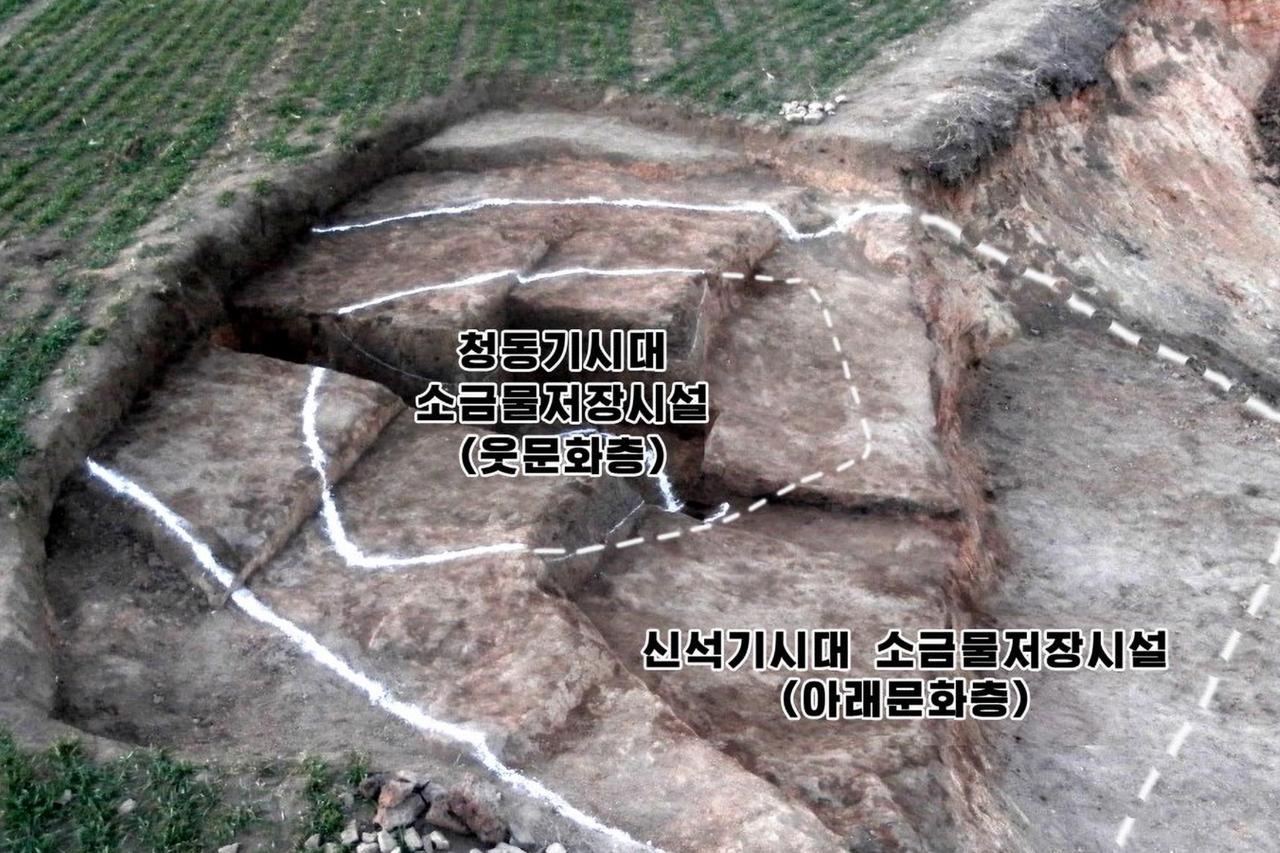
The excavation took place in Oncheon County, a coastal district near Nampo city, where researchers identified remains of facilities used to extract salt from seawater. Salt, a vital resource throughout human history, was not only used to preserve food but also played a key role in trade and daily survival.
The project was carried out by a joint team from the Chinese Academy of Social Sciences and local experts, who brought to light both Neolithic and Bronze Age structures.
Archaeologists found that the site contains multiple historical layers, each pointing to different stages of technological development. In the deeper layers, dating back around 5,500 years to the Neolithic period, researchers uncovered fragments of carefully crafted pottery along with clay mixed with ash. These materials were once used to store brine, which refers to saltwater collected for processing.
In the upper layers, linked to the Bronze Age around 5,000 years ago, the team identified more advanced features, including hardened, mud-lined storage areas and uniquely shaped vessels described as spinning-top containers.
To back up their findings, scientists carried out soil analysis across different parts of the site. The results showed significantly higher salt concentrations in areas believed to have been used for storing and processing brine, confirming the site’s function.
Pottery analysis also helped date the layers accurately, distinguishing the older Neolithic remains from the more recent Bronze Age features. This combination of physical evidence and scientific testing has strengthened the case for the site being a long-standing center of salt production.
Experts have since pointed to the broader significance of the discovery, highlighting the Taedong River basin as an important early hub of human activity.


 Set as preferred source
 Set as preferred source


 2 min read