Newsletters


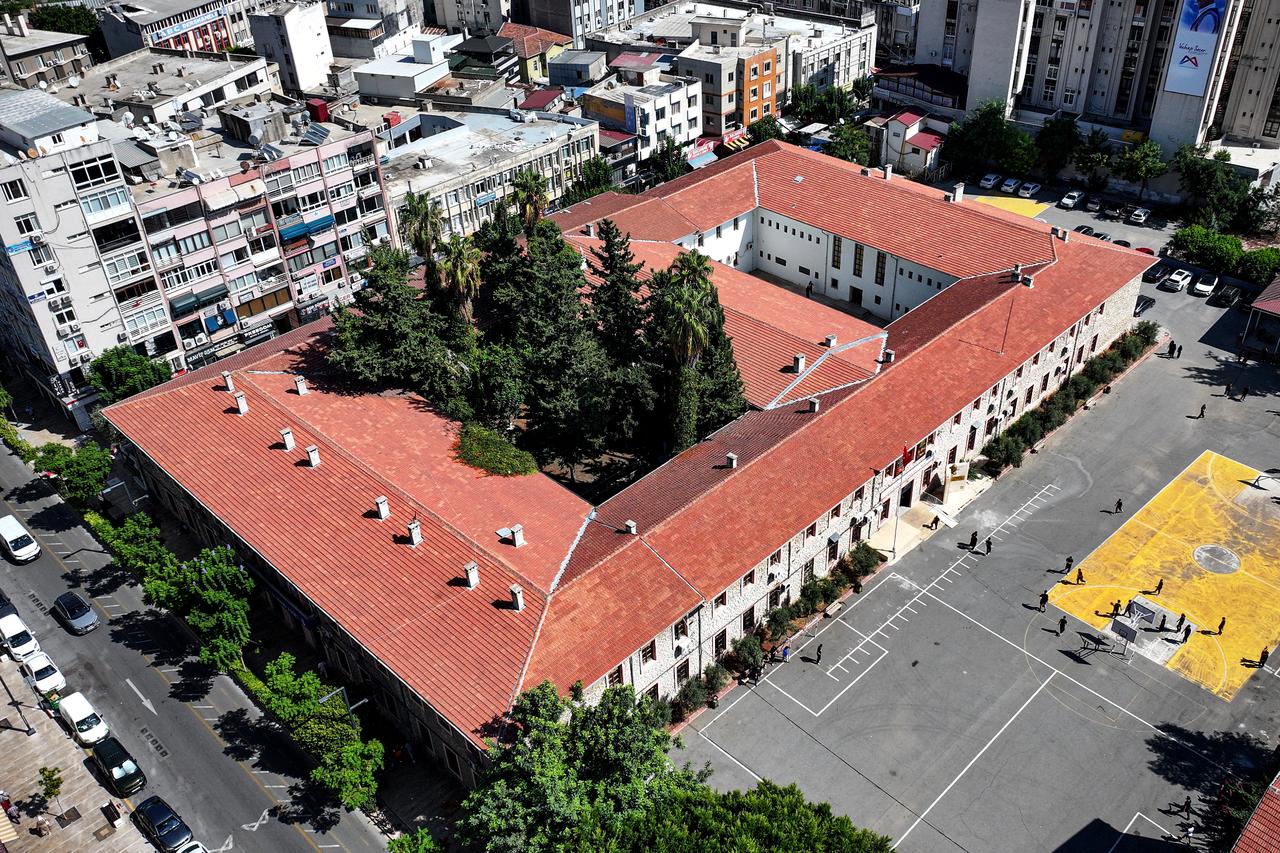


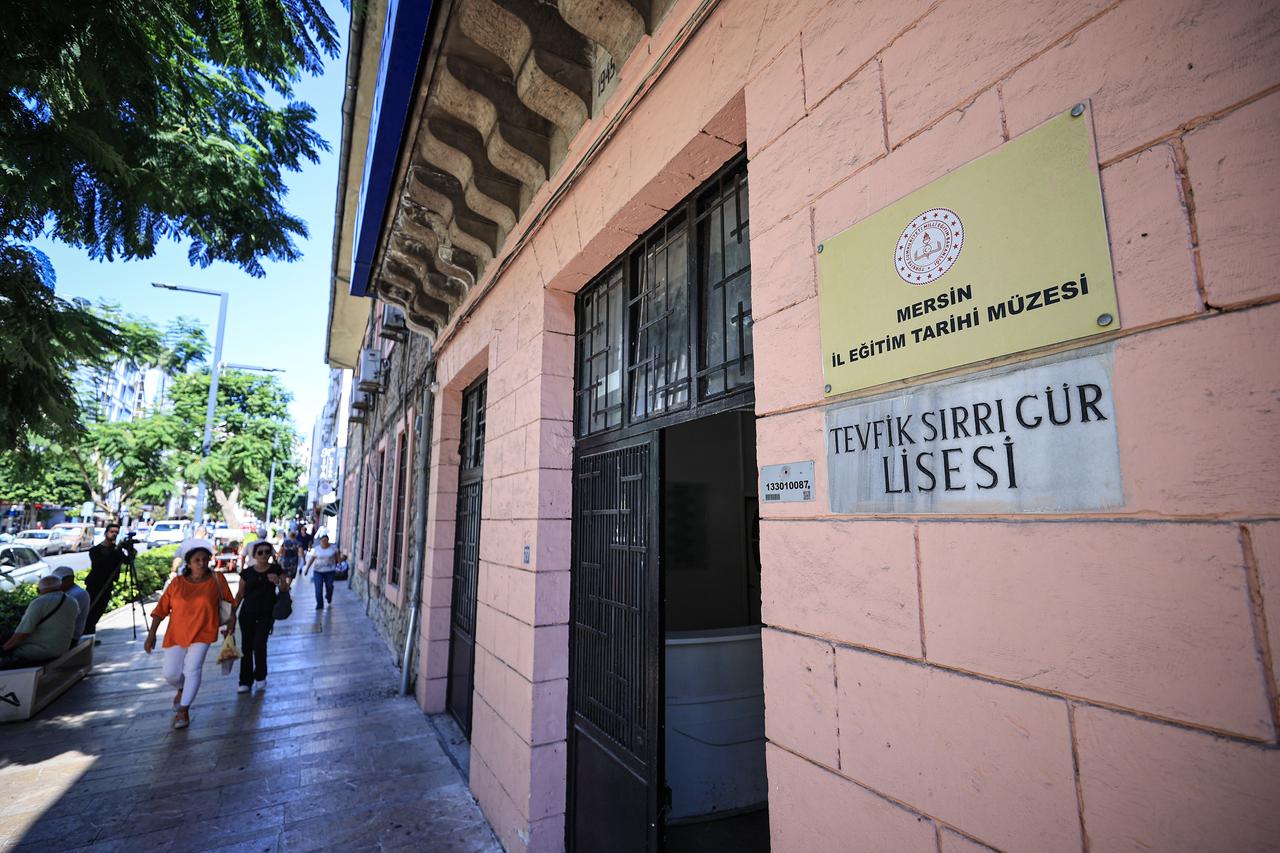
Mersin's Tevfik Sirri Gur Anatolian High School, which shut down during the French occupation in 1918 before reopening following the city's liberation, continues to welcome students in its historic stone building, preserving a 117-year educational legacy that stretches from the Ottoman Empire to modern Türkiye.
Located in the Akdeniz district of the southern Turkish city, the school is officially recognized as a protected monumental cultural property and houses a museum documenting the region's educational history.
The school's origins date back to the Ottoman period, when the building served as a rustiye, a secondary school within the empire's education system.
In 1909, additional classrooms were introduced, allowing the institution to offer high school education under the name Mersin Idadisi.
However, the French occupation of Mersin in 1918 brought classes to a halt for approximately three years.
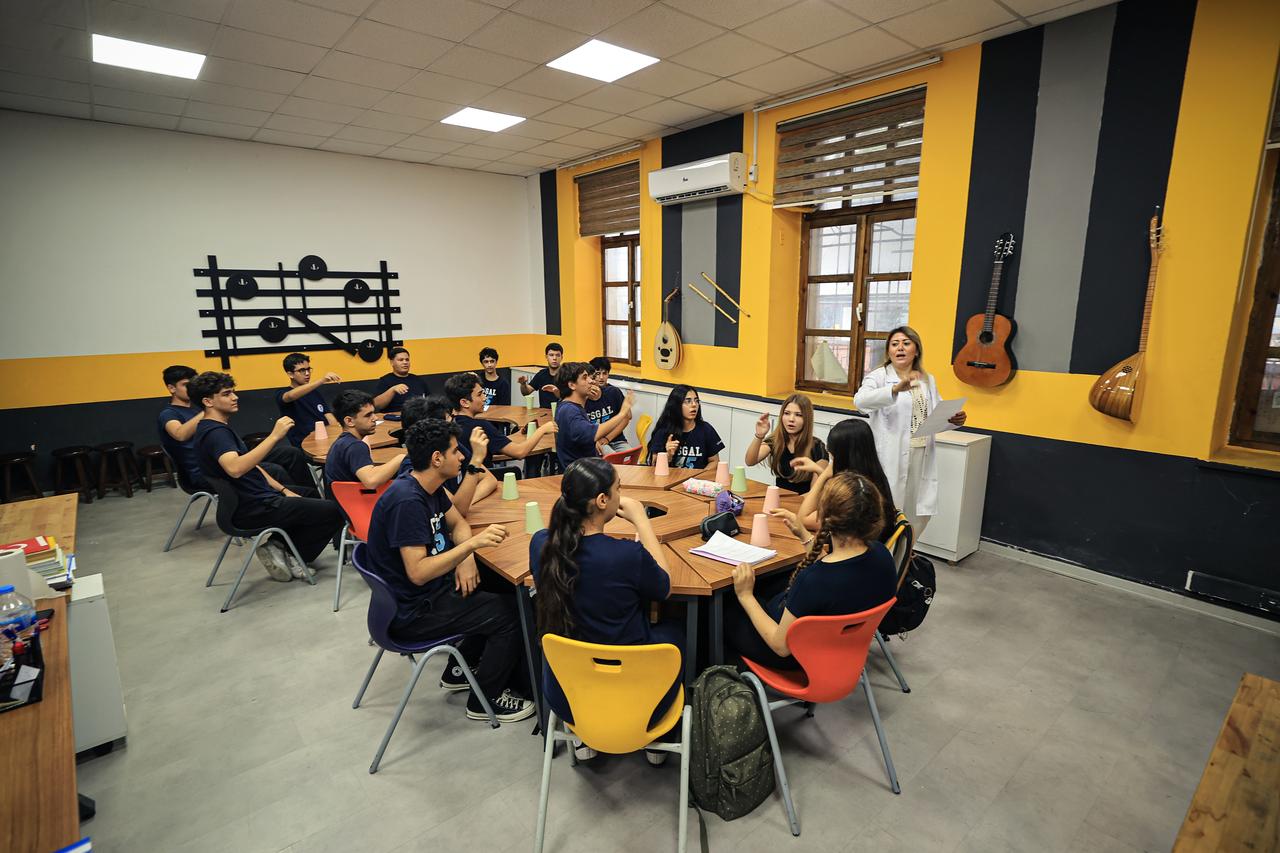

Following the city's liberation in 1922, the school reopened as Mersin Ticaret Idadisi before being converted into a middle school.
With the backing of local residents and then-governor Tevfik Sirri Gur, it regained its high school status during the 1945-1946 academic year under the name Mersin High School.
The institution was renamed in honor of Gur in 1964, recognizing his role in establishing its historic stone building, and became an Anatolian high school, a designation within Türkiye's secondary education system, in 2005.
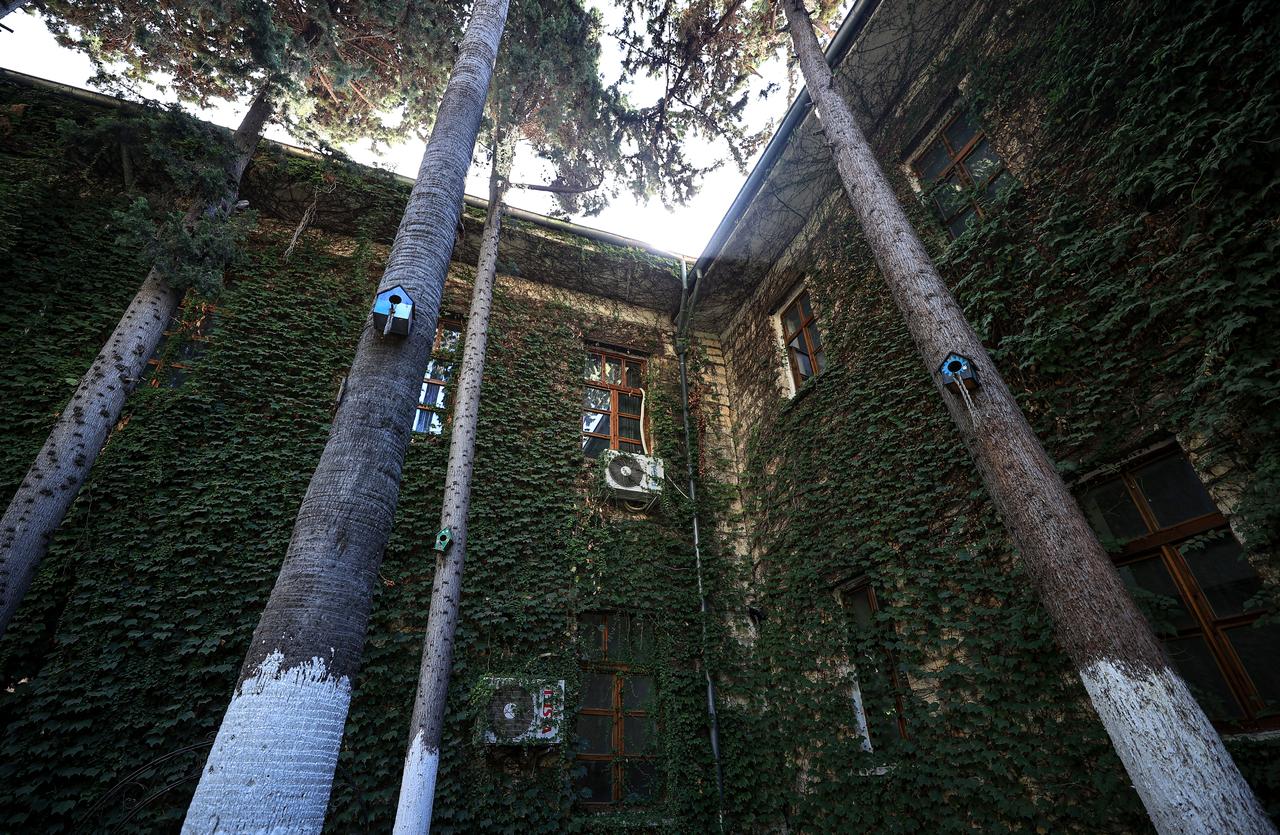
Today, the school remains an active educational institution despite strict preservation rules governing its historic structure.
Akdeniz District Education Director Saim Demir described it as the city's oldest school and highlighted the Mersin Education History Museum, established within the building in 2019.
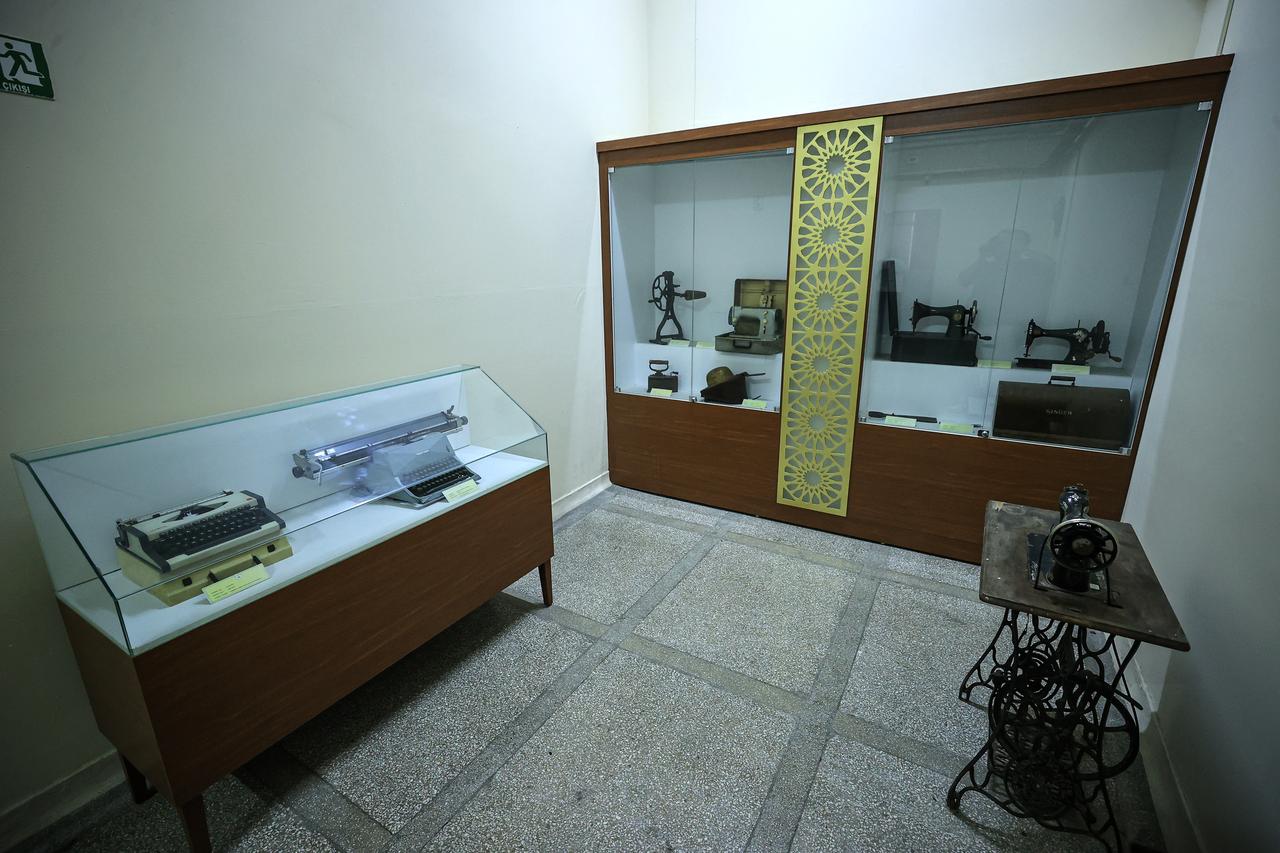
The museum brings together historical documents and educational equipment collected from schools across the region, offering visitors a glimpse into earlier generations of classroom life.
Demir explained that even minor alterations to the protected structure require official authorization.
"Even if you want to install an electrical cable, you need permission because it is a stone structure, a historic building," he said.
School Principal Sezer Cetin emphasized that the building's original stone exterior has been preserved while generations of students have continued their education inside.
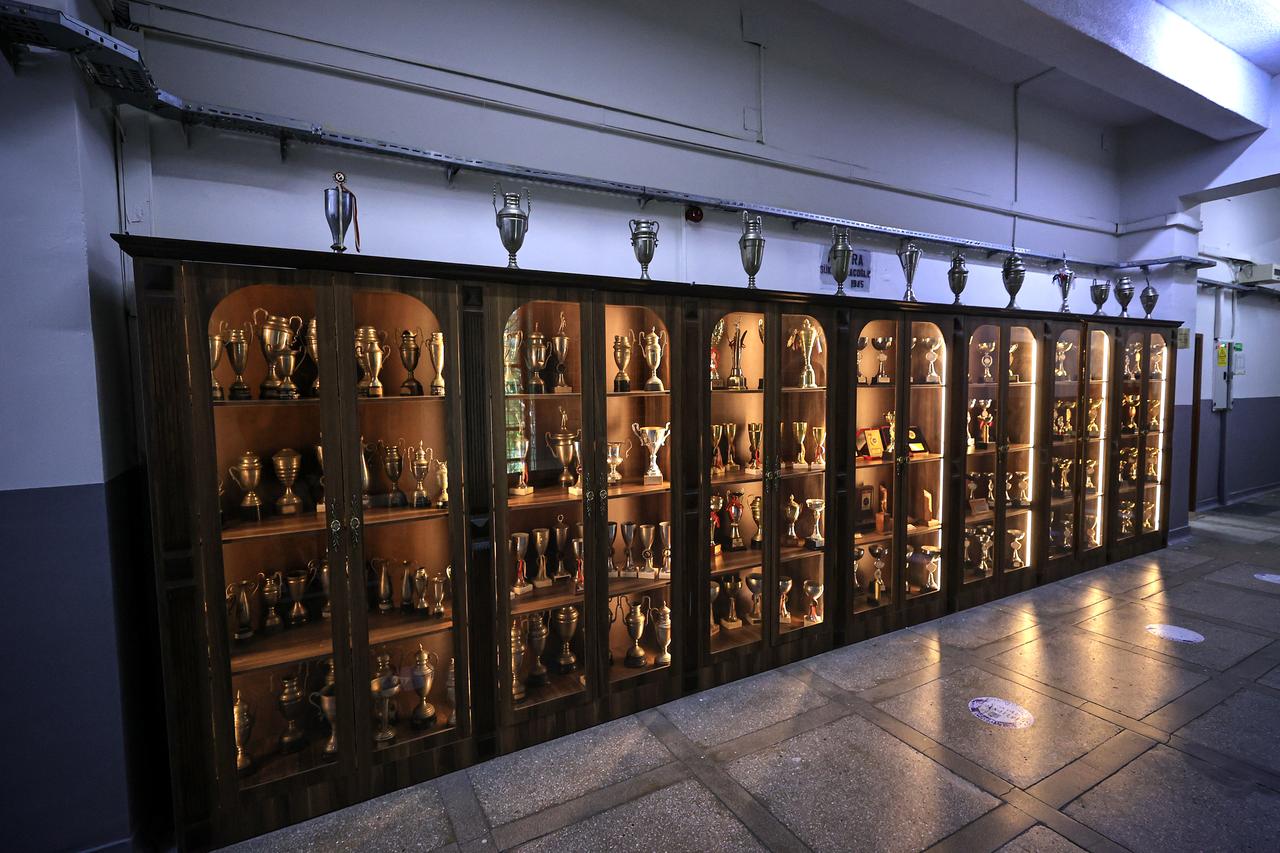
He noted that the institution has produced graduates who went on to careers in politics, public administration, business, sports and the arts.
For literature teacher Ali Cemal Kocak, the school's history carries a personal significance.
Kocak first entered the building as a student in 1993 and now teaches literature in the same classrooms where he once attended lessons.
He said returning as a teacher was a source of pride and expressed hope that students would draw on the school's cultural heritage as they pursued their ambitions.
That connection is also reflected in the experiences of current students.
Eleventh-grader Defne Basogul recalled visiting the school's museum shortly after enrolling and discovering historical records and objects that connected her generation with former students.
She said learning about the achievements of graduates encouraged students to follow their example.
Fellow student Melike Kurt also described studying at an institution with such a long history as a privilege.
More than a century after its educational journey began, Tevfik Sirri Gur Anatolian High School continues to combine classroom teaching with the preservation of Mersin's educational heritage.


 Set as preferred source
 Set as preferred source


 5 min read