Newsletters


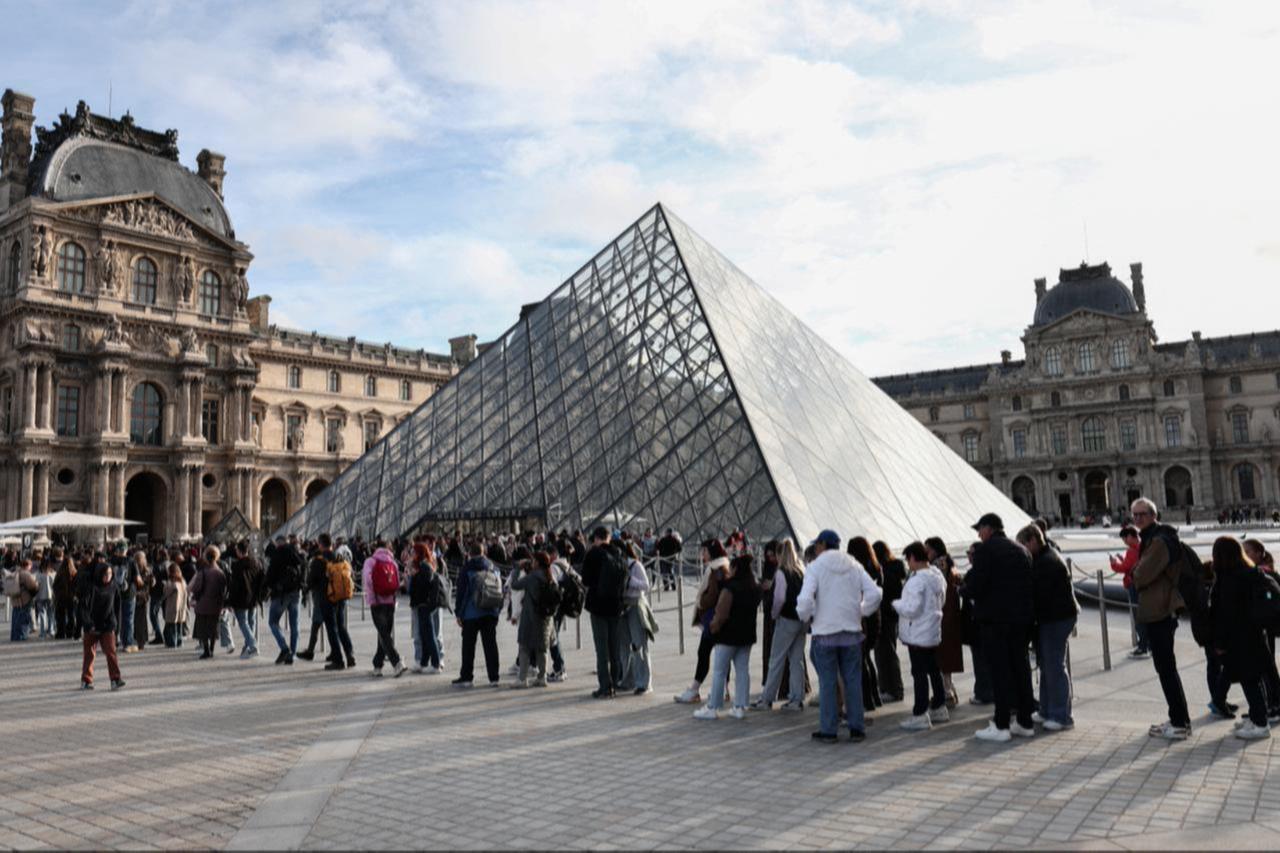


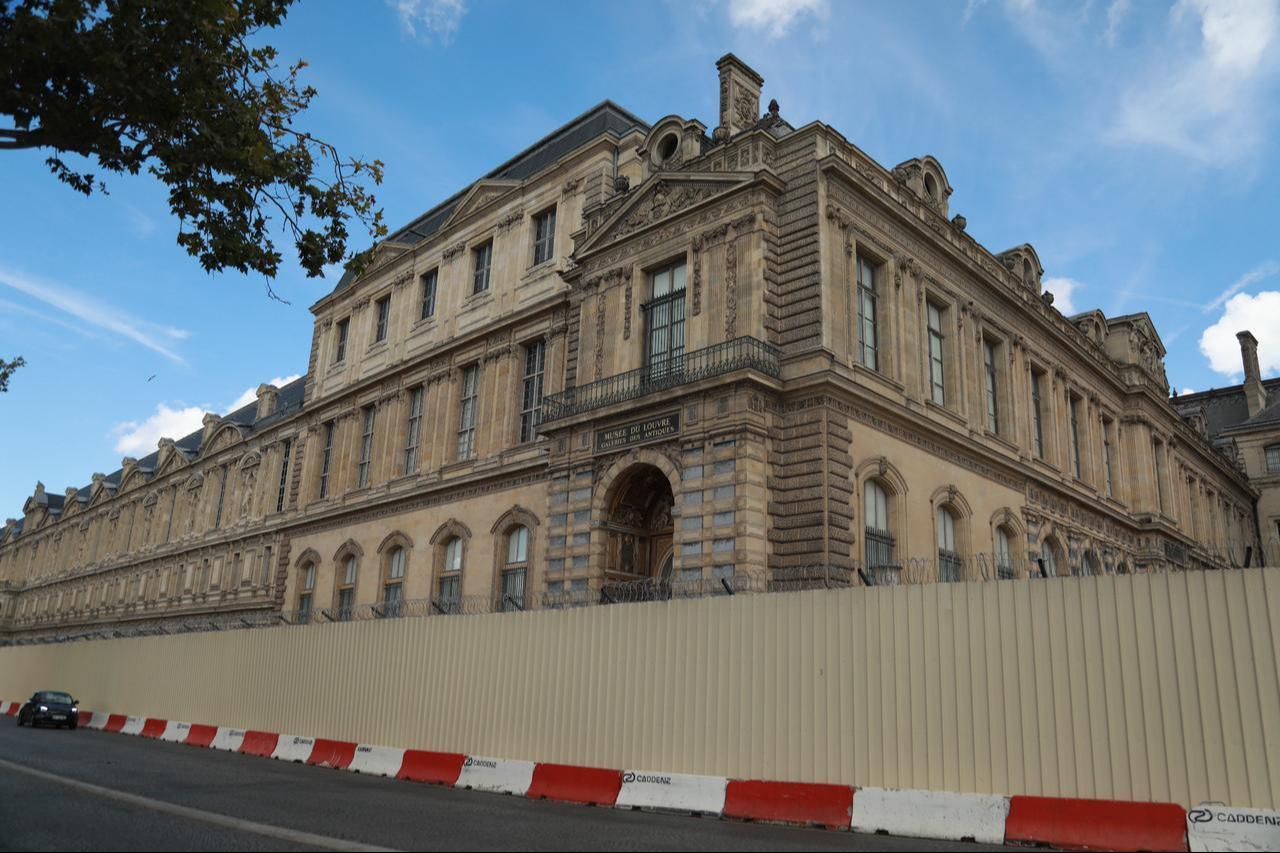
A string of museum thefts across Europe is putting smaller institutions with limited security resources under scrutiny. Thefts in France, Italy and Spain follow the Louvre heist in Paris, in which thieves took eight items of French crown jewels from the museum’s Apollo Gallery in under eight minutes on Oct. 19, 2025.
The latest case struck the Fondazione Magnani Rocca museum, run by a private foundation near Parma in northern Italy, on the night of March 22.
Two people wearing headlamps entered through a forced window, took paintings by Paul Cézanne, Pierre-Auguste Renoir and Henri Matisse from the walls and handed them to accomplices outside. The works, valued at about €9 million ($10.3 million), left the building within three minutes.
A fourth person waiting at the main entrance used a fire extinguisher to distract a guard after the alarm sounded. Stefano Roffi, who runs the foundation, described the night, saying, “Everything that could go wrong went wrong.”
Italy’s Carabinieri police found the three paintings in August in a cardboard box inside an apartment. Authorities detained five Moldovan nationals in connection with the theft. Investigators said the suspects tried to find buyers in Eastern Europe and Russia but failed.

In August, works by Antonello da Messina were stolen from a museum in the artist’s hometown of Messina, on the Italian island of Sicily. In September, two Renoir paintings were taken in Cagnes-sur-Mer, a town on the Côte d’Azur on France’s Mediterranean coast.
In Spain, thieves stole hundreds of historic gold coins from museums in Badajoz in the west and Albacete in the southeast. A Bronze Age treasure was also targeted in Villena, near Alicante on the Mediterranean coast.
A 2024 study by France’s Culture Ministry found that only one in four cultural institutions in the country has an emergency and risk prevention plan.
About half have no security camera system. A French parliamentary report published in May said museums lack the resources and preparation to protect artworks and historic objects.
According to Reuters, Italy’s cultural heritage is spread across hundreds of small towns and institutions, which complicates security.
Antonella Pinna, head of the Italian committee of the International Council of Museums, said keeping works where they were created is a defining feature of the country’s heritage system, but that measures making life harder for criminals are needed.
The council drew up security guidelines for museums in 2015 together with Italy’s Culture Ministry and the Carabinieri. Pinna said investing in technology alone is not enough, since someone must monitor the system and respond when an alarm sounds.
Italy has more than 4,400 museums and similar institutions. Spain has about 1,500, and France has more than 1,200 with the official “Musées de France” status.
Protecting such networks is particularly difficult for small museums that operate on the limited budgets of local authorities.
Florence Imbert, a Paris-based security consultant for cultural institutions, said 85 percent of small museums in France are run by local authorities with limited funds.
France’s Culture Ministry announced a 33-point security plan for local museums in July, with €30 million allocated over three years.
The Carabinieri’s art crime unit recorded 17 thefts from museums and galleries in Italy in 2025, up from 14 in 2024. Europol said in a report published in August that museum thefts are becoming more violent and that criminals increasingly target precious metals, jewelry and high-value historical artifacts.
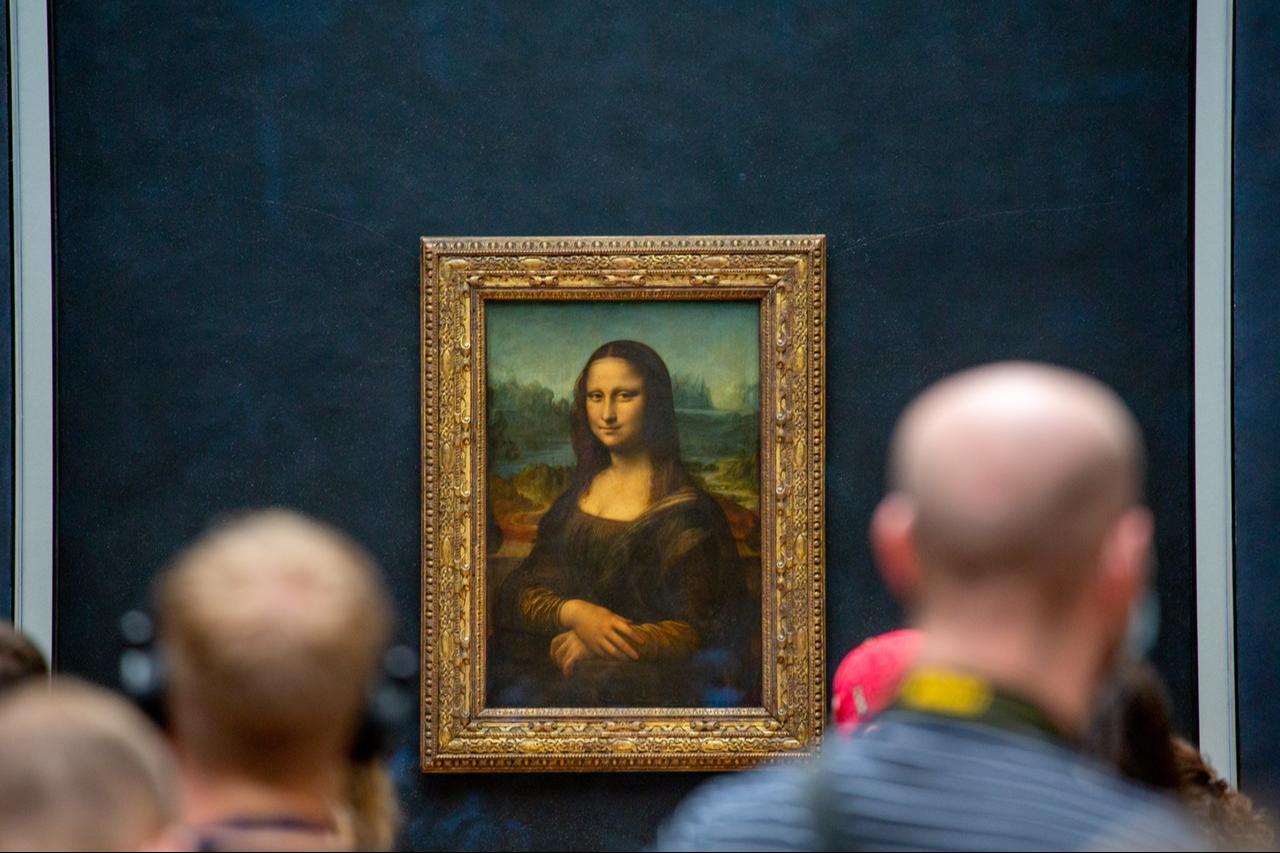
Unlike gold and jewelry, a well-known artwork cannot easily be turned into cash. Pinna said selling works by artists such as Renoir on the open market is almost impossible. Stolen paintings are mostly hidden, used as leverage in ransom demands or passed to private buyers.
Even when works are recovered, museums face high costs from investigations, recovery operations and security upgrades.
The thefts have also revived the debate over insurance. Most large public museums in Western Europe rely on government guarantee systems rather than commercial insurance, though some institutions have begun to reassess their risks.
Art insurance specialist Filippo Guerrini-Maraldi said that in his 40-year career, art theft has become a risk of this scale for the first time.
Insurers are also turning to security technology. Beazley is exploring the use of artificial intelligence to analyze security camera footage in museums and galleries so it can detect suspicious behavior earlier.
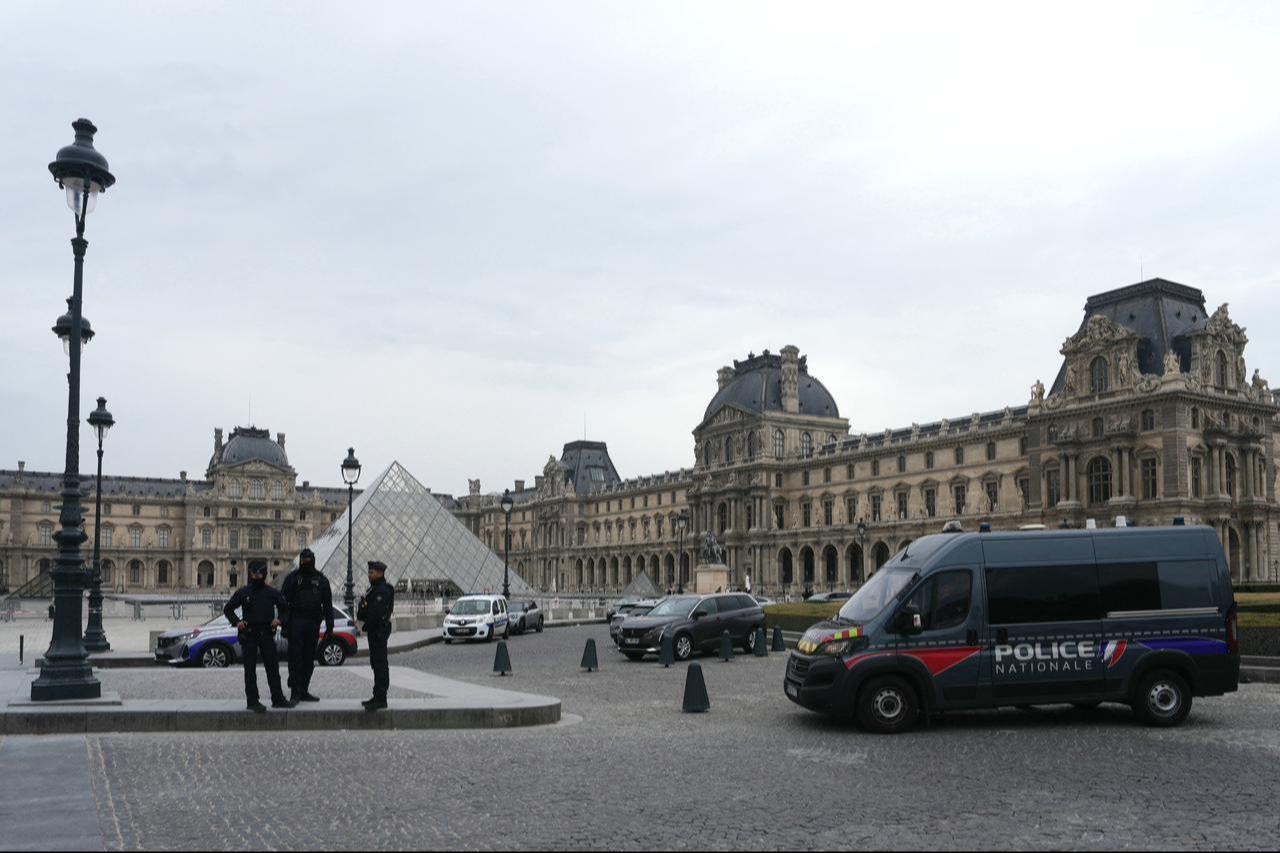
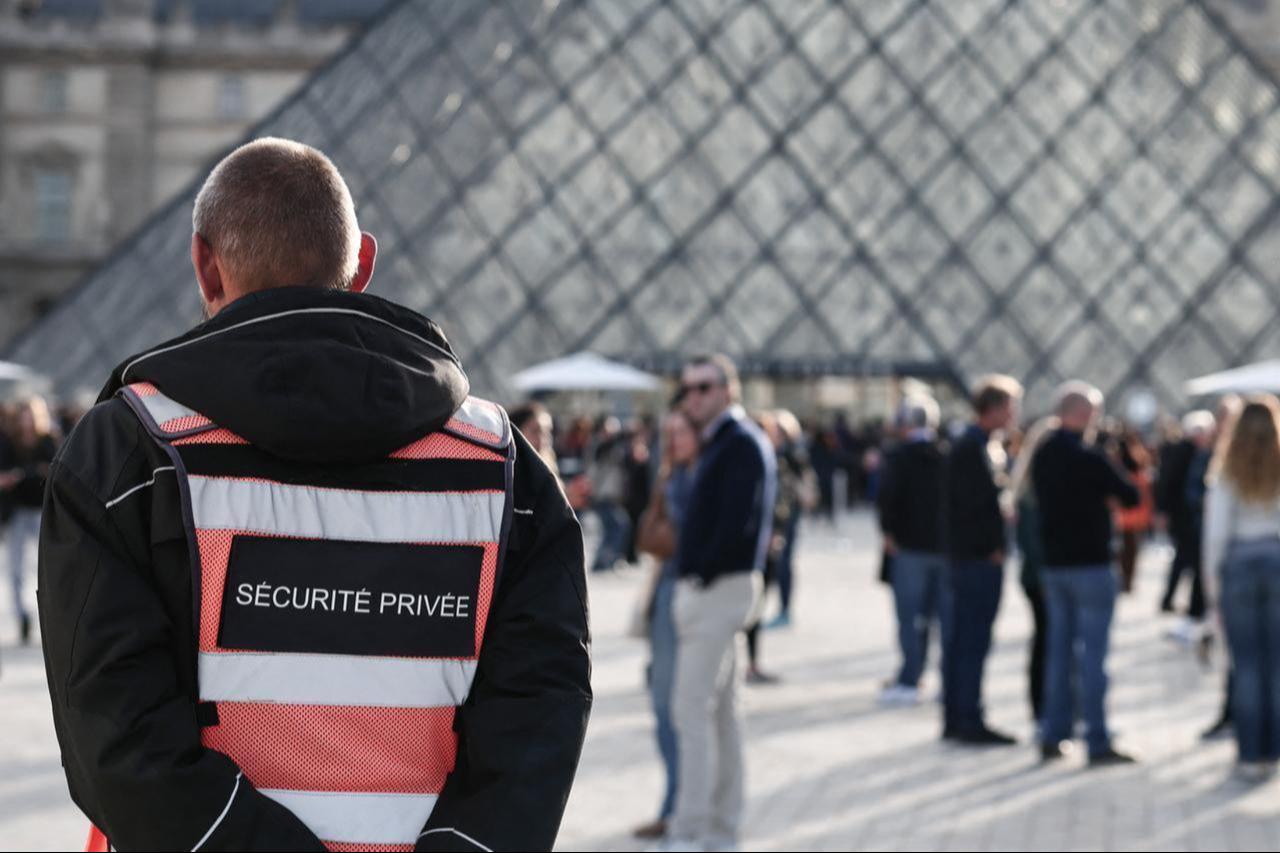
Museum directors and cultural officials face a dilemma: how to raise security while keeping institutions open to the public. Imbert said museums must remain accessible and that visitors should not have to pass through 50 separate security checks.
Julien Volper, a curator at the Africa Museum in Belgium, argued that sensitive works that cannot be adequately protected should not be displayed.
He said exhibiting replicas could be a solution, adding that museums are not Disneyland.
After the stolen paintings were recovered, the Magnani Rocca museum began keeping a security guard on duty 24 hours a day.
A local consortium of cheese producers funds the measure. Roffi said the theft is seen not only as a theft from one museum but also as an attack on shared cultural heritage.


 Set as preferred source
 Set as preferred source


 2 min read