

 Newsletters


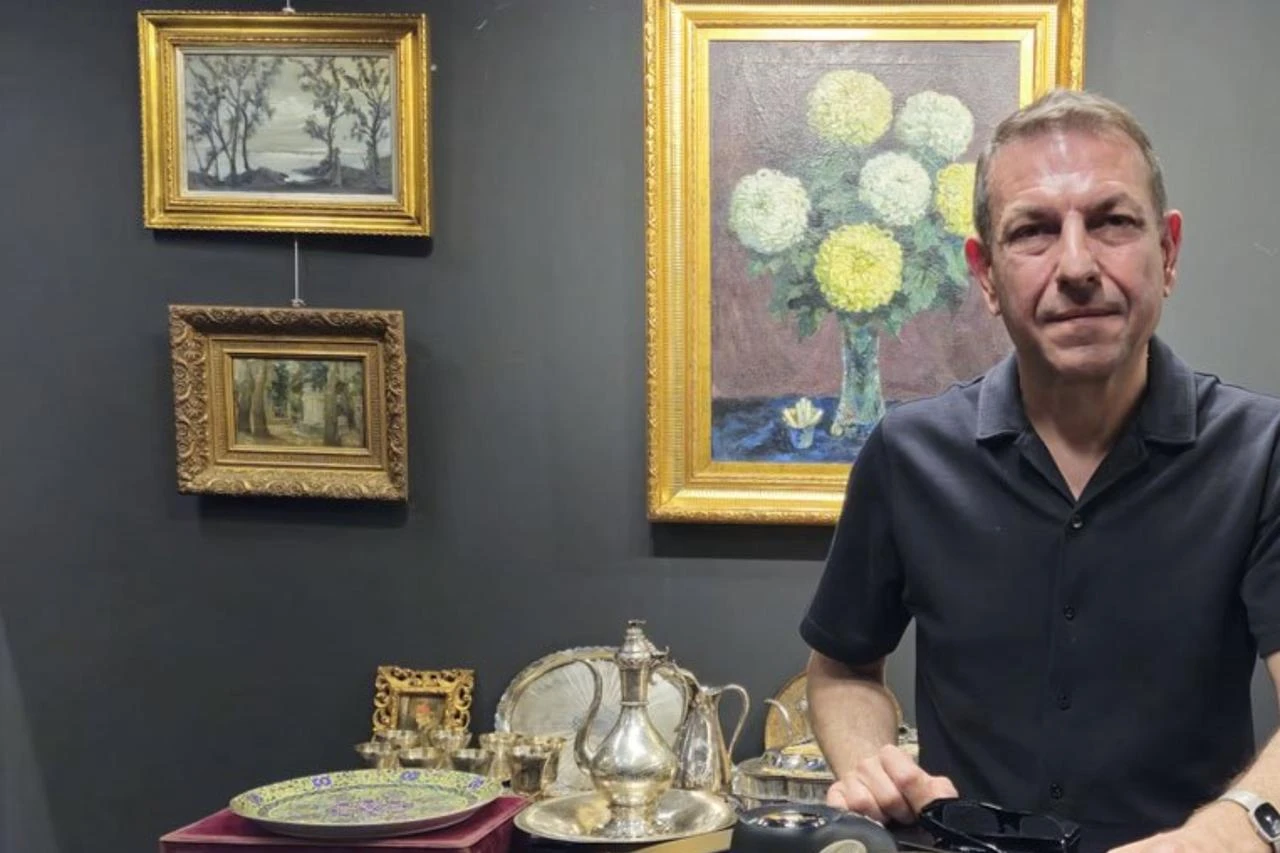


The rapid rise of online auctions has transformed Türkiye's art market, but it has also made it easier for counterfeit artworks to circulate, according to veteran auctioneer and collector Huseyin Kocabas.
Speaking ahead of Arthill's upcoming "Museum-Quality Objects Auction" on Aug. 16, Kocabas said the shift toward digital sales has encouraged poorly curated auctions where fake paintings are increasingly offered to buyers.
"We came across an auction this year where every single painting was fake," Kocabas said. "We reported it to prosecutors and had the sale stopped."
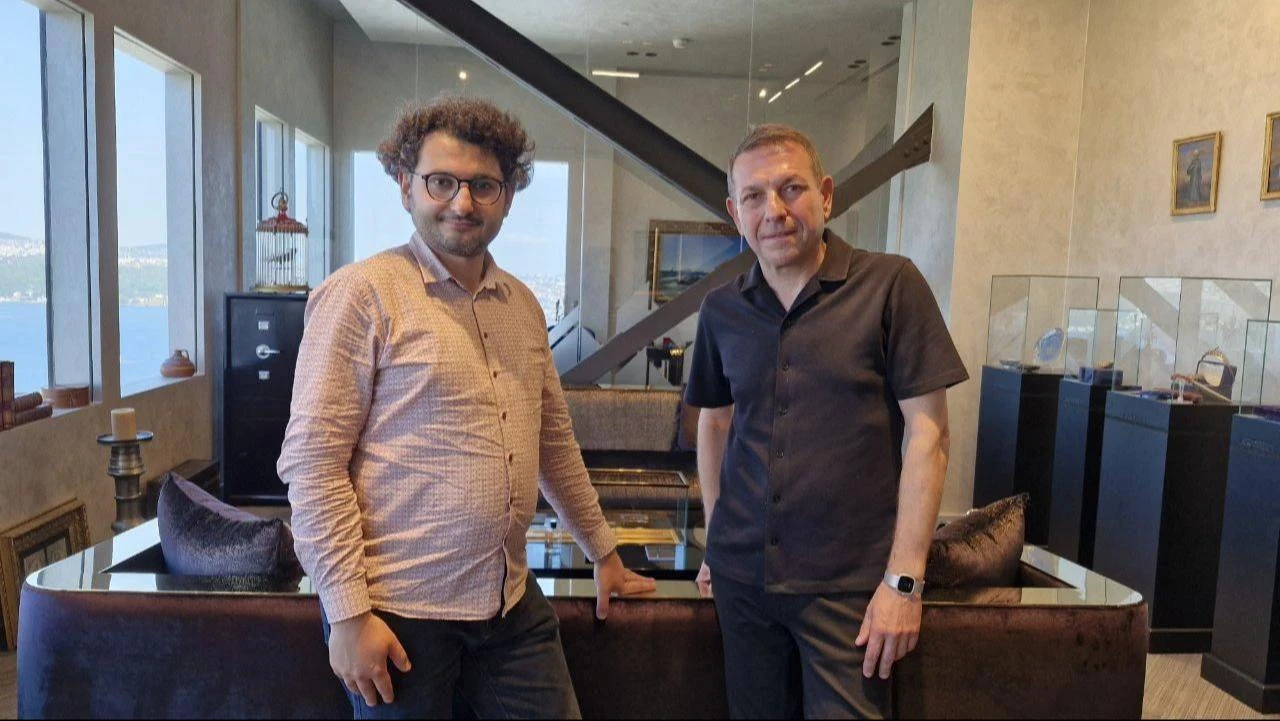

Kocabas continues a family tradition established by his grandfather, also named Huseyin Kocabas, one of Türkiye's pioneering collectors.
Beginning his collection in 1918, the elder Kocabas assembled nearly 30,000 objects over his lifetime without selling a single piece. His collection later became the foundation of the Sadberk Hanim Museum, Türkiye's first private museum.
Unlike his grandfather, Kocabas combines collecting with professional auctioneering through Arthill, which he founded in 2019 after leaving the textile business to pursue antiques full time.
 1 min read
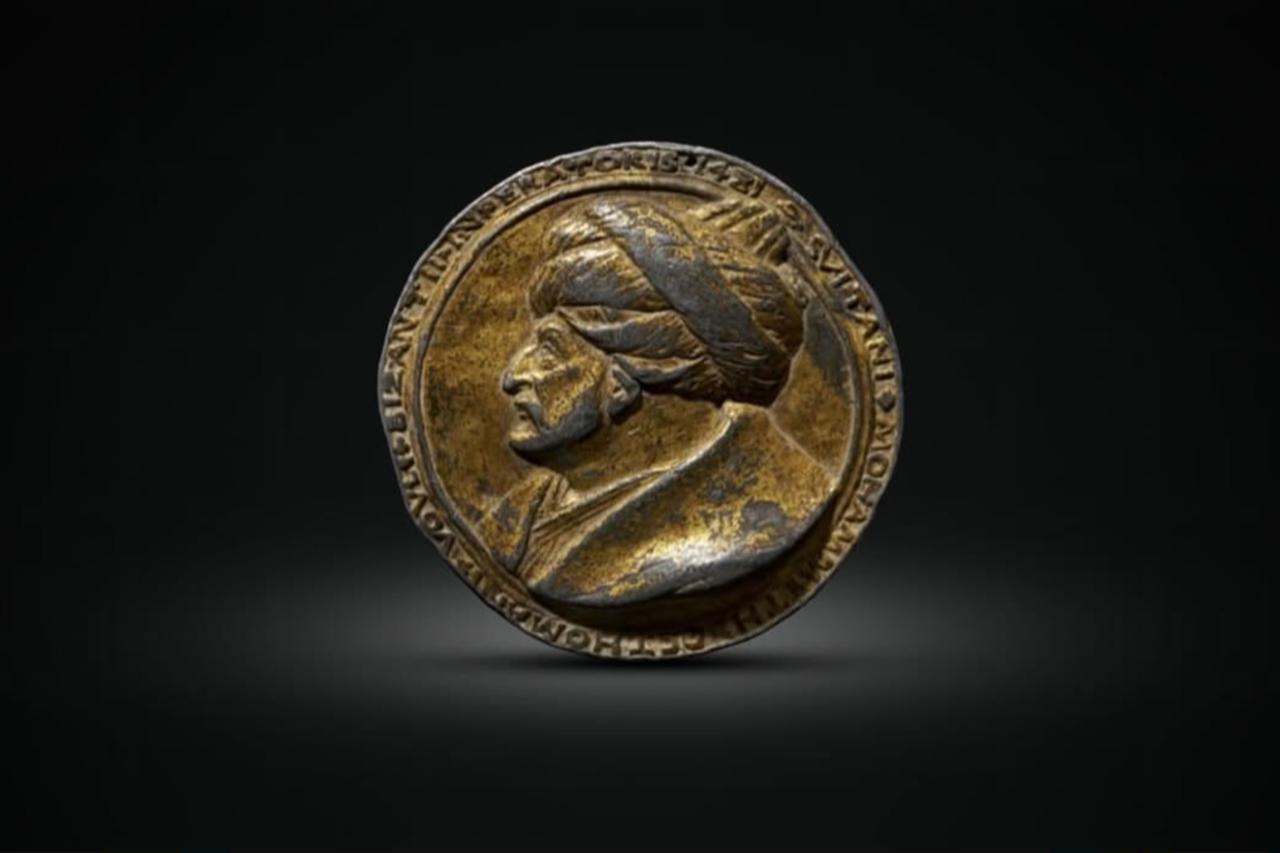
Kocabas believes the Turkish art market has changed dramatically over the past three decades.
According to him, the number of genuine collectors has declined while investment-minded buyers have increased.
"Not everyone who purchases an artwork is a collector," he said, arguing that true collectors should develop expertise through research or work closely with specialists rather than viewing art as a financial asset.
Kocabas said online auctions initially emerged as a practical solution during the COVID-19 pandemic but gradually evolved into a trend that prioritized speed over expertise.
He noted that reputable auction houses may spend months researching a single object before offering it for sale, whereas some online sellers rushed artworks to market without proper authentication.
The growing demand also encouraged imports of low-quality antiques from European flea markets, he added.
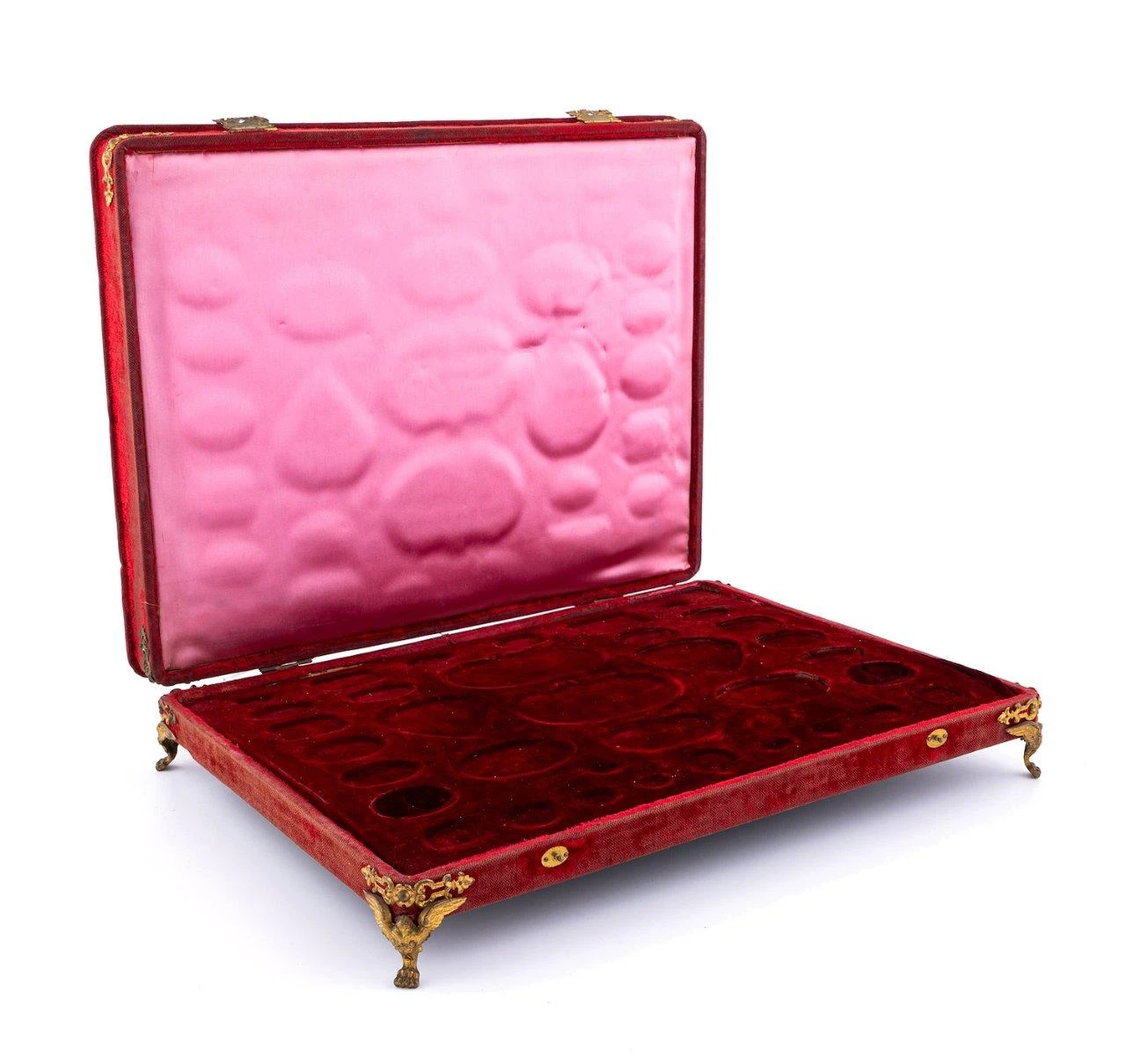
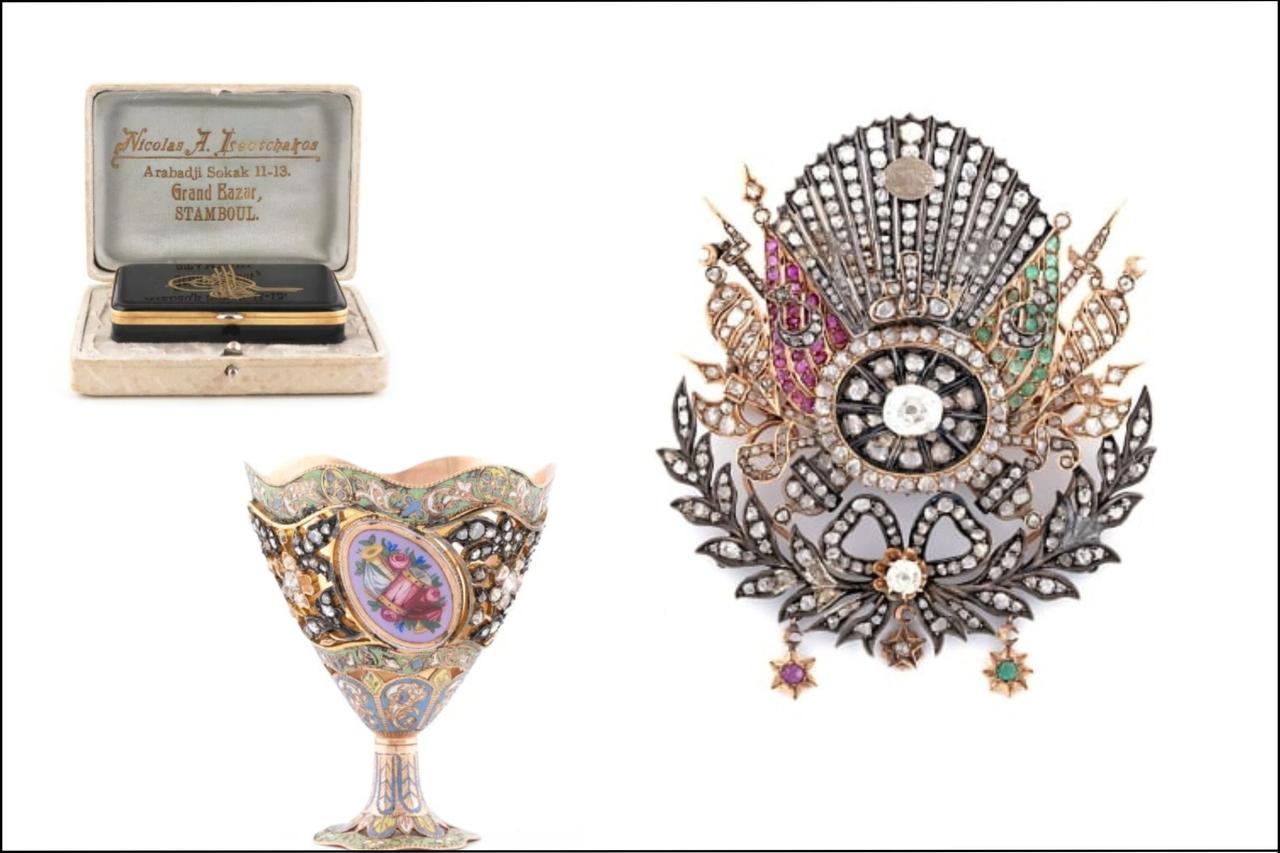
Despite his concerns about the wider market, Kocabas said Arthill's upcoming auction will feature carefully documented objects linked to the Ottoman imperial court.
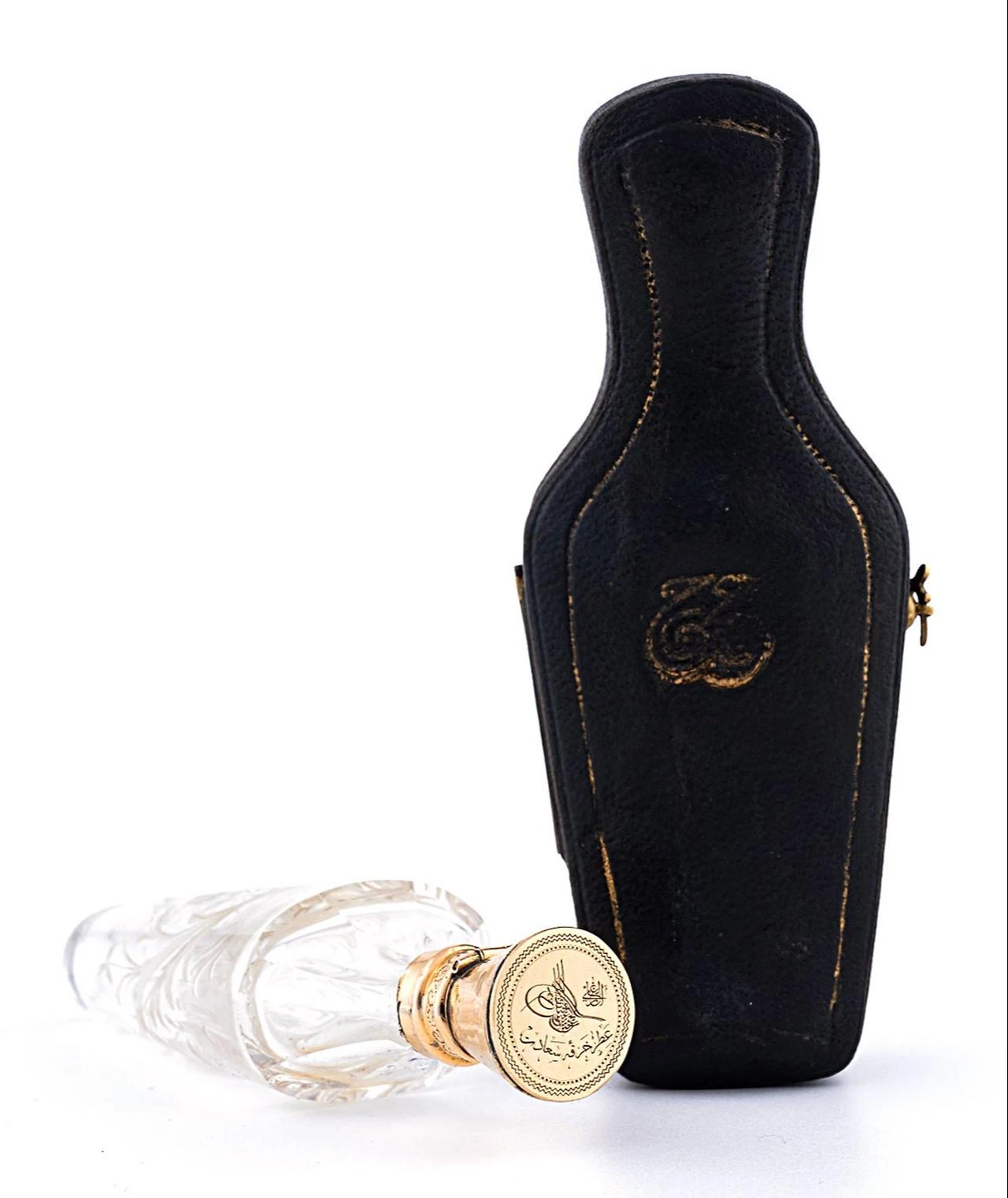
Among the highlights are gifts presented by Sultan Abdulhamid II, the sultan's personal bottle used for the sacred fragrance of the Holy Mantle, and a jewel casket connected to the confiscation of Abdulhamid II's personal possessions after his deposition.
Many palace objects appearing at auction today were originally presented as gifts to prominent families rather than remaining in the imperial treasury, Kocabas said.


 Set as preferred source
 Set as preferred source



 1 min read


