Newsletters





Orhan Pamuk has said that "The Museum of Innocence" is not the best novel he has written, while naming four other books he considers his strongest work, as his 2008 bestseller returned to the spotlight through a new Netflix adaptation distributed globally.
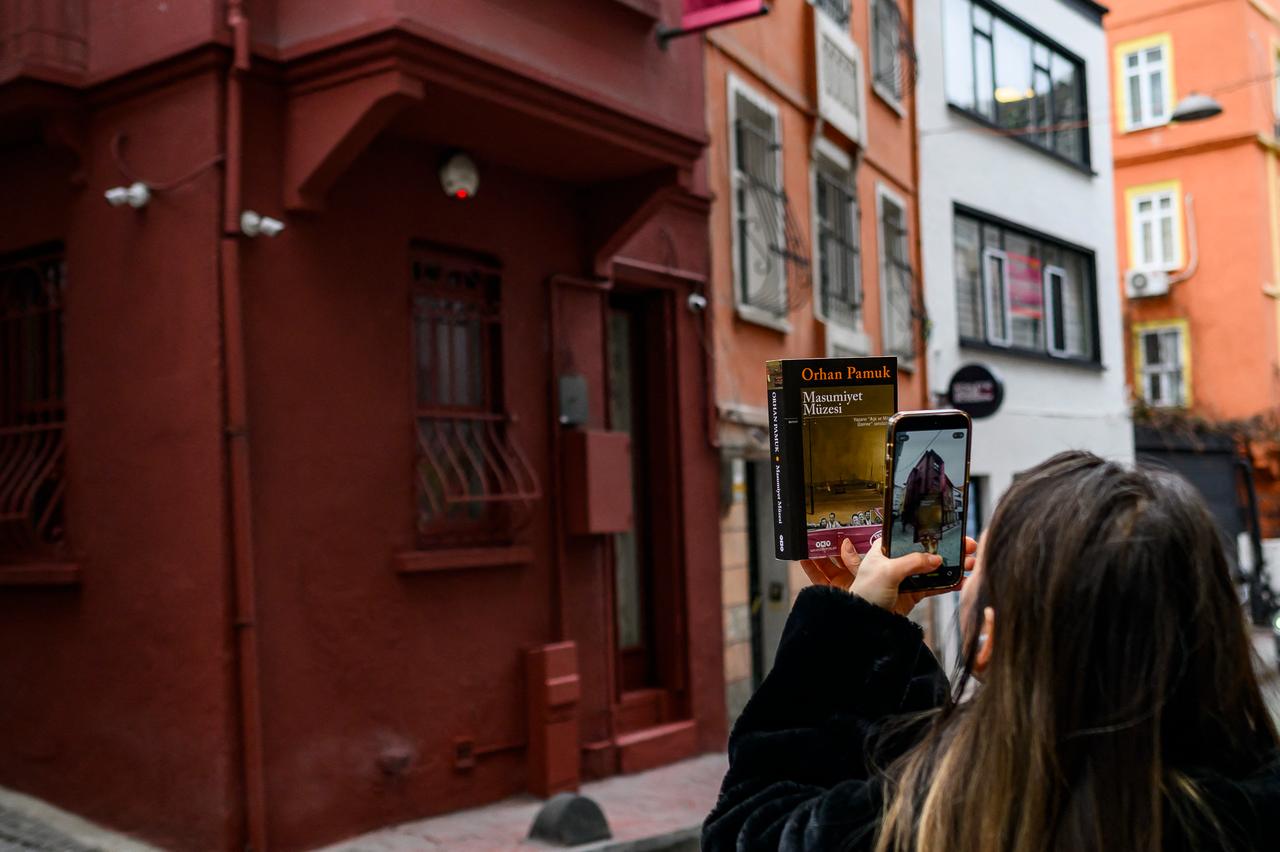
Speaking to T24 in an interview focused on both the novel and the screen series, Pamuk said the real-life museum linked to the book has continued to draw visitors without a decline for 15 years, and added that the novel’s sales have also not dropped since publication. “I must confess that The Museum of Innocence is not my best novel,” he said, before listing the titles he ranks as his top works: "The Black Book, Nights of Plague, Snow, and My Name is Red."
Pamuk’s "The Museum of Innocence" was first published in 2008 and is set in Istanbul in the 1970s and 1980s, centred on an obsessive love story. The book has now been adapted into a series carrying the same title, released on Netflix’s global platform and made available in roughly 200 countries, according to the T24.
The renewed attention has also fed back into interest in the museum itself, which Pamuk said has remained financially self-sustaining and continued to attract visitors over the past 15 years, despite his earlier concerns that keeping it running might prove difficult.

Before the Netflix deal, Pamuk described a previous attempt to adapt the novel that he said became a prolonged dispute. He told The New York Times that he had reached an agreement six years earlier with another production company, but later rejected the script, saying he believed it went far beyond acceptable changes.
According to the text, Pamuk felt the company made extensive alterations to the plot and added details he thought seriously distorted the narrative of the 500-plus-page novel. He later sued the producers and described the period as deeply stressful, saying, “At the time I was having nightmares. By my standards, I was paying a lot of money to a Californian lawyer and worrying, ‘What if they film it the way they wrote it?’”
Pamuk won the case in 2022, after which he reached a new agreement with Netflix to move the adaptation forward.


 Set as preferred source
 Set as preferred source


 3 min read