Newsletters




The debate over Gaza, censorship, and artistic responsibility has overshadowed this year’s Berlin International Film Festival.
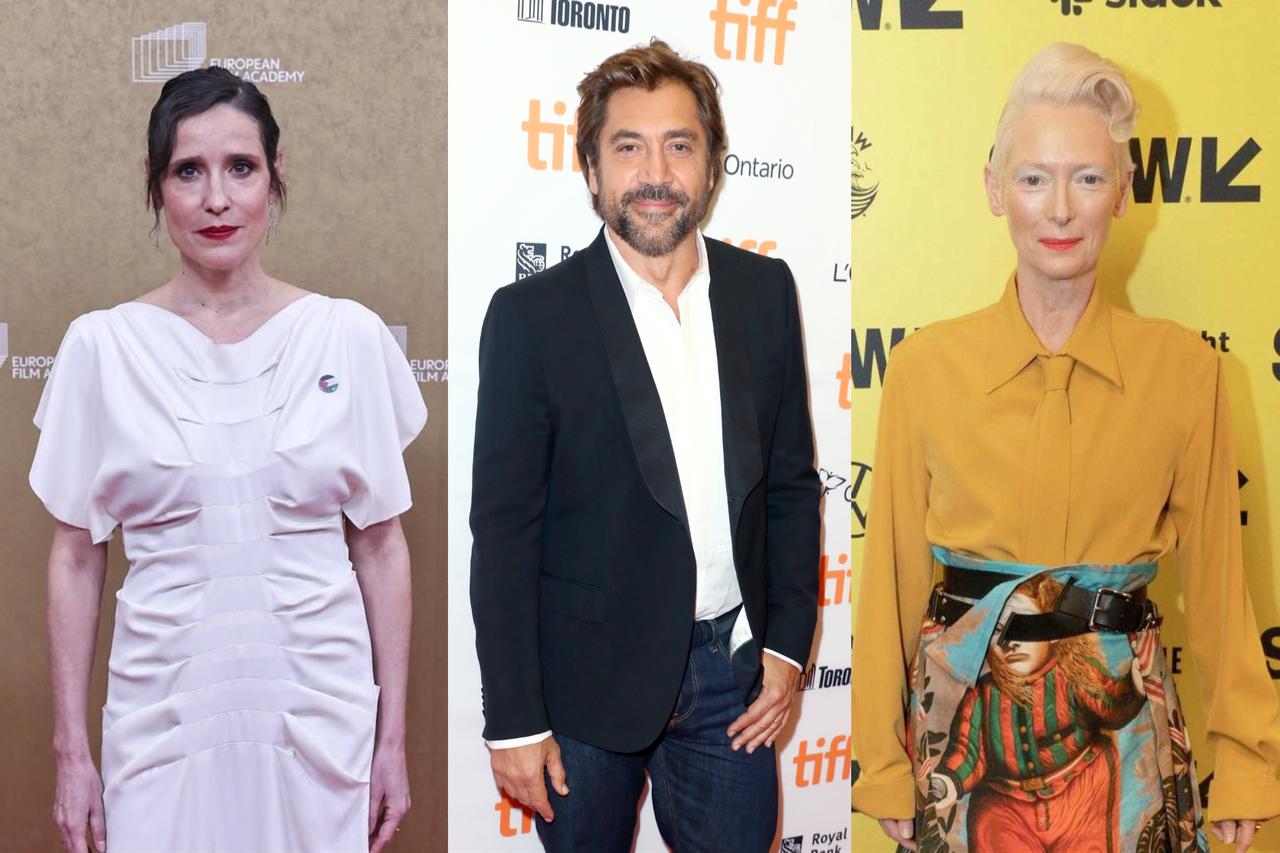
More than 80 current and former participants of the festival, including actors Tilda Swinton and Javier Bardem, have signed an open letter, first reported by Variety, calling on the Berlinale to condemn Israel’s actions in Gaza and address what they describe as censorship of pro-Palestinian voices.
The letter, published Feb. 17 during the 2026 Berlinale, accuses the German state-funded festival of remaining silent on what the signatories call “Israel’s ongoing genocide against Palestinians in Gaza” while taking positions on other global conflicts.
The signatories wrote they were “dismayed at the Berlinale’s involvement in censoring artists who oppose Israel’s ongoing genocide against Palestinians in Gaza and the German state’s key role in enabling it.” They added that film institutions should “refuse complicity in the terrible violence that continues to be waged against Palestinians.”
The initiative reflects growing tensions at this year’s festival, where debates over politics, artistic freedom, and Gaza have dominated discussion alongside the film program.
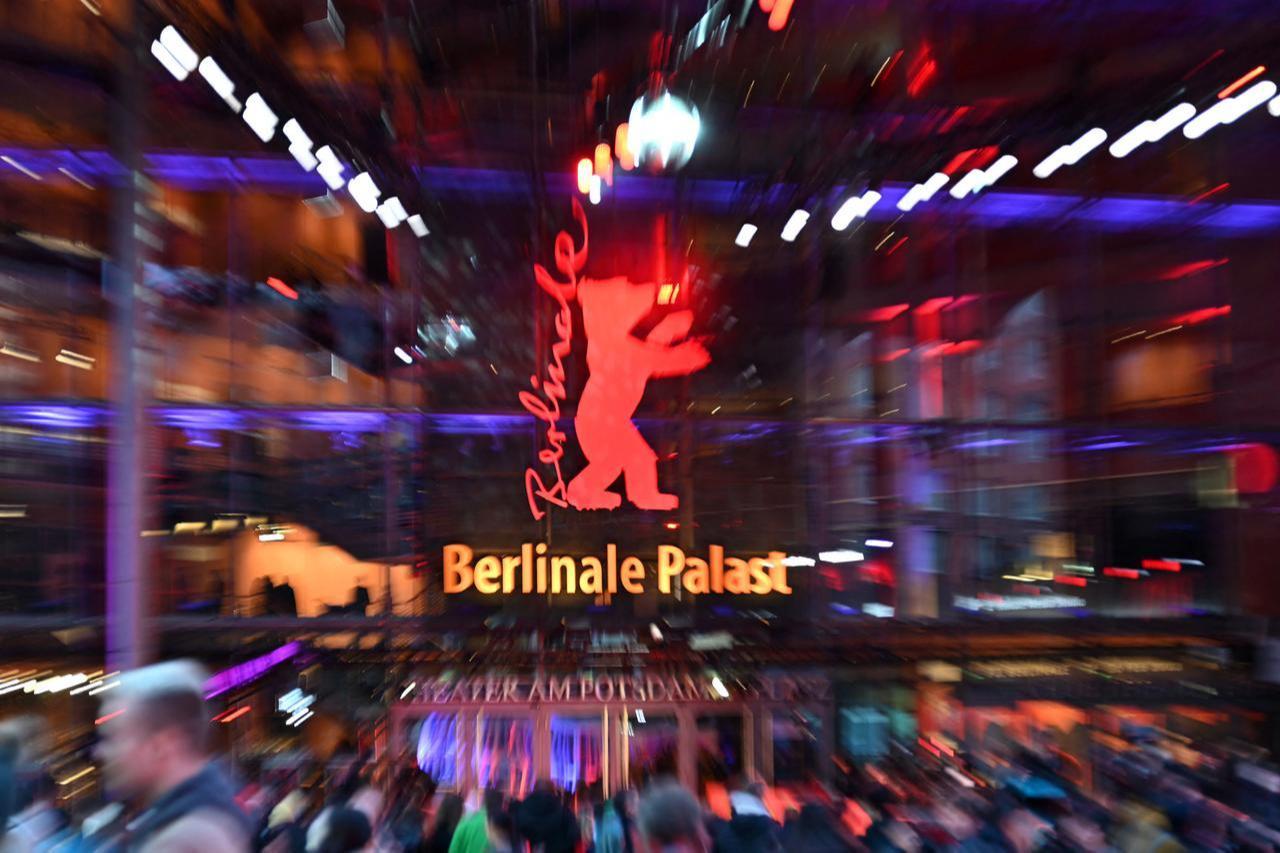

The open letter criticizes the festival for failing to issue a statement condemning Israel’s actions, despite making “clear statements” in the past about atrocities in Iran and Ukraine.
The signatories called on the Berlinale to:
The letter also claims that filmmakers who expressed support for Palestinians at previous festivals faced institutional pressure. Some artists reported being reprimanded by senior programmers, while one filmmaker was allegedly investigated by police after delivering a speech.
The Palestine Film Institute, cited in the letter, said it was “appalled by Berlinale’s institutional silence on the genocide of Palestinians and its unwillingness to defend the freedoms of speech and expression of filmmakers.”
Signatories include directors Mike Leigh, Lukas Dhont, Nan Goldin, Miguel Gomes and Adam McKay, along with actors Tatiana Maslany, Peter Mullan and Tobias Menzies.
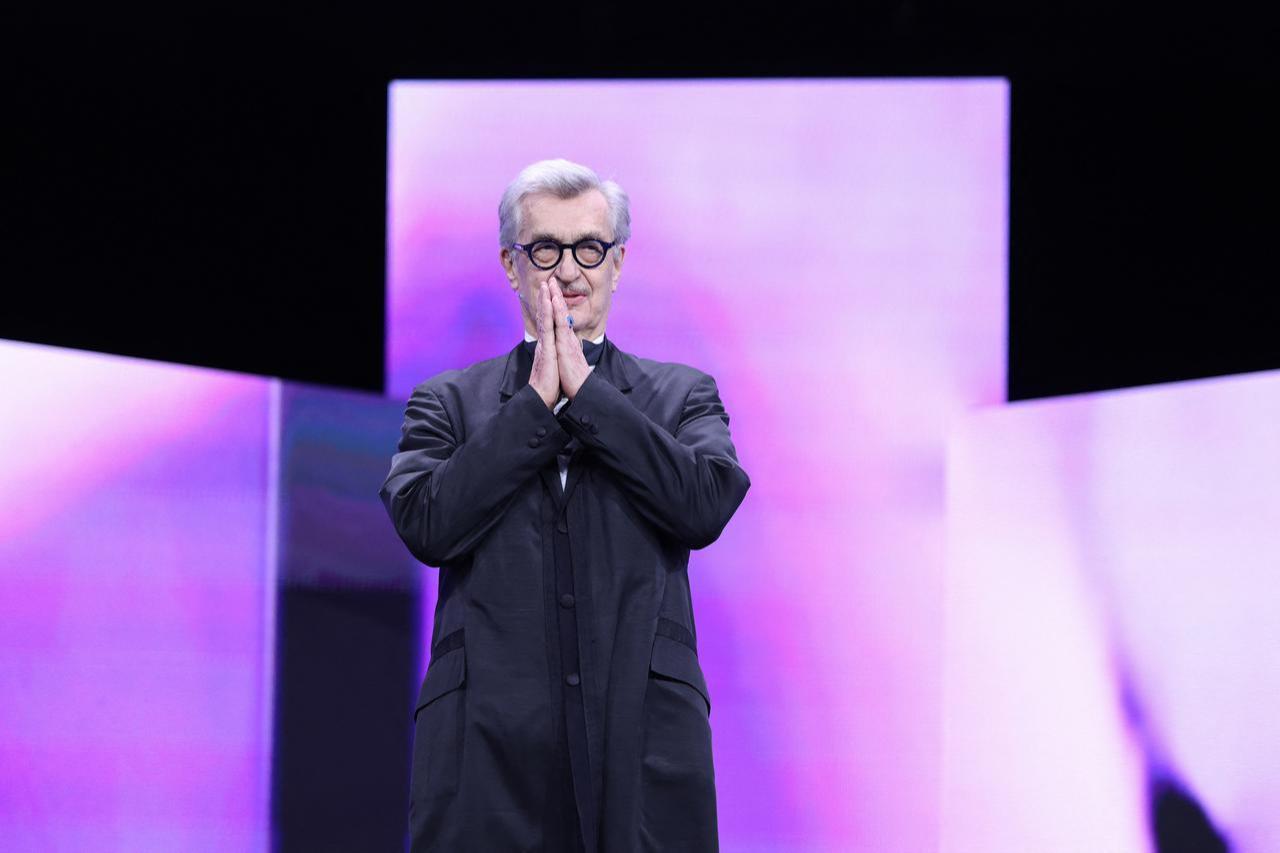
The letter directly challenges remarks by Berlinale jury president Wim Wenders, who said at the festival’s opening press conference that filmmakers should remain separate from politics.
Wenders argued that artists “have to stay out of politics” and described filmmaking as “the opposite of politics.”
In response, the signatories wrote: “We fervently disagree… You cannot separate one from the other.” The remarks triggered strong reactions across the film industry. Indian author Arundhati Roy withdrew from a planned festival appearance, calling Wenders’ comments “unconscionable” and “jaw-dropping.”
Berlinale director Tricia Tuttle defended the festival against accusations of restricting expression. She said, "Free speech is happening at the Berlinale” and argued that artists should not be expected to comment on broader debates about festival practices.
The open letter frames the dispute as part of a wider shift within the global film industry. The signatories said, "The tide is changing across the international film world,” citing growing support for cultural boycotts of Israeli institutions.
They pointed to the International Documentary Festival Amsterdam, the BlackStar Film Festival in the United States, and Belgium’s Film Fest Gent as examples of events that have endorsed such positions. The letter also states that more than 5,000 film workers worldwide have refused to work with what they describe as “complicit Israeli film companies and institutions.”
The controversy has placed the Berlinale at the center of wider debates over artistic responsibility, political expression and institutional accountability in global cinema.
Festival organizers have not announced any policy change in response to the letter, but the public appeal signals continuing pressure on major cultural institutions to take positions on geopolitical conflicts.


 Set as preferred source
 Set as preferred source


 2 min read