Newsletters


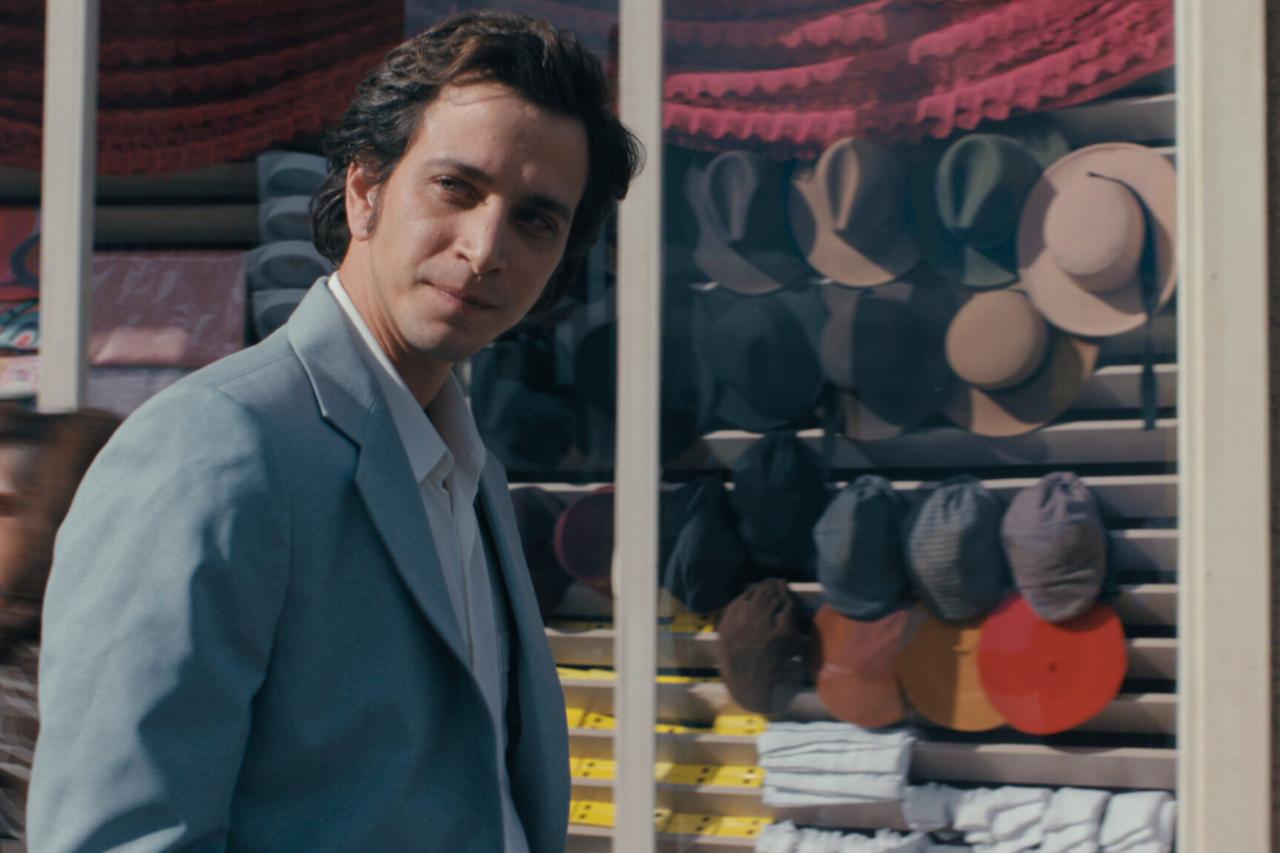


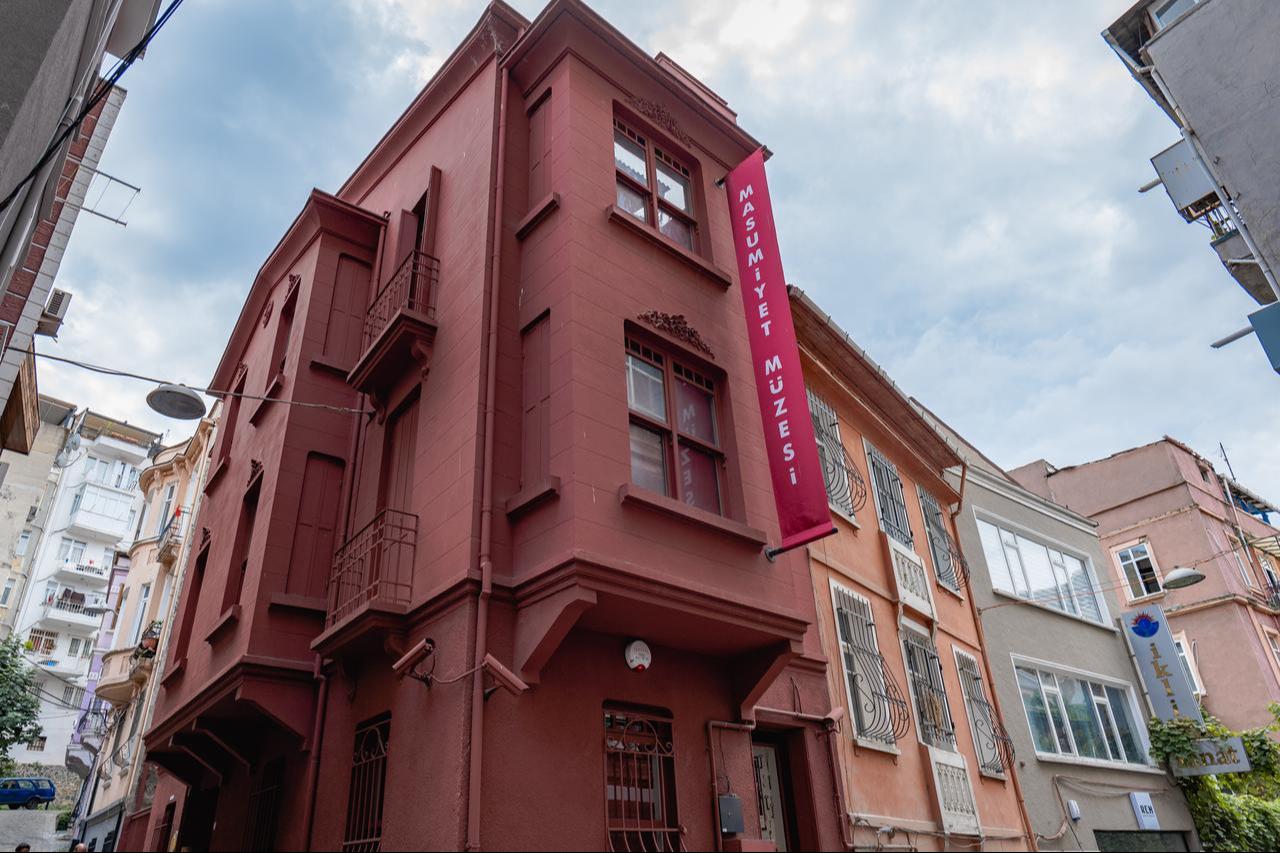
Nobel Prize-winning novelist Orhan Pamuk has said he was taken aback by the level of public attention surrounding the screen adaptation of his novel “The Museum of Innocence,” describing the renewed interest in both the story’s setting and the real-life museum as more intense than he had anticipated.
Speaking to Haberturk in remarks reported by journalist Cetin Kan, Pamuk was seen in Nisantasi, an upscale Istanbul neighborhood that features prominently in the novel. He posed in front of a promotional poster for the series and said the area, which he called his own neighborhood, had been “sparked back into curiosity” because of the show.
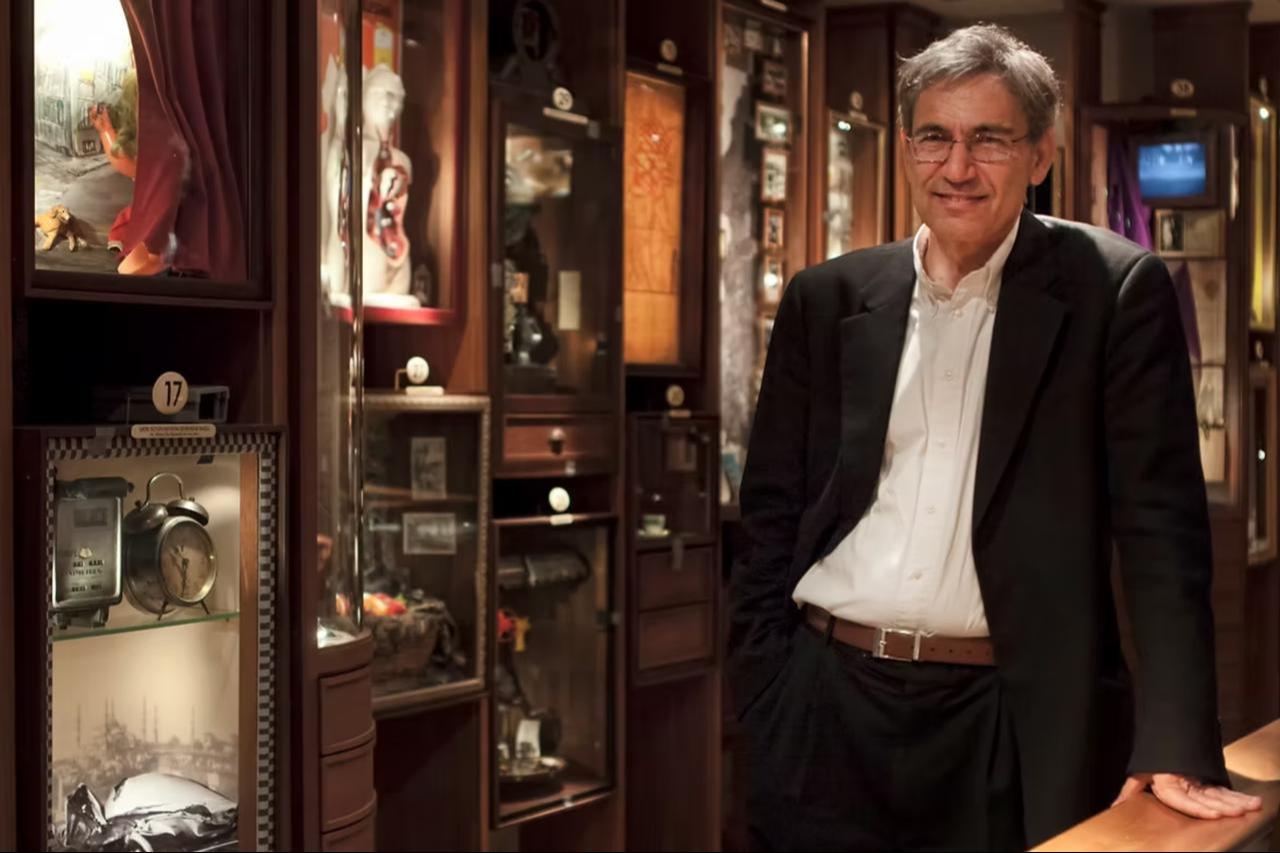

Pamuk said he was pleased with the adaptation and singled out director Zeynep Gunay for trying to bring out the female perspective alongside a love story that, in his view, can appear male-centered. As visitors have kept streaming into the museum, Pamuk said he was still trying to take in the moment, adding: “I did not expect this much.”
He described the project’s evolution as moving from a novel and a museum into what he called a kind of trilogy, with the series now adding a third layer to the overall experience.
Pamuk also addressed the packed turnout at the museum, saying it was impossible not to feel satisfied by the attention, while also noting it had brought on what he described as a moral burden to keep up with expectations. He said he understood that some people were unhappy and treated that reaction as natural.
Linking the current wave to earlier periods of fame, Pamuk said that after he won the Nobel Prize, tours branded around his name had already been set up in Nisantasi, and similar interest had at times built up in Cihangir, another well-known Istanbul neighborhood.
Pamuk said he had reached an agreement to prevent a second season, framing the production as a mini-series, meaning it was designed to end rather than carry on indefinitely.
He said he did not want the story to be “stretched out like rubber,” adding that the decision was shared by all sides and that the script had been written with a level of care he compared to a Shakespeare play.
Pamuk also spoke about a legal dispute tied to an apartment building in Istanbul’s Beyoglu district, where he reportedly owns nine flats. The case centers on his wish to have the building demolished after it was designated as a “risky structure,” a term used in Türkiye for buildings officially assessed as unsafe, typically in the context of earthquake risk and urban renewal.
Pamuk said neither he nor his wife wanted to live in a structurally weak building, and he claimed there were people “after property profits” in the dispute. He added that no one would want to remain in a place the state had effectively warned against occupying, saying they were frightened and left.
Pamuk’s lawyer, Hikmet Gungor, said a fourth expert report had been prepared and that it clearly stated the building should be torn down.
He said he expected the court to lift a precautionary measure blocking action at a hearing scheduled for March 26, which would allow the demolition process to move forward. Based on their estimate, he said the building could be demolished by the end of May.


 Set as preferred source
 Set as preferred source


 2 min read