Sign in
 Newsletters


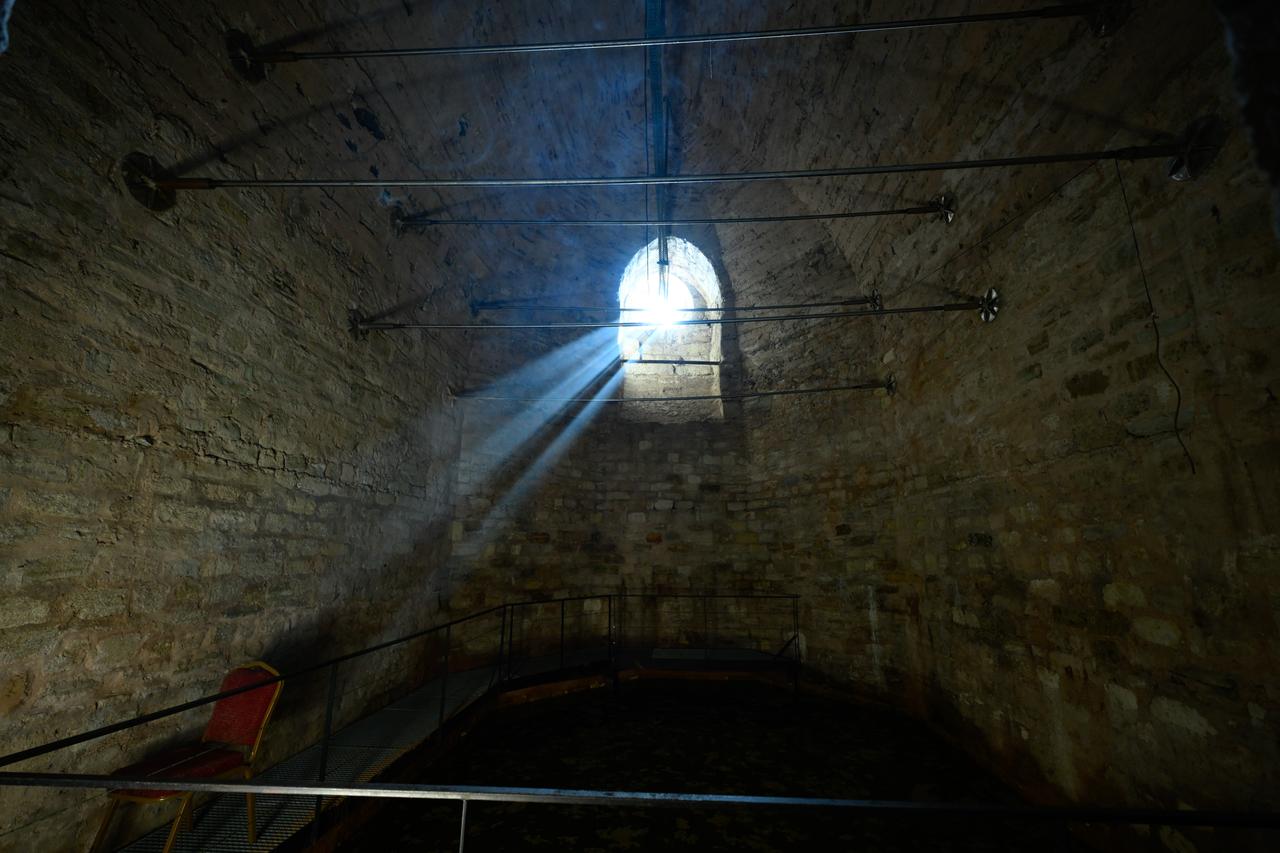


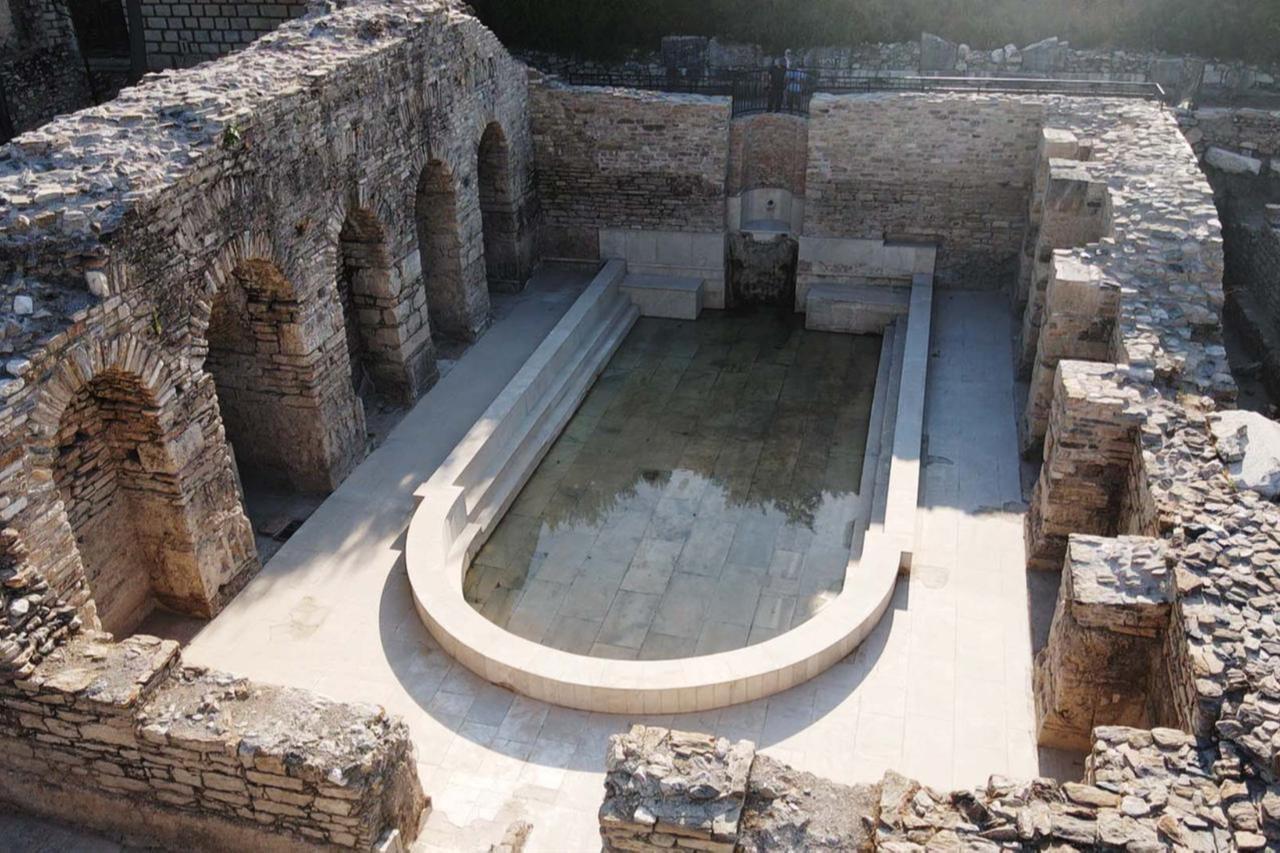
Designed to carry water that collects beneath the Nuruosmaniye Complex to the Golden Horn, the complex having been begun under Sultan Mahmud I and finished under Sultan Osman III, the historic structure, a cistern, has been revived through restoration.
The Nuruosmaniye Cistern was built during the construction of the Nuruosmaniye Complex, initiated by Sultan Mahmud I in 1748 and completed in 1755 during the reign of his brother, Sultan Osman III, following Mahmud I's death.
Constructed to reinforce the sloped ground of the Nuruosmaniye Mosque and discharge accumulated water into the Golden Horn, the structure is regarded as an engineering solution of the Ottoman era.
Until comprehensive restoration work began in the early 2010s, this structure beneath the complex was largely covered in deposits of mud and rubble.
By the end of the restoration, 420 truckloads of sludge and mud had been removed from the cistern, bringing the structure back to light. Today, the Nuruosmaniye Cistern hosts cultural events.
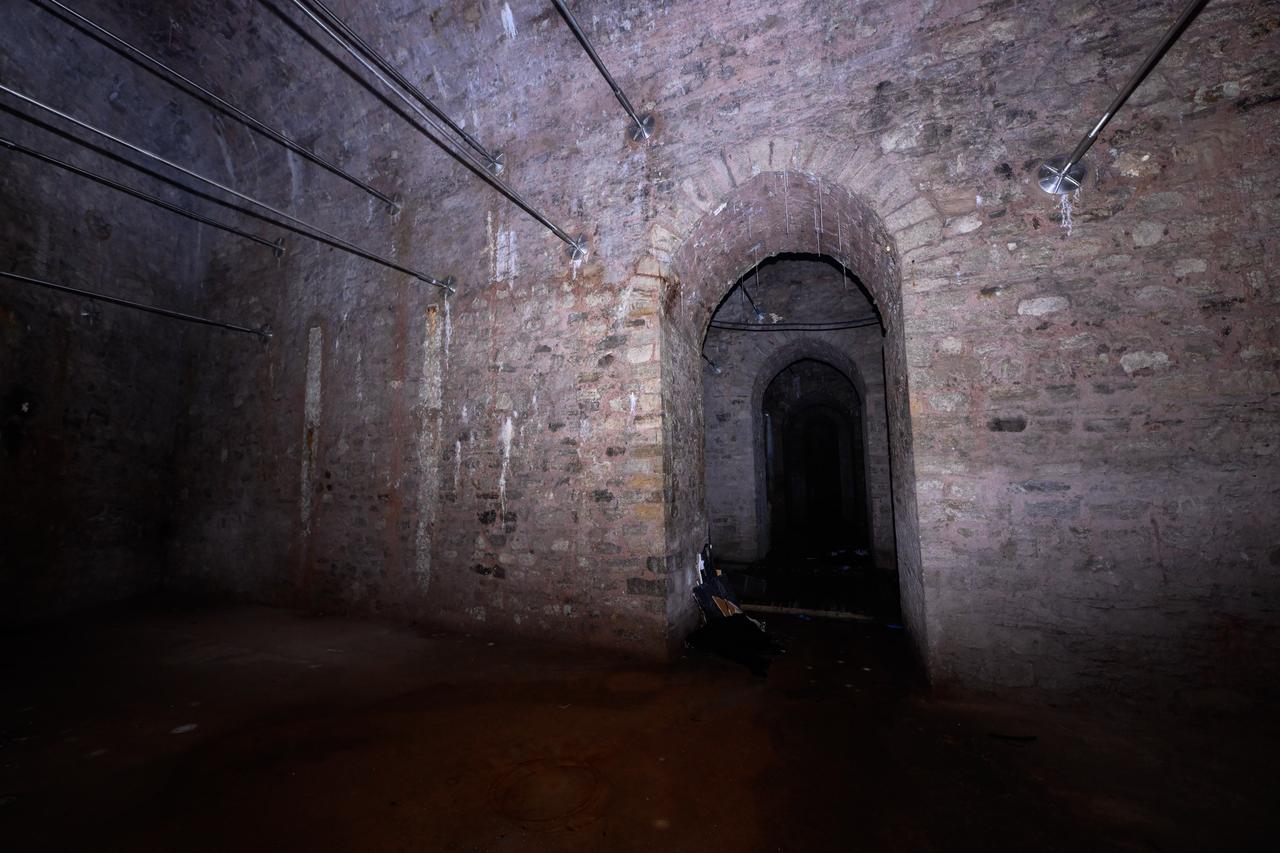

Arzu Ulas, a researcher at the Foundation Culture and Civilization Application and Research Center of Fatih Sultan Mehmet Vakif University, spoke about the Nuruosmaniye Cistern and the place and significance of Istanbul's underground structures in the city's water civilization.
Ulas stated that on the Historical Peninsula, which is surrounded by sea on three sides, the most vital need was access to and storage of water, which is why numerous cisterns surviving to the present day were built across the city.
Noting that they identified cisterns built in Istanbul through Ottoman archival documents and contemporary fieldwork, Ulas said there are 118 cisterns they have identified.
"While some of these were built during the Byzantine period, new additions were constructed and maintenance and repairs were carried out on existing cisterns during the Ottoman era," she said.
"However, we have also determined that 33 of these 118 cisterns are lost today."
Pointing out that the Nuruosmaniye Mosque, Istanbul's first mosque built in the Baroque architectural style, is located on Cemberlitas Hill, Ulas said that under Ottoman urban development policy, social living spaces were also constructed through complexes and neighborhoods established around mosques.
"Therefore, the most critical need in these mosques was naturally water and water storage," she said.
"Cisterns were also built beneath mosques so the public could meet their needs within these complexes. This structure we see today was used as the water cistern of the Nuruosmaniye Mosque."
Emphasizing that Istanbul possesses unique monuments both above and below ground, Ulas continued: "In the ancient city of Istanbul, there are magnificent and rare works of underground water architecture just as impressive as its grand skyline architecture."
"First and foremost, these works are the finest documents and silent witnesses of the empire and the civilizations the city previously hosted," she said.
She said these underground structures are important witnesses reflecting the artistic sensibilities, architectural aesthetics, and engineering marvels of the civilizations of their time. "These structures adorn our city by forming a bridge between the past and the future," she added.
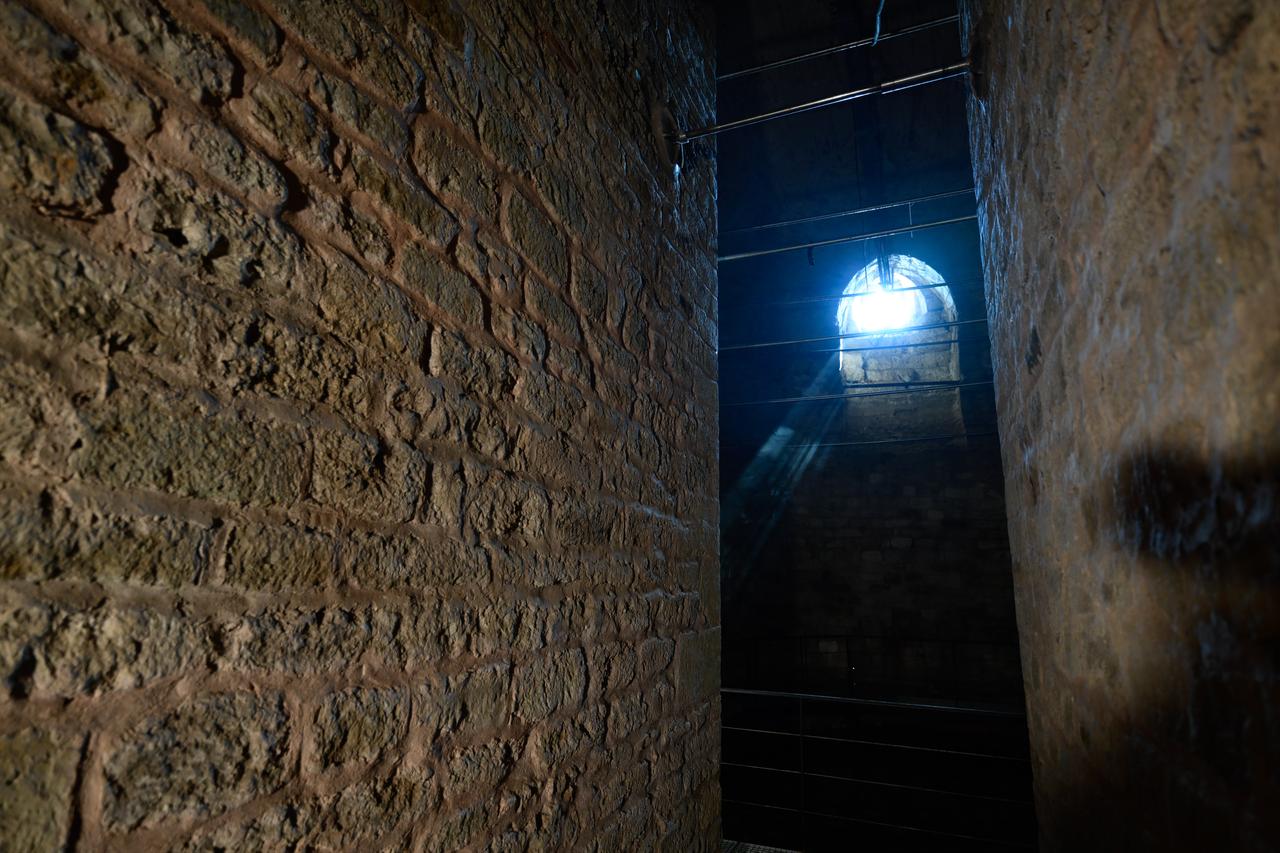
Ulas also shared the difficulties she encountered while documenting and bringing underground historic structures to light.
She said that underground, at the end of narrow passages, one encounters vast, dark structures opening up. "Above all, photographing these holistic structures and illuminating the darkness were among the biggest challenges," she said.
"Despite the difficulties, we carried out this work together with the team by descending into the water-filled ones by boat or diving with scuba gear," she said.
"In this way, we documented both the underwater archaeological layers and the architectural elements of the cisterns one by one."
"In fact, underground architecture is like a mirror connected to surface architecture," Ulas said.
"Seeing water entering from Edirnekapi and feeding a cistern flow out through the kitchens of Topkapi Palace—and the excitement and joy of discovering parts of the waterway carrying this water, even though some sections are lost today—certainly honored me greatly."


 Set as preferred source
 Set as preferred source


 2 min read
 1 min read