Newsletters


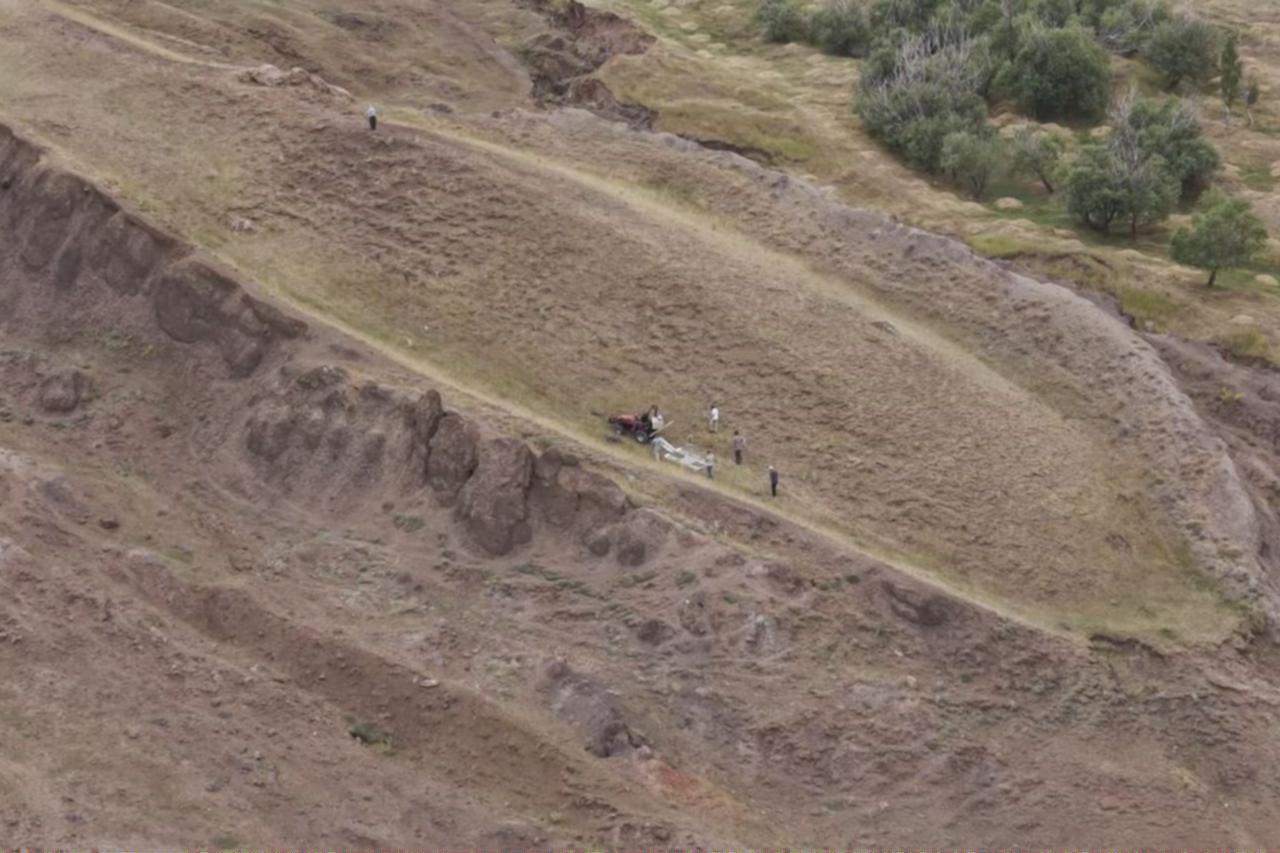


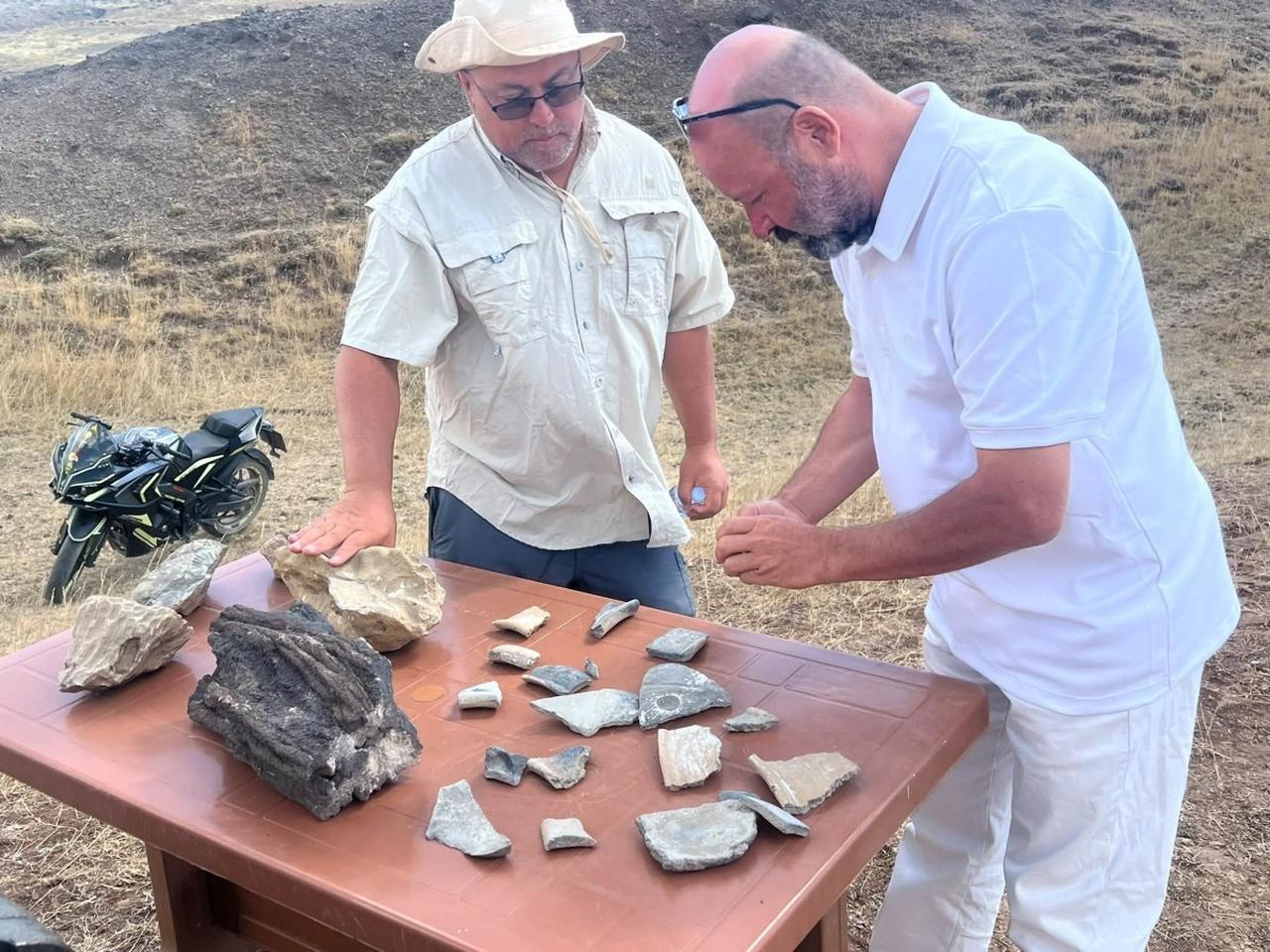
Pottery fragments believed to predate Noah's Flood, as described in religious tradition, have been uncovered during the 2026 research season at the Durupinar formation near Mount Agri (Ararat) in eastern Türkiye.
Soil and core samples collected from the site have been sent for laboratory analysis to determine whether evidence of a wooden structure could be present underground.
The research, led by Professor Cenker Atila of Sivas Cumhuriyet University's Department of Archaeology, wrapped up after around 90 days of fieldwork near Dogubayazit in Agri province.

Atila said researchers would now focus on laboratory testing of organic material and possible wood remains, with carbon dating expected to play a central role in assessing the findings.
"Organic matter and wood remains will provide very important data for us. With the carbon dating we will carry out on the organic materials, we will understand whether there really is a ship here," Atila said.
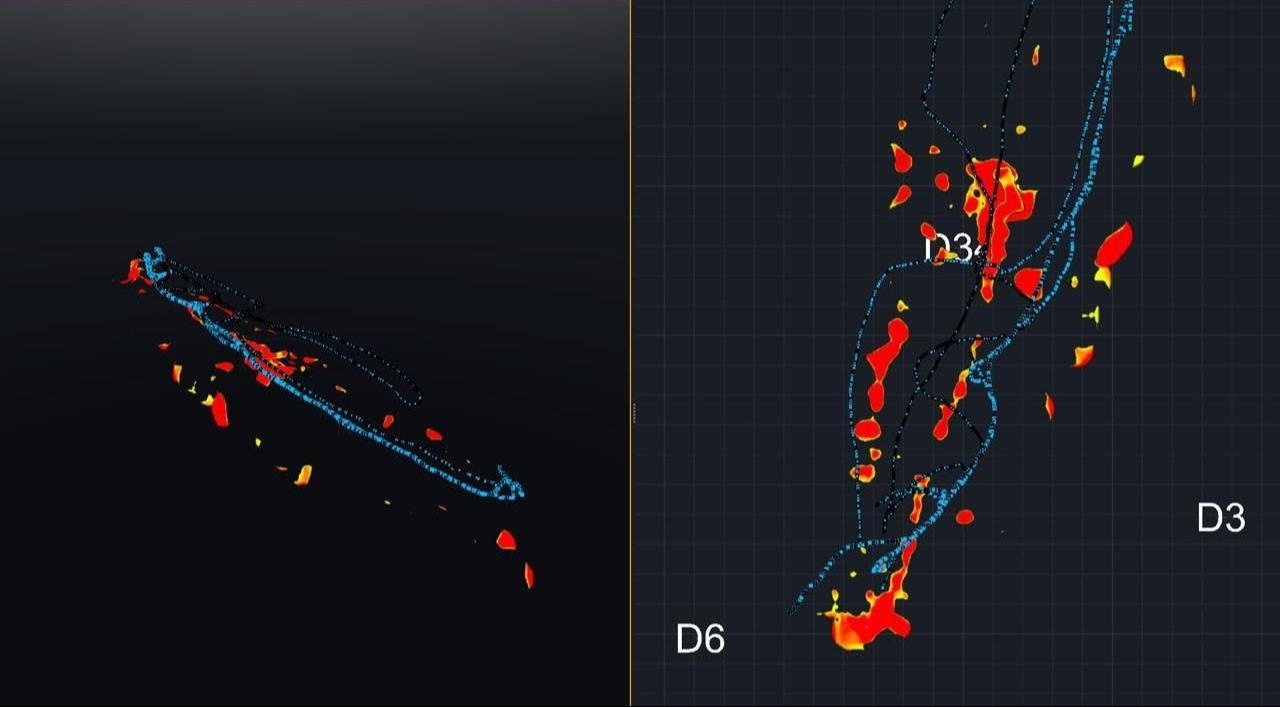
The project brought together 20 scientists from five countries and made use of mapping, GPS systems and two- and three-dimensional surveys before researchers carried out radar scans beneath the ground.
According to Atila, the radar work was particularly important because it helped the team identify areas from which soil samples should be taken.
Researchers ultimately collected around 1,000 soil samples from roughly 150 separate locations across the site.
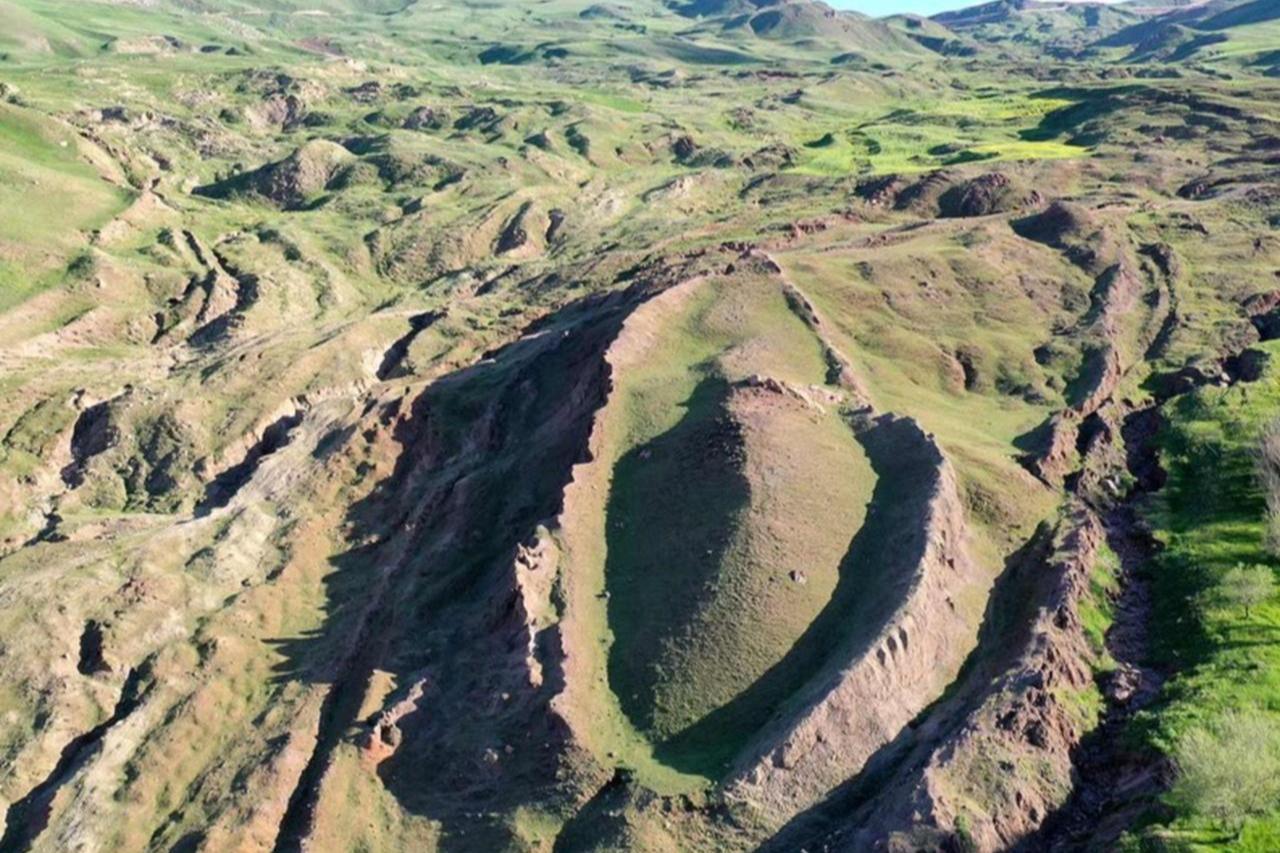
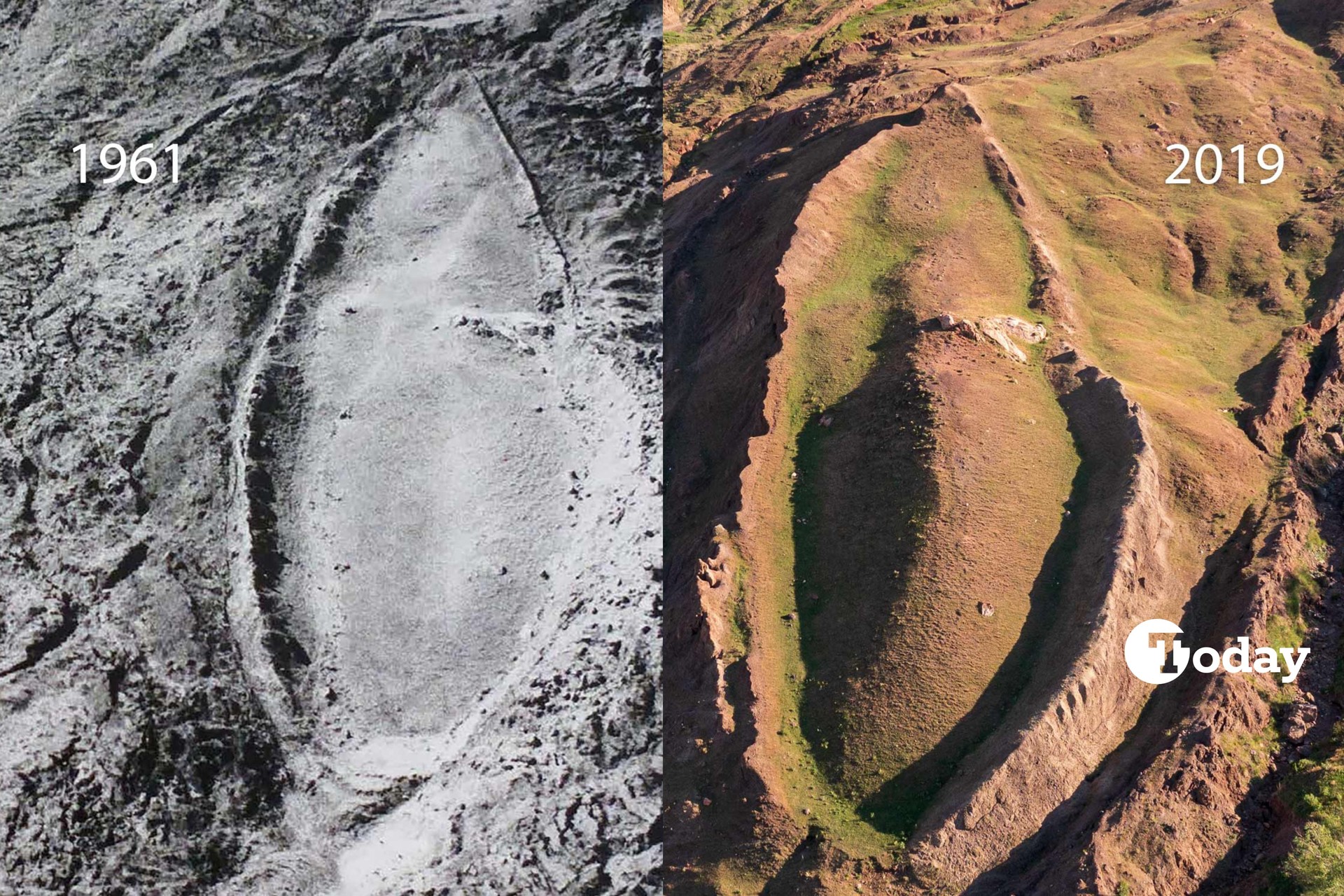
The Durupinar formation is a natural landform near Mount Agri whose outline has drawn attention during research into the possible location of Noah's Ark. The current study is examining whether underground material at the formation could provide physical evidence linked to such a structure.
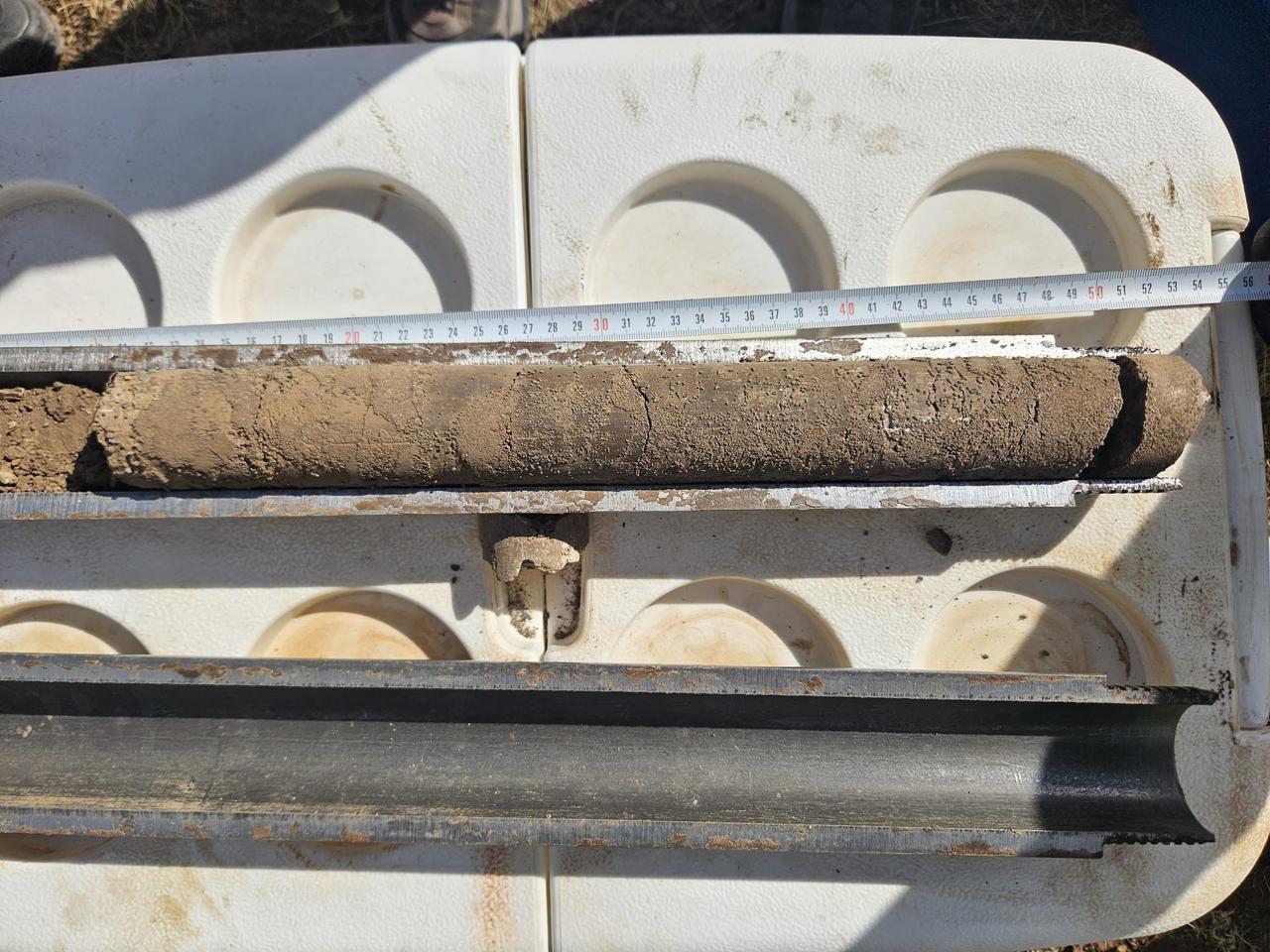
Researchers also uncovered pottery fragments alongside the soil samples that they believe could predate the Flood described in the Noah tradition, though the findings await confirmation through laboratory analysis.
Core samples taken from beneath the ground were also sent to Ankara for examination.
Atila said the team expected the winter analysis to provide clearer evidence and added that the project was planned to continue in the coming years.
"We will reach definitive evidence throughout the winter. If Noah's Ark really exists, we can say that the place is the Durupinar formation," he said.


 Set as preferred source
 Set as preferred source


 1 min read
 1 min read