

 Newsletters


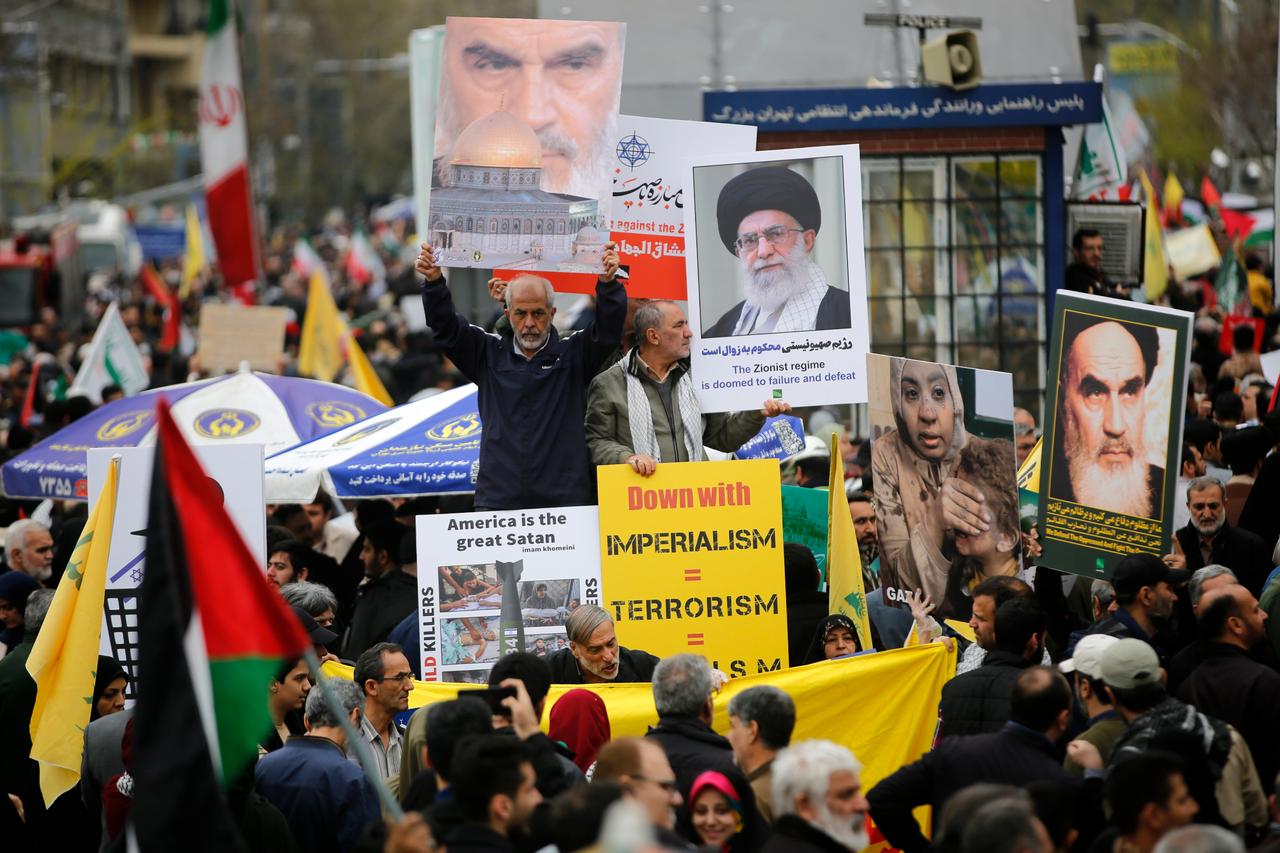


International Quds Day is an annual pro-Palestinian event in Iran observed on the last Friday of the Islamic holy month of Ramadan. The day brings together rallies and demonstrations that express support for Palestinians and opposition to Israel and Zionism, particularly regarding the status of Jerusalem. The name “Quds” refers to al-Quds, the Arabic name for Jerusalem.
First introduced in 1979, shortly after the Iranian Revolution, the event has since spread beyond Iran, with marches and gatherings taking place across parts of the Middle East and in cities in Europe and the U.S.
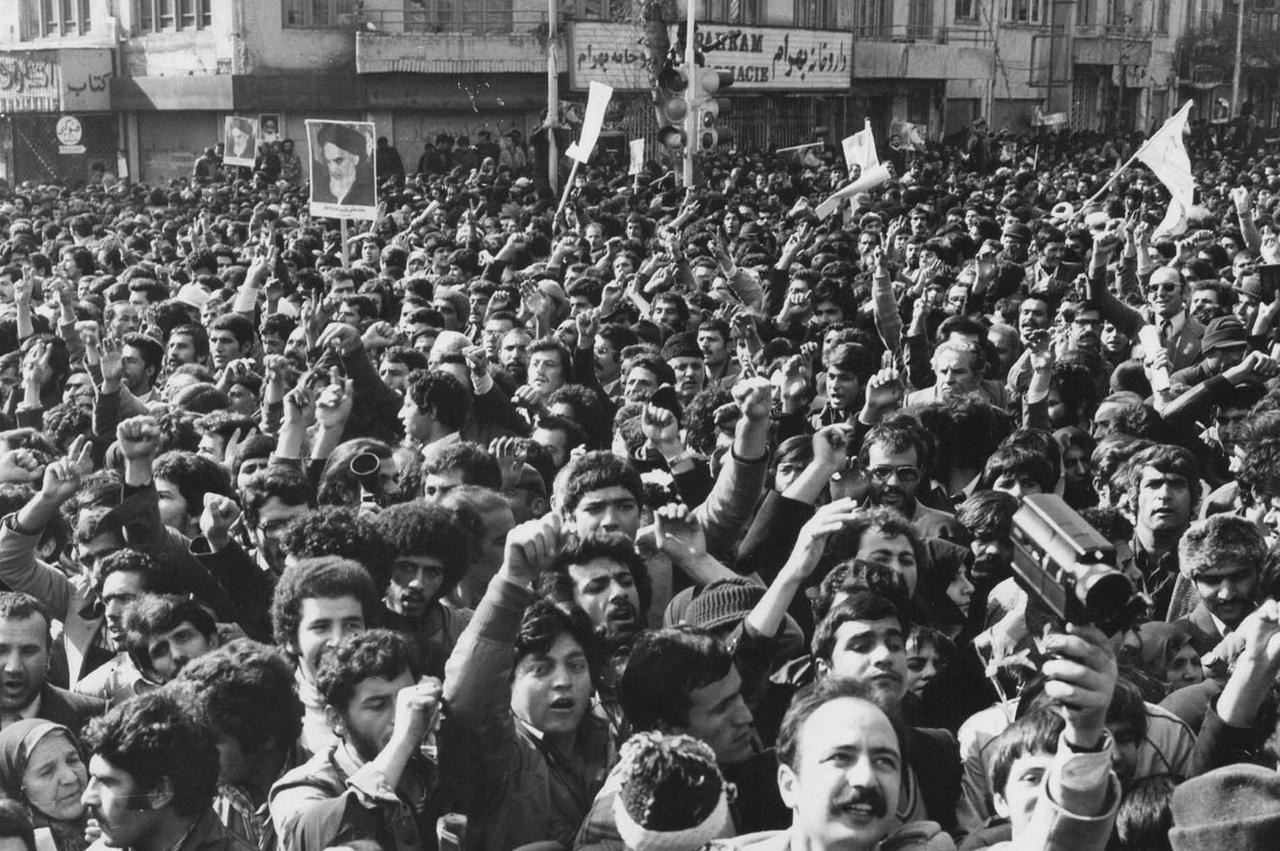

International Quds Day was first proposed by Ebrahim Yazdi, the first foreign minister of the Islamic Republic of Iran, and later adopted by revolutionary leader Ruhollah Khomeini. On Aug. 7, 1979, Khomeini formally declared that the last Friday of Ramadan would be observed worldwide as Quds Day.
Khomeini framed the initiative as a global call for Muslim solidarity with Palestinians and opposition to Israeli control over Jerusalem. In his announcement, he invited Muslims worldwide to mark the day and demonstrate support for what he described as the legitimate rights of Palestinians.
Senior Iranian clerics later described participation in Quds Day as a religious act intended to unite Muslims around a shared cause.
The event also developed partly in contrast to Jerusalem Day, an Israeli national holiday commemorating Israel’s control of East Jerusalem during the 1967 Arab-Israeli War.
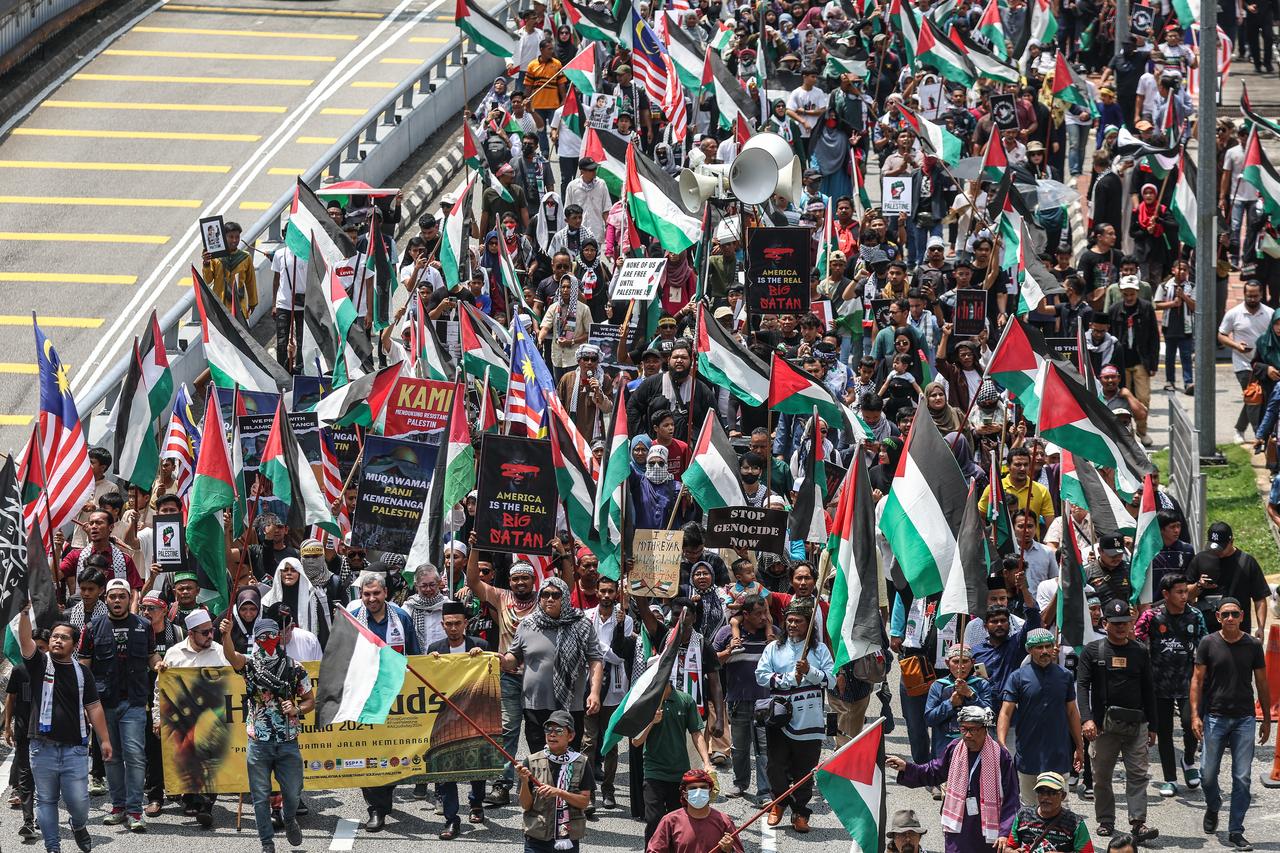
Over the decades, Quds Day demonstrations have expanded beyond Iran. Events are held in several countries in the Muslim world, including Lebanon, Iraq, Syria, and Palestine.
In Lebanon, some groups often mark the occasion with large public rallies and military displays. Jordan has observed the day through academic conferences hosted at universities.
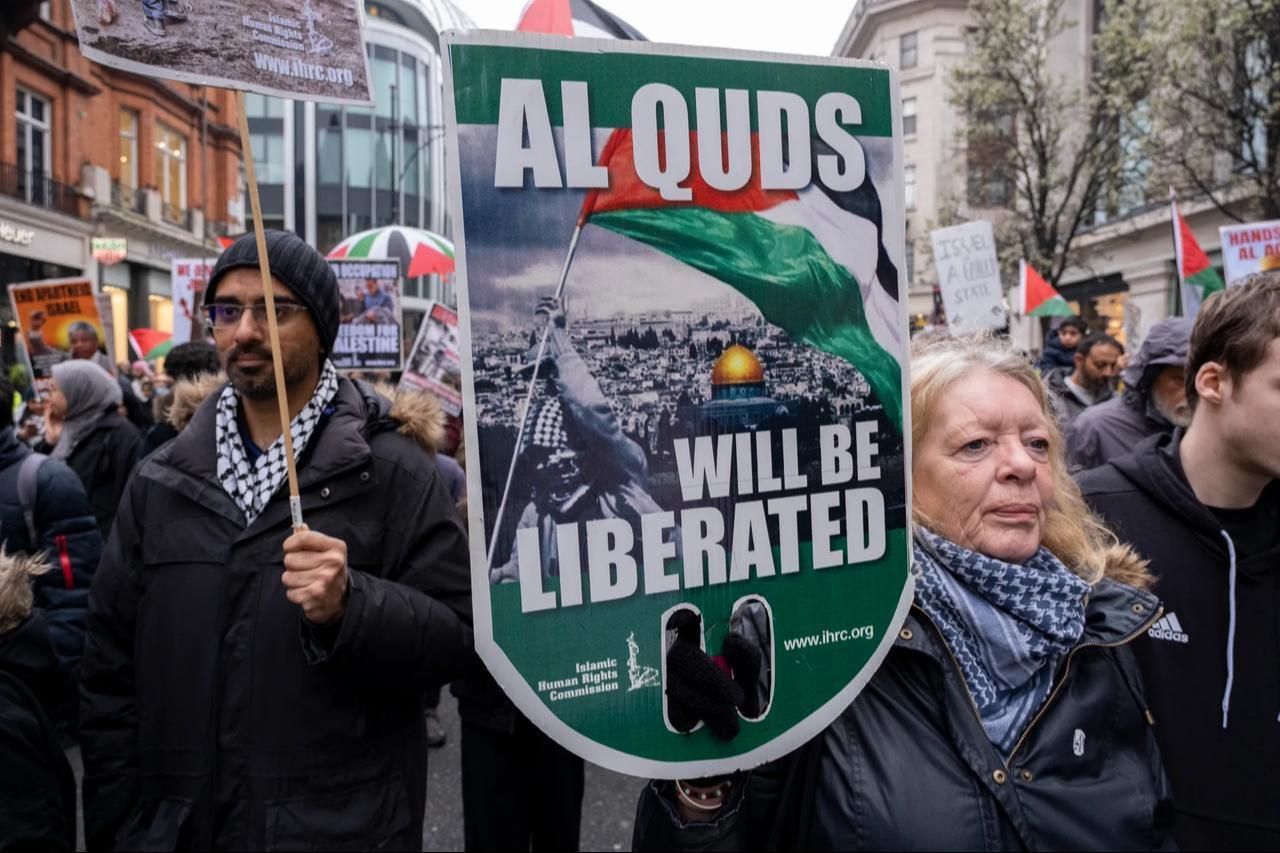
Outside the Middle East, demonstrations have also taken place in European and U.S. cities. Past rallies have occurred in London, Berlin, and multiple cities across the United States, as well as in parts of Southeast Asia.
Despite the global presence of these protests, reporting by the sources suggests that the observance remains closely tied to Iran and has not become a widely rooted tradition across the broader Muslim world.
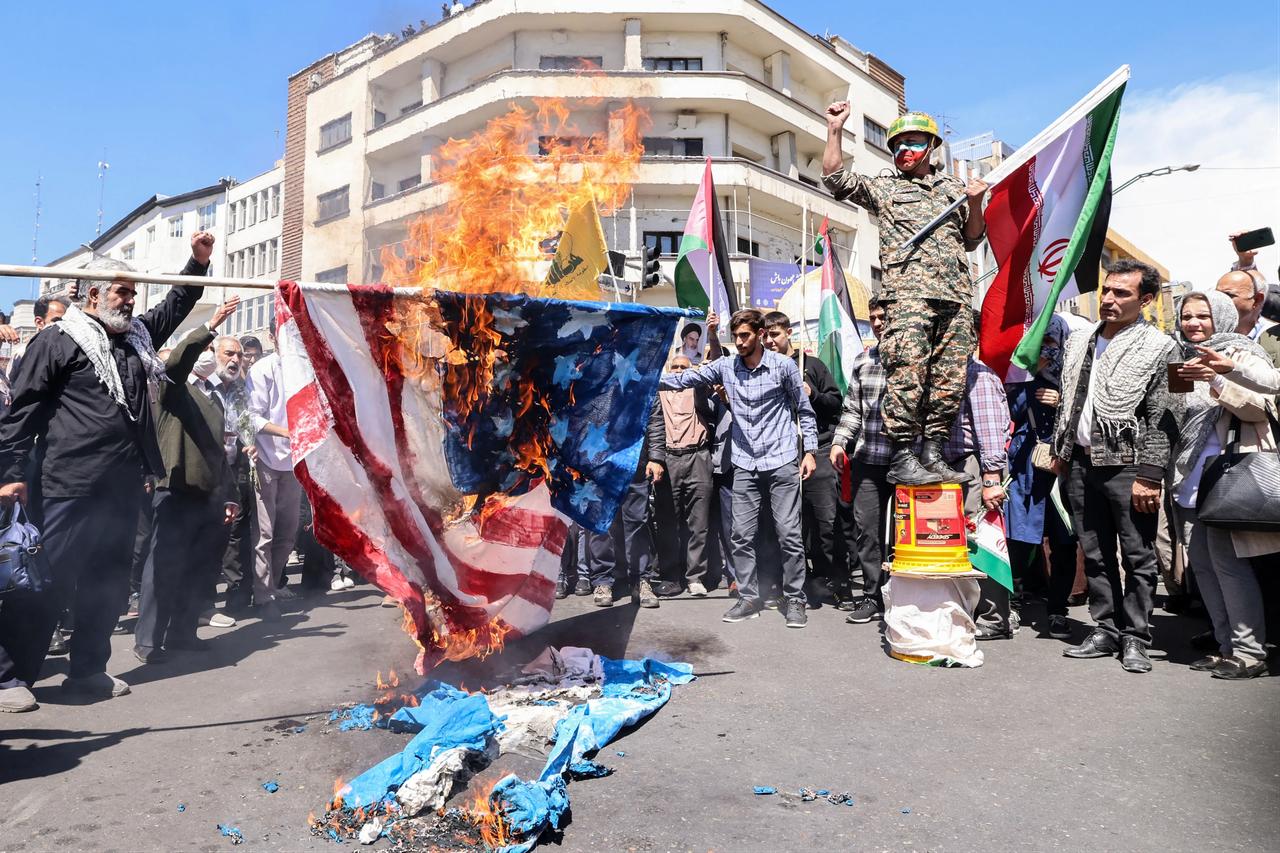
In Iran, Quds Day is organized by the government and typically includes large marches, political speeches, and cultural events. Posters featuring Jerusalem often appear in public spaces, while speeches by Iranian leaders strongly criticize Israel and the United States.
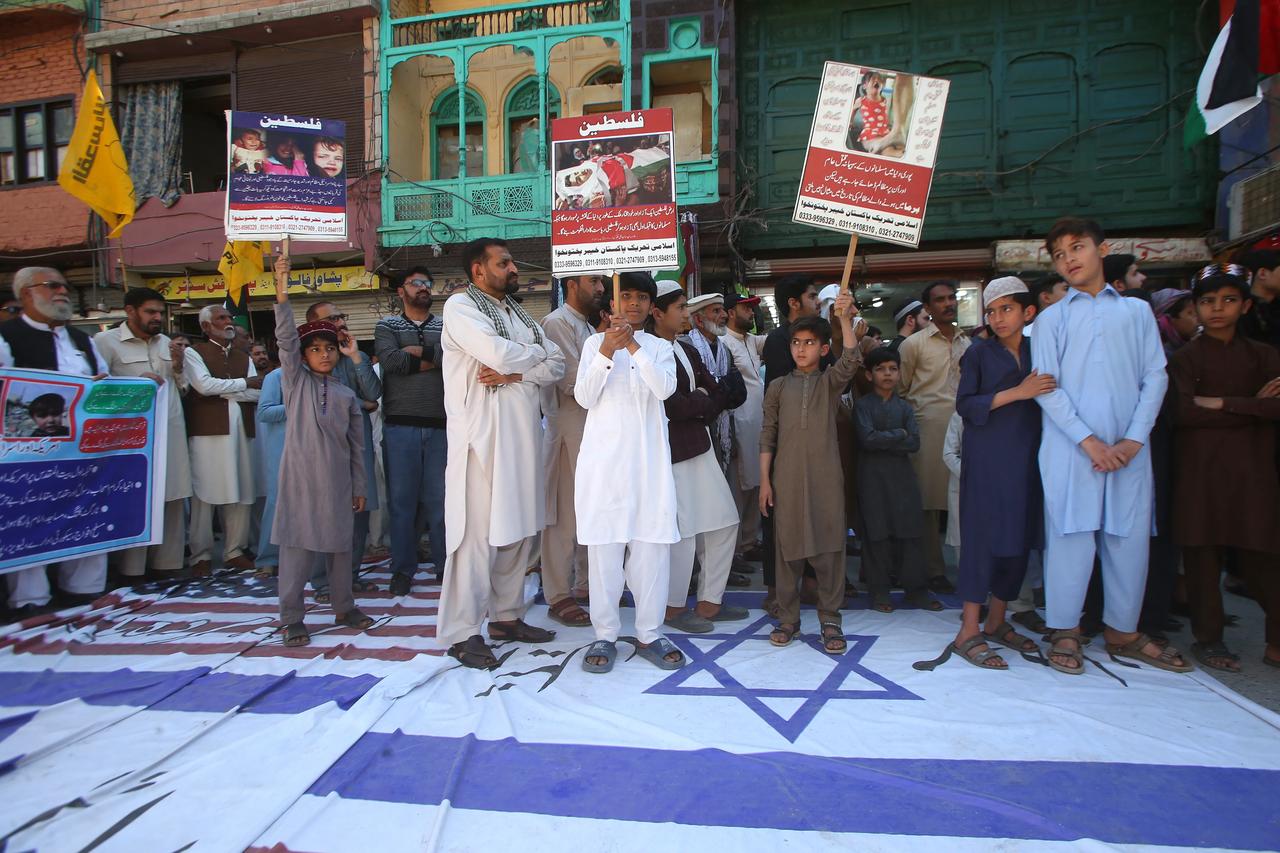
Crowds at these rallies have frequently chanted slogans such as “Death to Israel” and “Death to America,” and demonstrations have sometimes included burning or trampling Israeli flags.
In 2020, the event was held virtually for the first time due to the COVID-19 pandemic.
Analysts note that participation among younger Iranians continues, although some reports suggest that many young people privately view the issue as less relevant to domestic concerns.
 1 min read

In March 2026, the United Kingdom banned the International Quds Day march in London after the Metropolitan Police warned that the event could lead to serious public disorder. A British justice minister described expressions of support for Iran’s Islamic Revolutionary Guard Corps and its affiliated groups as “anti-British,” arguing that marches promoting hostility should not take place on London’s streets.
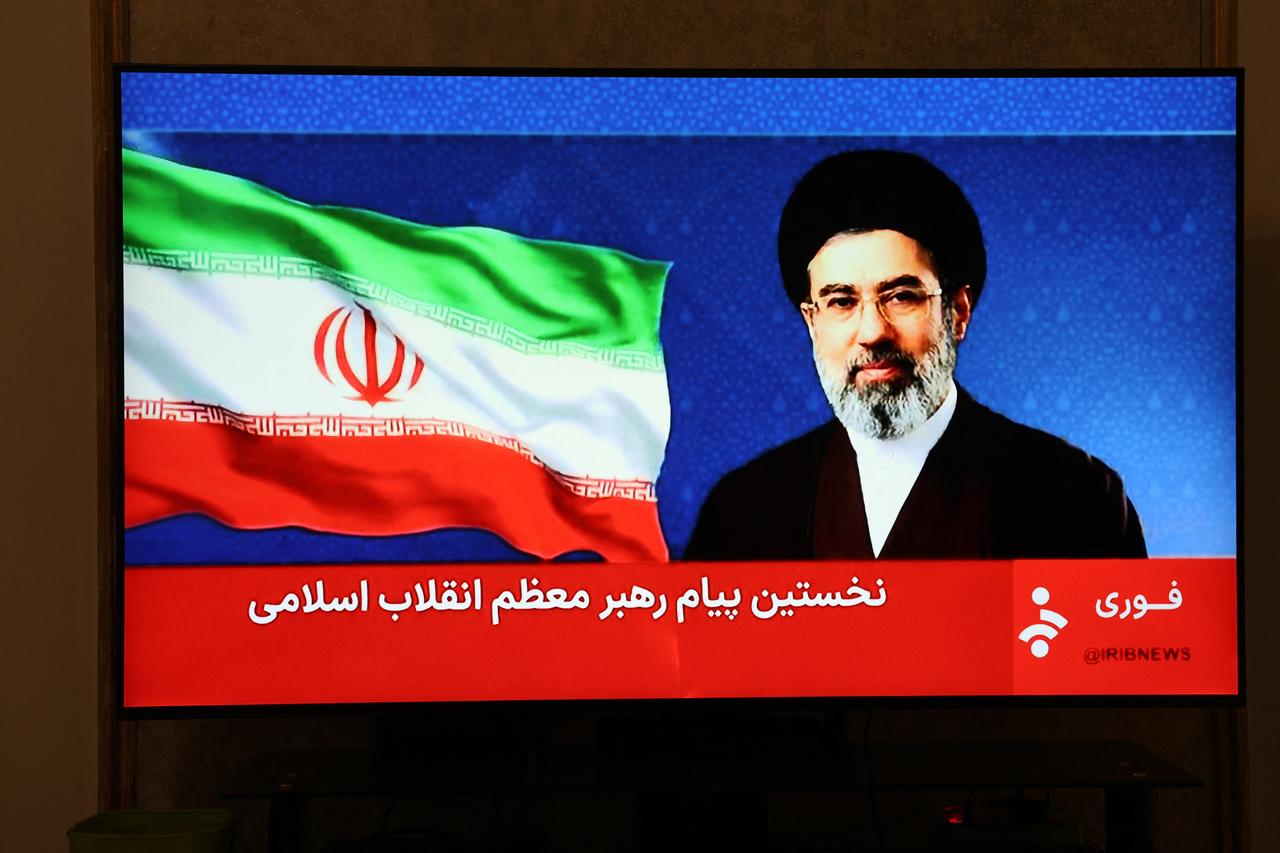
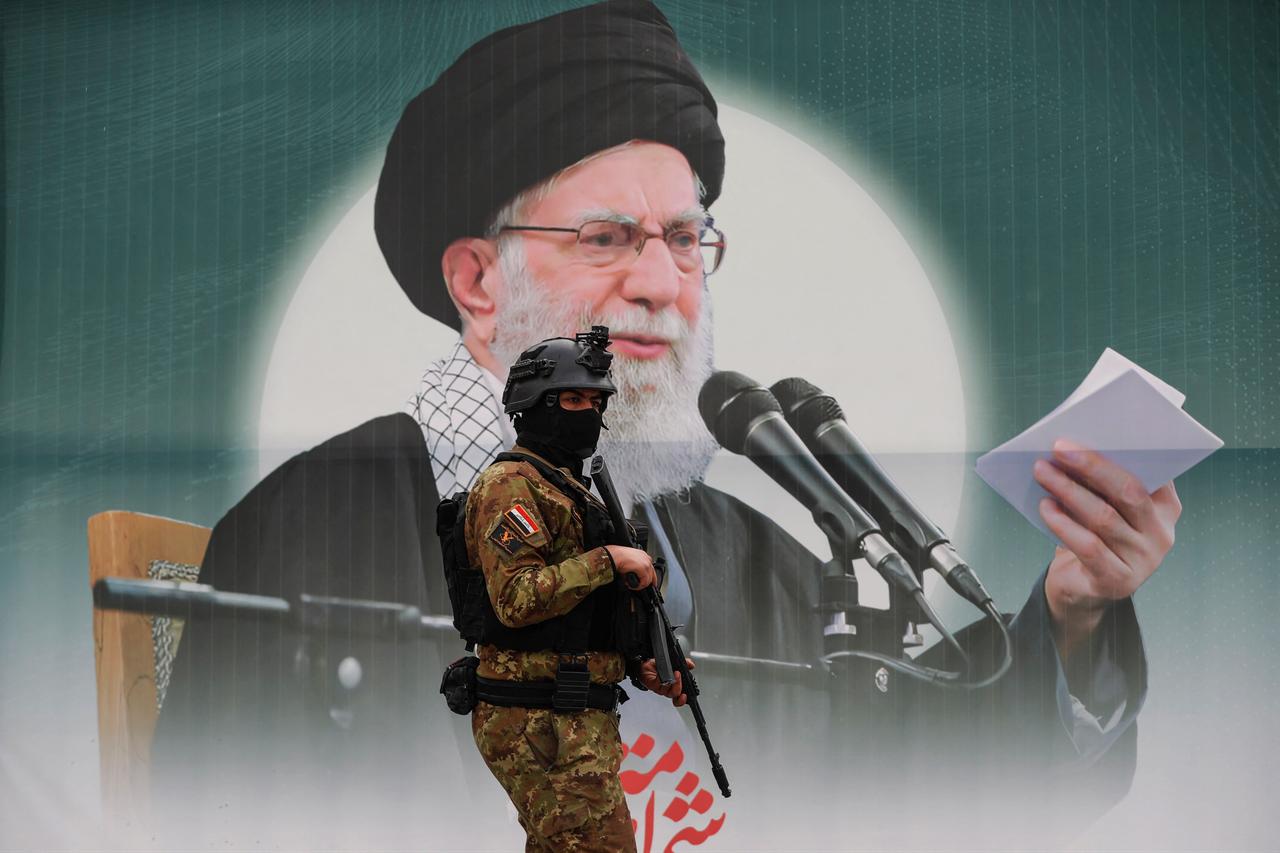
The controversy also intensified after organizers praised Iranian Supreme Leader Ali Khamenei, who had been killed earlier during the 2026 Iran war following U.S. and Israeli strikes.


 Set as preferred source
 Set as preferred source


 1 min read


