

 Newsletters




The early phase of the U.S.–Israel war against Iran has produced a familiar but complex pattern often seen in modern conflicts: overwhelming tactical superiority, on one side, yet no decisive strategic outcome, on the other. While the United States and Israel have demonstrated their ability to strike Iranian military infrastructure with precision and scale, the conflict’s broader dynamics suggest that neither side has yet secured a definitive victory.
In military terms, Washington and Tel Aviv have inflicted serious damage on Iran’s strategic capabilities. Airstrikes targeting missile facilities, naval assets, and military infrastructure have demonstrated the technological and operational advantage of the U.S. and Israeli militaries. But wars are rarely decided by battlefield destruction alone. Strategic victory depends on whether military operations achieve political objectives, and by that standard, the current war remains unresolved.
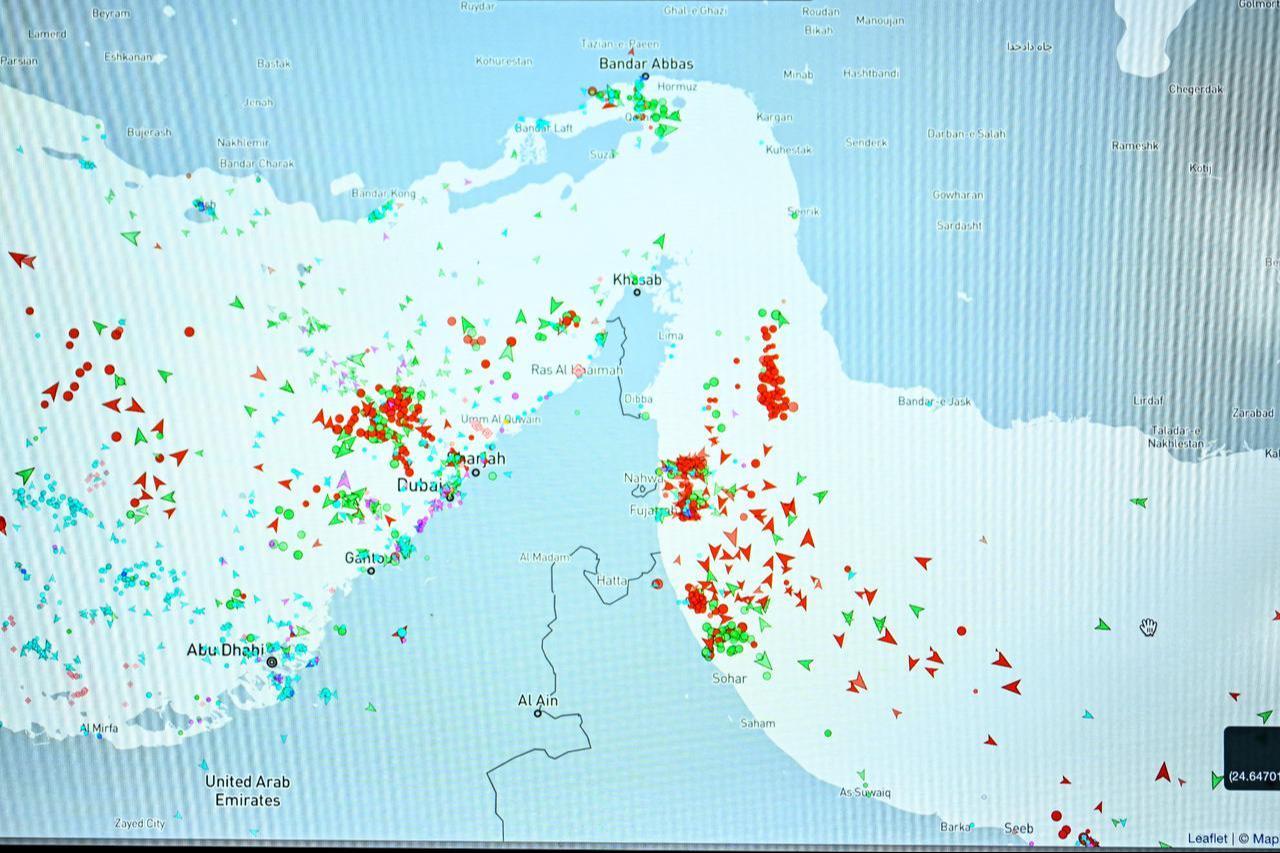
One of the most significant developments in the past 24 hours illustrates this paradox. Despite sustained military pressure, Iran continues to demonstrate an ability to retaliate and disrupt global systems, particularly in the energy and maritime domains. Attacks on commercial shipping in the Persian Gulf and the Strait of Hormuz continue, with several vessels struck or damaged since the conflict began. The Strait of Hormuz is one of the world’s most critical energy chokepoints, carrying roughly a fifth of global oil and gas shipments. Even limited disruptions there can ripple across global markets.
Recent reports indicate that tankers and other vessels have been targeted in Gulf waters, while journalist-verified imagery shows drone strikes hitting fuel infrastructure in the region. These incidents highlight Iran’s continued ability to impose asymmetric pressure despite suffering damage to its own military infrastructure. In strategic terms, Iran does not need to defeat the United States militarily to influence the outcome of the war—it only needs to raise the cost of the conflict high enough to complicate Washington’s political objectives.
Already, the conflict’s economic consequences stand out as a defining feature of the war. Oil prices surged above $100 per barrel as attacks on shipping and energy infrastructure intensified. The price spike has triggered one of the most significant emergency energy responses in recent history. The International Energy Agency is now proposing the coordinated release of roughly 400 million barrels from strategic petroleum reserves, an unprecedented intervention intended to stabilize global markets.
Such a measure underscores the scale of the disruption. Strategic petroleum reserves are typically deployed during severe supply shocks or major geopolitical crises. Their use in this conflict reflects the extent to which the war has begun to destabilize global energy markets.
For Iran, this dynamic may represent one of its most effective strategic tools. Tehran has long understood that it cannot match the U.S. and Israel in conventional military power. Instead, its doctrine emphasizes asymmetric leverage: missile attacks, proxy forces, maritime disruption, and the manipulation of energy chokepoints.
The Strait of Hormuz sits at the center of Iran’s strategy. Even the threat of disruption there can force global markets to react. The current wave of attacks on ships illustrates how relatively limited operations can create outsized economic consequences.
This asymmetry also explains why the conflict cannot be measured solely in terms of destroyed infrastructure. Iran’s military capabilities may have been degraded, but they have not been eliminated. Missile launches, drone attacks, and maritime operations continue to occur across the region. If Iran retains the ability to retaliate and impose costs, it remains a strategic actor rather than a defeated one.

Another dimension of the war’s unresolved nature is the growing financial burden on the United States. According to Pentagon estimates cited by the Associated Press, the conflict has already cost the U.S. roughly $11.3 billion in its first week alone. This figure includes operational costs, missile intercepts, naval deployments, and logistical expenditures across the region.
Modern high-intensity warfare is extraordinarily expensive, particularly for technologically advanced militaries. Precision weapons, missile defense systems, and carrier strike group deployments carry enormous costs. While the U.S. has the economic capacity to sustain such spending, the financial toll becomes politically significant if the conflict drags on without producing a clear strategic result.
The war’s political narrative has also become increasingly contested. President Donald Trump has suggested that the United States has already achieved a form of victory, citing the damage inflicted on Iranian military capabilities. Such statements reflect a common dynamic in wartime politics, where governments seek to frame battlefield successes as broader strategic achievements.
Yet the persistence of Iranian retaliation complicates such narratives. The continued targeting of shipping, the spike in oil prices, and the need for global energy interventions all suggest that Iran’s capacity to shape the battlefield has not been fully neutralized.
The gap between tactical success and strategic outcome lies at the heart of the current war. The U.S. and Israel possess overwhelming military superiority. Their forces can strike targets across Iran and the wider region with precision and speed. But strategic victory requires more than battlefield dominance—it requires altering the adversary’s behavior or eliminating its capacity to resist.
So far, neither outcome has occurred.
At the moment, Iran’s leadership appears willing to absorb damage while continuing to impose costs through indirect means. This approach reflects the long-standing Iranian doctrine of strategic patience, according to which the regime prioritizes endurance over immediate battlefield success. By sustaining retaliation and economic disruption, Tehran seeks to transform the conflict into a war of attrition.
Wars of attrition tend to favor actors that can tolerate prolonged instability and economic strain. Iran, already accustomed to decades of sanctions and economic pressure, may believe it has a higher tolerance for sustained hardship than Western democracies.
At the same time, the U.S. faces its own strategic calculations: Washington must balance military escalation with the risk of regional destabilization, rising oil prices, and domestic political pressure. A prolonged war that drives energy costs higher could produce global economic consequences far beyond the battlefield.
For now, the conflict remains in a state of strategic ambiguity. The U.S. and Israel dominate the military domain, but Iran retains enough capability to disrupt global systems and prolong the conflict. Each side possesses tools that prevent the other from claiming a decisive victory.
The result is a war defined not by a clear winner, but by a continuing contest of endurance.
The current war will remain unresolved until one side can either eliminate the other’s ability to retaliate or impose political conditions that force a strategic concession. As the past 24 hours have shown, the balance between tactical dominance and strategic resilience continues to define the conflict.
For the moment, the most accurate conclusion is the most obvious: the war has inflicted enormous damage, raised global economic stakes, and demonstrated the limits of military power—but it has not yet produced a clear winner.


 Set as preferred source
 Set as preferred source


 1 min read



 1 min read


