Newsletters


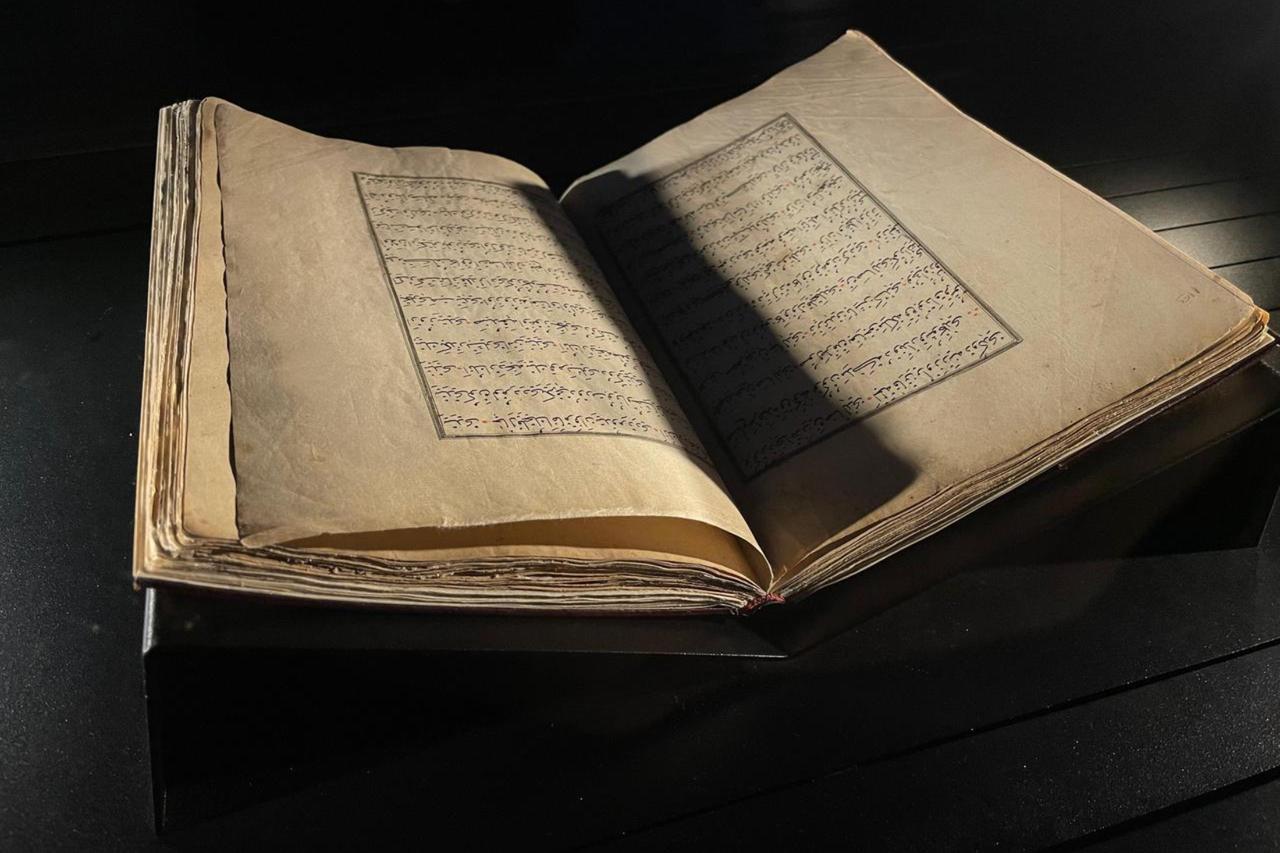


The original “Bursa Manuscript” of the Book of Dede Korkut, one of the foundational works of Turkic cultural heritage, is now on display at the Muradiye Manuscripts Museum in Bursa and is expected to be included in UNESCO’s Intangible Cultural Heritage List later this month.
The manuscript, which came to light after a collector unknowingly donated it, has emerged as one of the rare surviving written copies of the epic tradition. Officials say the application process for UNESCO recognition has been completed and that a positive response is anticipated.
The Book of Dede Korkut contains stories that convey the moral values, beliefs, heroic traditions, and social codes of early Turkic communities. Originally transmitted through oral storytelling between the 9th and 11th centuries, the narratives were written down centuries later.
The Bursa Manuscript represents one of only five known written copies of the work worldwide. Earlier manuscripts were known primarily through the Dresden and Vatican copies, as well as versions held by the Turkish Historical Society and a manuscript discovered in Gunbed.
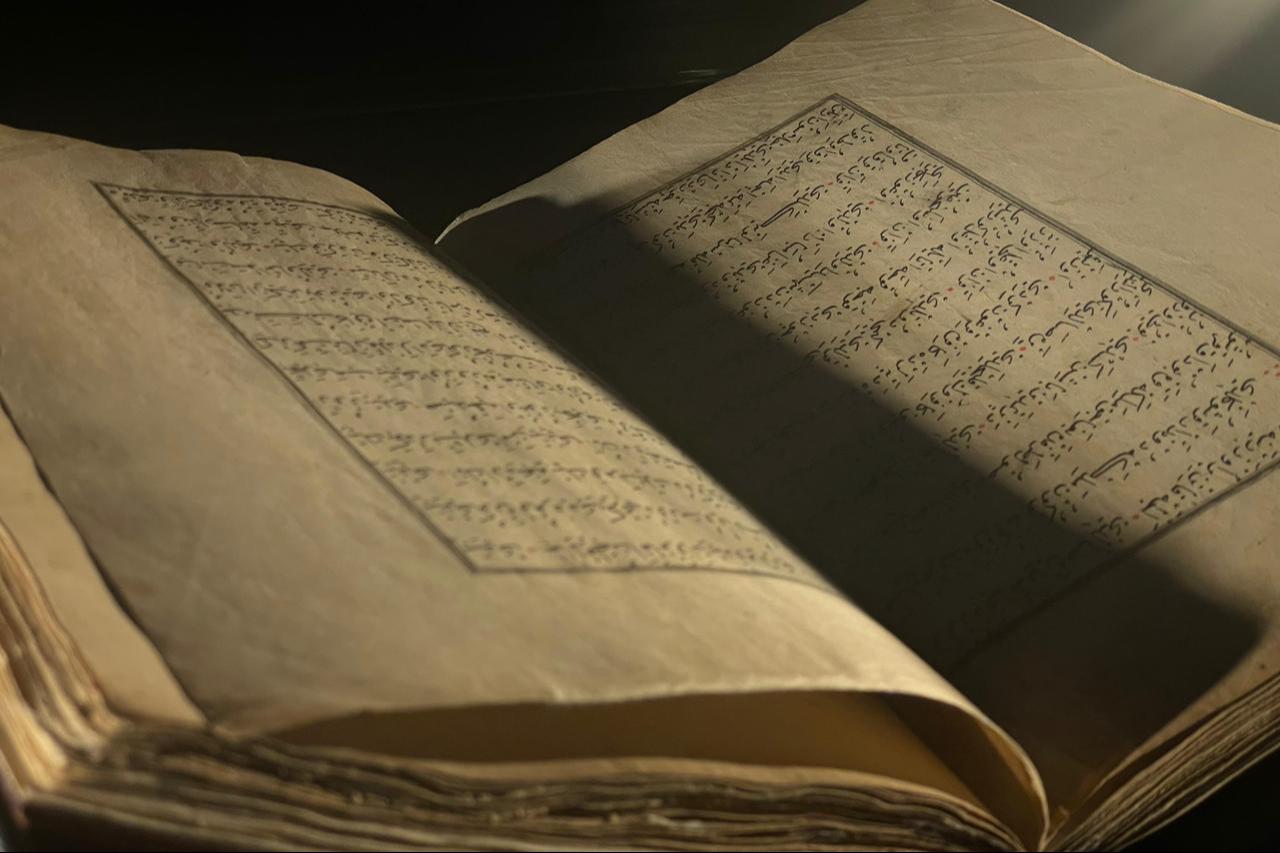
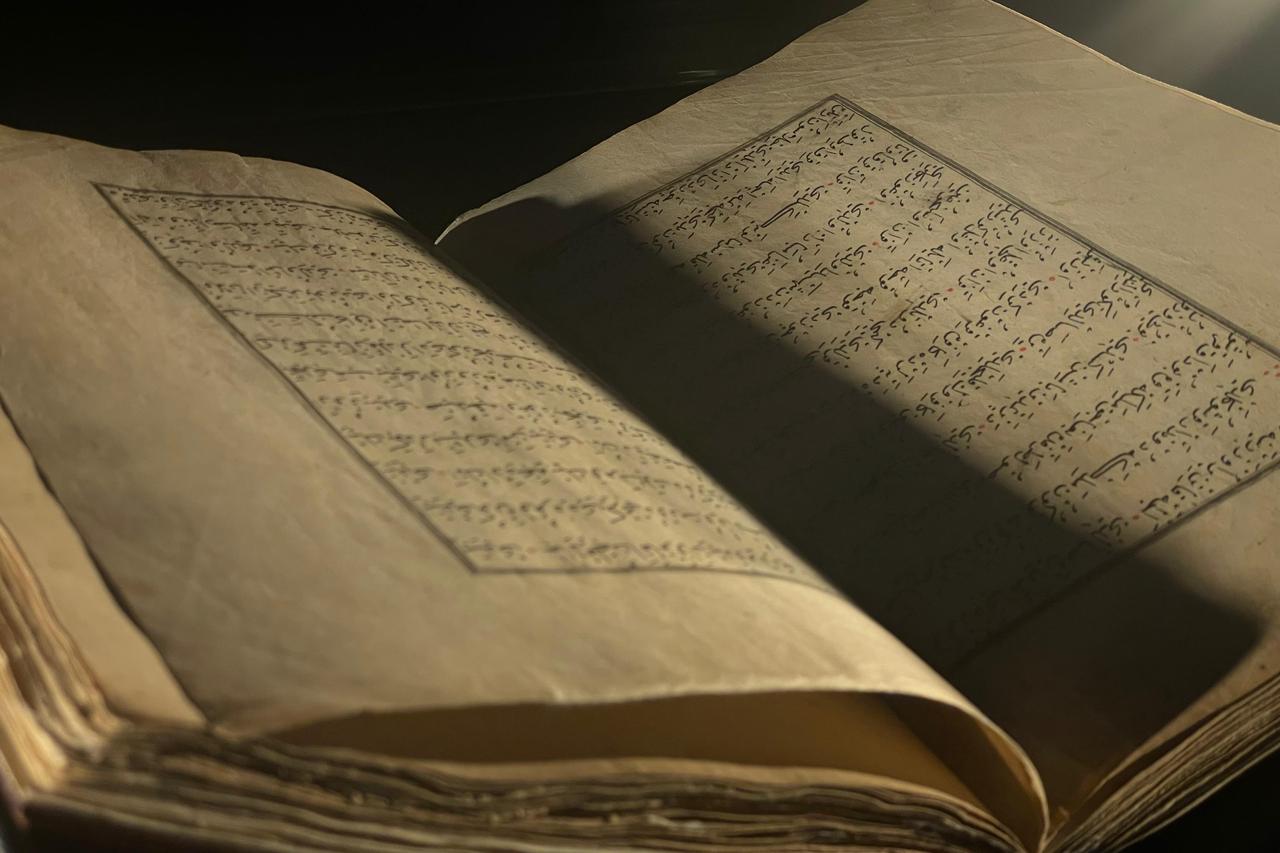
Consisting of 238 pages, the Bursa manuscript contains 12 stories written with diacritical marks that clarify pronunciation. Scholars describe these marks as especially valuable because they help researchers better understand how certain words and phrases were originally read and interpreted.

According to Guney Ozkilinc, head of Bursa Metropolitan Municipality’s Department of Urban History, Promotion, and Tourism, the manuscript surfaced through a chance encounter.
Antique dealer Ibrahim Koca reportedly came across several books while visiting the home of an imam in the rural Fadilli neighborhood near Lake Uluabat. Without knowing their significance, he acquired the volumes and later donated some of them to the Bursa City Museum.
The significance of the manuscript emerged only later when a collector identified it as an original copy of the Book of Dede Korkut. As Ozkilinc explained, “The story begins at that point. In this way, the Dede Korkut manuscript was effectively brought to Bursa, to Türkiye, and to the world as the Bursa Manuscript.”
Researchers later examined the manuscript in detail. Scholar Nil Baydar analyzed the paper and watermark and dated the material to the 16th century, while the text itself is believed to have been written in the early 1600s.
The manuscript closely resembles the Dresden version but contains distinctive features. One of the most notable is the use of vowel markings, which allow scholars to determine how certain words were pronounced.
Following restoration and academic examination, the text was prepared for modern readers. A translation into accessible language was produced under the leadership of Bursa Metropolitan Municipality by Professor Ferruh Agca, with contributions from Professor Osman Fikri Sertkaya.
A limited print edition of 1,000 copies was produced and distributed primarily to universities, researchers, and diplomatic missions of Turkic republics.
At the Muradiye Manuscripts Museum, the manuscript is now displayed in a specially designed exhibition space. Visitors can view the original work while also stepping into a digital room that presents a short multimedia introduction explaining the stories and their historical background.
The museum display combines the manuscript with a digital presentation developed by artist Hakan Yilmaz and Professor Evrim Olcer. The multimedia installation introduces visitors to the epic’s themes and historical context.
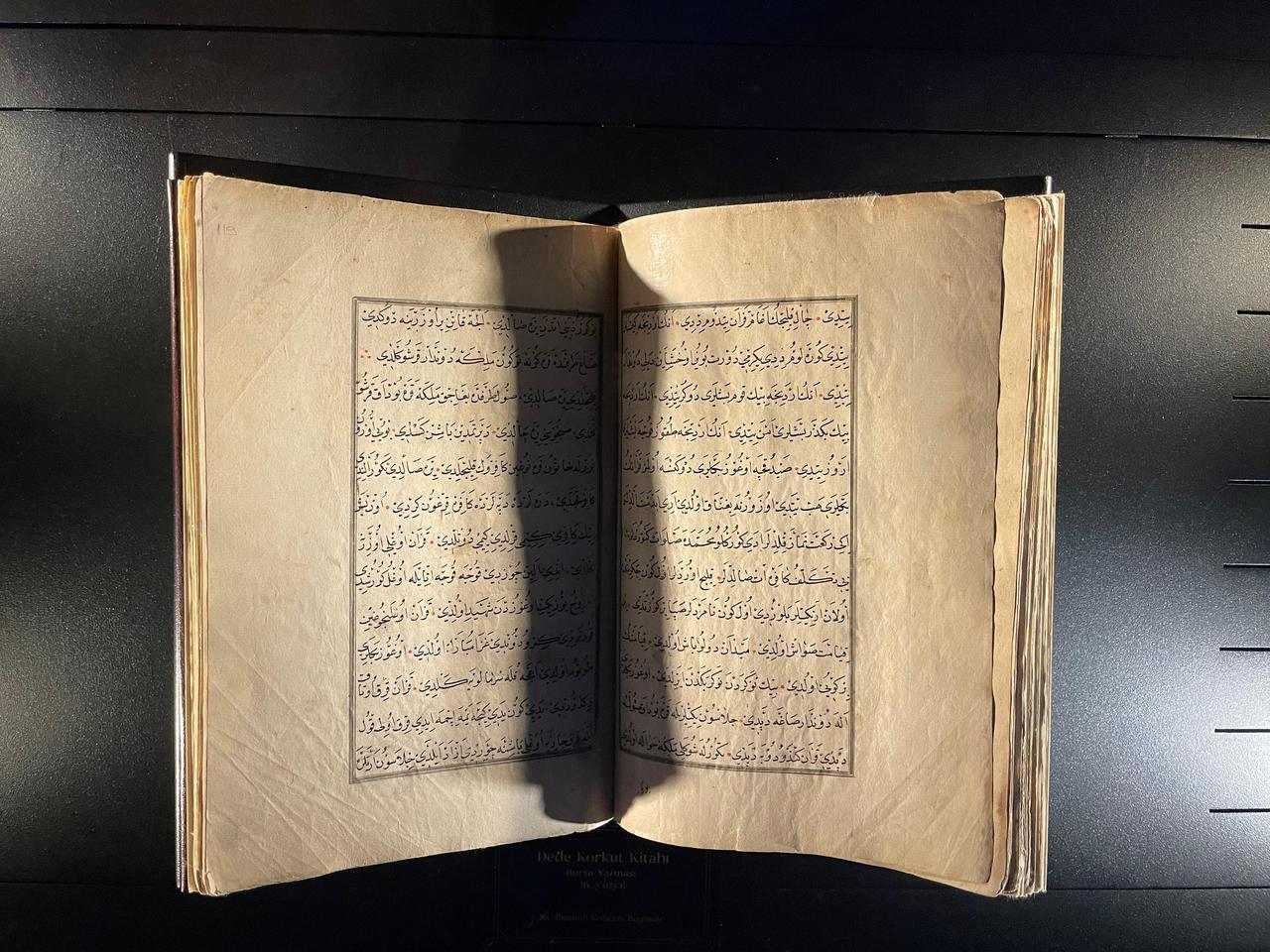
Officials note that this approach distinguishes the Bursa Manuscript from other known copies because it combines the original text with an immersive educational experience.
Students visiting the museum can see the manuscript itself while also watching a brief digital presentation that explains the stories, allowing them to move beyond simply hearing the epic in classrooms and instead encounter the original source.
Local officials say efforts to place the manuscript on UNESCO’s Intangible Cultural Heritage List have been completed. They expect a response by the end of the month.
Ozkilinc said the recognition would strengthen awareness of the epic tradition while helping preserve and promote the manuscript. He also noted that UNESCO recognition could increase international interest in the museum and contribute to cultural tourism in Bursa and across Türkiye.


 Set as preferred source
 Set as preferred source


 1 min read
 1 min read