Newsletters


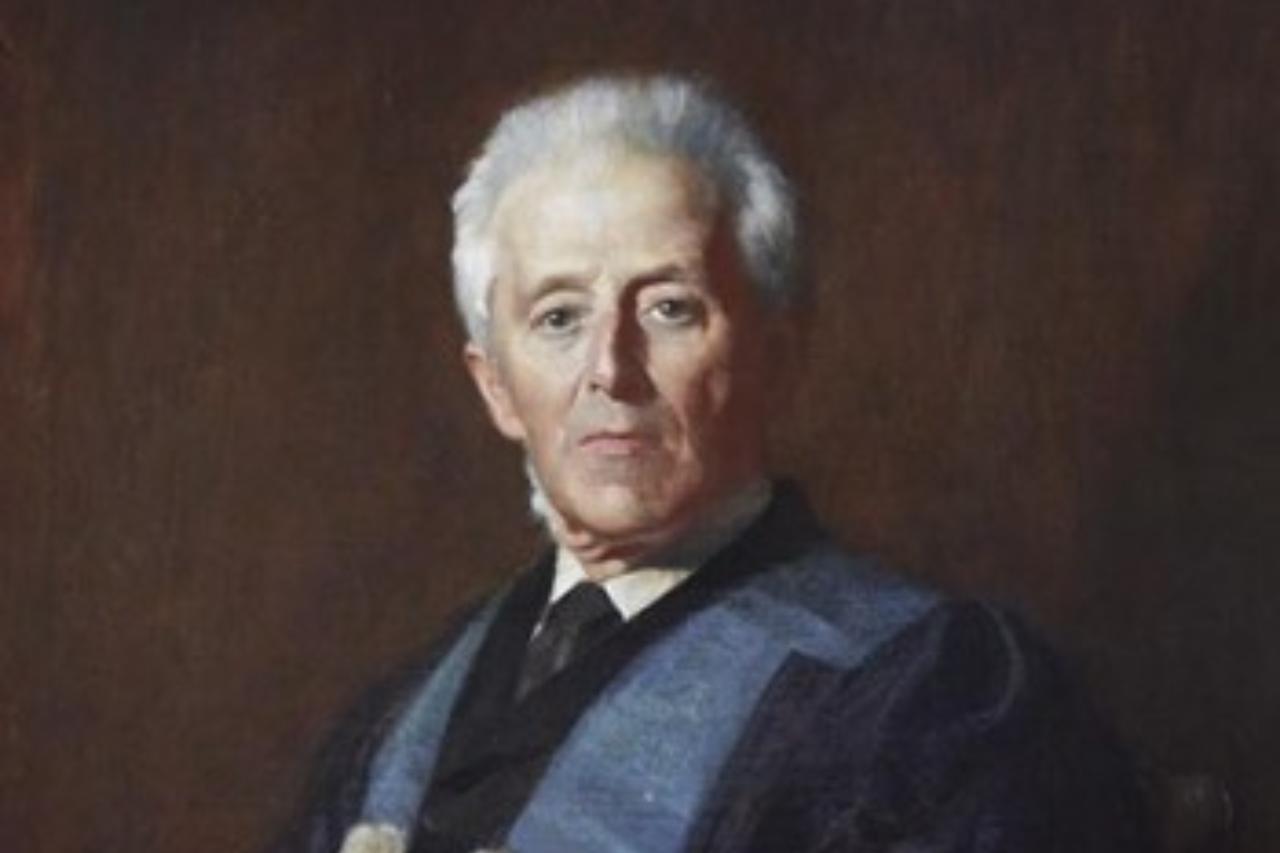


Joseph Bell, a senior surgeon at the Royal Infirmary of Edinburgh, used close observation and deduction to diagnose patients and assist police inquiries in the late 19th century.
Arthur Conan Doyle, who studied under him, named Bell as the inspiration for Sherlock Holmes. A new book chronicles Bell’s career and the lessons that shaped the world’s best-known fictional detective.
Edinburgh, the capital of Scotland, is in the northern part of the United Kingdom. The Royal Infirmary is the city’s oldest hospital.
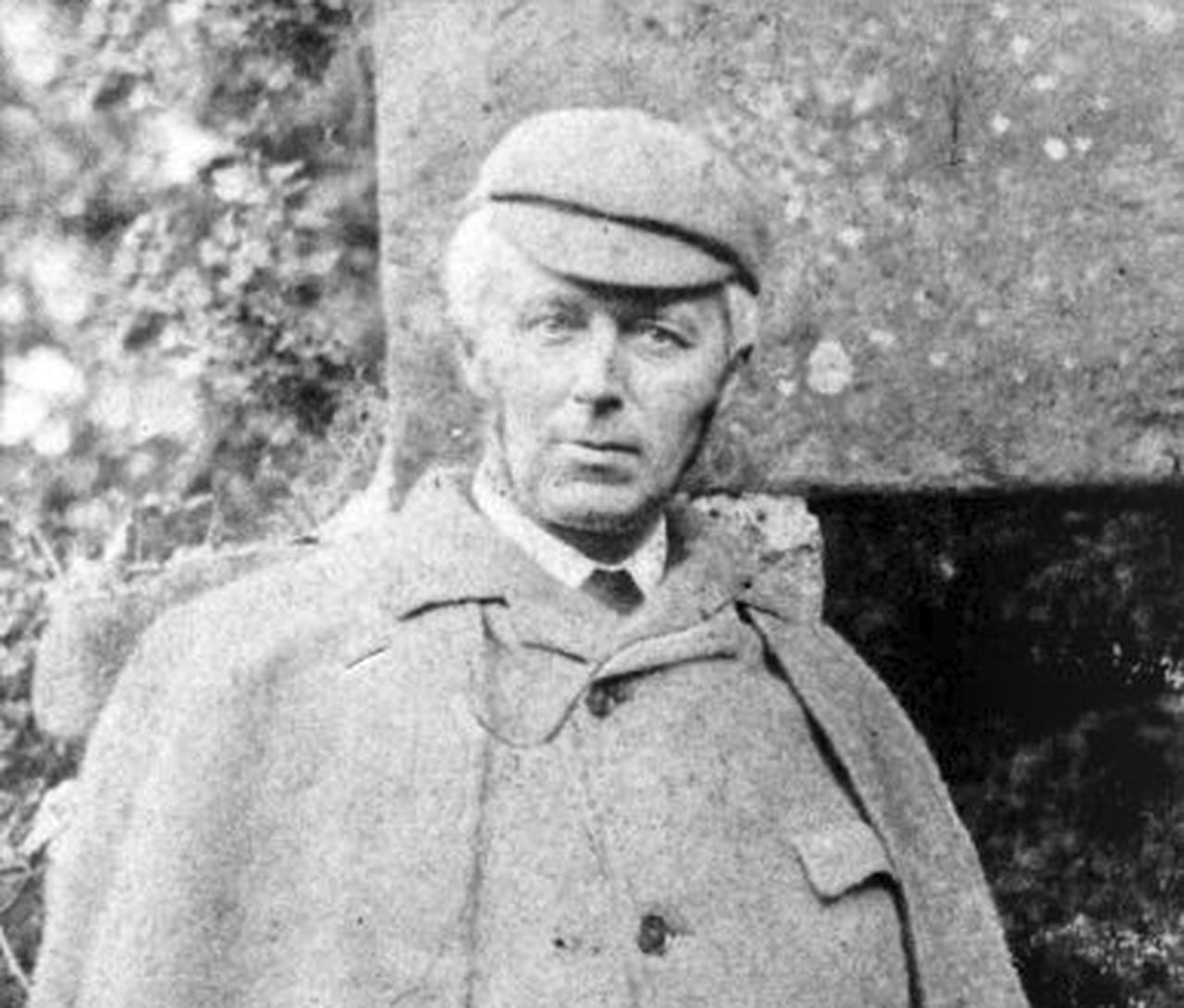

On one winter morning in 1878, Bell traveled to the infirmary by horse-drawn carriage through the Old Town, the historic core of Edinburgh, where chimneys released coal smoke, and houses rose 10 stories or higher.
He taught in the hospital’s amphitheater, a stage partially enclosed by a semicircle of tiered stands rising toward a large skylight. A wooden operating table stood at the room's center. Medical students filled the stands, and the room fell silent when Bell entered.
In these sessions, Bell sat as a patient was brought in and pressed his fingertips together while studying the person’s dress, mannerisms, features, and expressions. The performances made him a celebrated figure in the medical world.
In one recorded demonstration, Bell told the audience that a patient had served in a Highland regiment. He said the man’s short stature suggested a musician in a band and that his swagger suggested a bagpipe player. The patient replied that he had never served in the armed forces and was a shoemaker.
Bell later described the moment as “rather a floorer.” Certain that he was right, he ordered two assistants to strip the patient to the waist.
A letter “D” tattooed on the man’s chest, a mark the audience recognized as shameful, identified him as an army deserter. Bell said the reason for the patient’s evasion was then clear. No record survives of what happened to the man afterward.
Another anecdote from Bell’s lectures concerns a patient with a limp. A young doctor concluded the man had a disease of the hip joint. Bell disagreed, pointing to slits cut by a knife in the parts of the shoes where pressure on the foot was greatest, a sign of corns.
Bell then said the patient’s real condition was chronic alcoholism, citing his red nose, puffed face, bloodshot eyes, trembling hands and twitching facial muscles. He told students such deductions required concrete confirmation, which came from the neck of a whiskey bottle protruding from the patient’s right coat pocket.
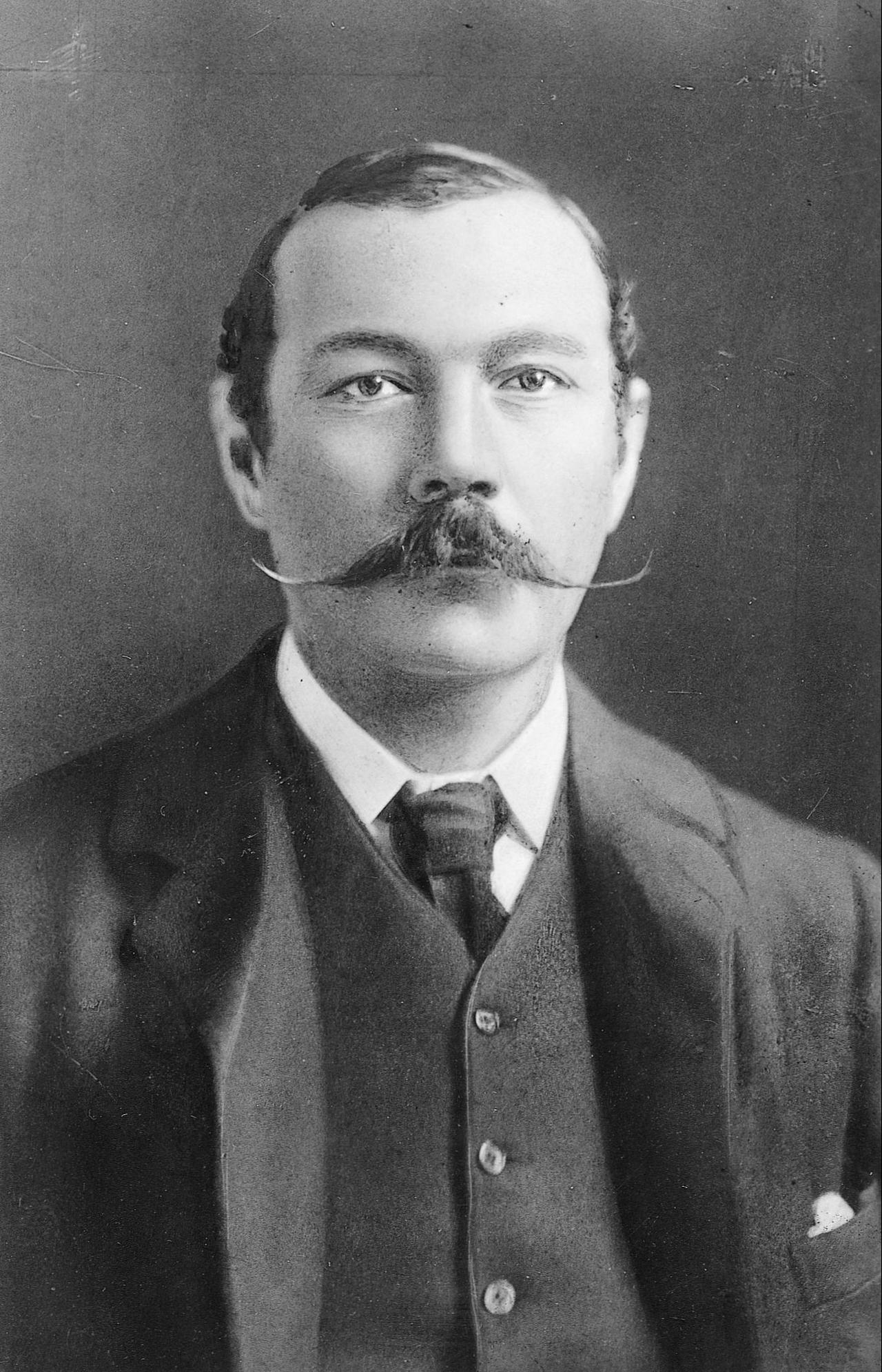
Conan Doyle began studying under Bell at the University of Edinburgh in 1878 and sat at the front of the audience. Holmes first appeared in print in late 1887, and Conan Doyle went on to write 59 more stories about the character. He identified Bell as the inspiration for Holmes in newspaper interviews and letters.
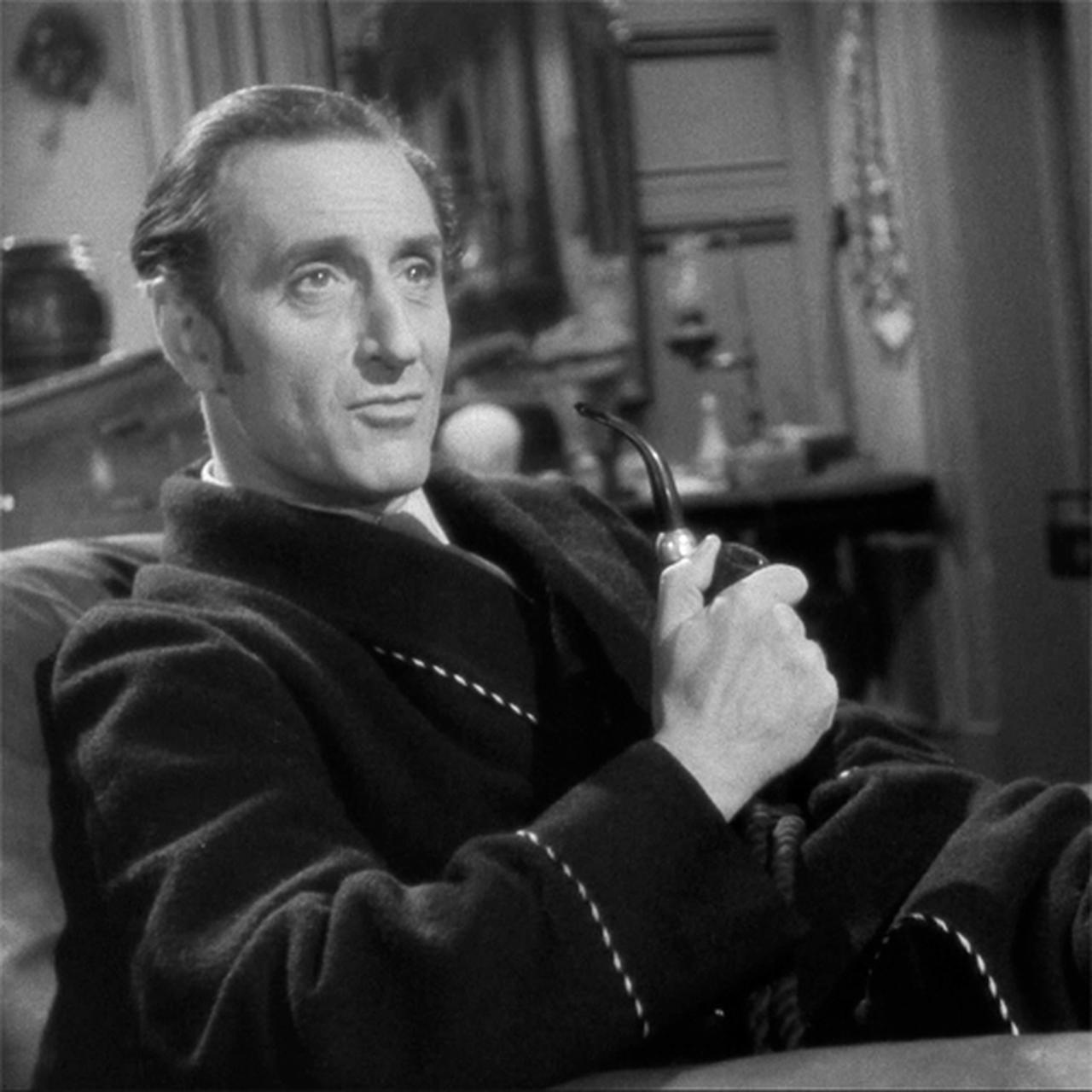
Holmes was so popular in the late 19th and early 20th centuries that many people believed he was a real person. The character has been depicted in film and television more than 250 times, which earned him the Guinness World Records title for the most-portrayed literary human character in history. His image, with a deerstalker cap, tweed cape, calabash pipe and magnifying glass, is recognizable even to those who have not read the stories.
Bell’s career extended beyond the hospital. He assisted Scottish police with multiple criminal investigations and contributed to the emerging field of forensic science. His role in these inquiries is far less known than his link to Holmes.


 Set as preferred source
 Set as preferred source


 3 min read