Newsletters


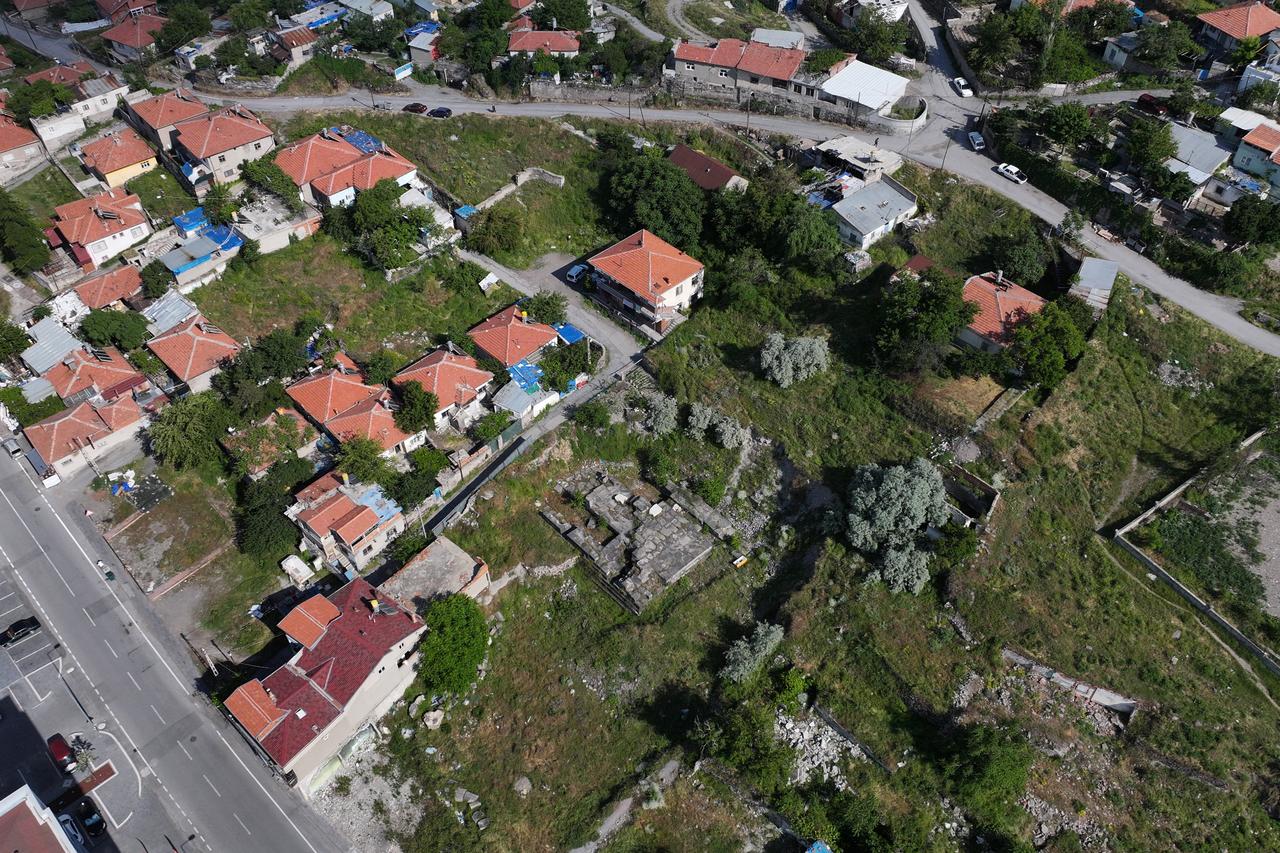


The ancient layers of Kayseri, Türkiye, are coming back into view in the Battalgazi neighborhood, an area long known for gecekondus, a Turkish term used for informal, low-rise housing that developed over time.
Traces of a fourth-century Roman hospital, a hippodrome, and a pagan temple have been uncovered amid ongoing urban renewal efforts in the district.
Initiated by the Cappadocia-Kultepe-Koramaz History, Culture, Education and Research Association, the discovery relied on the archival notes and maps of historical travelers.
The areas where the hippodrome and hospital building are located were declared third-degree archaeological conservation sites by the Regional Board for the Protection of Cultural Assets, meaning they were formally registered for protection.
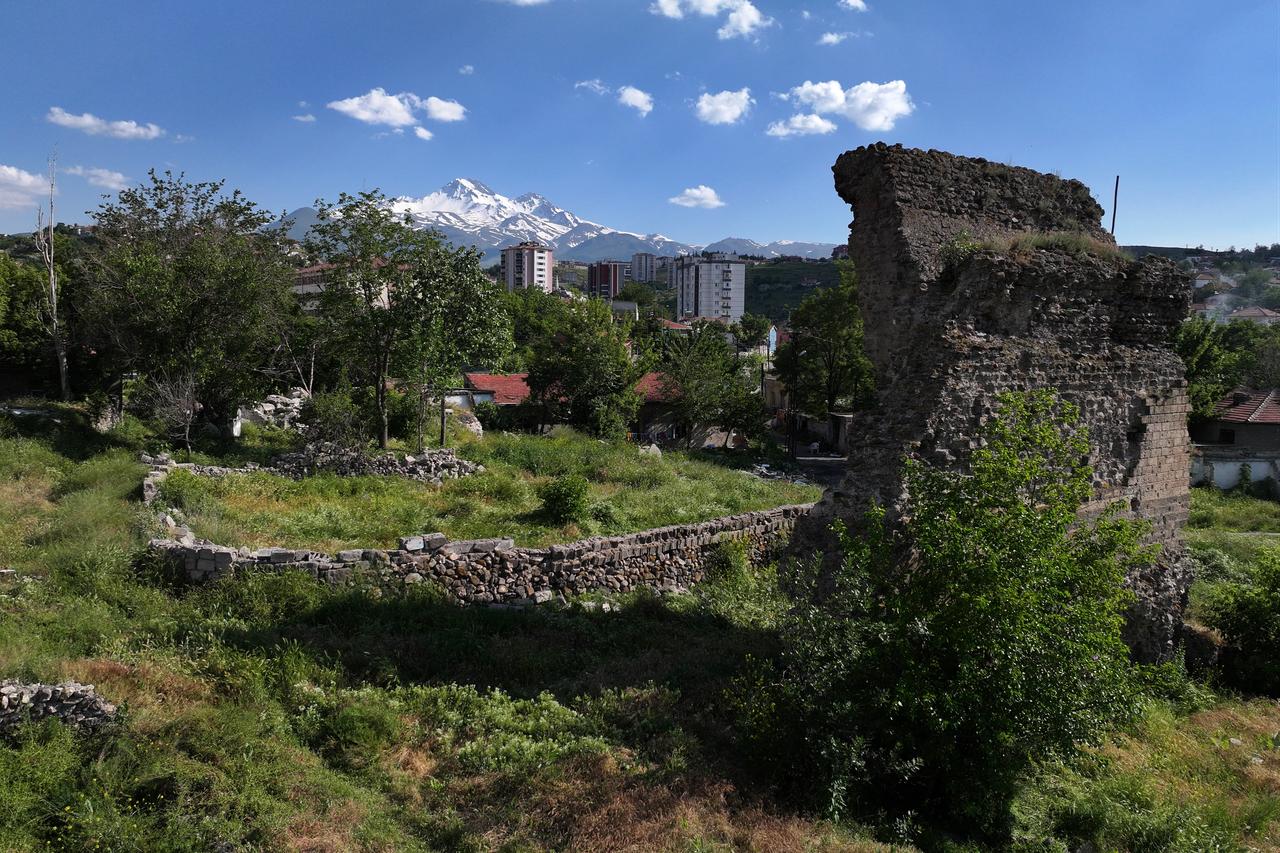

In Battalgazi, a small part of the stone wall from the hospital still stands, reflecting the traces left by centuries of use and abandonment.
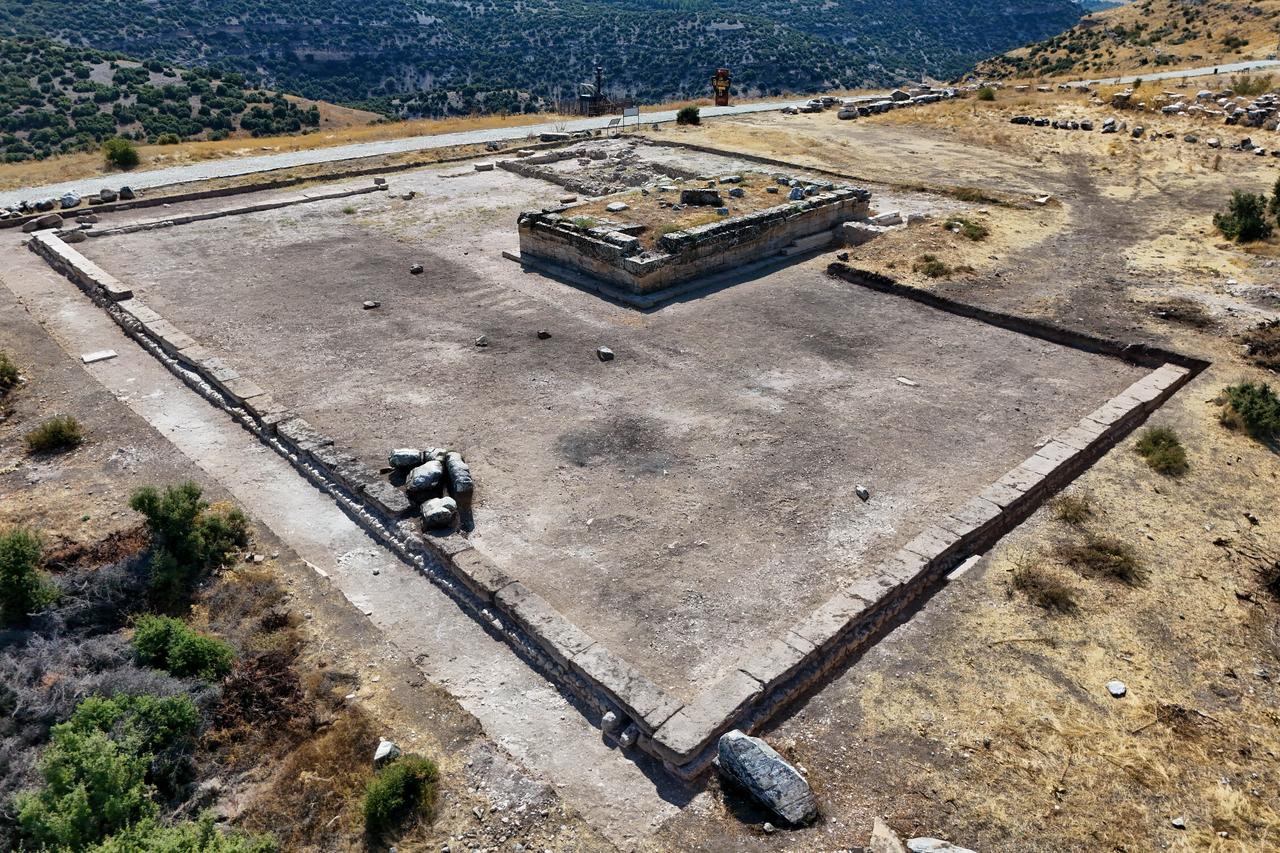
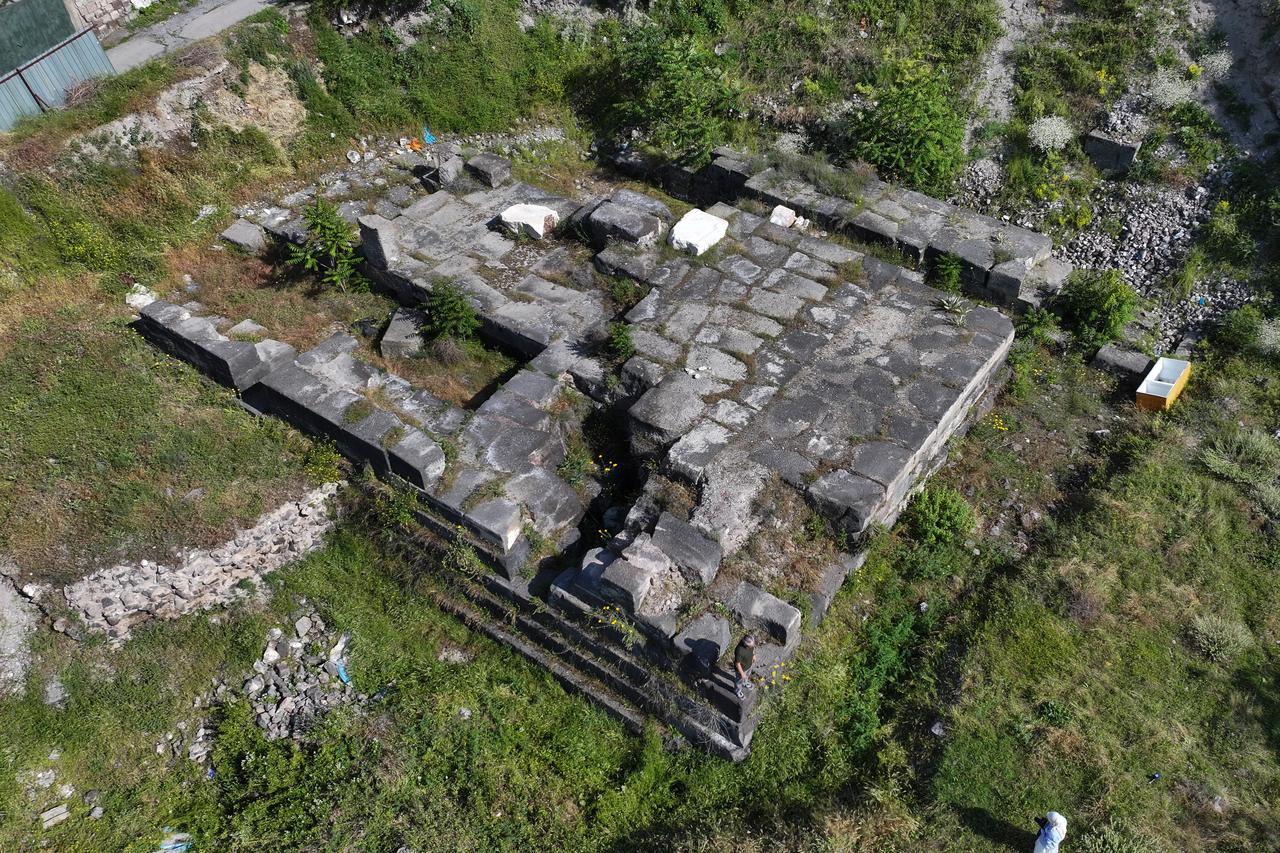
The area identified as a hippodrome draws attention with its broad and level ground. In the same neighborhood, the temple, thought to have been built in the second century, is visible through its large cut-stone floor and broken marble column pieces, which point to the scale of the structure.
Osman Ozsoy, Kayseri representative of CEKUL, the Foundation for the Protection and Promotion of Environmental and Cultural Values, said written sources indicate that the present city center was once a marshy area where malaria was a problem.
By contrast, he said Battalgazi overlooked the plain and offered conditions suitable for both settlement and defense. According to Ozsoy, the city was founded in this area about 2,500 years ago.
He said the district later came under the rule of the Romans, the Eastern Roman, the Cappadocian Kingdom, the Seljuk and Ottoman periods, adding that the area should be understood as a broad urban complex rather than a single ruin.
Ozsoy said that just as a city today has hospitals, public buildings, places of worship, schools, baths, hotels and residential areas, ancient settlements also had their own civic and social structures. In such a setting, he noted, a mint, a theater, a hippodrome, administrative buildings and other public spaces would also be expected.
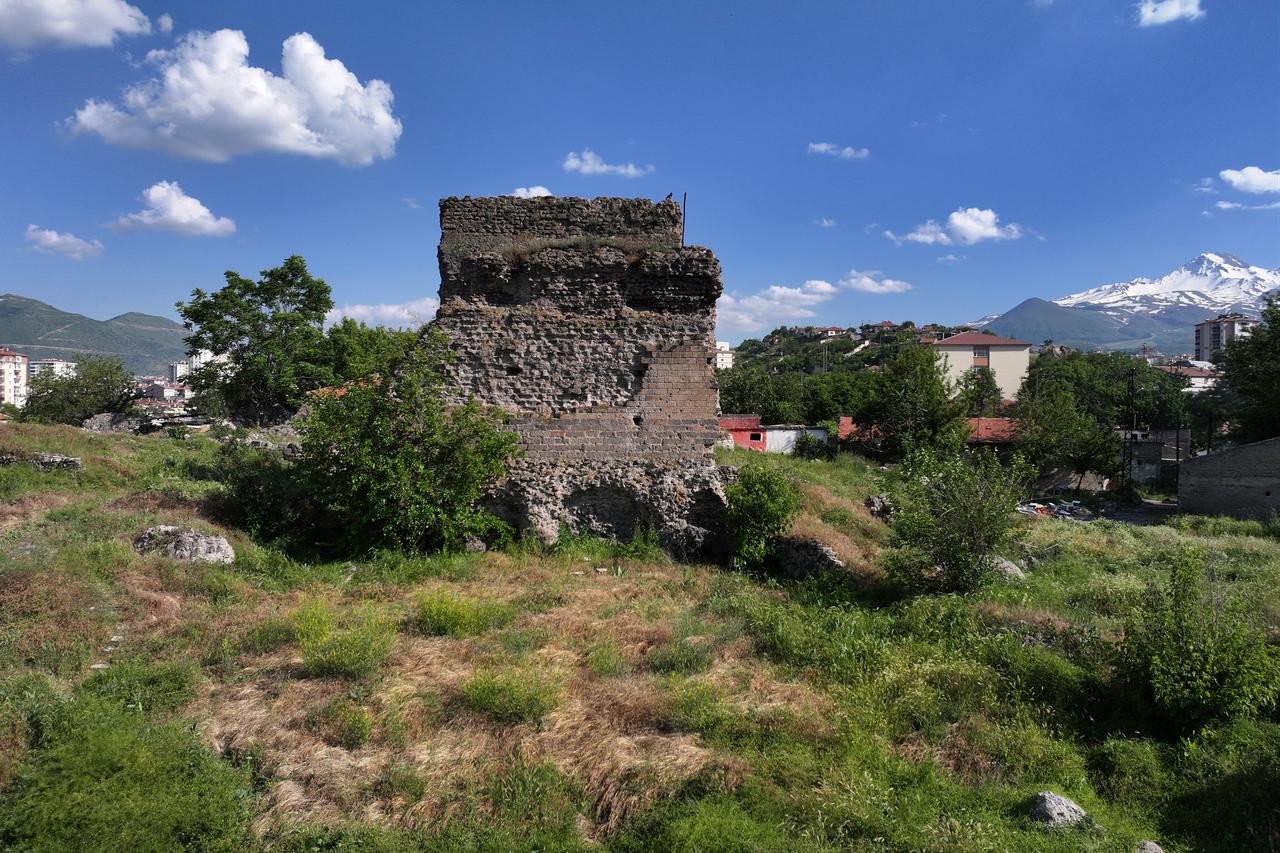
Ozsoy said the structures already identified in the area, including the hippodrome, the bath, the hospital, and the temple, show that Battalgazi holds a wider cultural richness.
He also said some unused parts of the city rose over time as ground levels built up, partly under the effect of prevailing winds.
"We are waiting to see, perhaps as a surprise in the coming days, how many cultural assets that have not yet been discovered lie under Kayseri's ground level, under those layers, if we reach that elevation," Ozsoy said.
He added that more serious excavations and test studies could begin in the coming years, which may bring clearer information about Kayseri and the structures in the district. However, he also noted that progress in cultural heritage work is usually slow compared with other fields.


 Set as preferred source
 Set as preferred source


 3 min read