Newsletters


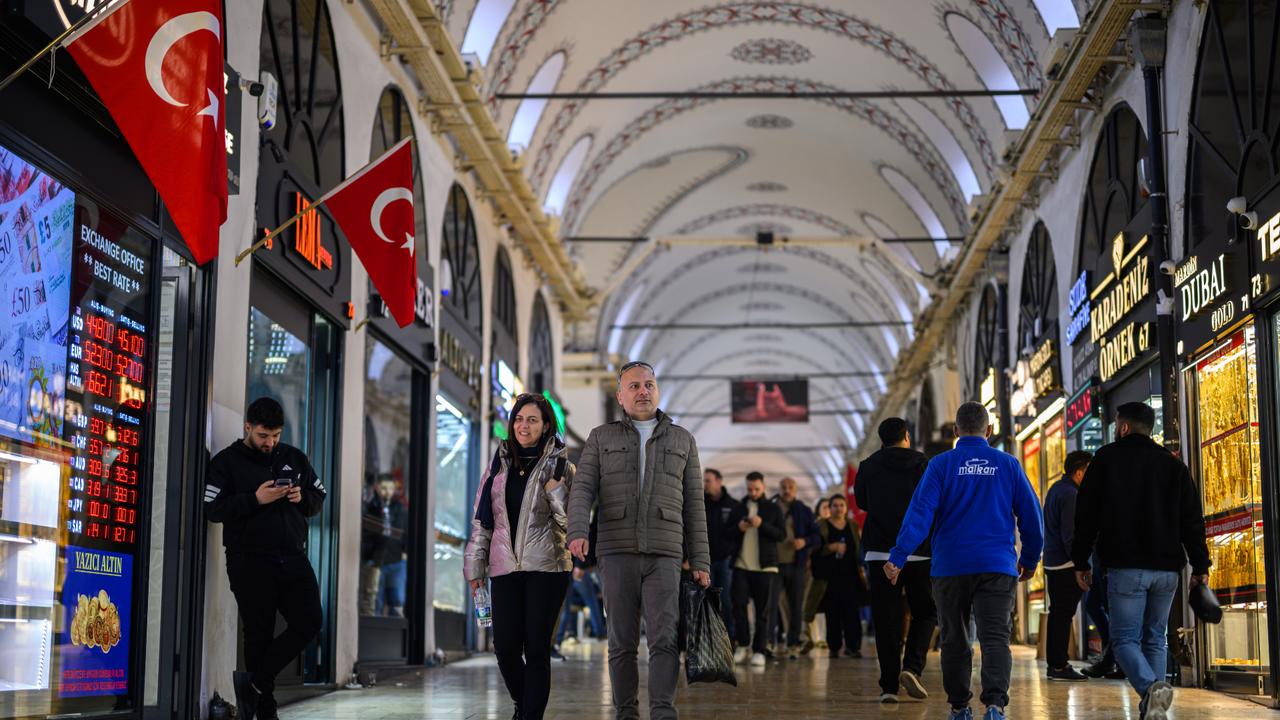
A jewelry merchant leans over a glass counter filled with gold chains in one of the Grand Bazaar's nearly 4,000 shops.
Built in 1461 by order of Ottoman Sultan Mehmet II, the Kapali Carsisi, or Covered Market, has run continuously for over five centuries, making it the oldest covered market in the world.
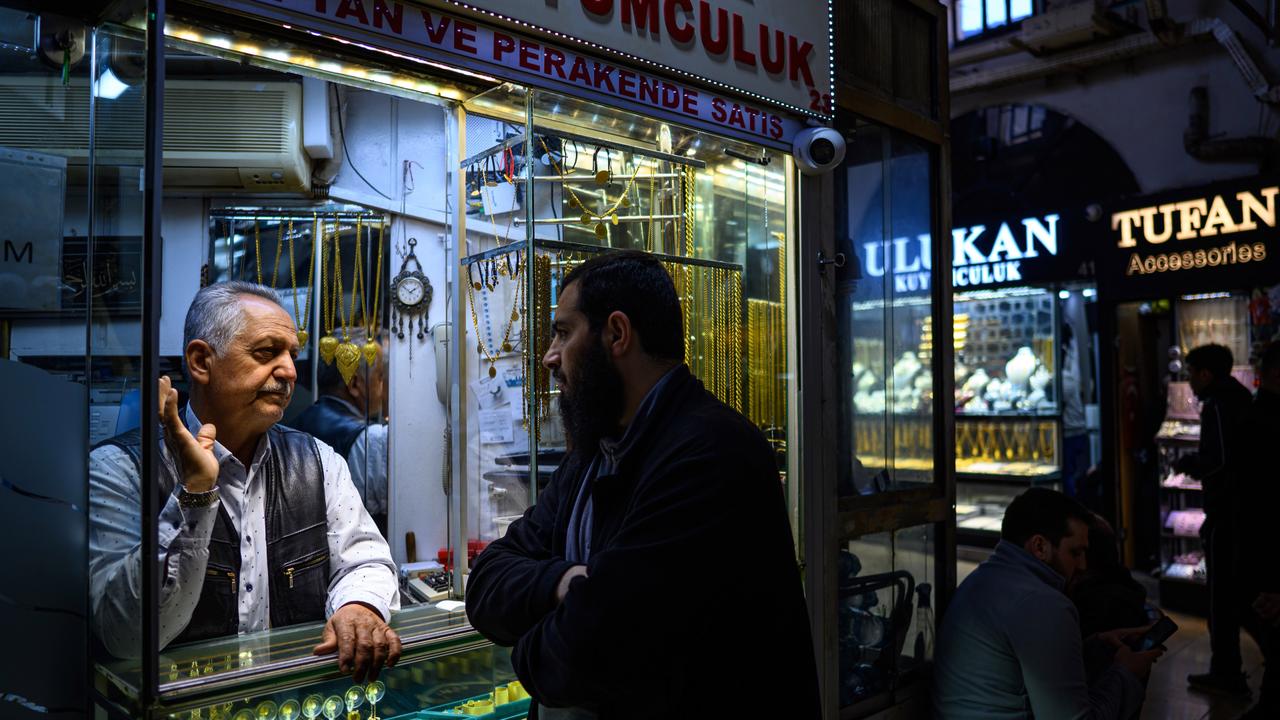
Shoppers walk through one of the bazaar's 56 vaulted passages, with hand-painted Ottoman arches above and mosaic lanterns hanging from iron rails.
The market covers 54,653 square meters and has grown from a single wooden building into a stone-and-brick maze within the city.
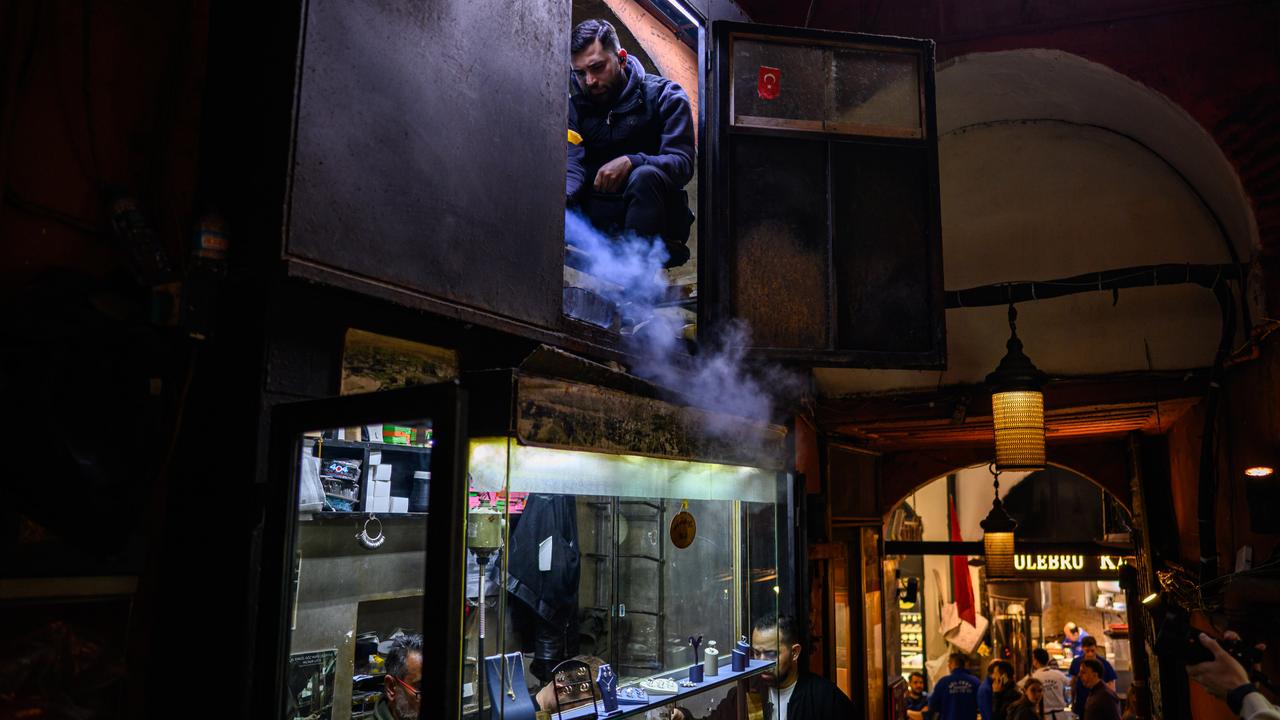
The bazaar's vertical layers, including mezzanines, storage lofts, and shared walls, are the result of centuries of unplanned growth.
Each generation of merchants found space wherever they could.
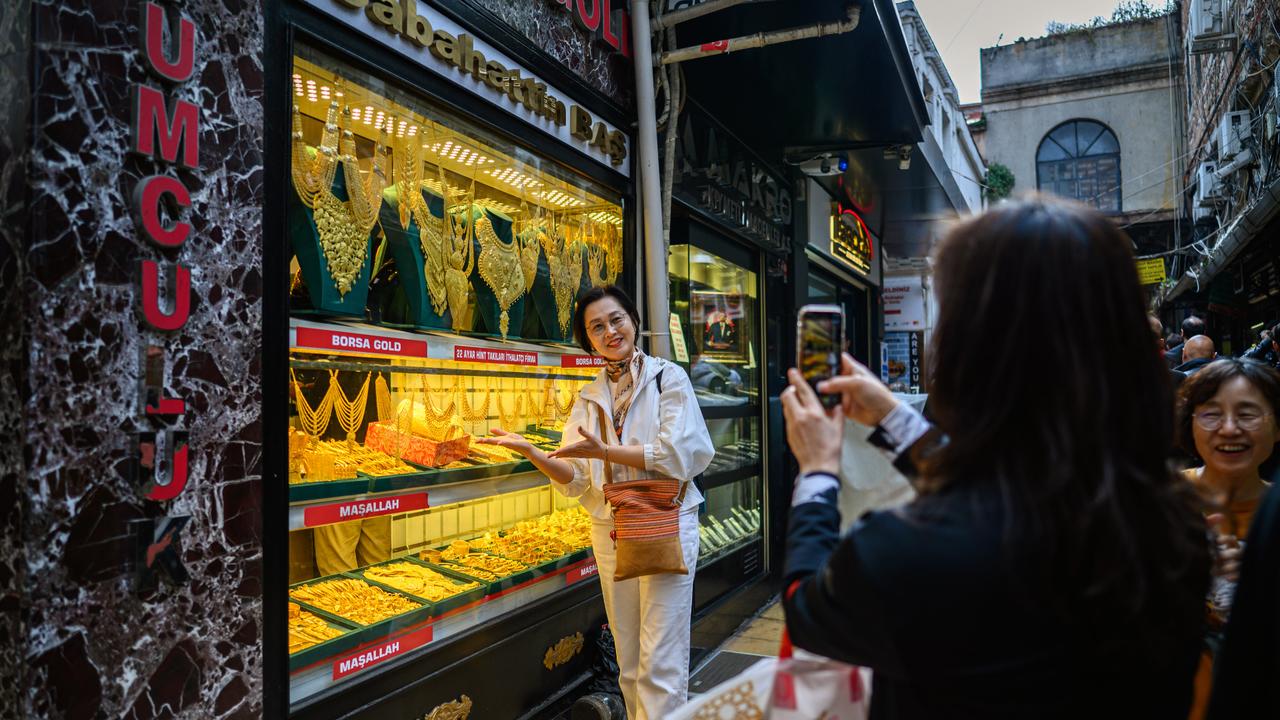
Gold has been at the heart of the bazaar's identity since the Cevahir Bedesten, its oldest and innermost building, changed from cloth trading to precious stones and metals during the Ottoman era.
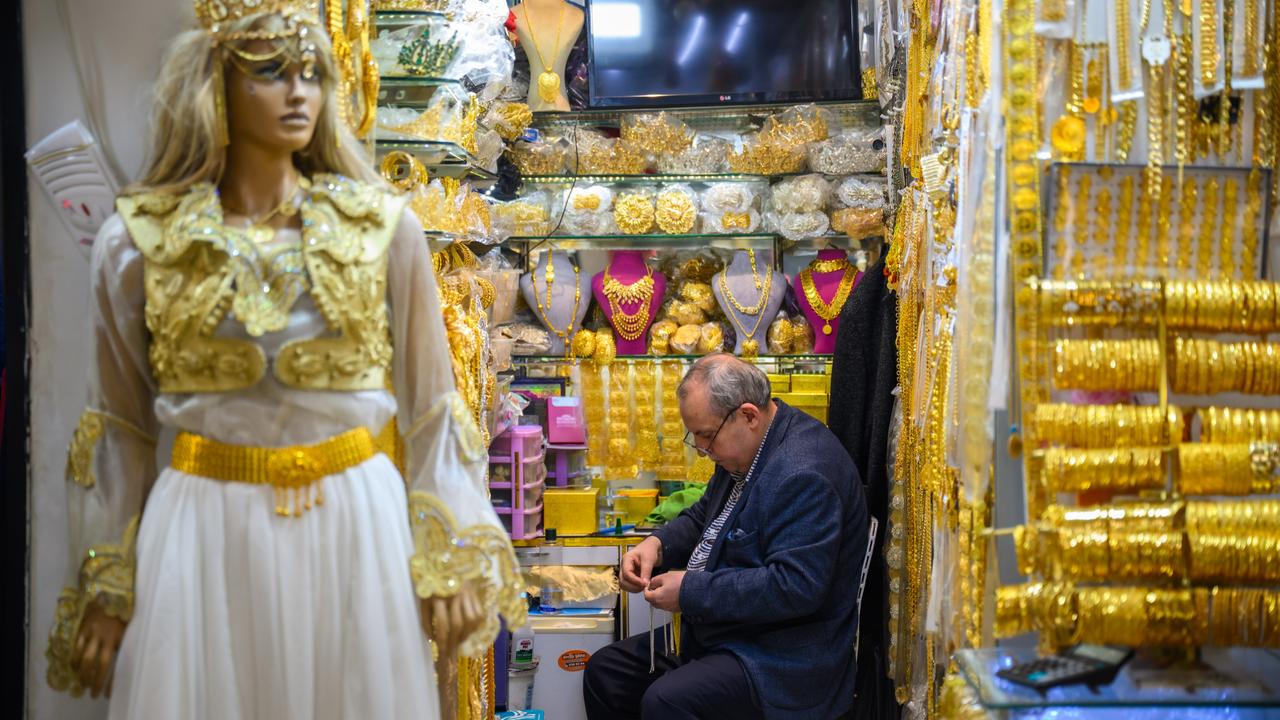
Gold jewelry is still one of the most concentrated trades in the bazaar, with many specialists working close together in what used to be the market's most strictly regulated area.
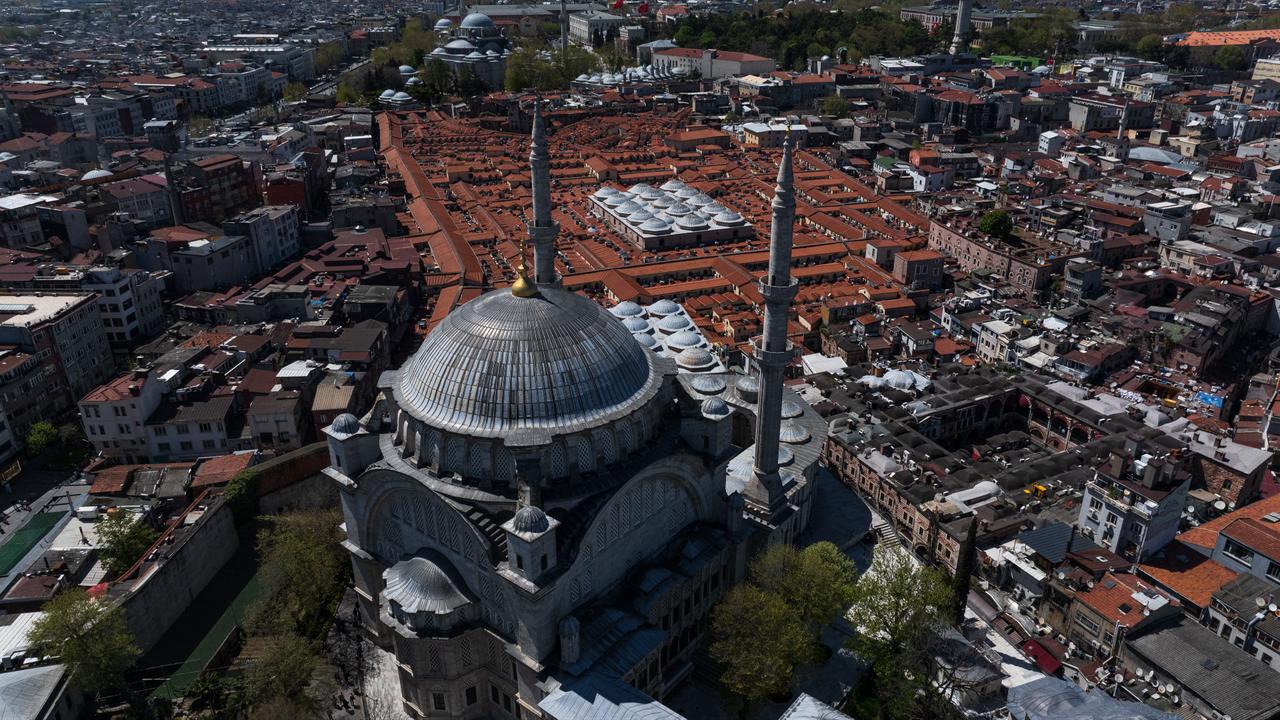
The bazaar once had five mosques, seven fountains, and a school, but now only one mosque and an ablution fountain remain.
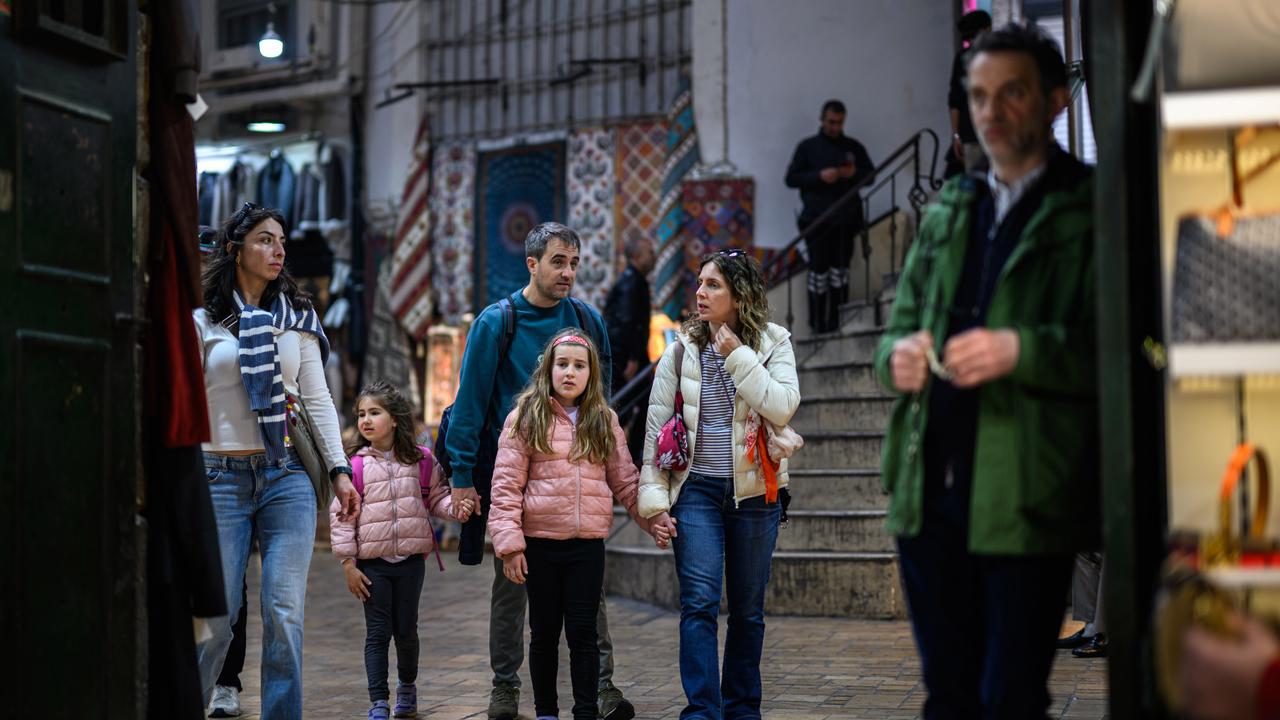
The bazaar attracts visitors from around the world, as well as Istanbul residents who have shopped here for generations.
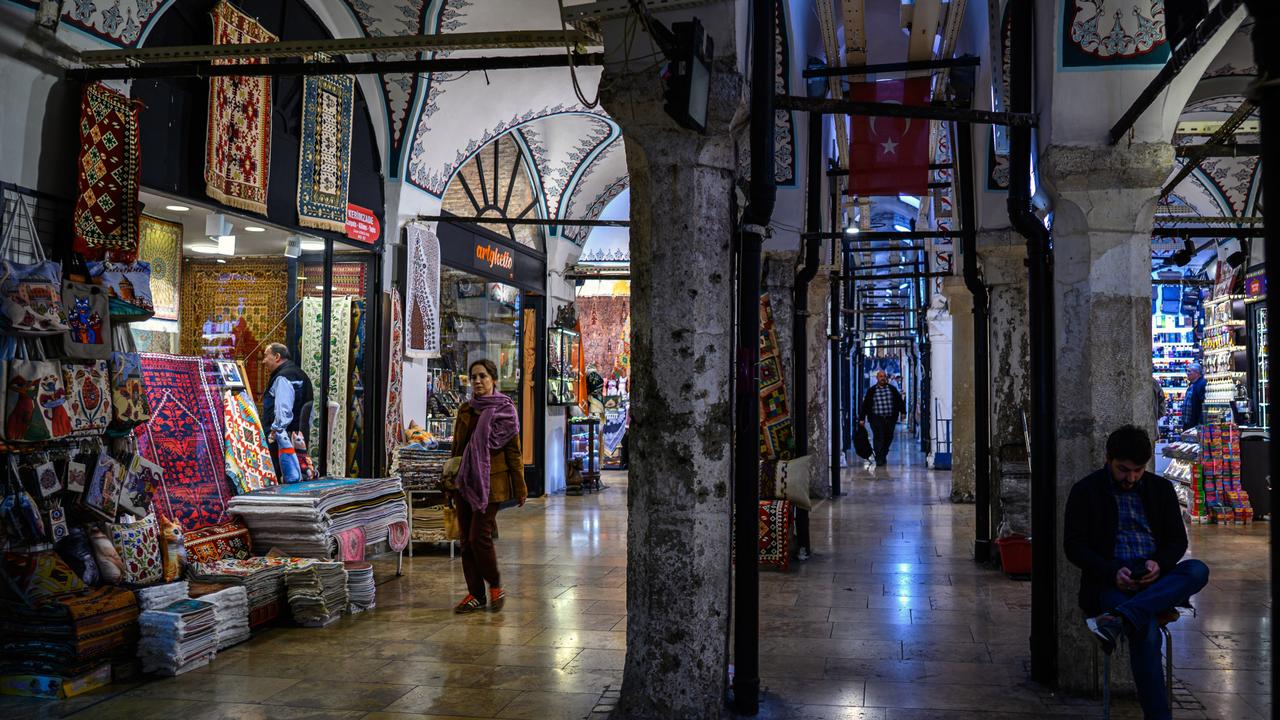
Competition between merchants in the same trade was officially banned until the 19th century, and this legacy can still be seen in how similar shops cluster together.
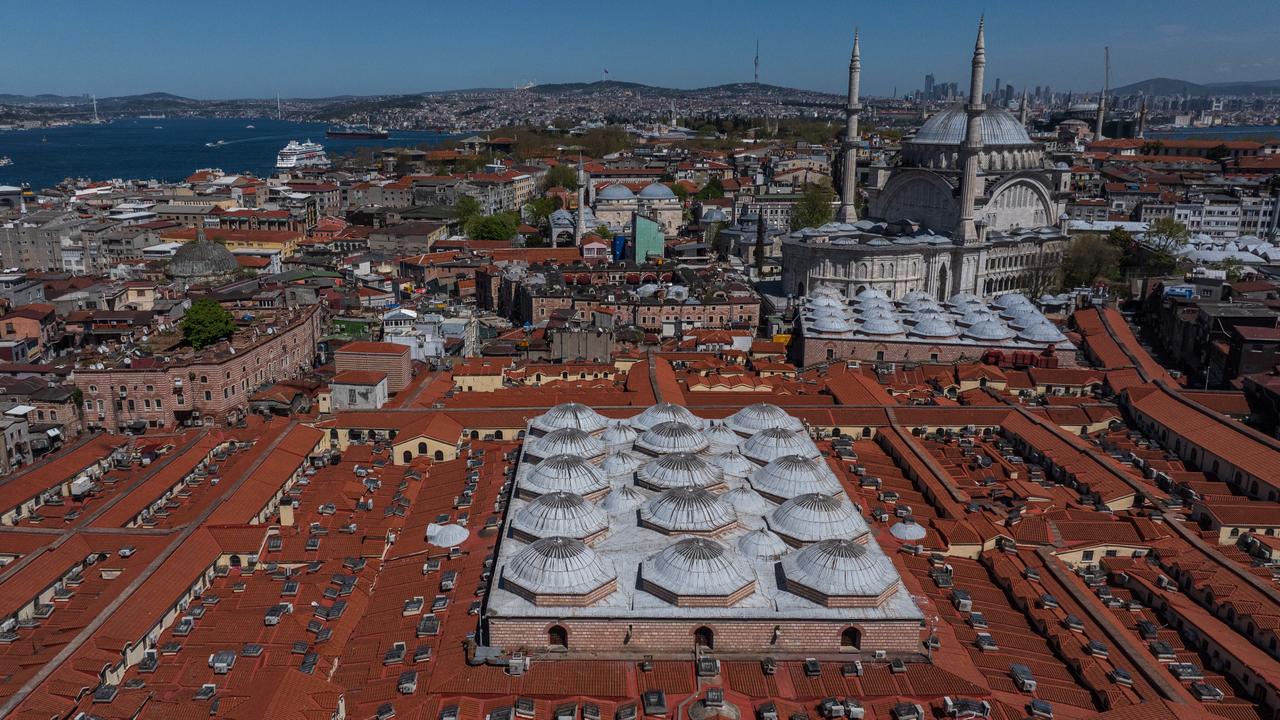
An aerial view shows the bazaar's terracotta roofs stretching across Istanbul's historic peninsula, with the domes of a nearby mosque in the foreground.
Sultan Mehmet II founded the bazaar right after the Ottoman conquest of Istanbul in 1453 to raise money for the Hagia Sophia.
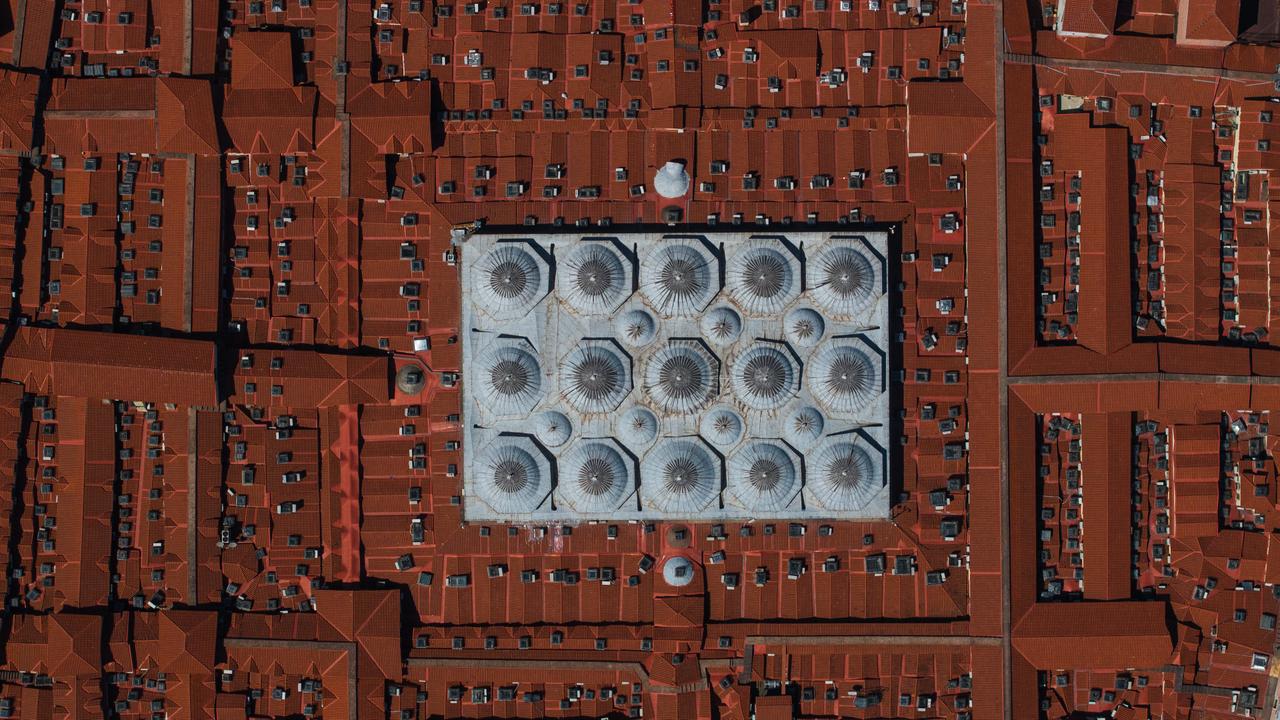
From above, the lead-plated domes of the Cevahir Bedesten, the bazaar's oldest surviving building, sit at the center of a grid of tiled rooftops.
The bedesten is a fireproof vaulted hall, named after the Turkish word for cloth. It was originally built for the textile trade before becoming the market's gold and precious stone area.
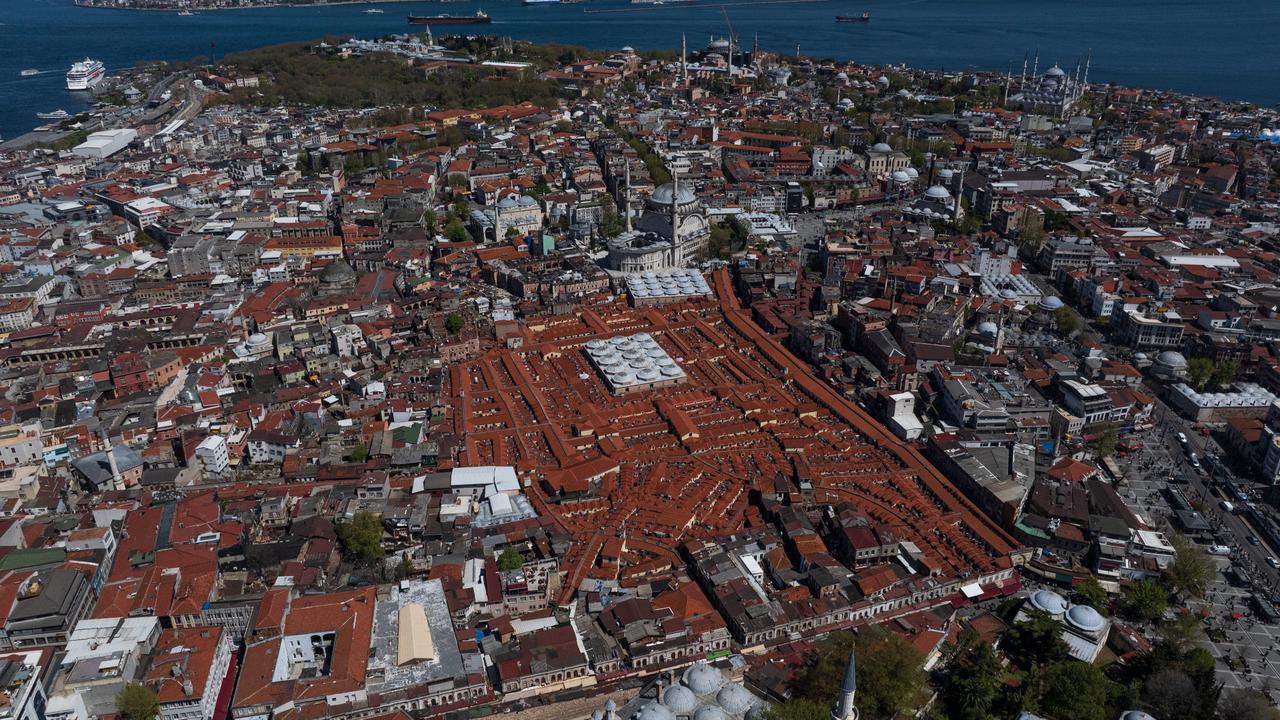
The market grew to its current size after the surrounding streets were covered and nearby two- and three-story inns, called hans, were added to its structure.
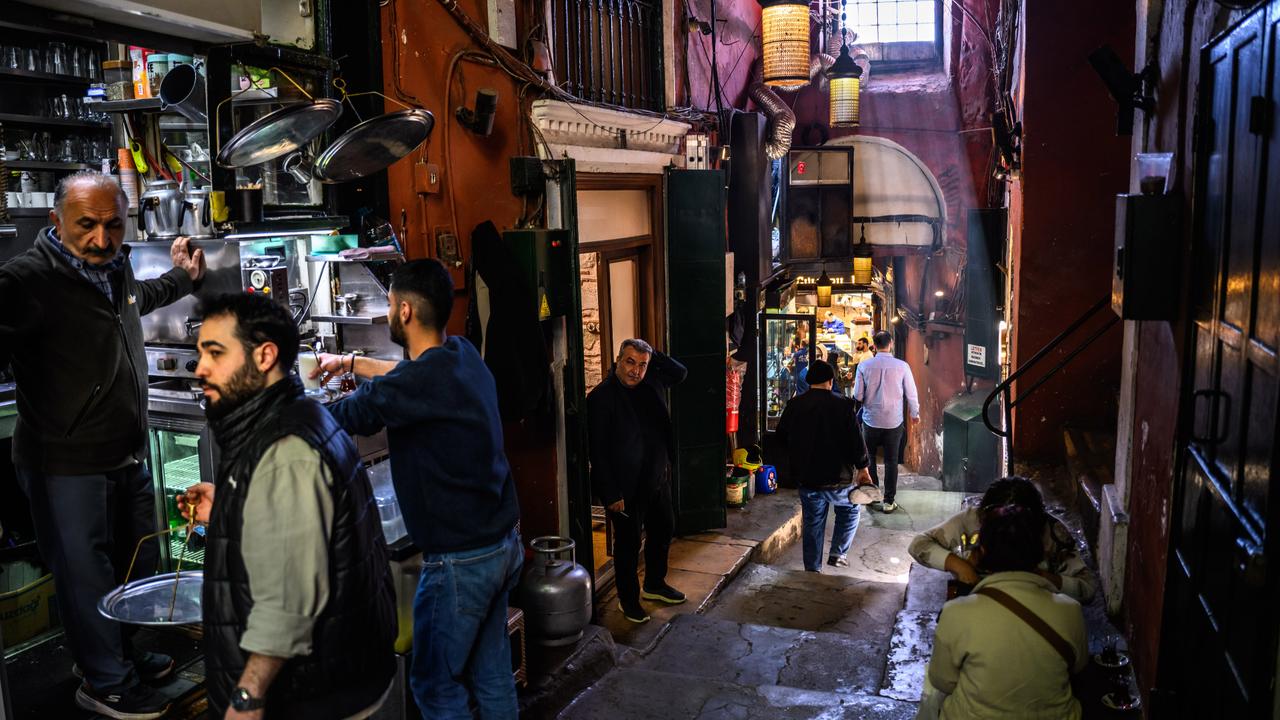
Each street in the bazaar was once home to a single trade. While most of those jobs are gone, their names still live on in the street names.
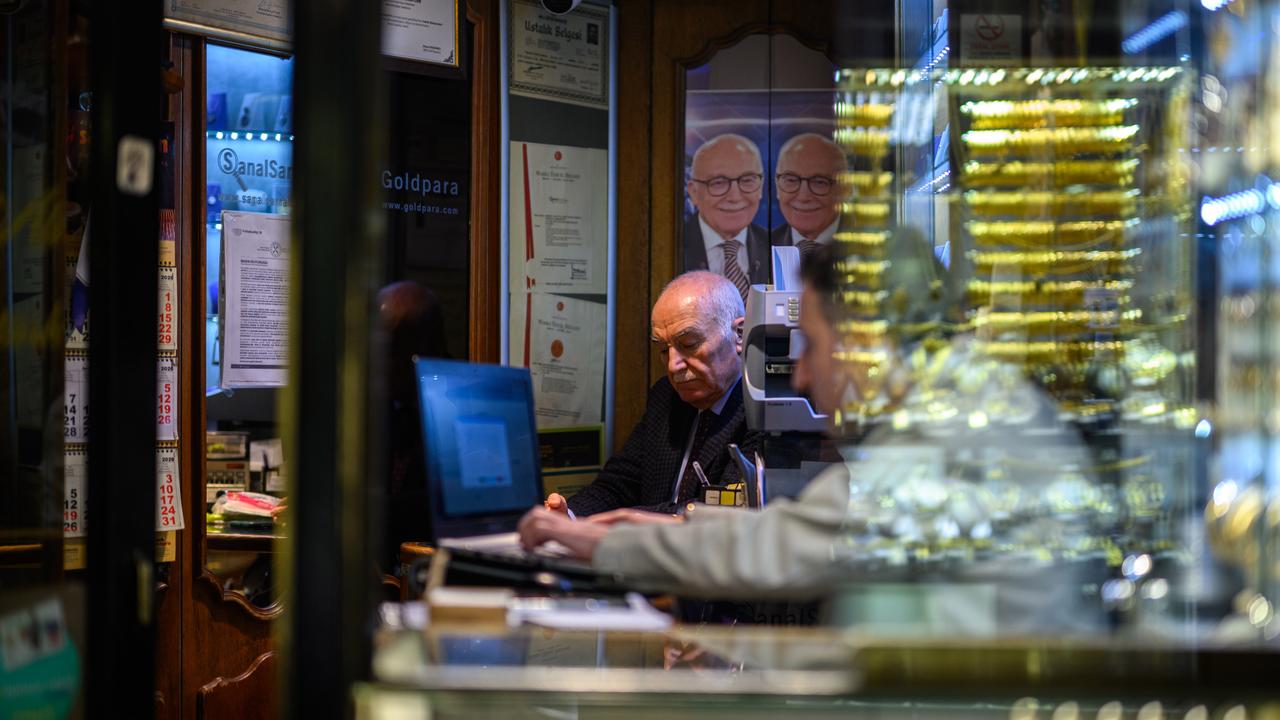
Family businesses have kept the bazaar's commercial spirit alive for centuries, with shops handed down from parent to child in trades older than the republic.
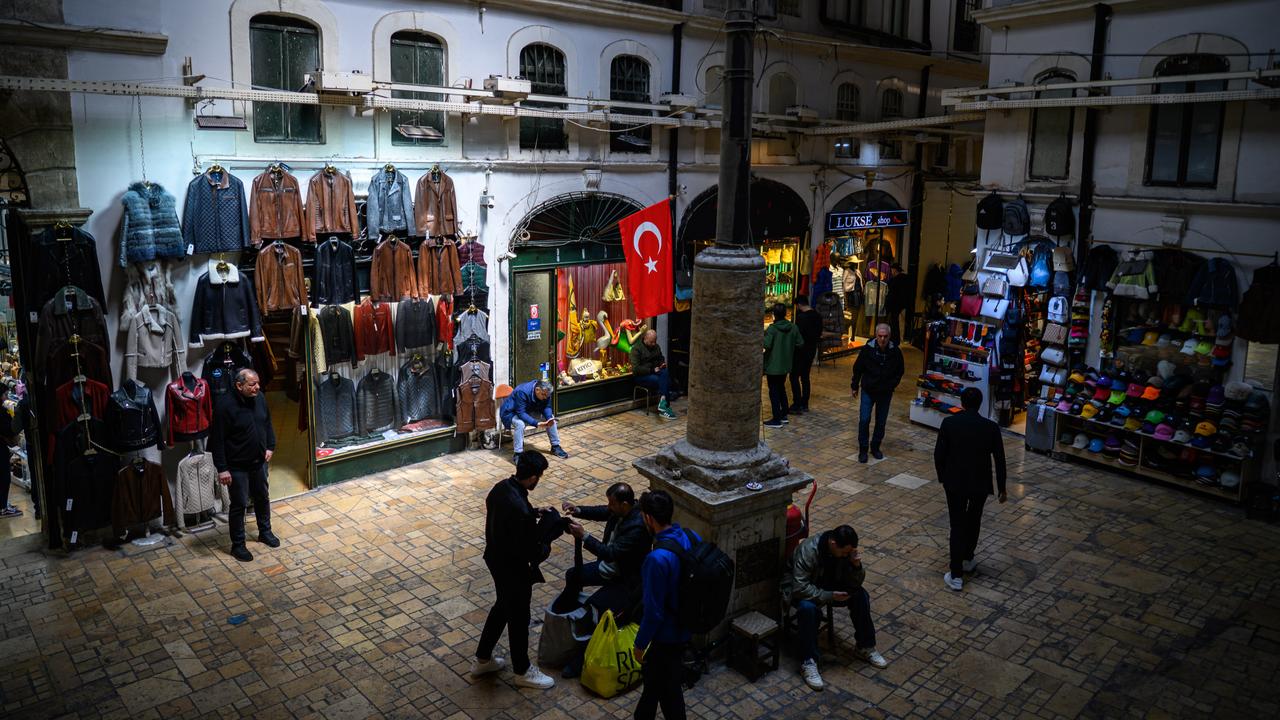
Today, the bazaar employs over 30,000 people in nearly 4,000 shops, with 21 gates opening each morning onto 56 named streets.
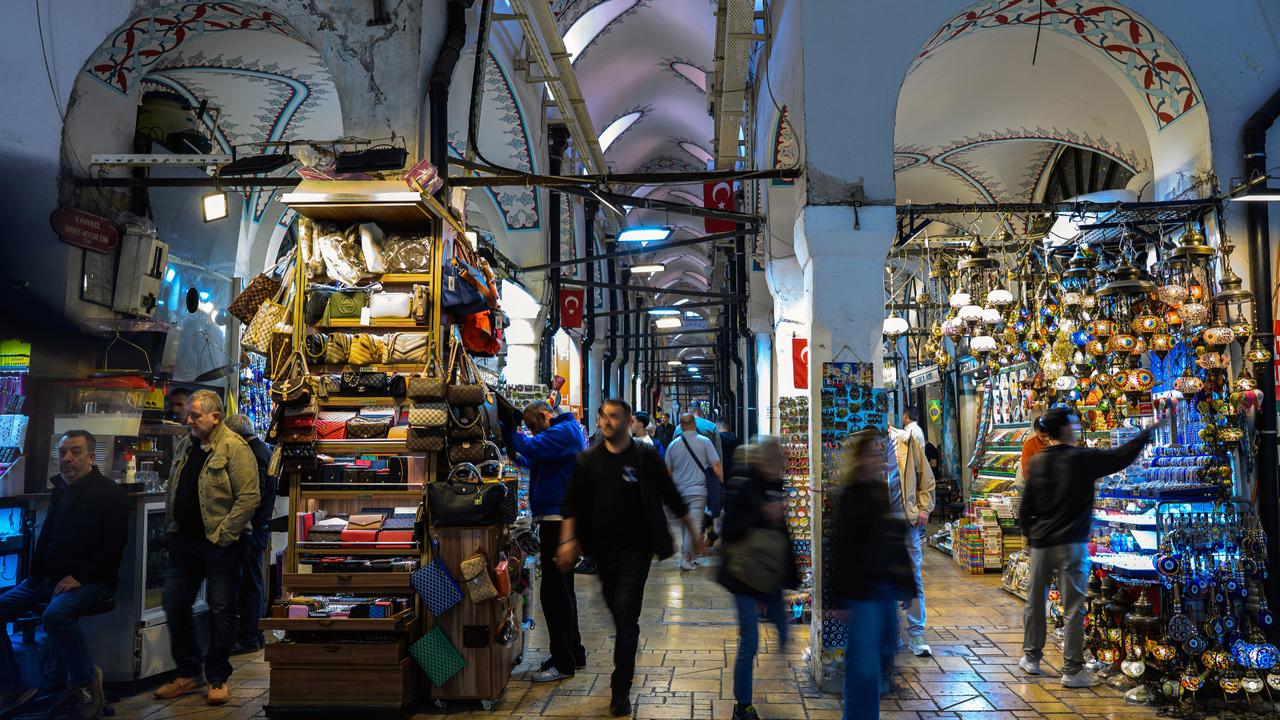
More than five centuries after it was founded, the Grand Bazaar still works as it always has: a living market where commerce, craft, and daily life all come together on the same stone floor.

 1 min read


 Set as preferred source