Newsletters


Rome celebrated its 2,779th "Natale di Roma" on April 19 with traditional events that brought the city’s imperial past into the streets, as costumed participants marched past some of the Italian capital’s best-known ancient landmarks.
The celebration is traditionally held on April 21 each year by Gruppo Romano Storico, an organization that works to promote and raise awareness of Rome’s historical and cultural heritage. This year’s event was staged on April 19 instead, as April 21 falls on a weekday.
For the occasion, participants dressed as soldiers, legionaries, senators and other figures from the Roman Empire era and set out through the city center in a large historical procession.
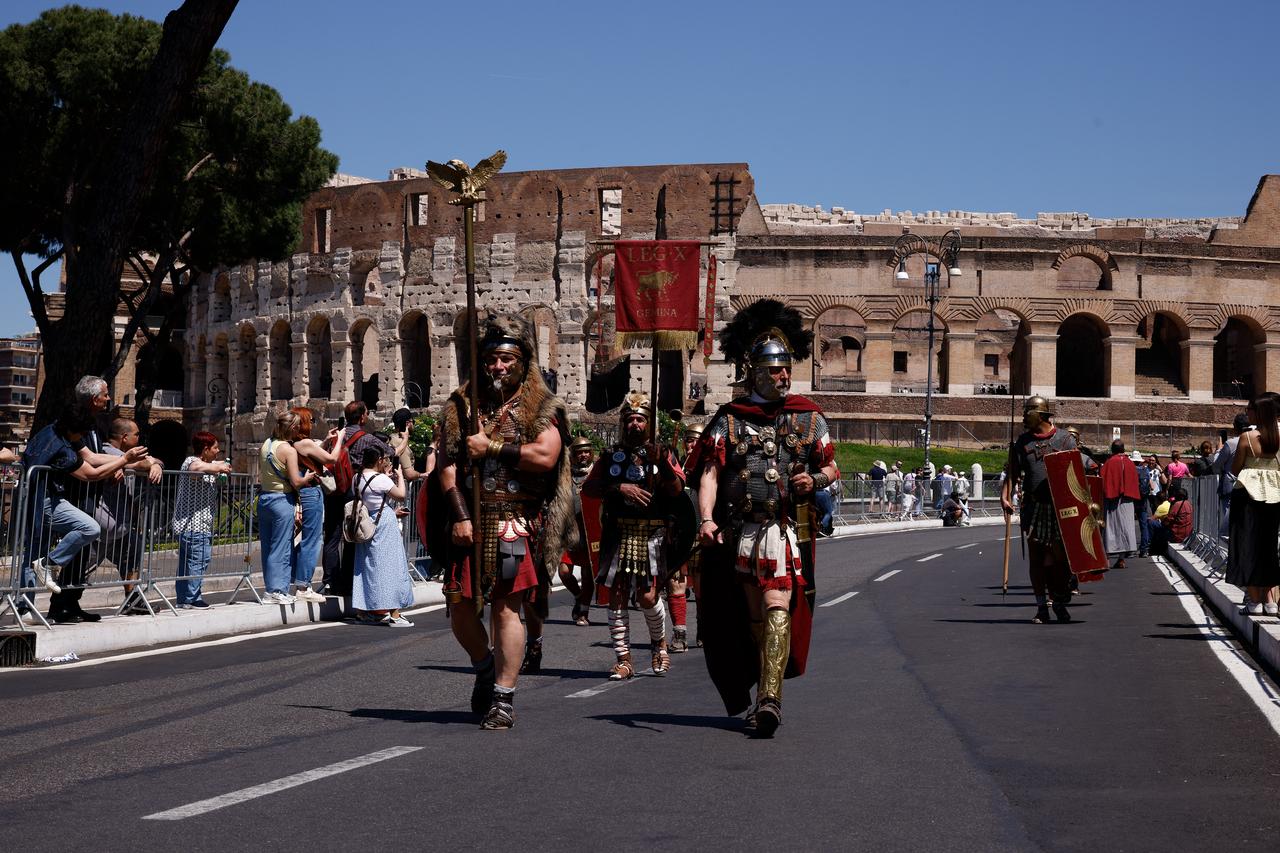

The march began at Circo Massimo, known in English as Circus Maximus, the vast ancient chariot-racing ground in central Rome. From there, the procession passed through several of the city’s most recognizable historic sites, including Piazza Venezia, Via dei Fori Imperiali and the Colosseum, before looping back to Circo Massimo.
The parade drew strong interest from both Romans and tourists, many of whom stopped to watch the scenes unfold and took photographs along the route.
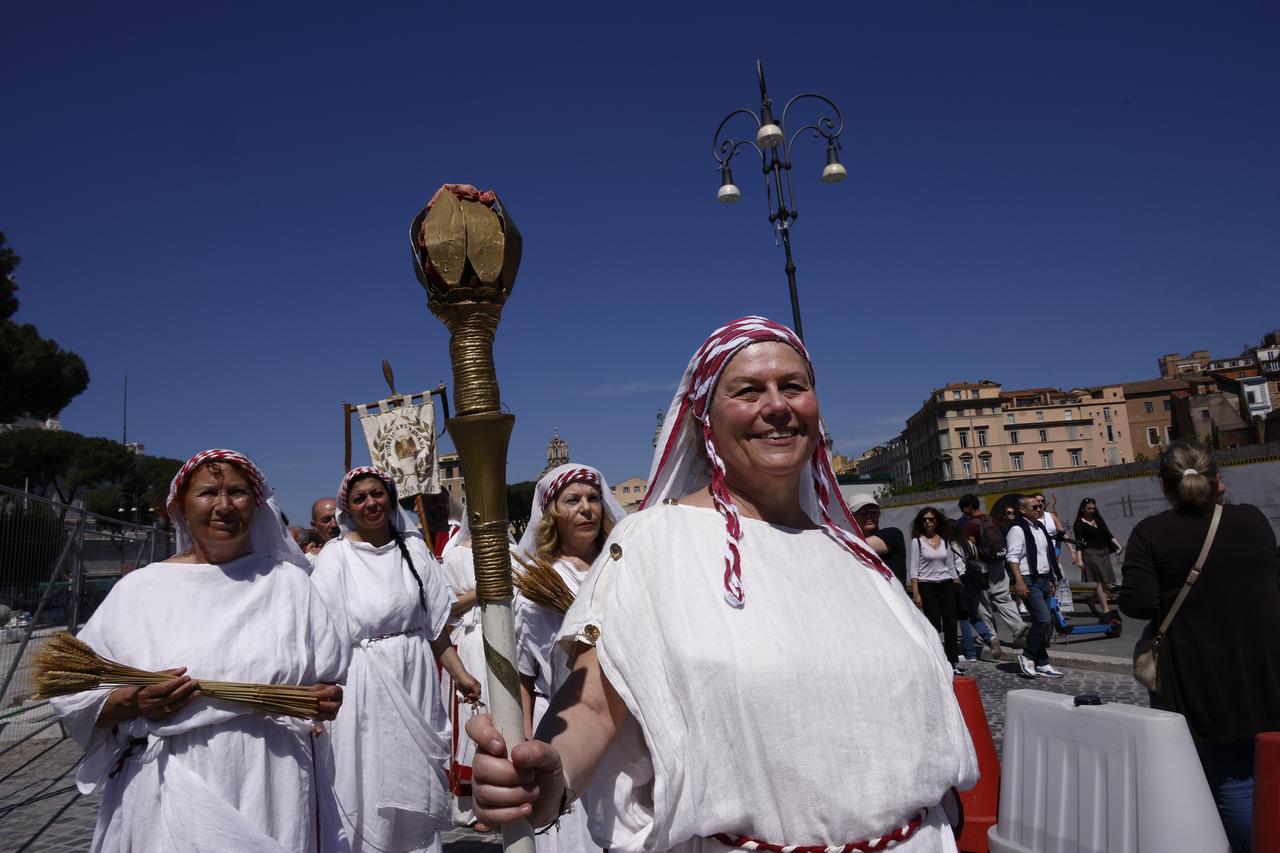
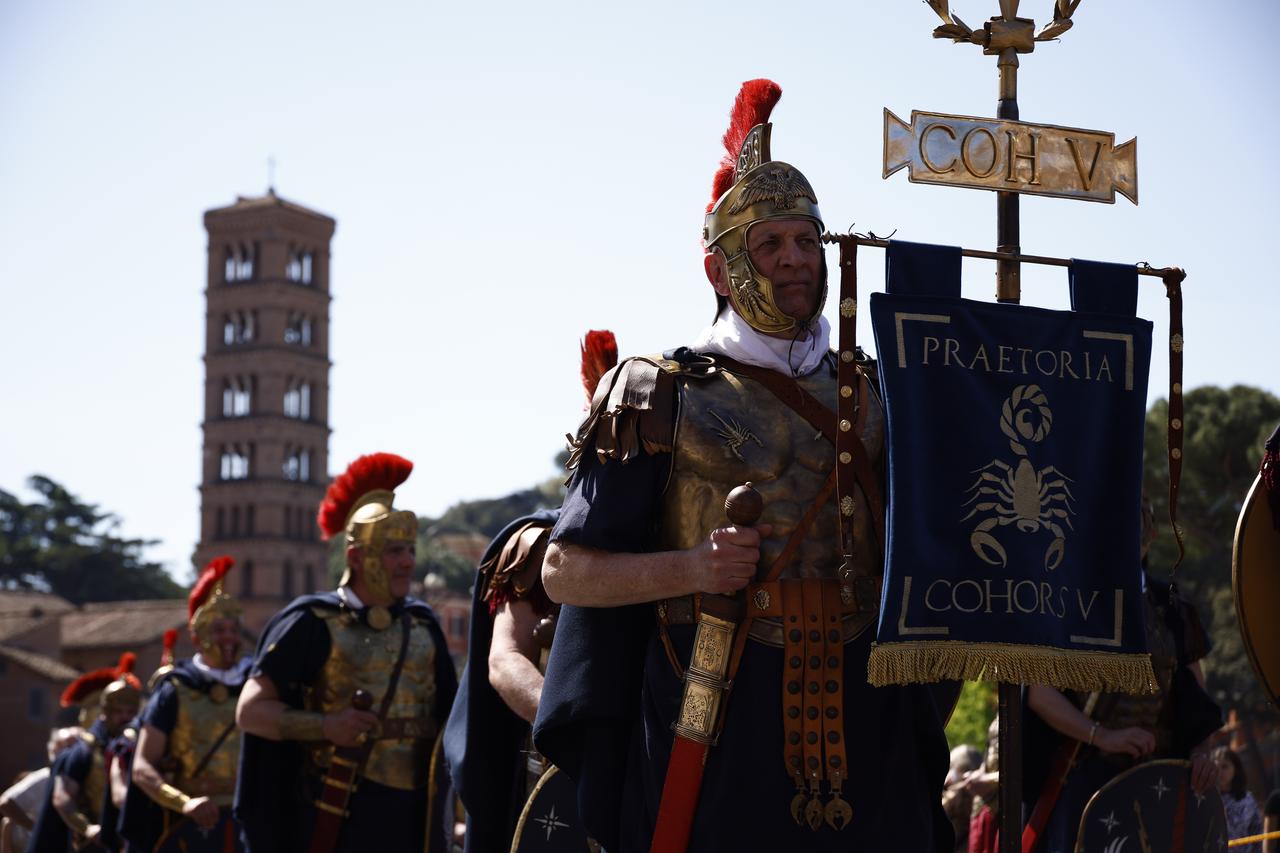
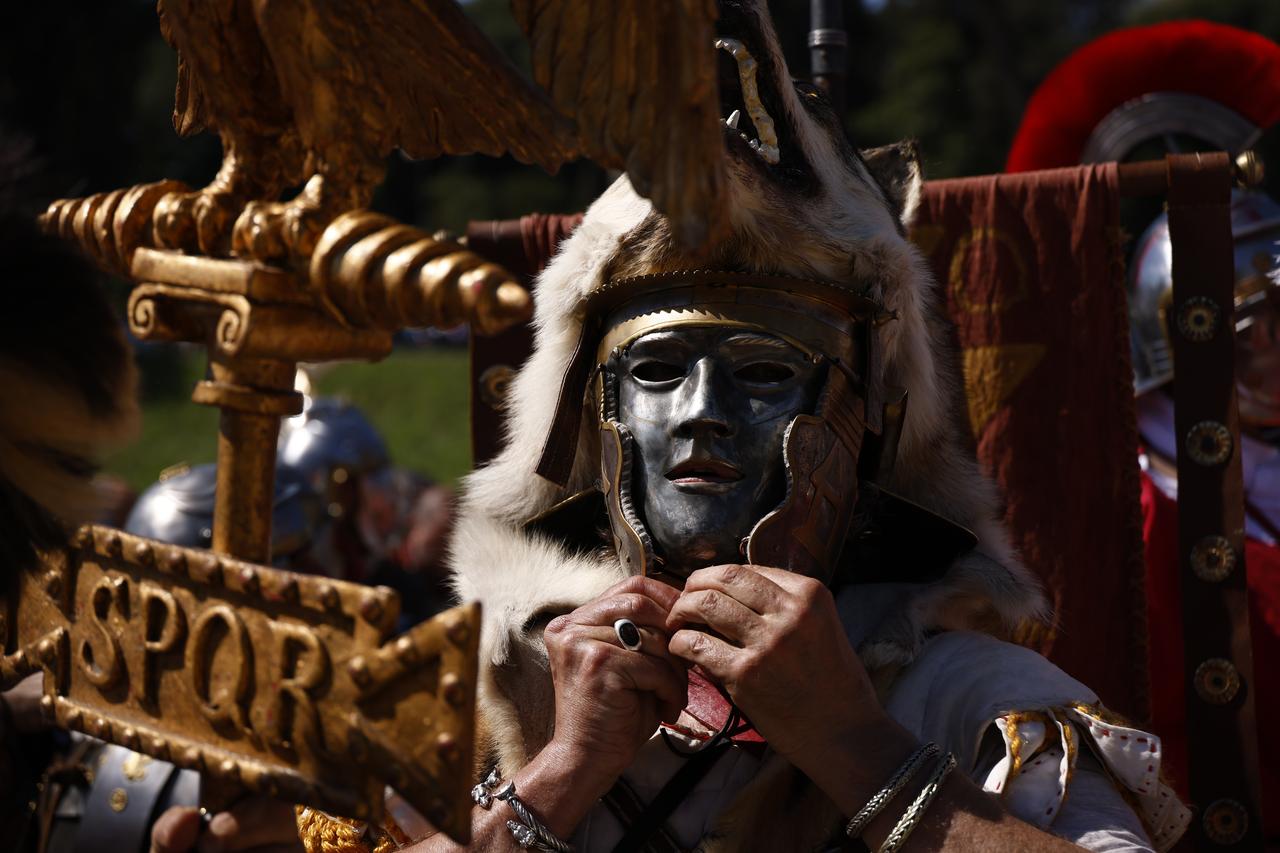
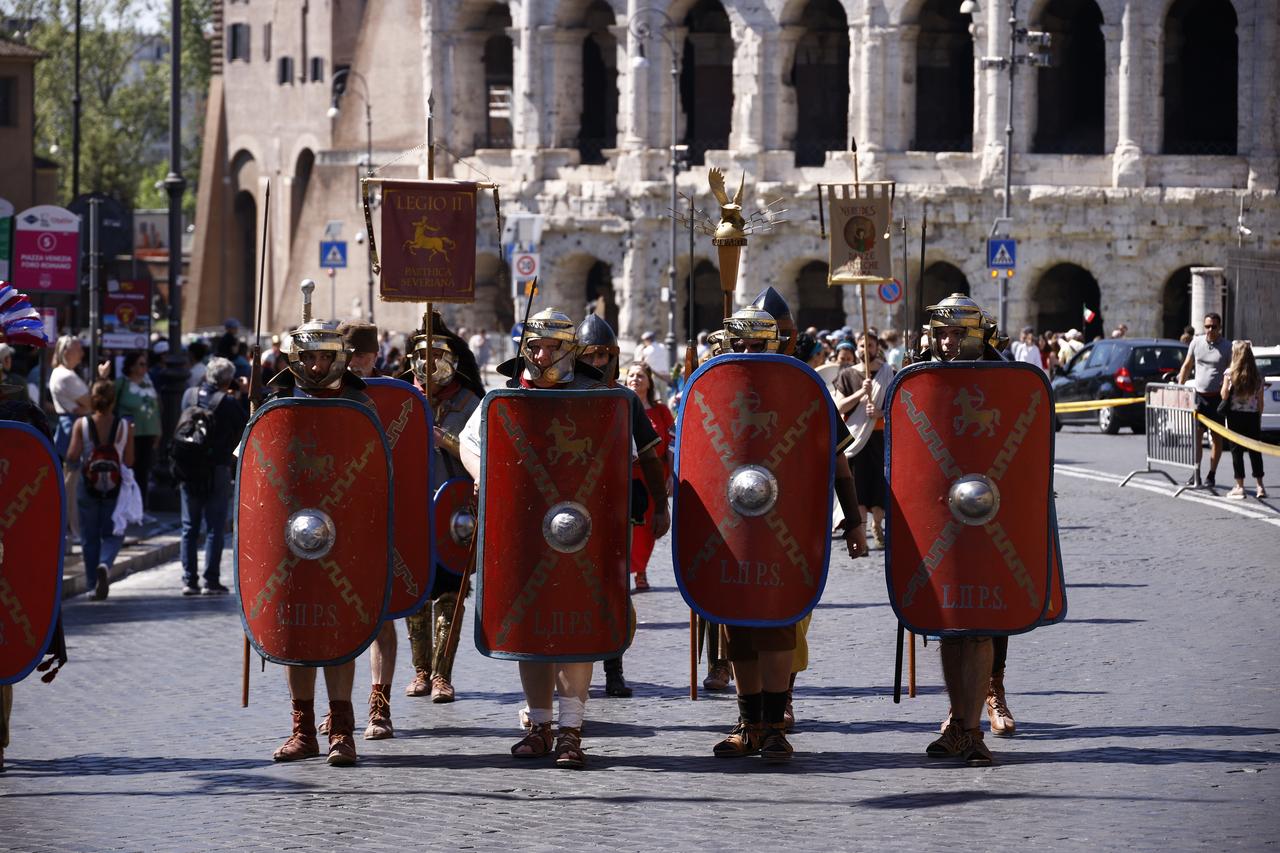
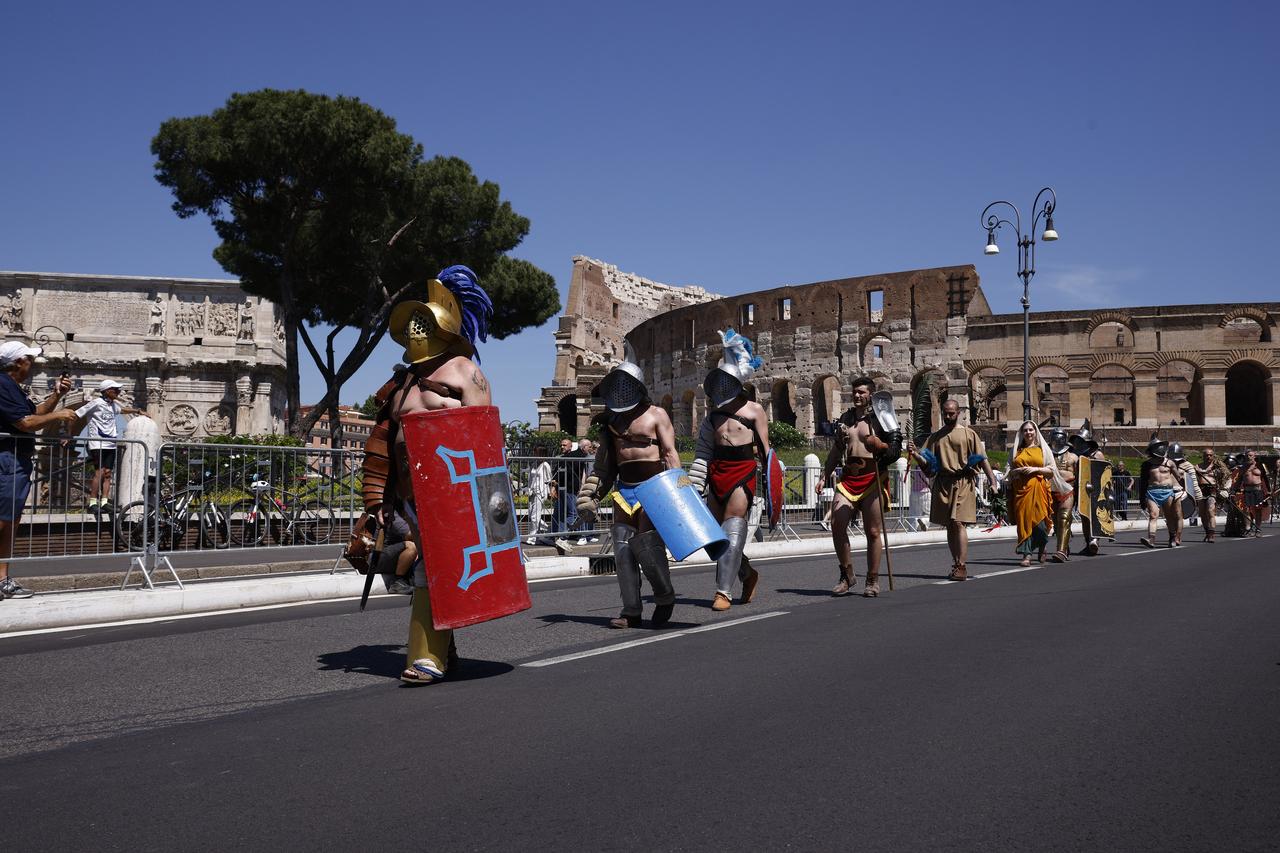
The day’s events did not end with the procession. At Circo Massimo, visual performances were staged to present Rome’s foundation, its development through history and aspects of life in the ancient period.
The shows, together with the parade itself, turned the anniversary into a public celebration that linked the modern city with its classical past.
According to legend, the Roman soldier, historian and writer Varro said that his friend Lucio Taruzio had calculated astrologically that Romulus, the city’s founder, established Rome on April 21, 753 B.C.


 Set as preferred source
 Set as preferred source


 2 min read