Newsletters


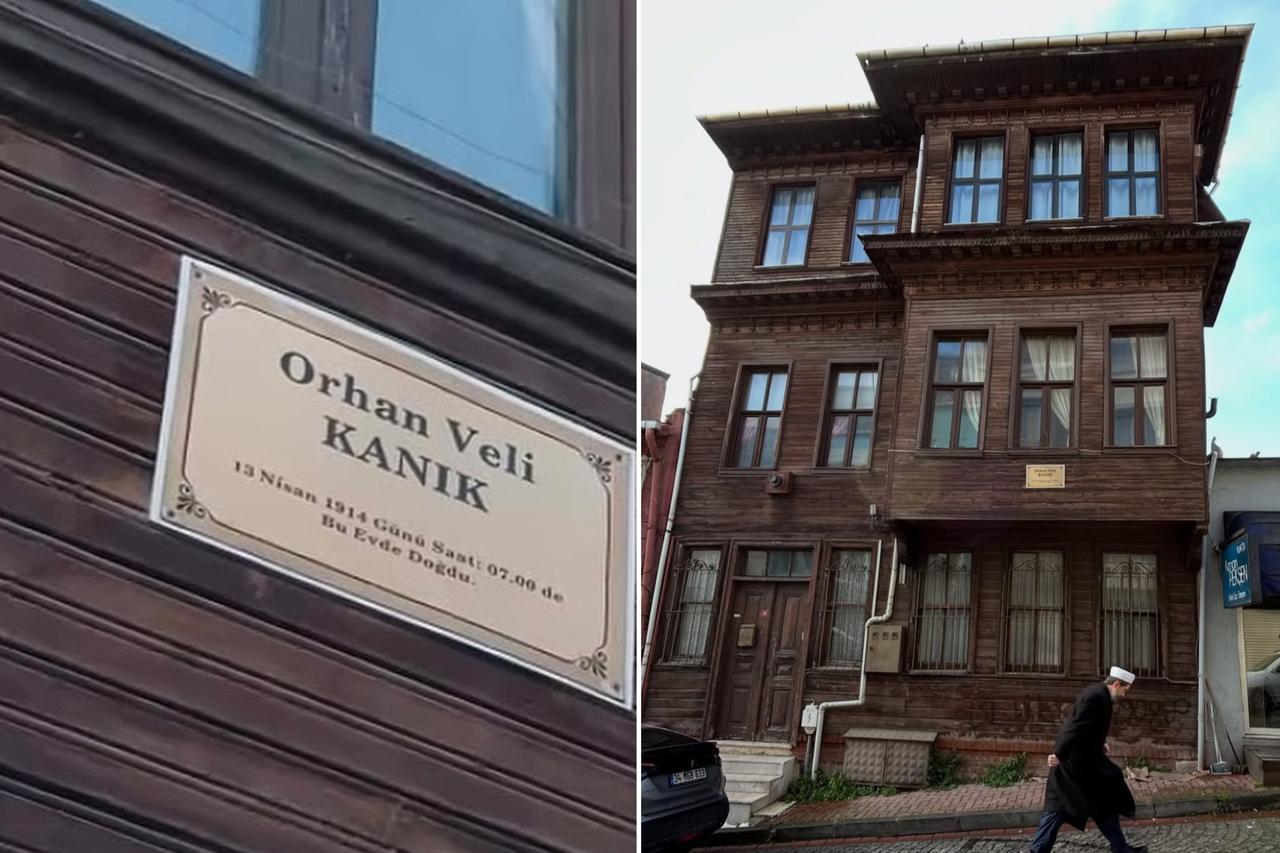


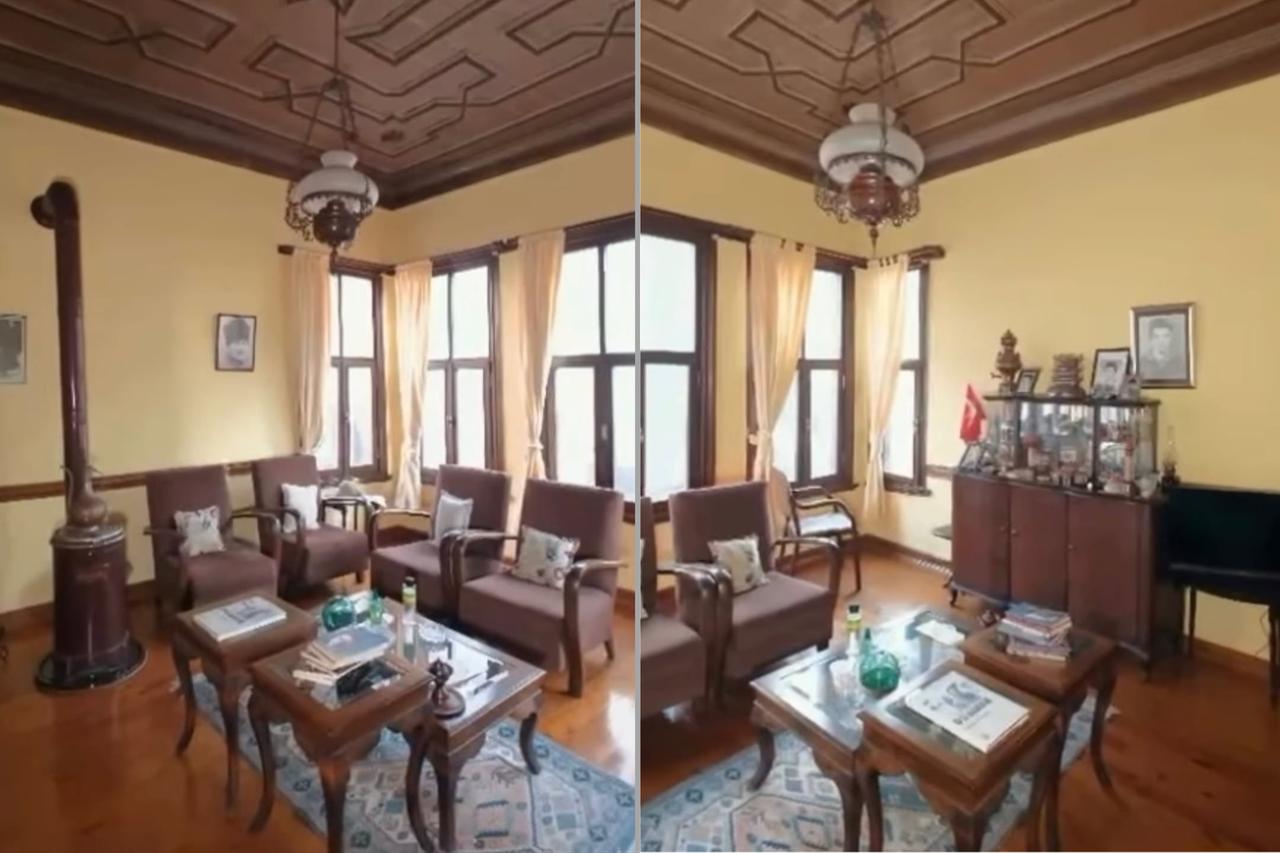
The house where renowned Turkish poet Orhan Veli Kanik was born has been put up for sale in Istanbul’s Beykoz district.
The three story wooden mansion, located on Ishak Aga Street in Beykoz’s Yali Mahallesi, was listed for sale for about ₺80 million ($1.82 million). The sale has triggered public debate over cultural heritage and calls for the building to be preserved as a museum.
Journalist Adil Bali first brought attention to the sale after sharing images on social media showing a “for sale” sign on the historic building’s door. His post quickly spread online and prompted strong reactions.
“Is a house being sold, or Istanbul’s memory?” Bali wrote, describing the structure as more than property but “the memory of poetry, childhood and a city.”
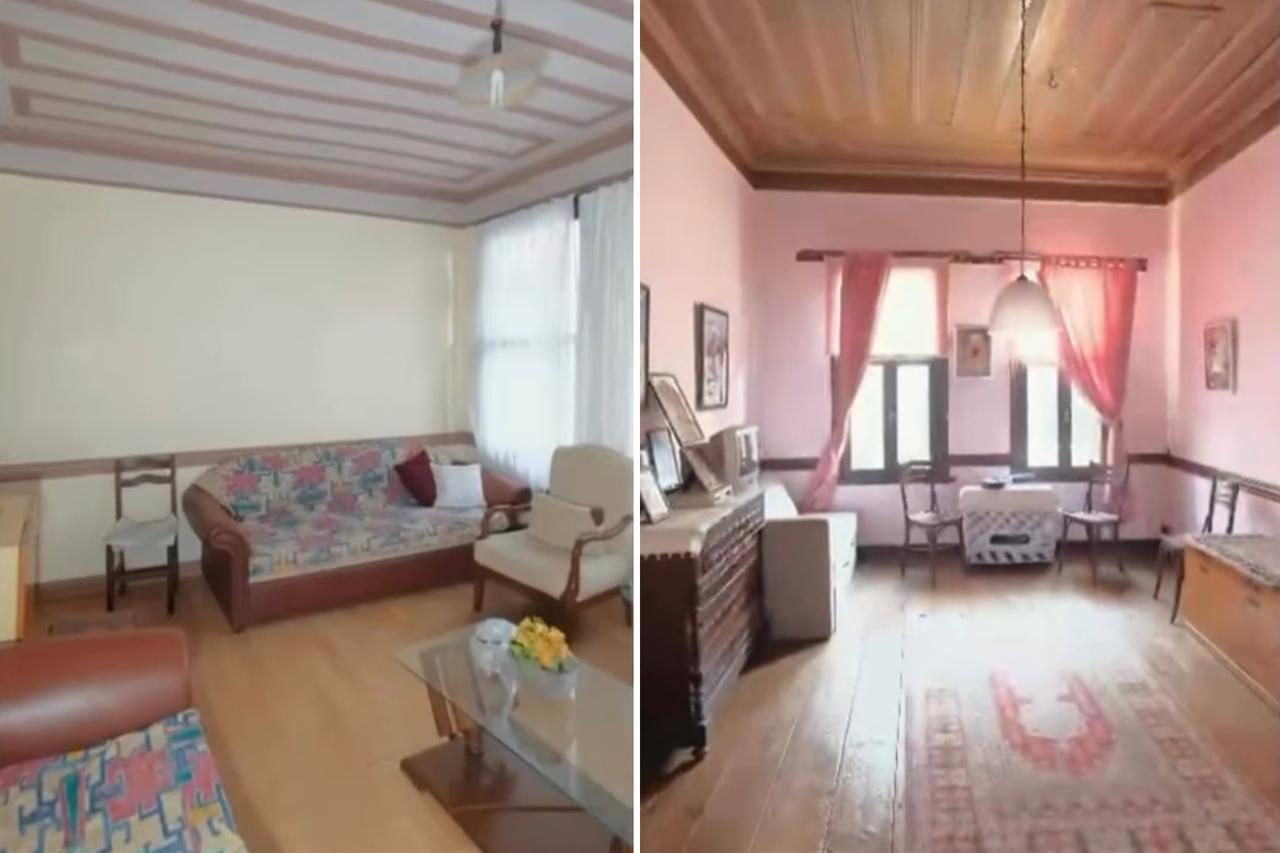

Orhan Veli, one of the founders of the literary movement called Garip that reshaped modern Turkish poetry, was born in the house on April 13, 1914.
The building, a registered structure reflecting Ottoman civil architecture, later changed ownership after the Kanik family moved away in the early 1930s.
According to reports, the owners decided to sell the property because they struggled to cover maintenance and renovation costs.
News of the sale prompted widespread reactions on social media, where many users urged authorities to intervene and protect the building as part of Türkiye’s cultural heritage.
Public calls have focused on the Culture and Tourism Ministry, the Istanbul Governor’s Office, the Istanbul Metropolitan Municipality and Beykoz Municipality, urging them to acquire the property and convert it into an Orhan Veli museum.
Supporters argue the building represents an important part of Istanbul’s cultural memory rather than a private asset.
The house was previously identified as Orhan Veli’s birthplace during the tenure of former Beykoz Mayor Muharrem Ergul between 2004 and 2009.
A brass plaque marking the site was installed with an inscription stating that the poet was born there in 1914. Academic research on his connection to Beykoz was also published during that period.
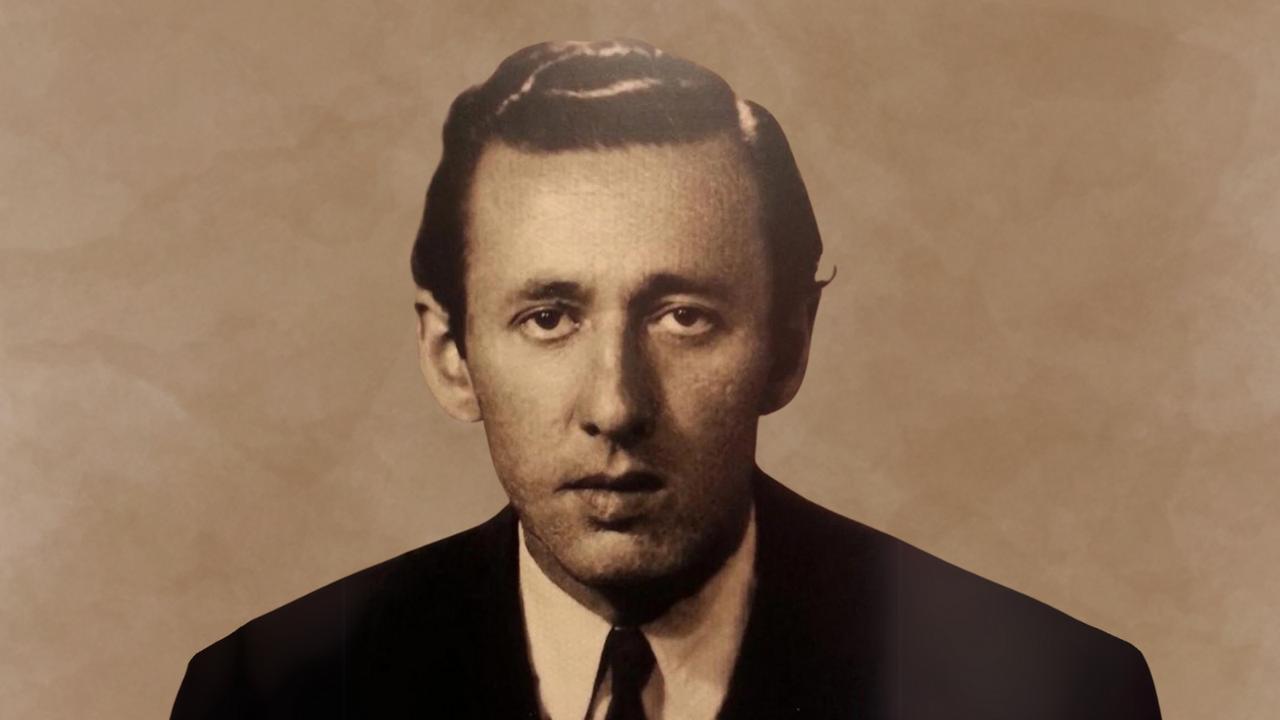
Orhan Veli Kanik remains one of the most influential figures in modern Turkish literature.
He is regarded as a major modernist poet who helped transform Turkish poetry in the 20th century by rejecting traditional forms and adopting everyday language.
Together with Oktay Rifat Horozcu and Melih Cevdet Anday, he launched the Garip movement in 1941, introducing a break from strict meter, rhyme and ornate expression. The movement emphasized ordinary speech and daily life, marking a major shift in Turkish literary tradition. Their joint poetry collection "Strange" (Garip, 1941) became a defining work of this literary transformation.
Kanik’s major poetry collections also include "I Cannot Give Up" (Vazgecemedigim, 1945), "Like an Epic" (Destan Gibi, 1946), "The New One" (Yenisi, 1947) and "Across" (Karsi, 1949), which further developed his focus on everyday language and ordinary life.
Born as Ahmet Orhan in Beykoz to Mehmet Veli Bey, a musician in the Ottoman imperial orchestra, and Fatma Nigar Hanim, the poet later became widely known as Orhan Veli. His childhood was spent in Beykoz, Besiktas and Cihangir before his family moved to Ankara.
His works, including the famous lines “I am listening to Istanbul, my eyes closed,” continue to shape the cultural identity of the city he frequently portrayed in his poetry.
Kanik died in 1950 at the age of 36 following a brain hemorrhage, but his influence on Turkish literature remains significant.
The house is a three story wooden structure with a garden and panoramic views and carries official heritage status, though it remains privately owned.


 Set as preferred source
 Set as preferred source



 1 min read