Newsletters


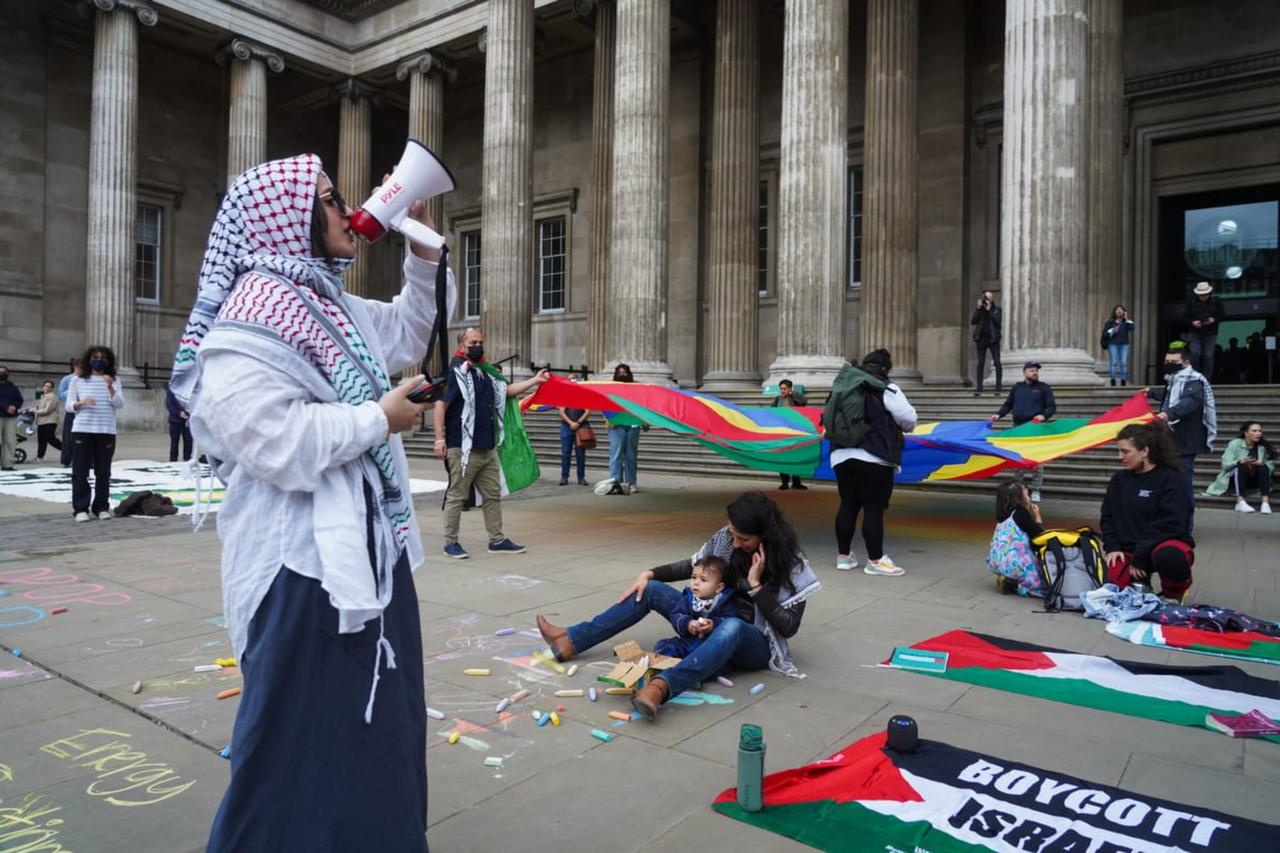


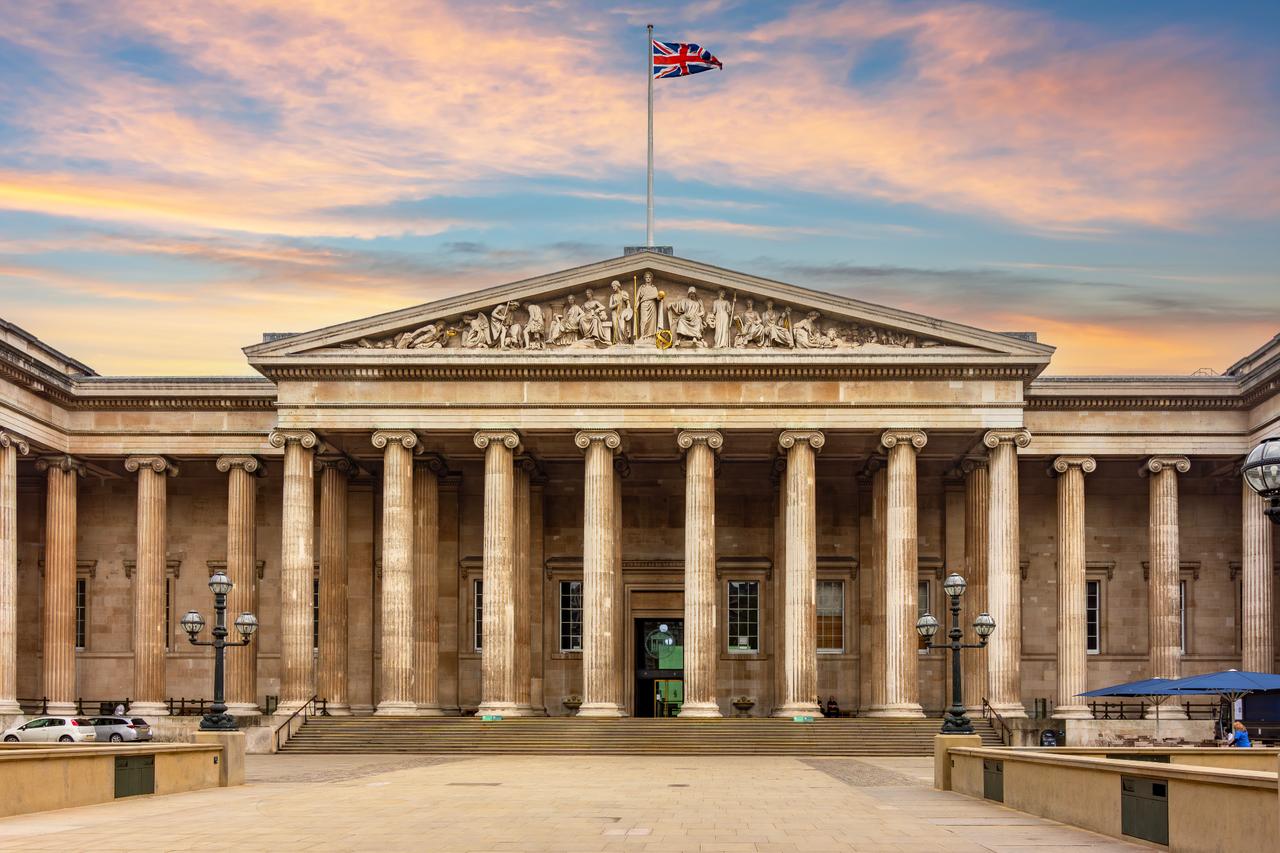
The British Museum’s decision to remove the word “Palestine” from several ancient Middle East exhibits has triggered renewed debate over historical terminology, representation, and the political meaning of museum language, drawing criticism from cultural figures in Türkiye and beyond.
The revisions followed complaints by a pro-Israel legal group and were presented by the museum as part of an effort to improve historical accuracy. However, the move has prompted wider discussion about how cultural institutions frame history and identity, particularly in regions shaped by colonial-era narratives.
The British Museum confirmed that it updated information panels and maps in its ancient Middle East galleries after concerns were raised by U.K. Lawyers for Israel, a voluntary association of solicitors. The group argued that applying the term “Palestine” to ancient civilizations imposed a modern label on periods that predated the name’s historical usage.
According to the museum, curators reviewed displays individually and replaced certain references to “Palestinian descent” with “Canaanite descent,” particularly in panels related to ancient Egypt and the Hyksos people. Maps referring to ancient cultural regions were also revised as part of a broader redisplay and reconstruction program.
Museum officials stated that terminology was adjusted to better reflect historical context, noting that “Canaan” was considered more appropriate for describing the southern Levant during the later second millennium B.C. The institution added that modern political terminology continues to follow United Nations usage when contemporary borders are shown, including Gaza, the West Bank, Israel and Jordan.
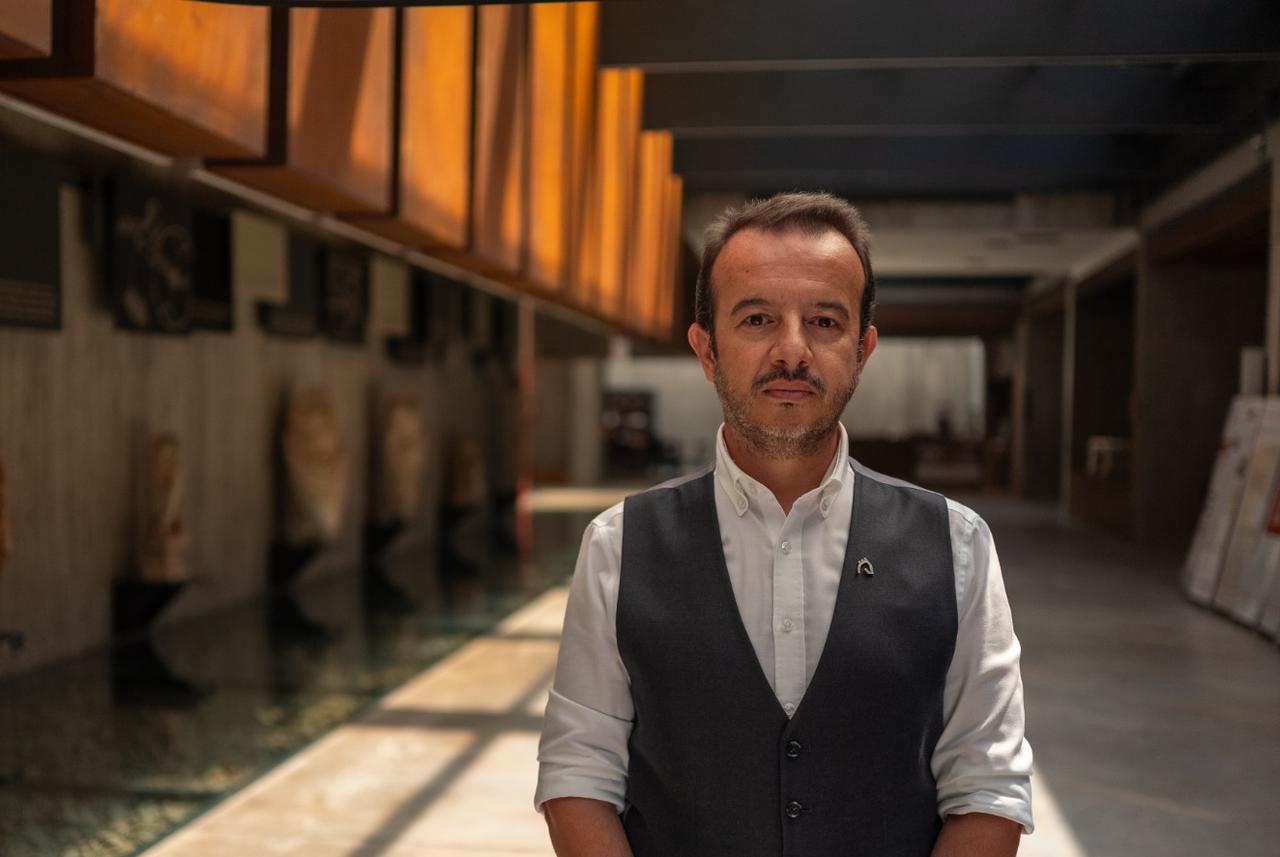

Ridvan Golcuk, director of the Yasar Museum and a well-known museum specialist in Türkiye, interpreted the change as part of a longer historical pattern concerning cultural authority and naming power.
He argued that decisions about what places are called cannot be viewed merely as curatorial adjustments, saying:
“The Middle East is famous for maps drawn by the British with a ruler. Lawrence is gone, Gertrude Bell is gone; we are in a new century. Yet this time, it is a museum deciding what a place on the map should not be called."
Golcuk linked the controversy to earlier debates surrounding the restitution of the Benin Bronzes, stating that cultural returns alone do not erase colonial legacies. He suggested that colonialism persists not only through territorial control but through the authority to define and classify cultures and regions.
According to him, removing the name “Palestine” demonstrates how naming itself remains a form of power, adding that the act of renaming or omission reflects broader ways of “feeling, thinking and naming the world.” He also claimed the decision followed a proposal by a U.K.-based pro-Israel group, emphasizing that institutional language choices shape historical narratives as much as exhibitions themselves.
Golcuk further argued that cultural institutions risk undermining their ethical credibility when geographic identities are excluded from public displays. He said that normalizing the absence of a place name inside museum spaces does not only remove a word but challenges the institution’s own moral claims.
His remarks positioned the controversy within what he described as a wider legitimacy crisis facing Western liberal narratives after World War II, suggesting that eurocentric reflexes continue to influence cultural interpretation even as global power balances evolve.
The dispute over naming echoes earlier historical milestones tied to British involvement in the region, particularly the 1917 Balfour Declaration. Issued by then British Foreign Secretary Arthur Balfour during World War I, the declaration expressed support for establishing a “national home for the Jewish people” in territories then part of the Ottoman Empire.
The brief statement, consisting of sixty-seven words, became a foundational reference point in both Israeli and Palestinian historical narratives. While it endorsed a Jewish national homeland, it avoided defining clear borders and used deliberately ambiguous terminology, leaving long-term political interpretations open to debate.


 Set as preferred source
 Set as preferred source


 1 min read


 1 min read