Newsletters


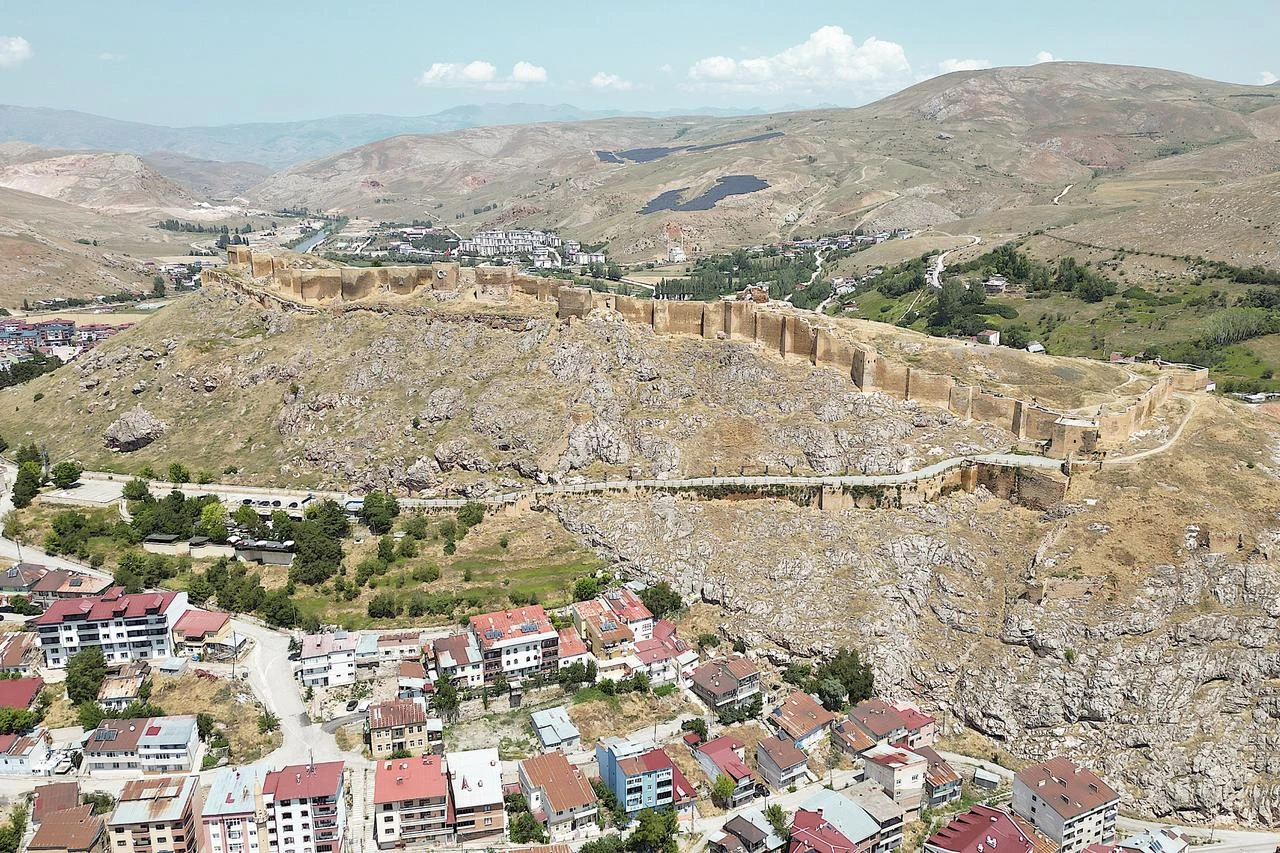


Archaeologists working at Bayburt Castle, a major fortress overlooking a historic Silk Road route in northeastern Türkiye, have uncovered pottery dating back to around 3,000 B.C., along with medieval settlement remains and evidence of destruction linked to the 1828 Ottoman-Russian War.
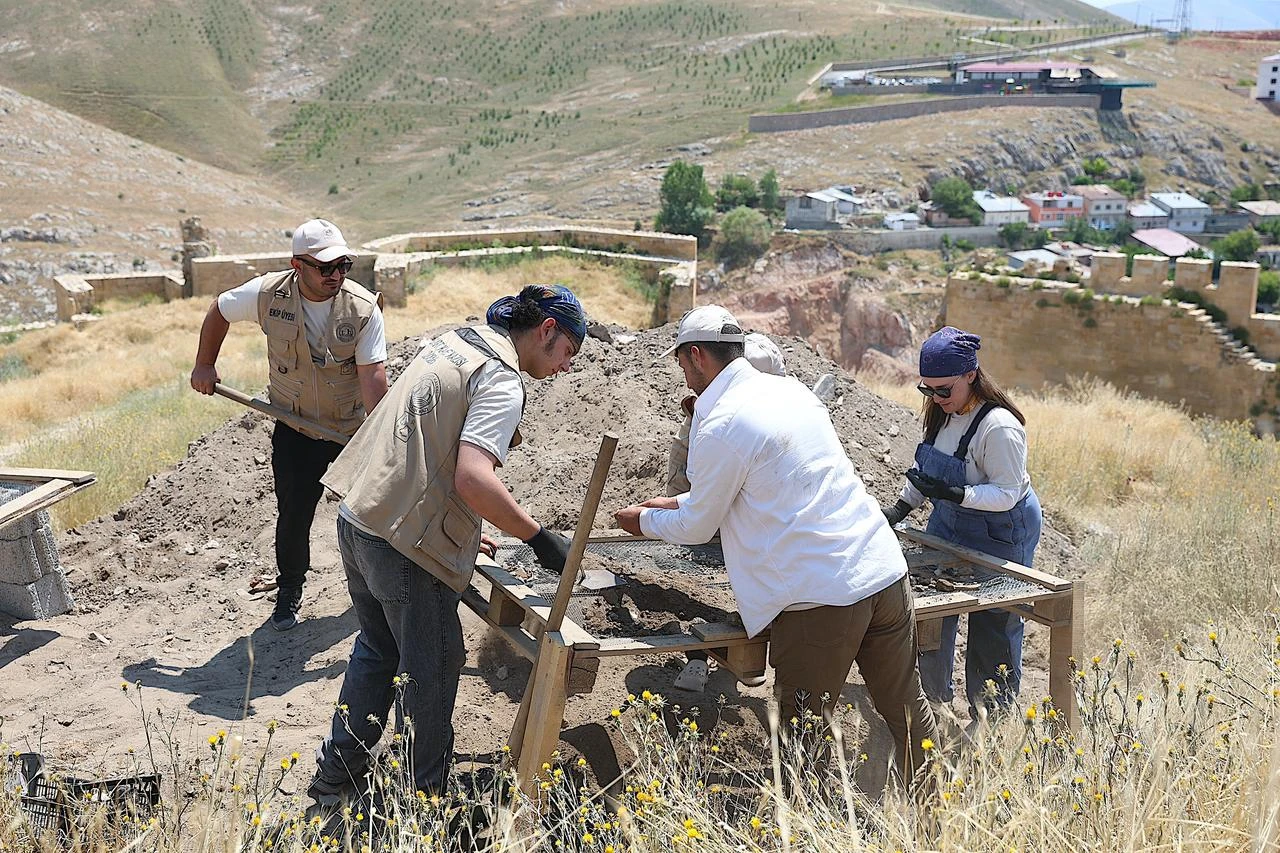
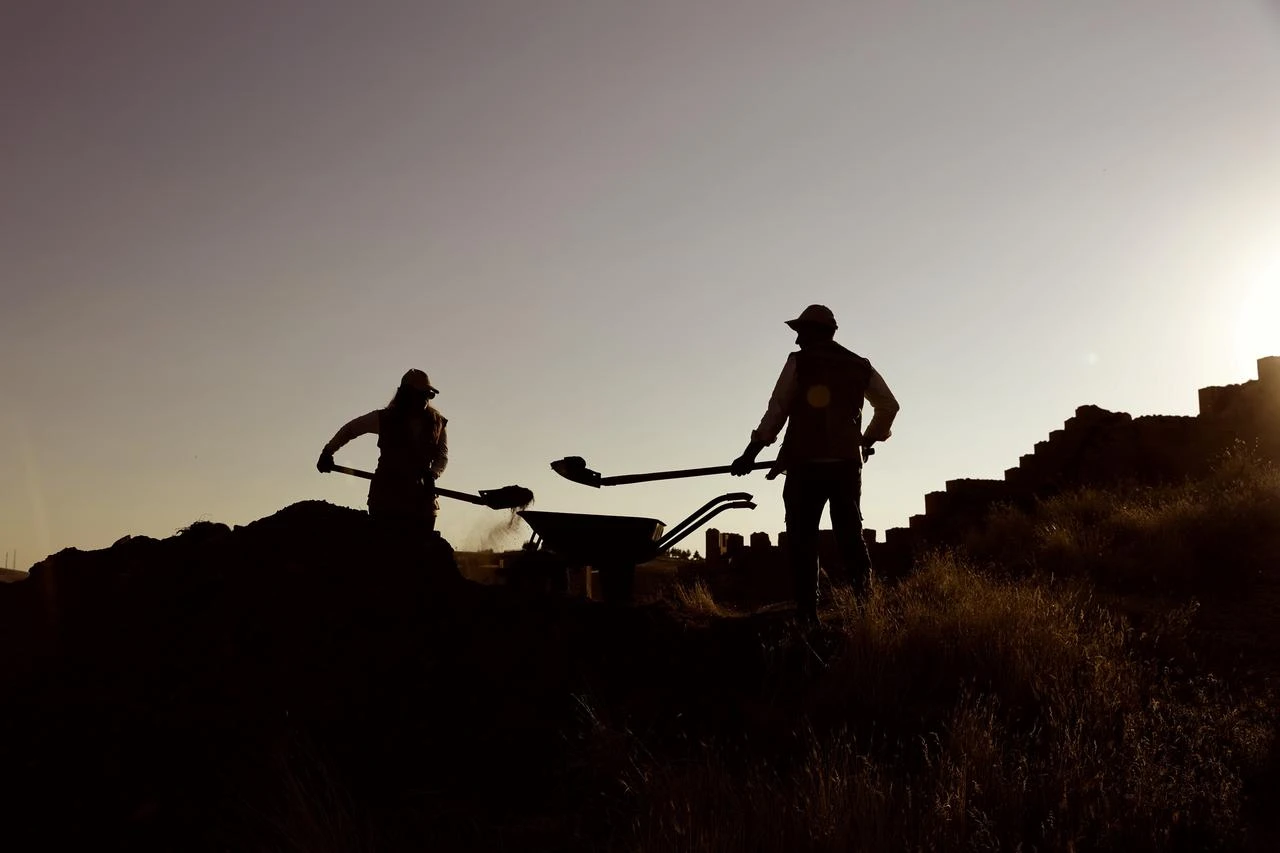
The excavations, launched under the supervision of the Culture and Tourism Ministry and Bayburt Governor's Office, are being carried out by a 51-member team that includes academics from Istanbul Medeniyet University.
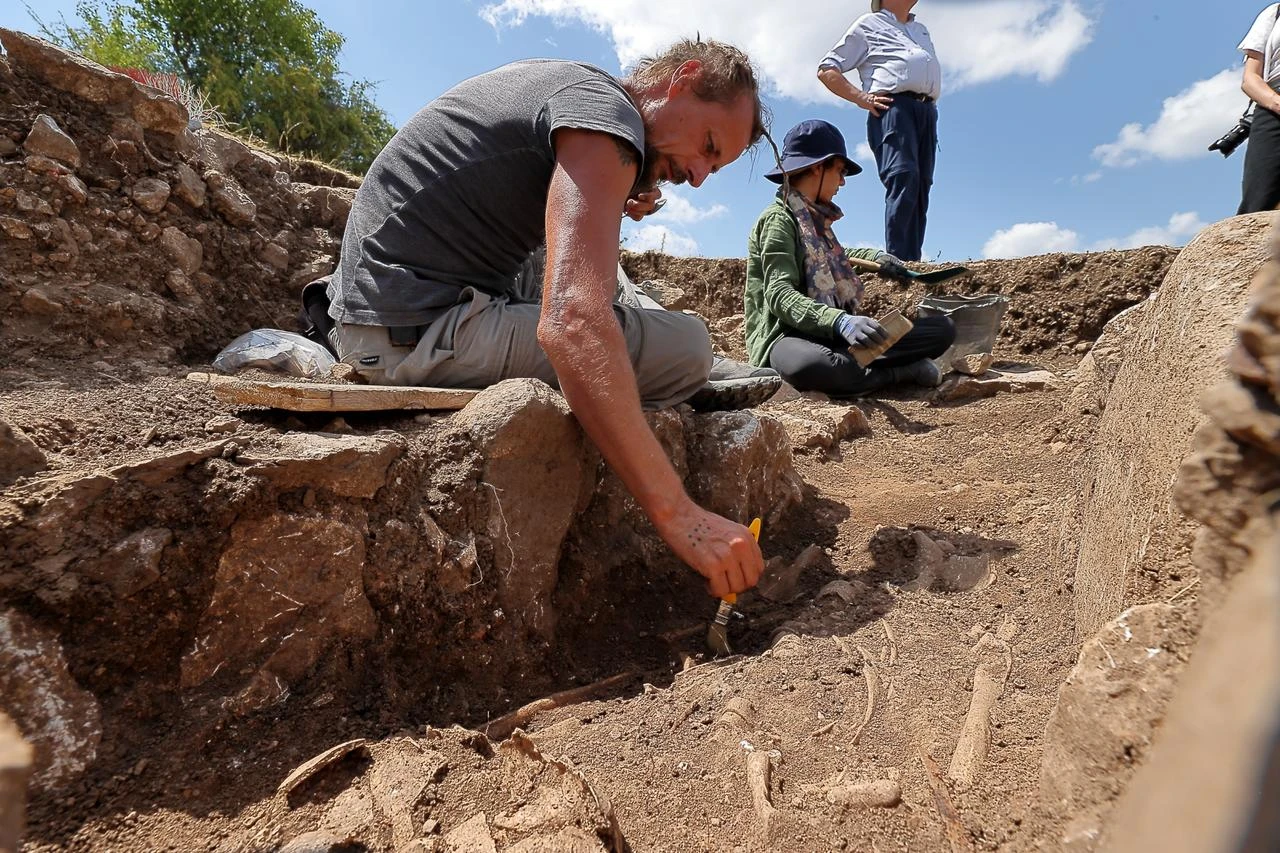
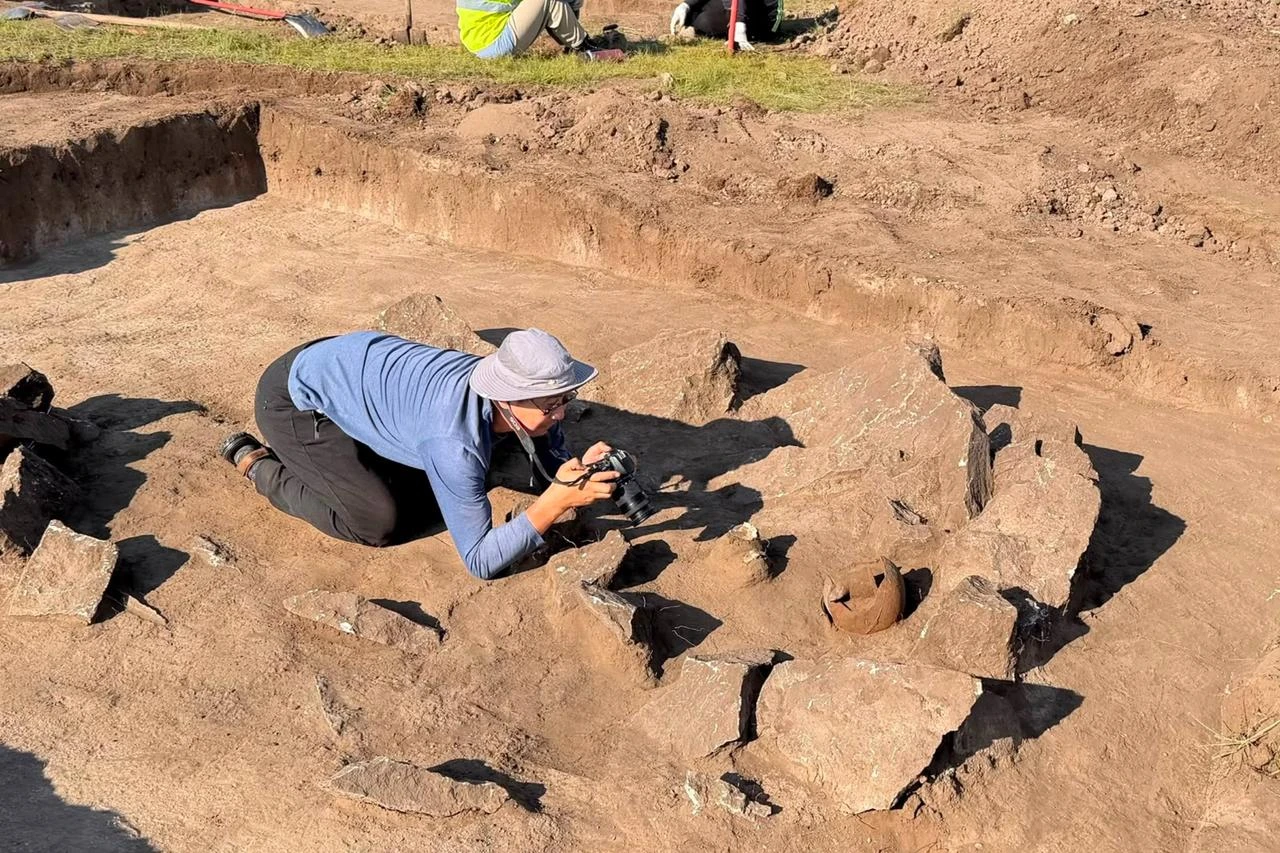
During their first month of work at two sections of the castle, the researchers identified previously unknown settlement areas and brought to light artifacts belonging to several periods.

Excavation director Resul Yelen said some of the pottery fragments could be traced back to the Early Bronze Age, around 3000 B.C.
The findings also confirmed the presence of the Karaz culture in Bayburt. The term refers to an Early Bronze Age archaeological culture associated with the Caucasus and the Erzurum region of eastern Anatolia.
"Some of the pieces we have found can be dated back to 3,000 B.C. and the Early Bronze Age. We have once again established that the Karaz culture, centered around the Caucasus and Erzurum, was also present in Bayburt," Yelen said.
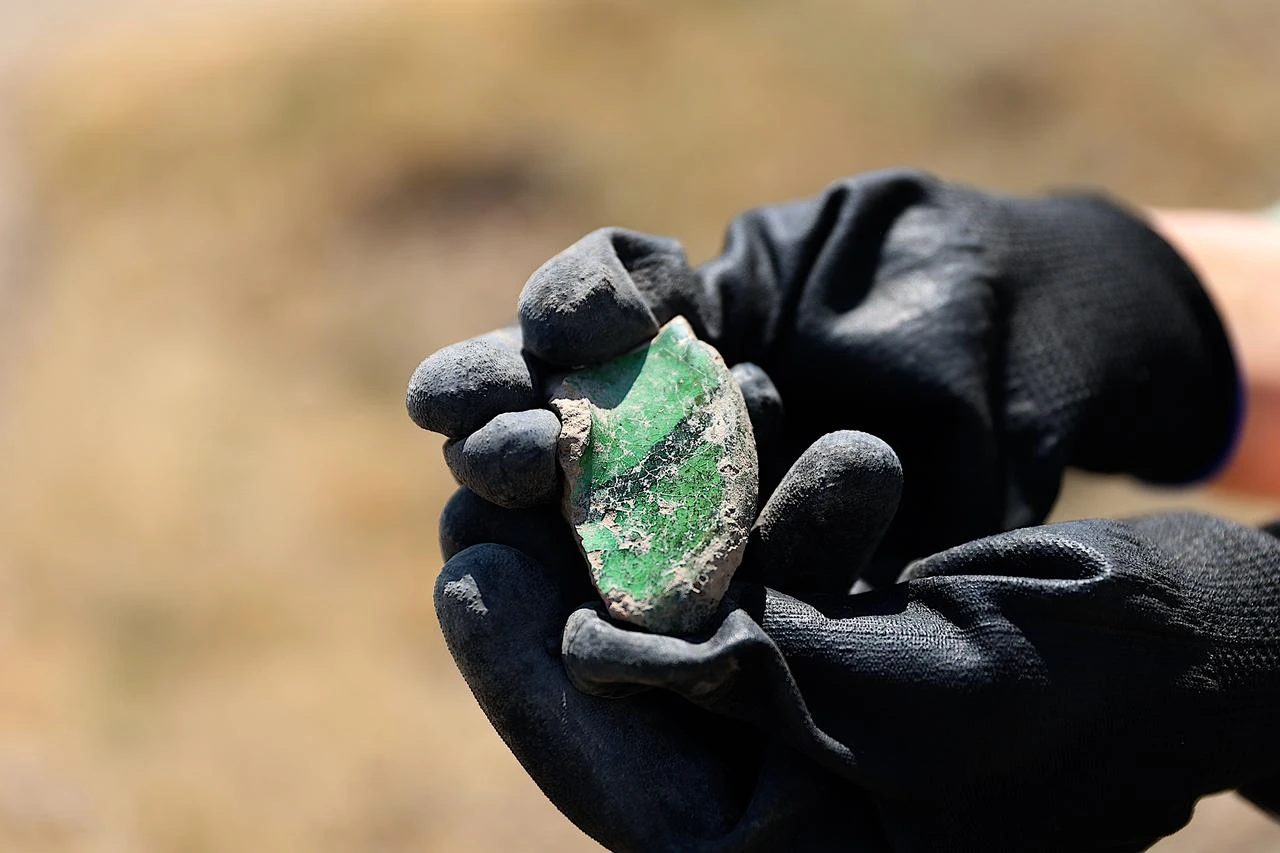
The team also recovered ceramics associated with the Byzantine, Seljuk and Saltuklu periods, as well as numerous pieces from the Ottoman era. Other finds included coins, glass bracelets and fragments of clay tobacco pipes.
Archaeologists identified five spaces believed to have served as homes and workplaces, three of which have so far been opened up.
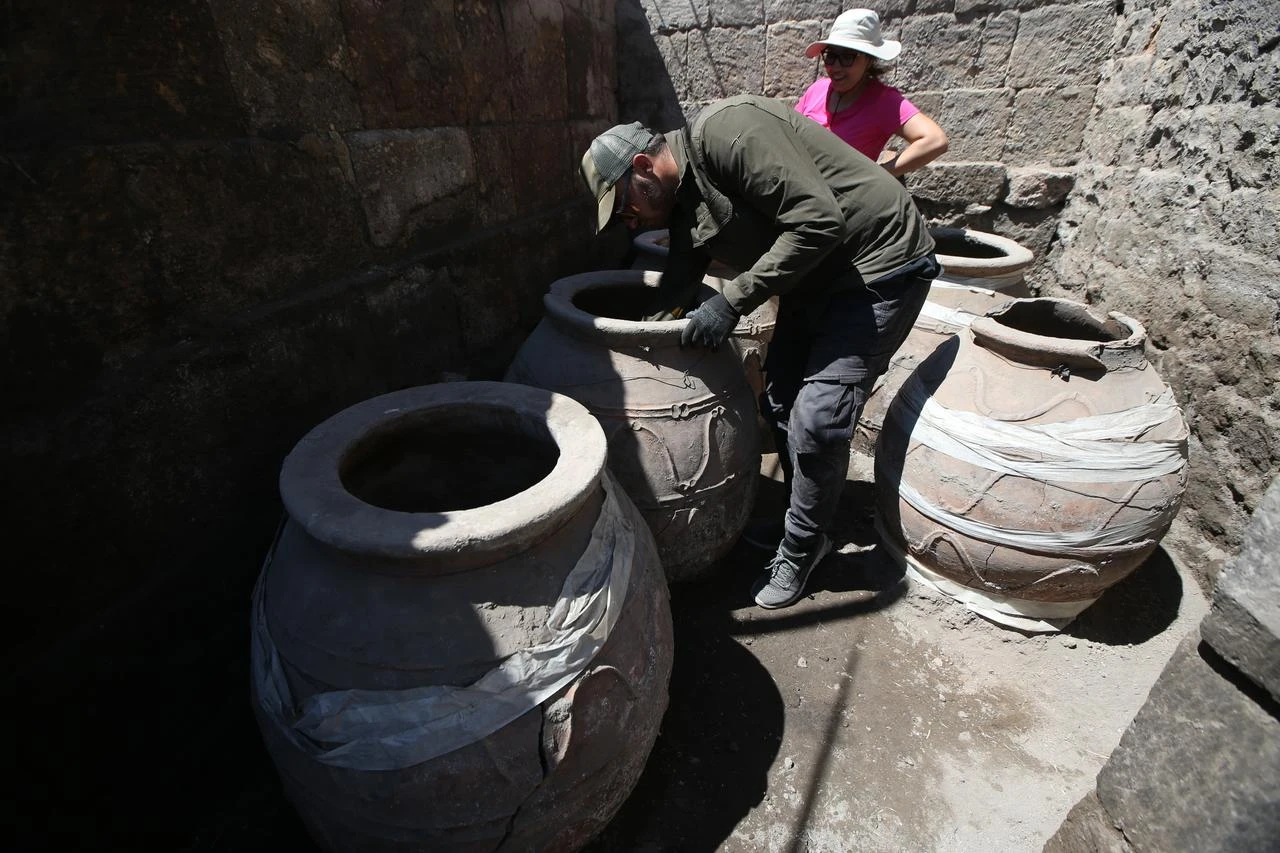
Inside one of the spaces, the team came across pottery used for preparing food and the remains of a tandir, a traditional oven commonly used in Anatolia.
Burn marks on walls, charred wooden remains and evidence that doors and rooms had been set on fire revealed a distinct destruction layer.
Yelen said the team believed the fire was most likely connected to the Ottoman-Russian War of 1828. Metal cannonballs and other remains also pointed to the presence of an Ottoman ammunition facility inside the fortress.
The excavations are expected to move on to a fourth building after work on the current spaces is completed.
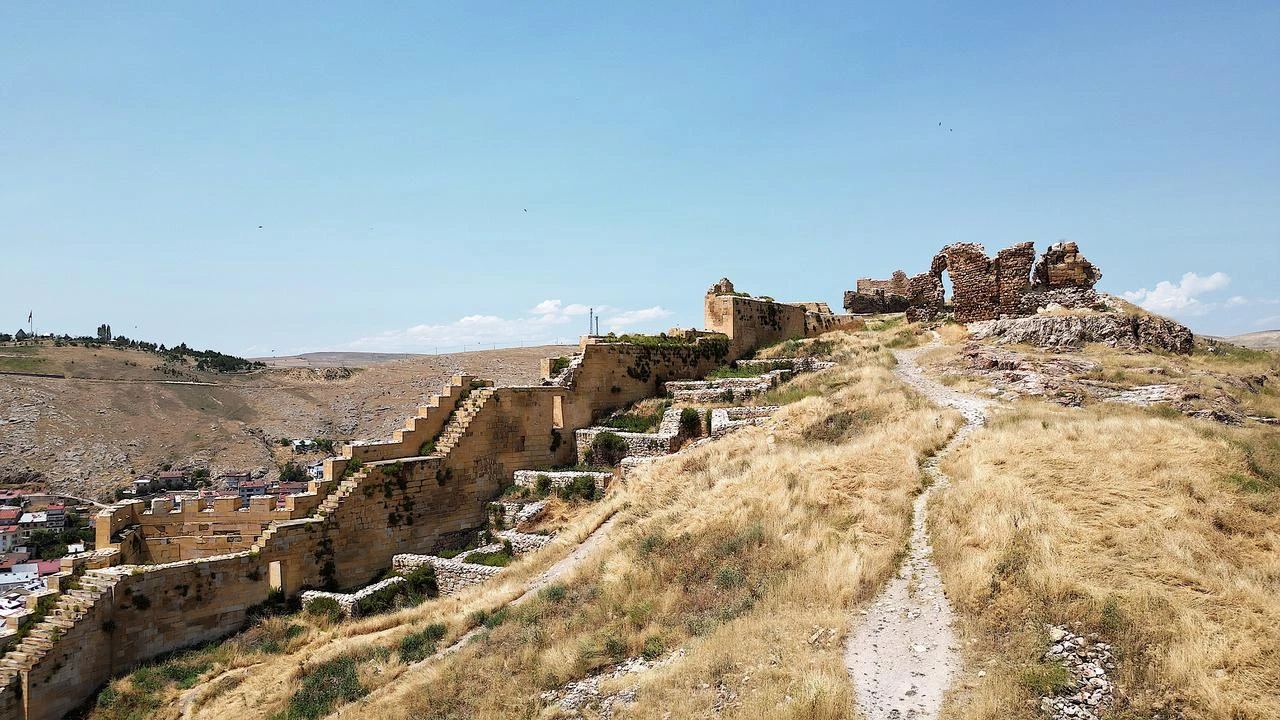
Built on steep rocks north of Bayburt's city center, the castle covers approximately 150,000 square meters, making it the third-largest castle in Türkiye by settlement area.
Its construction date remains uncertain, although the fortress was controlled at different times by the Romans, Byzantines, Arabs and Turks. It functioned both as a military stronghold and as a civilian settlement because of its strategic position along the Silk Road.
Bayburt Governor Mustafa Eldivan said the first phase of excavations had already turned up new residential areas, traces of the Ottoman-Russian conflict and artifacts showing that life at the castle continued until relatively recent times.
"We want to open this place up to history, tourism and our cultural life. Our citizens are very excited about it," Eldivan said.
The archaeological project is planned to run for 10 years, with work expected to pick up further from next year.
Eldivan said the different occupation layers stretching from the Bronze Age to the 19th century could make a significant contribution to Bayburt's cultural, social and tourism life.
The castle is also associated with the stories of Dede Korkut, a collection of heroic narratives rooted in the cultural traditions of Turkic communities.
Alongside the excavations, the research team plans to carry out restoration work to preserve the structures and remains uncovered at the site.


 Set as preferred source
 Set as preferred source


 1 min read
 1 min read