Newsletters


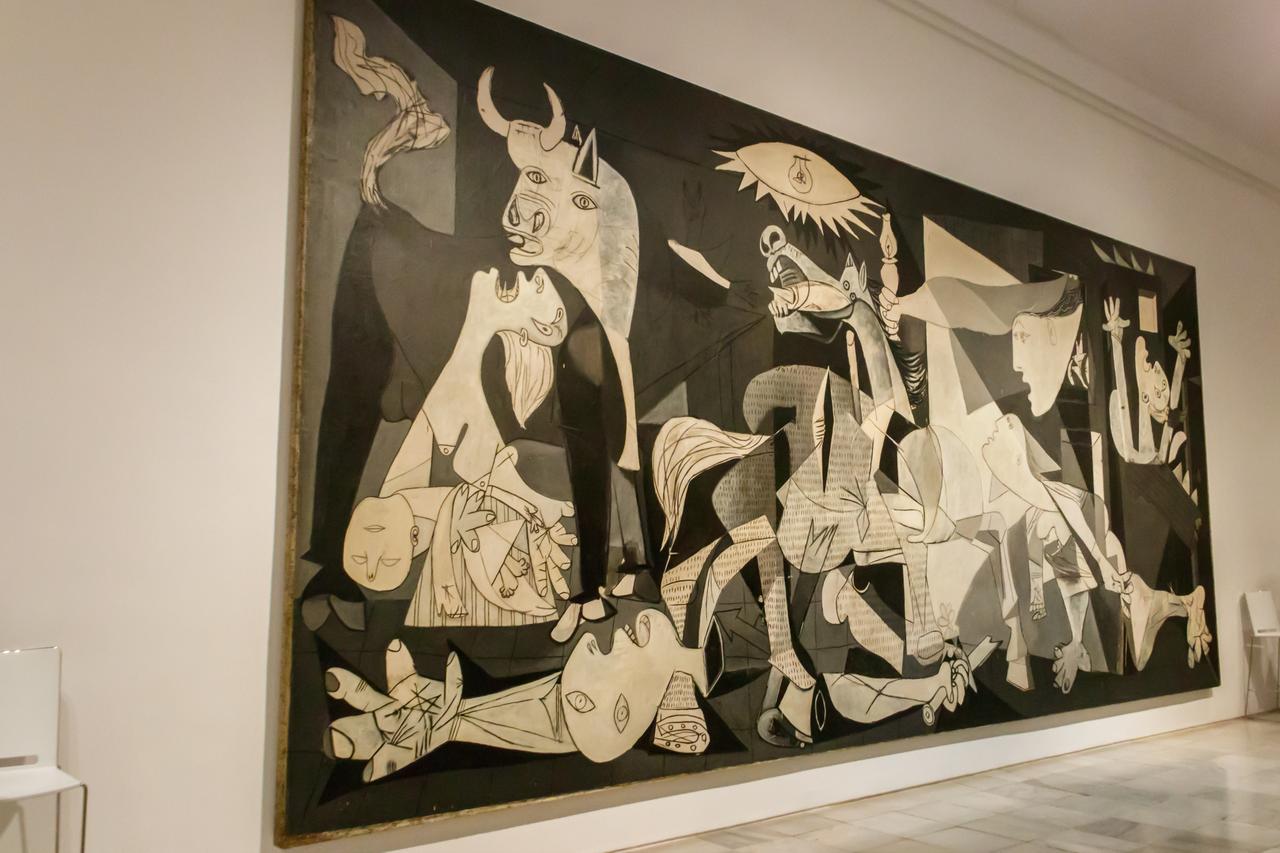


The Basque and Madrid regional governments are in a heated dispute over a request to move Pablo Picasso's famous painting, "Guernica."
The Basque government wants to house the masterpiece in the Guggenheim Museum in Bilbao for nine months. This move would mark the 90th anniversary of the bombing of the town of Gernika and the formation of the first Basque government.
The painting has remained in the Reina Sofia museum in Madrid since 1992. Regional officials in Madrid and museum experts have repeatedly blocked requests to move the artwork.
This latest attempt has triggered a sharp exchange of insults between political leaders.
Isabel Diaz Ayuso, the conservative president of Madrid, criticized the request during a public event.
She called the desire to move the painting "provincial" and "cateto," a Spanish term for unsophisticated. Ayuso argued that culture is universal rather than local, as reported by El Pais.
"It makes no sense for everything to be returned to its origin," she said. She suggested that if this logic were followed, all of Picasso's works would have to move to his birthplace in Malaga.
Aitor Esteban, the leader of the Basque nationalist party, responded by mocking Ayuso's own version of national identity. He referred to her support for keeping bars open during the pandemic. Esteban stated that if anyone was provincial, it was Ayuso.
Basque President Imanol Pradales also challenged the central government in Madrid. He questioned why the government could move the remains of Francisco Franco from his tomb but could not move a painting to the Basque region.
During a speech in Bilbao, Pradales asked, "Is the Spanish Government going to have the political courage to bring the Guernica to Euskadi? Yes or no?"
The Reina Sofia museum released a technical report that strongly advises against moving the painting. Conservation experts claim the work is in a very delicate state.
They identified several risks associated with transporting the massive canvas:
The Ministry of Culture supports the museum's findings. Minister Ernest Urtasun stated that his department must preserve national heritage. He noted that experts have always advised against moving the work due to its damaged condition.
The museum previously turned down a loan request from the Museum of Modern Art in New York in 2000 for the same reasons.
Picasso painted the black and white masterpiece in 1937.
It depicts the aerial bombardment of the town of Gernika by Italian and Nazi German air forces. These forces were allies of General Francisco Franco during the Spanish Civil War. The attack targeted civilians and became an early example of modern total warfare.
The painting spent many years at the Museum of Modern Art in New York. Picasso refused to allow the work to return to Spain while Franco was in power. It finally arrived in Spain in 1981, six years after the dictator's death. Since then, it has become a central icon of Spanish democracy and historical memory.
Basque officials believe moving the painting would be a powerful gesture of "historical repair." They want the work to be on display in Bilbao from October 1, 2026, until June 30, 2027.
While the Basque government asks for new technical studies using 2026 technology, the Madrid government maintains that the painting's safety must come first. This debate continues to highlight deep political divisions within Spain.


 Set as preferred source
 Set as preferred source


 3 min read