Newsletters


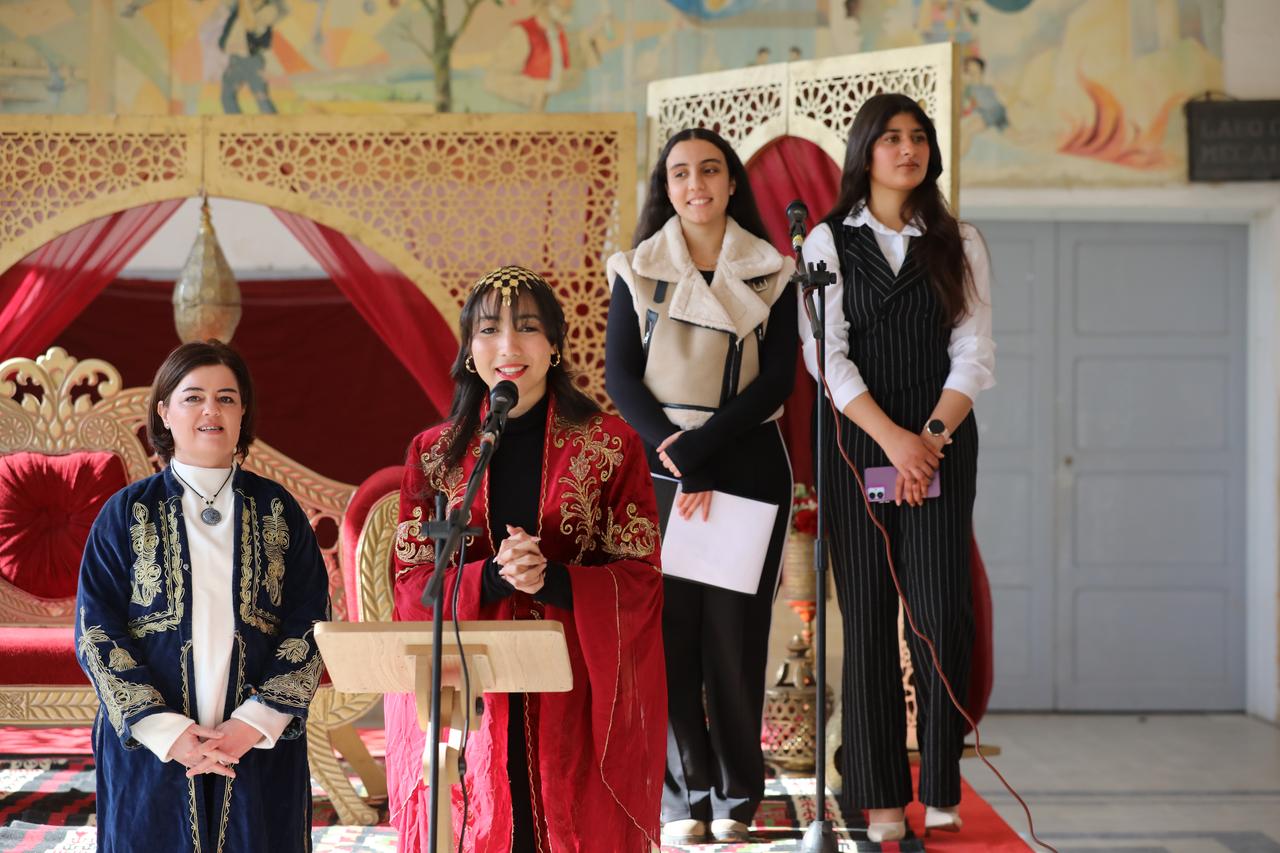


Students learning Turkish in Tunisia came together in the coastal city of Sousse for a Turkish Culture Day event that highlighted the growing role of language and education in ties between Türkiye and Tunisia, with young participants presenting their Turkish skills and cultural knowledge to a wide audience.
The event was hosted at Tahir Sefer High School in Sousse and brought together the Turkish ambassador to Tunisia, Ahmet Misbah Demircan, along with school administrators, Tunisian officials, teachers, students, and parents.
Throughout the program, students studying Turkish at different high schools in the region introduced themselves in Turkish and spoke about how they had taken up the language and progressed in their studies. The strong turnout reflected rising interest in Turkish language education across Tunisia.
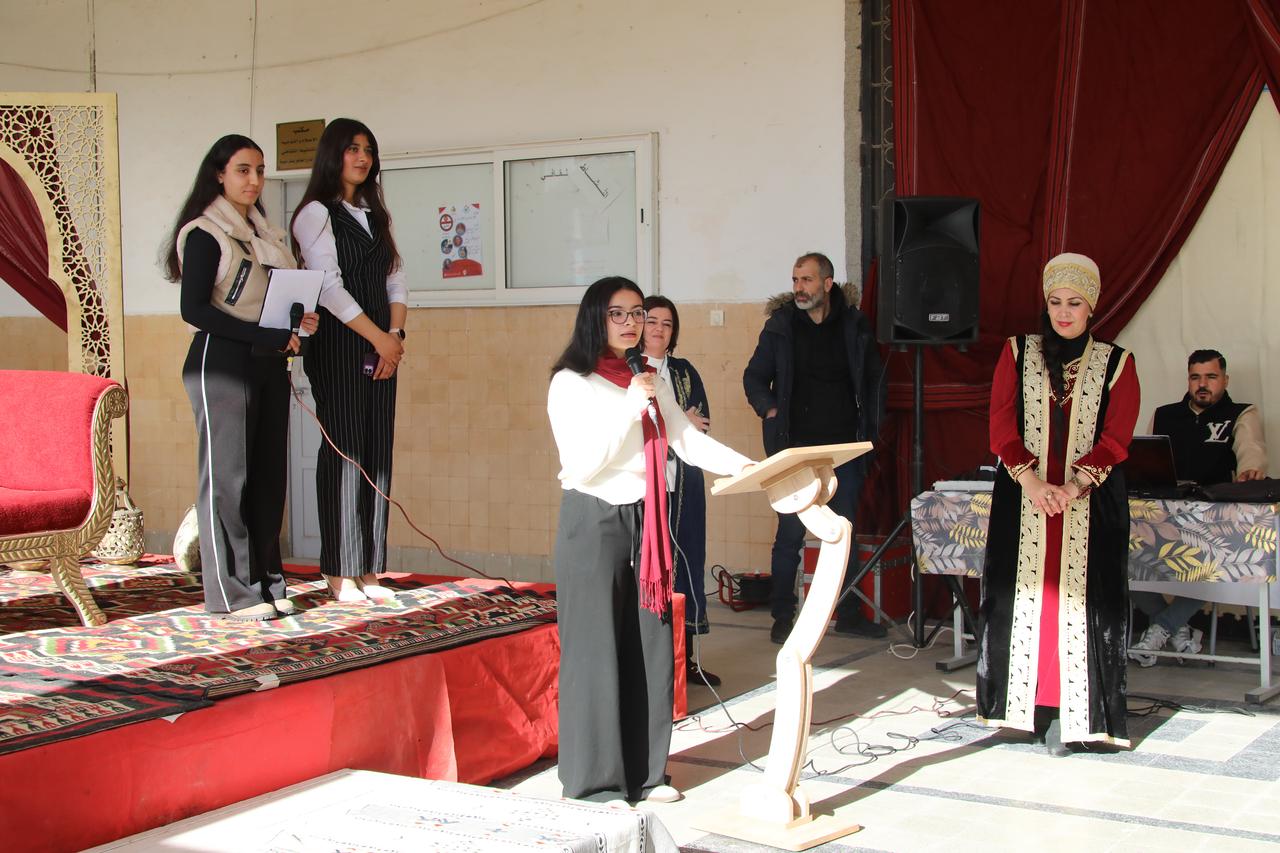

In his opening address, Ambassador Demircan drew attention to ongoing Turkish language education initiatives in Tunisia and expressed appreciation to President Recep Tayyip Erdogan and National Education Minister Yusuf Tekin for their continued backing.
He underlined that Turkish is currently taught in many schools and educational institutions across the country, adding that preparations made under Minister Tekin’s leadership were now producing visible results. Demircan noted that Tunisian students’ enthusiasm for Turkish and their ability to speak it fluently could be clearly seen at the event.
He also emphasized that bilateral relations would continue to grow through youth-focused and education-based cooperation. In this context, he said that activities promoting Turkish culture and education would carry on in coordination with several institutions, including the Yunus Emre Institute, which promotes Turkish language and culture abroad, the Turkish Cooperation and Coordination Agency (TIKA), which runs development projects, the Türkiye Maarif Foundation schools, and the Education Counsellorship at the Turkish Embassy.
Türkiye’s Education Counsellor in Tunisia, Emin Soysac, told Anadolu Agency that Turkish language and culture courses are currently offered with state support at around 30 schools in the country, where Turkish is taught as an elective subject. He explained that the event in Sousse was organized with significant contributions from local teachers and added that similar activities were expected to be rolled out to other schools.
Meanwhile, Ozge Olcay, a Turkish language teacher working under the Ministry of National Education who has been based in Tunisia for four years, said Tunisian students show strong interest in both Turkish and Turkish culture. She pointed out that many students are already familiar with Türkiye through Turkish television series and music, and said the main aim of the program was to introduce students more closely to Turkish culture while strengthening intercultural awareness.
Tahir Sefer High School principal Monya Dimasi described the school as having a long-established history and said the introduction of Turkish as an elective had brought new energy to the institution. She explained that students from seven different schools receive Turkish instruction at their own schools and stressed that culture days play an important role in supporting language learning.
Dimasi also highlighted similarities between Turkish culture and the cultures of Tunisia and North Africa. She said the event could serve as a model for similar cultural days linked to other foreign languages taught at the school, including Chinese, German, Russian, Spanish, and Italian. However, she noted that Turkish stood out because of what she described as its distinctive, musical, and artistic structure, which is why the program was designed more like a celebration.
Among the participants, final-year student Firdevs Bilkasim said she enjoys learning Turkish and sees the language as key to understanding a culture she described as ancient, rich, and worth exploring. She added that truly getting to know Turkish culture requires learning the language itself.
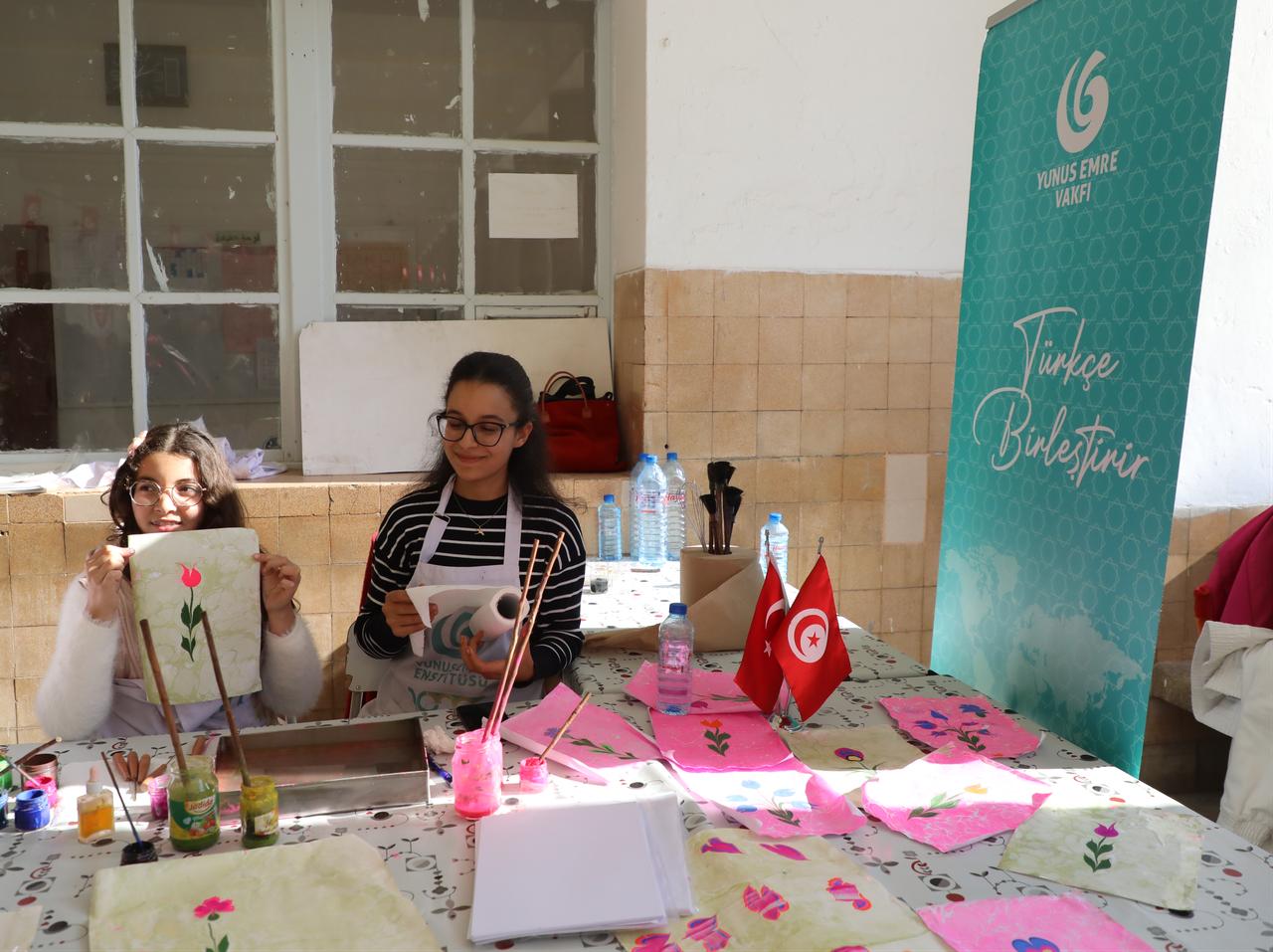
The event concluded with a cultural stand set up by the Yunus Emre Institute, where students were introduced to the traditional Turkish art of marbling, known as ebru. Guests were also offered Turkish baklava and borek, rounding off the program with a taste of Turkish cuisine.


 Set as preferred source
 Set as preferred source


 2 min read